Watercolour vs Acrylic: Which Is Easier for Beginners?
31 Aug 2026Struggling to choose between watercolour and acrylic? We break down drying times, mistake forgiveness, and cleanup to help you pick the right starter medium.
Continue reading...Ever feel stuck while you paint? The right technique can turn a muddle into a masterpiece in minutes. Below you’ll find straight‑forward advice for oil, watercolor and landscape work that you can try right now.
Start with a well‑prepped canvas. A thin coat of gesso gives the paint something to grip, and it dries faster than a thick layer. When you mix your palette, remember the golden rule "fat over lean" – use more oil in later layers to avoid cracking. A simple way to test this is to add a tiny drop of linseed oil to the paint you plan to use on top of a dry area.
If you wonder whether to begin dark or light, go with the approach that matches your mood. Dark‑first lets you block in shadows early, while light‑first helps you build color gradually. Either way, keep your brush strokes loose at first; you can always tighten them later.
Scumbling and glazing are two tricks that add depth without extra detail. For scumbling, load a light brush with a thin, dry color and drag it over a wet area – you’ll see bits of the underlayer through. Glazing works the opposite way: thin a transparent color with medium and apply it over a dry finish to shift hue subtly.
When you start a watercolor, sketch lightly or go straight to paint if you trust your hand. Light washes are best placed first – they set the tone and keep the paper from breaking later. Let each wash dry before adding the next; this prevents unwanted colors from bleeding together.
For landscapes, the rule of thirds is a quick way to balance composition. Imagine two horizontal and two vertical lines dividing the canvas into nine squares; place the horizon on a line, not in the center. This simple tweak makes the scene feel more natural.
Choosing the right palette is also key. Greens and blues dominate most outdoor scenes, but adding a touch of warm orange or red can make clouds pop. Mix a small amount of complementary color into your sky wash to give it depth without complex layering.
Lastly, keep your tools clean. A dirty brush can muddy a fresh wash, and leftover oil paint can dry and ruin the next session. Rinse brushes in lukewarm water, use a rag for oil, and store them upright to keep bristles straight.
Try one of these tips on your next canvas or paper. You’ll see immediate improvement, and the confidence boost will keep you painting longer. Remember, the best technique is the one that works for you – experiment, adjust, and enjoy the process.
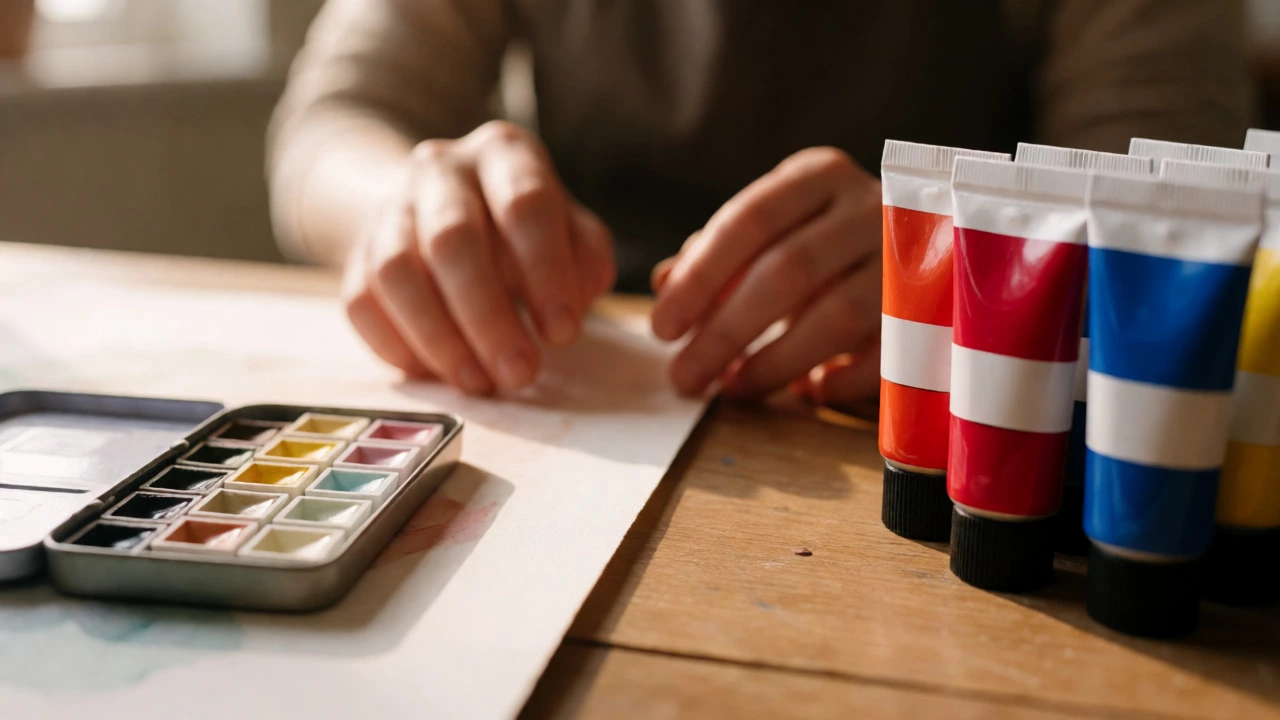
Struggling to choose between watercolour and acrylic? We break down drying times, mistake forgiveness, and cleanup to help you pick the right starter medium.
Continue reading...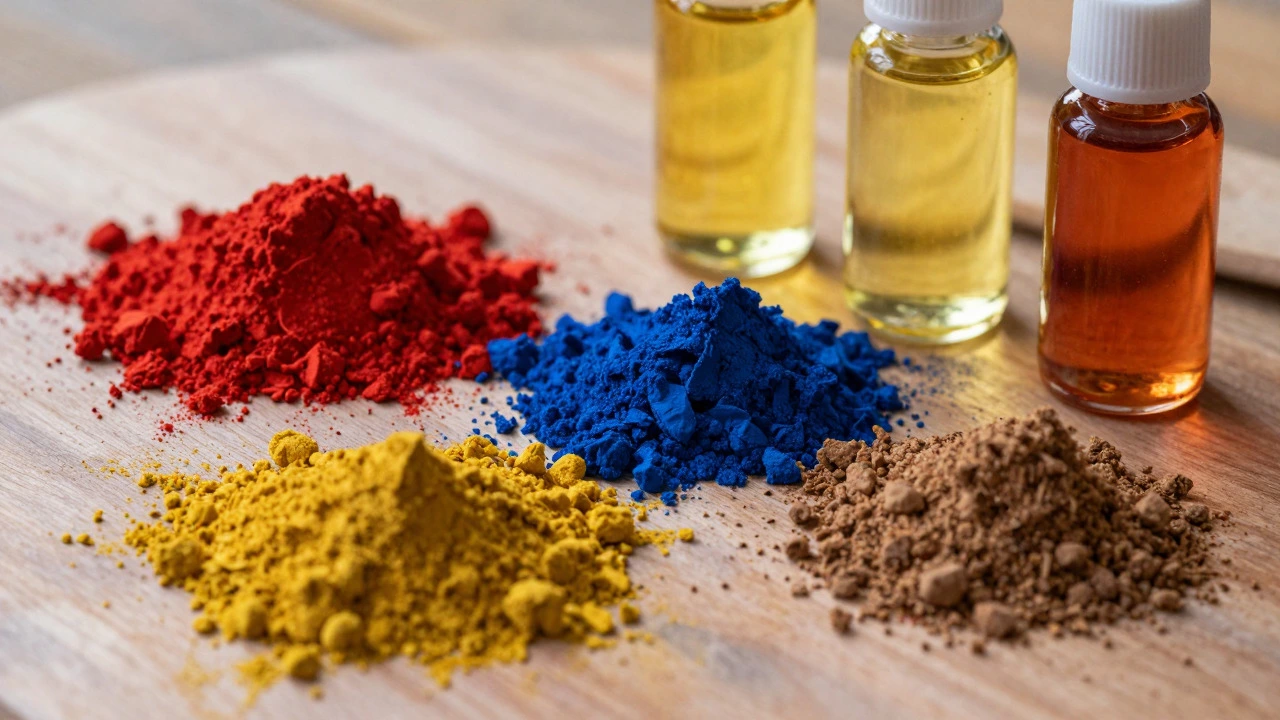
Discover the real formulas behind oil painting, including pigment-to-oil ratios, medium recipes, and the critical fat-over-lean rule. Learn how to control drying times and avoid common cracking mistakes.
Continue reading...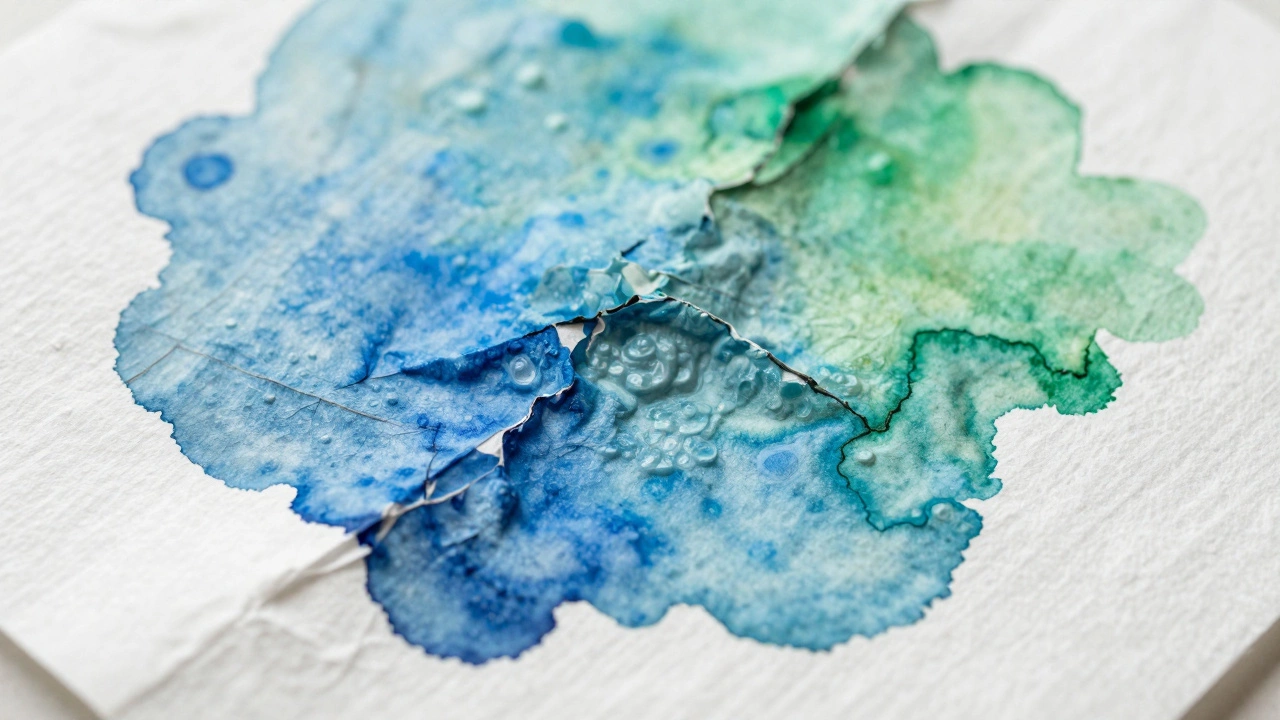
Discover what happens when you skip stretching watercolor paper. Learn about buckling, uneven washes, and how to prevent warping for professional results.
Continue reading...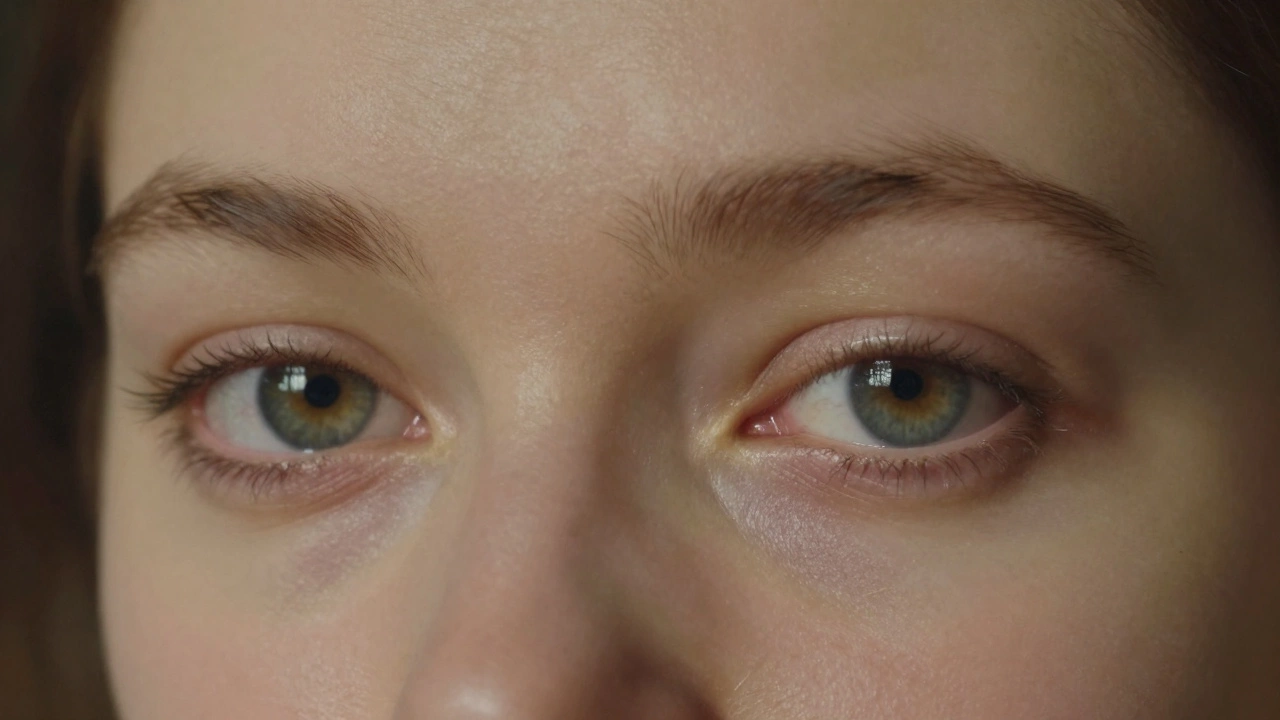
Discover the essential elements that transform a simple sketch into a captivating portrait painting. From mastering eye contact to using light and color effectively, learn how to capture true character.
Continue reading...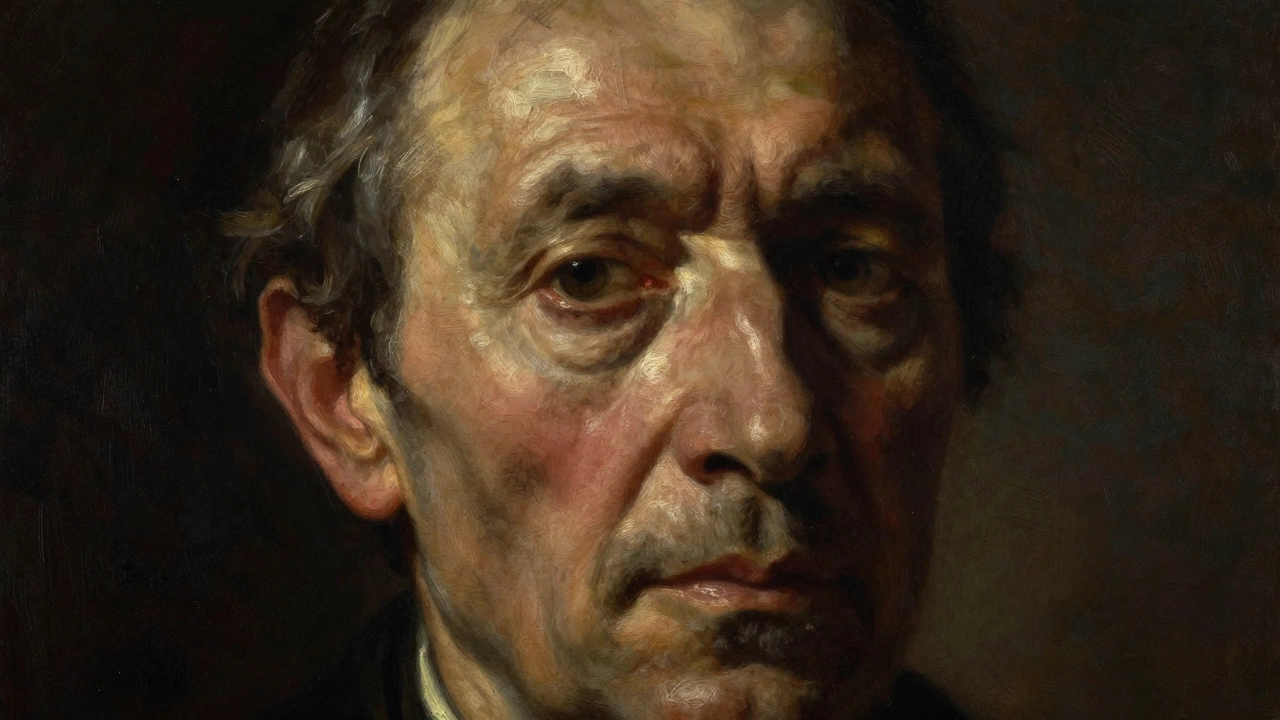
Discover the three essential elements of a great portrait: light, expression, and character. Learn how to use chiaroscuro, capture micro-expressions, and reveal the soul of your subject in painting.
Continue reading...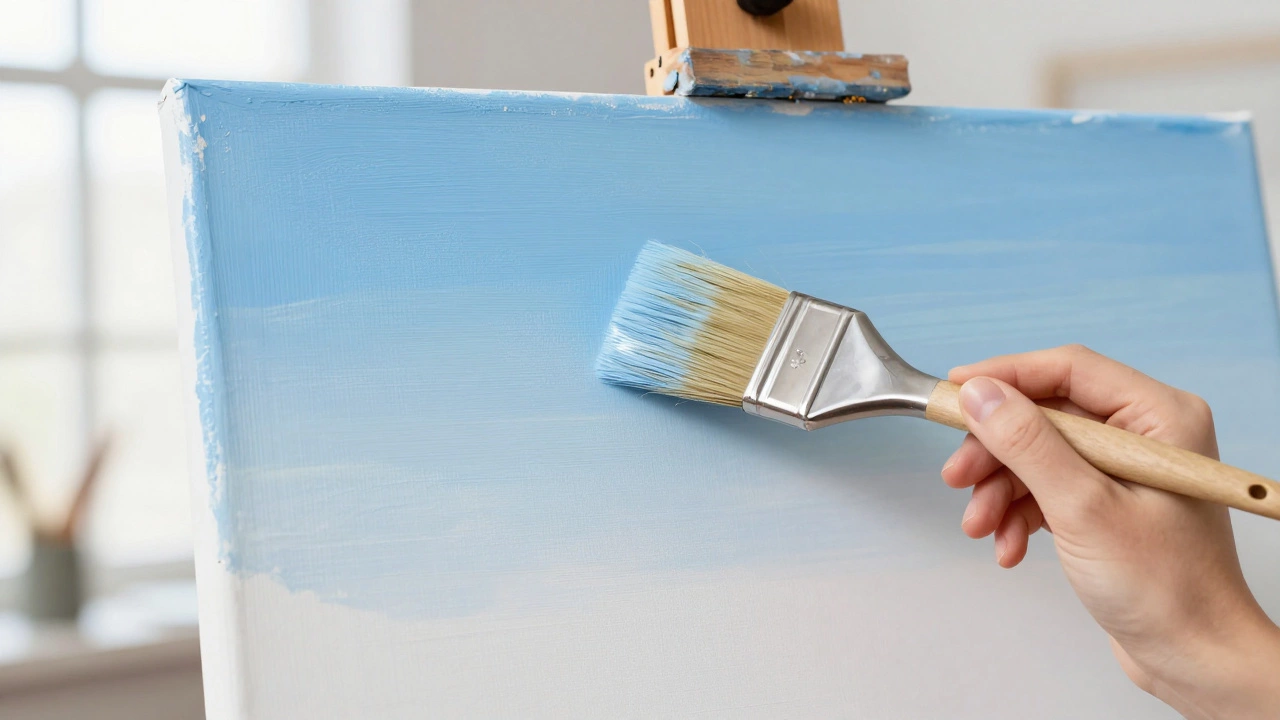
Learn the correct order for painting landscapes. Start with the sky and background to create depth, then move to foreground details. Includes step-by-step guides, common mistakes, and pro tips for oils and acrylics.
Continue reading...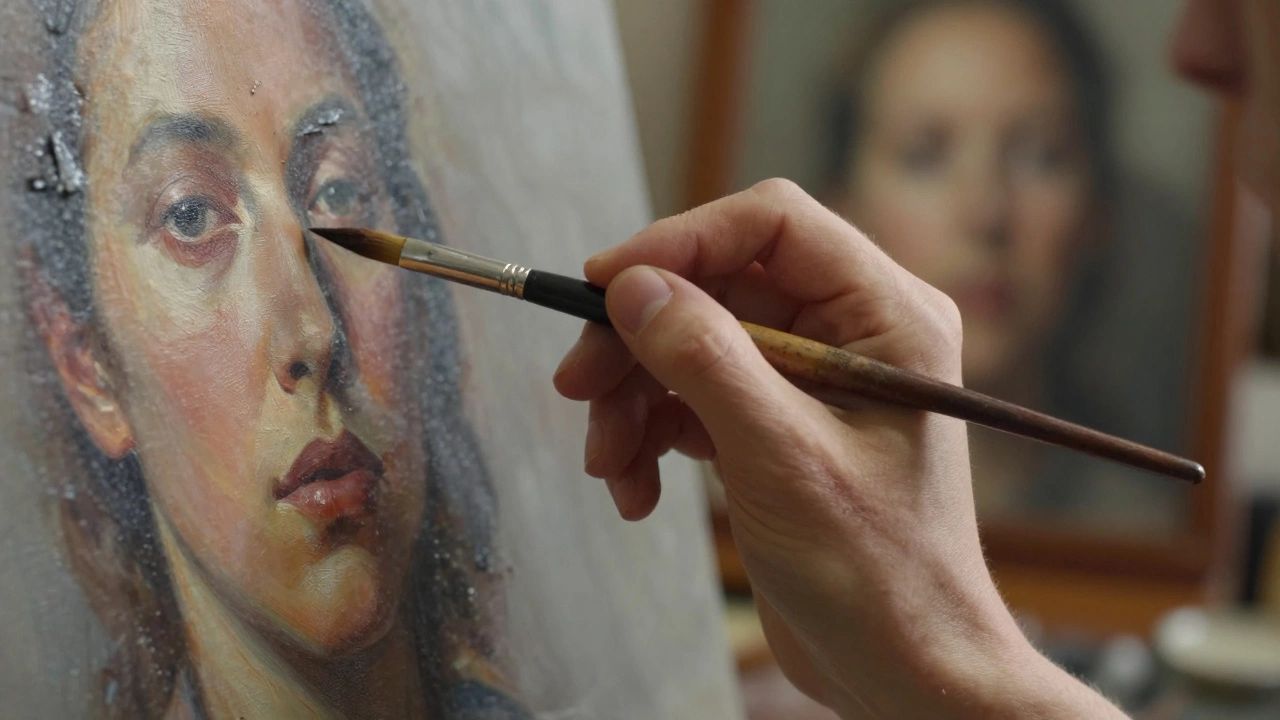
Discover why portrait painting is one of the toughest art forms. From tricky facial proportions and anatomy to the psychological pressure of capturing likeness, learn what makes painting a face so challenging.
Continue reading...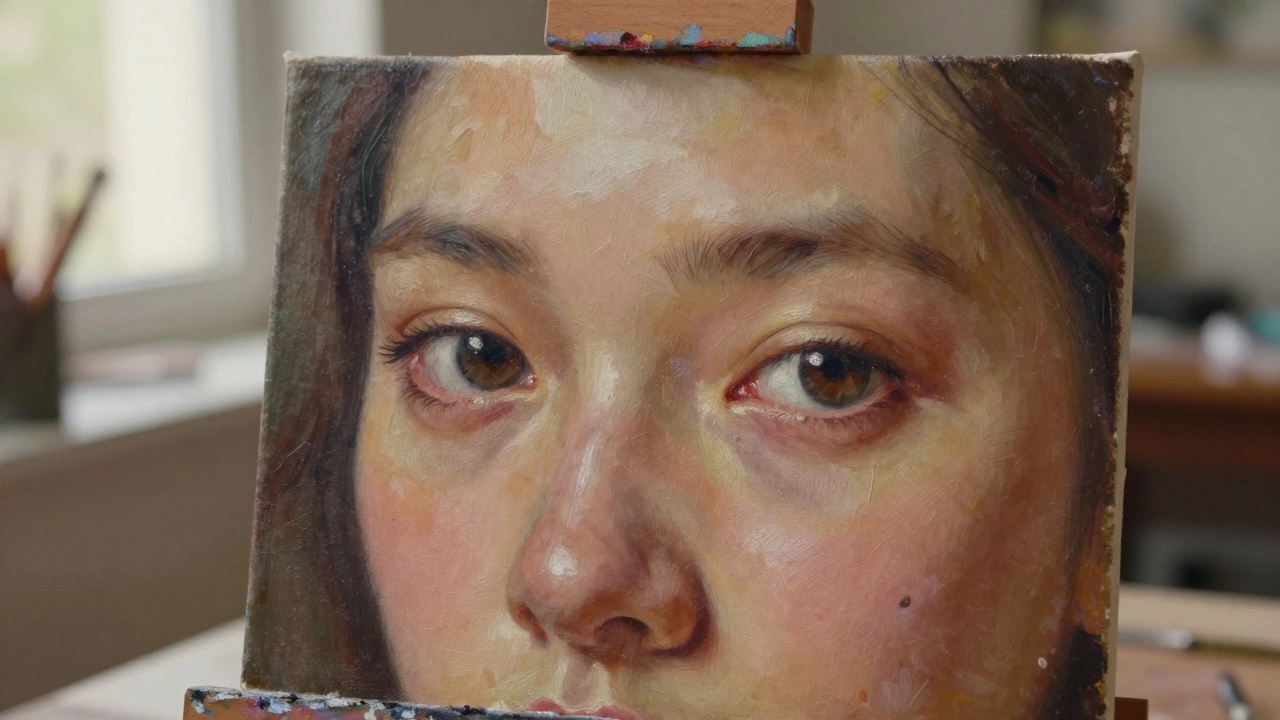
Discover the best length for portrait paintings. From intimate 8x10 headshots to monumental 60-inch full bodies, learn how size impacts detail, emotion, and display.
Continue reading...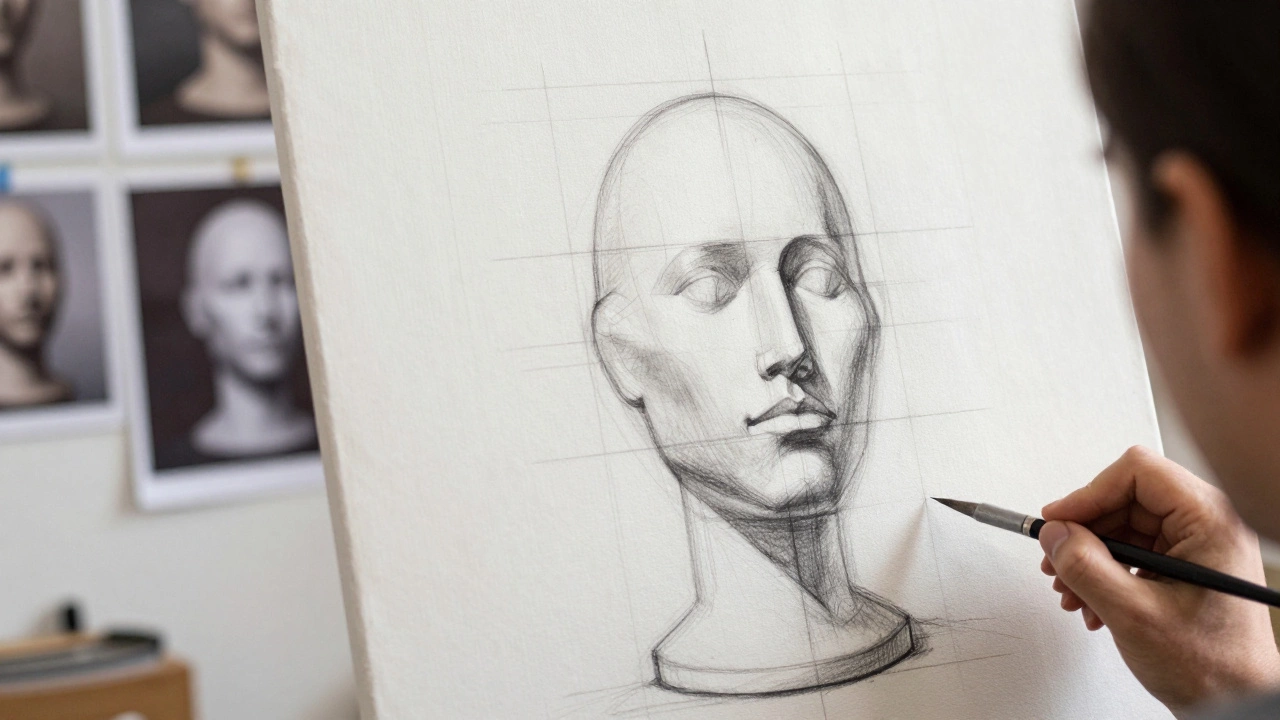
Learn how to make a portrait look good by mastering facial proportions, lighting techniques, and skin tone mixing. This guide covers common mistakes and practical tips for creating realistic, expressive portraits.
Continue reading...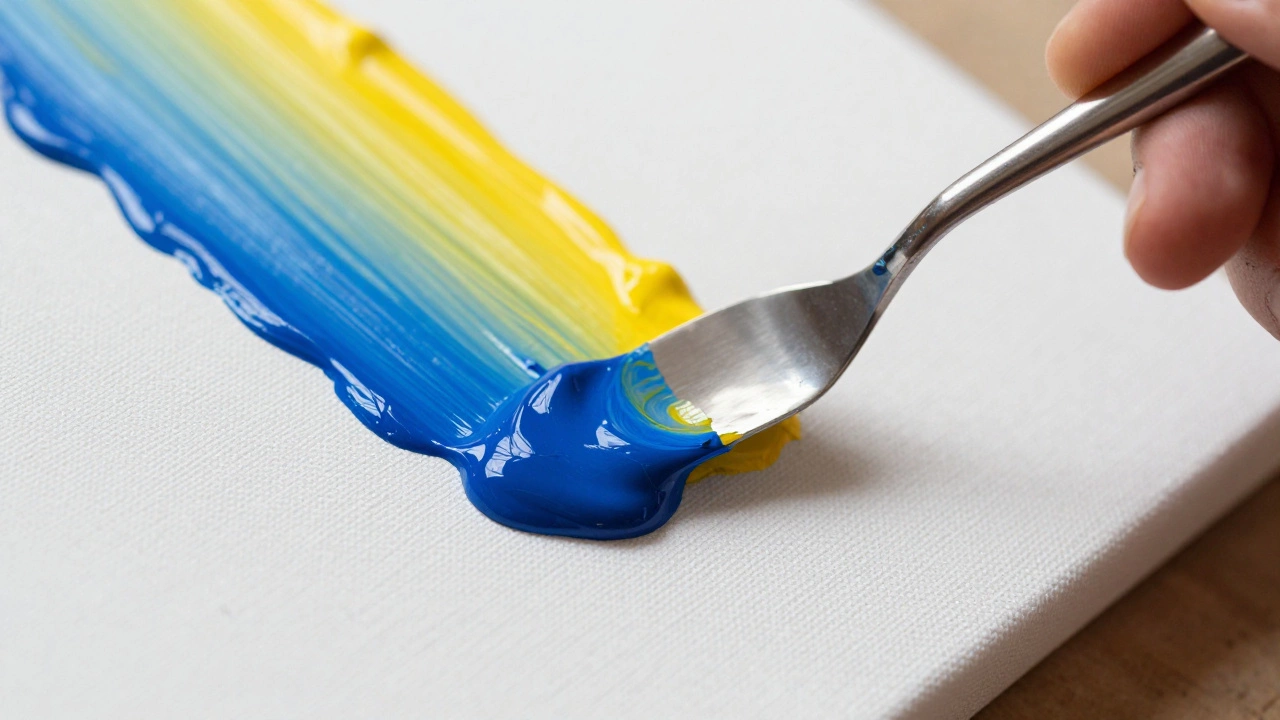
Discover how the smearing technique transforms oil paintings through texture, movement, and emotional depth. Learn practical methods, tool choices, and common pitfalls to avoid.
Continue reading...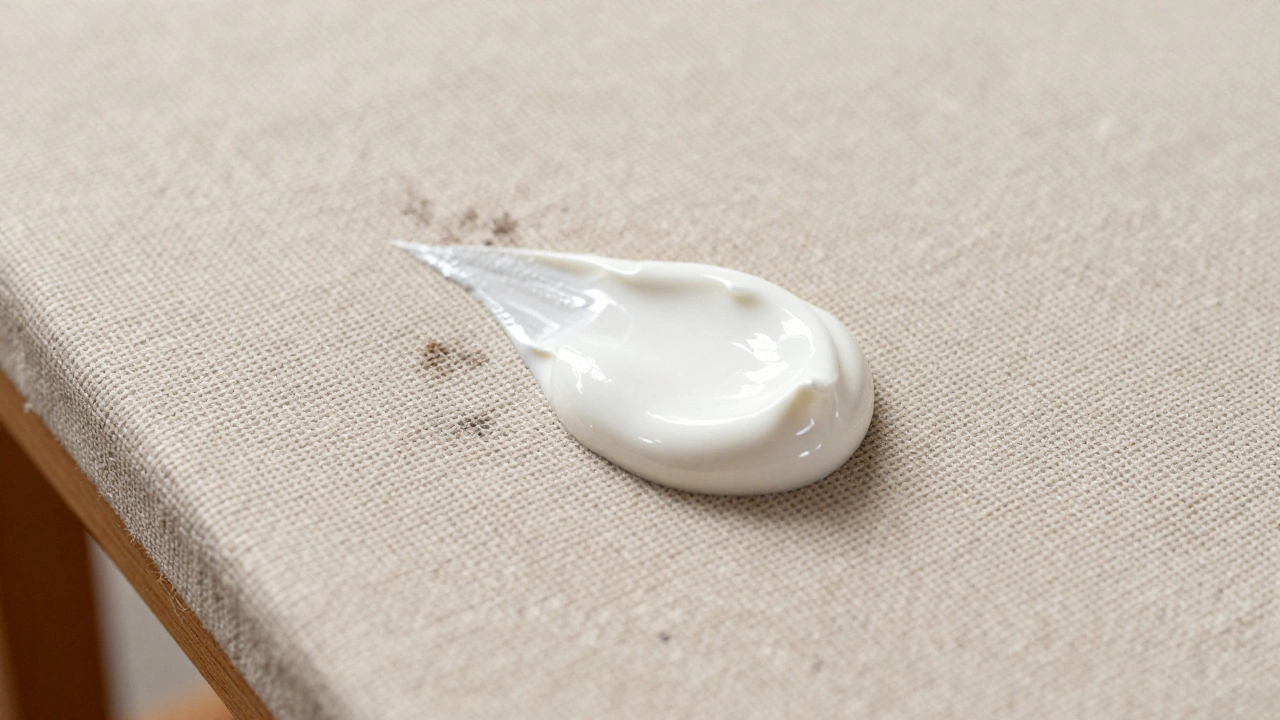
Discover why priming a canvas is essential for oil painting. Learn about gesso, toned grounds, and how proper preparation prevents sink-in and ensures your artwork lasts for decades.
Continue reading...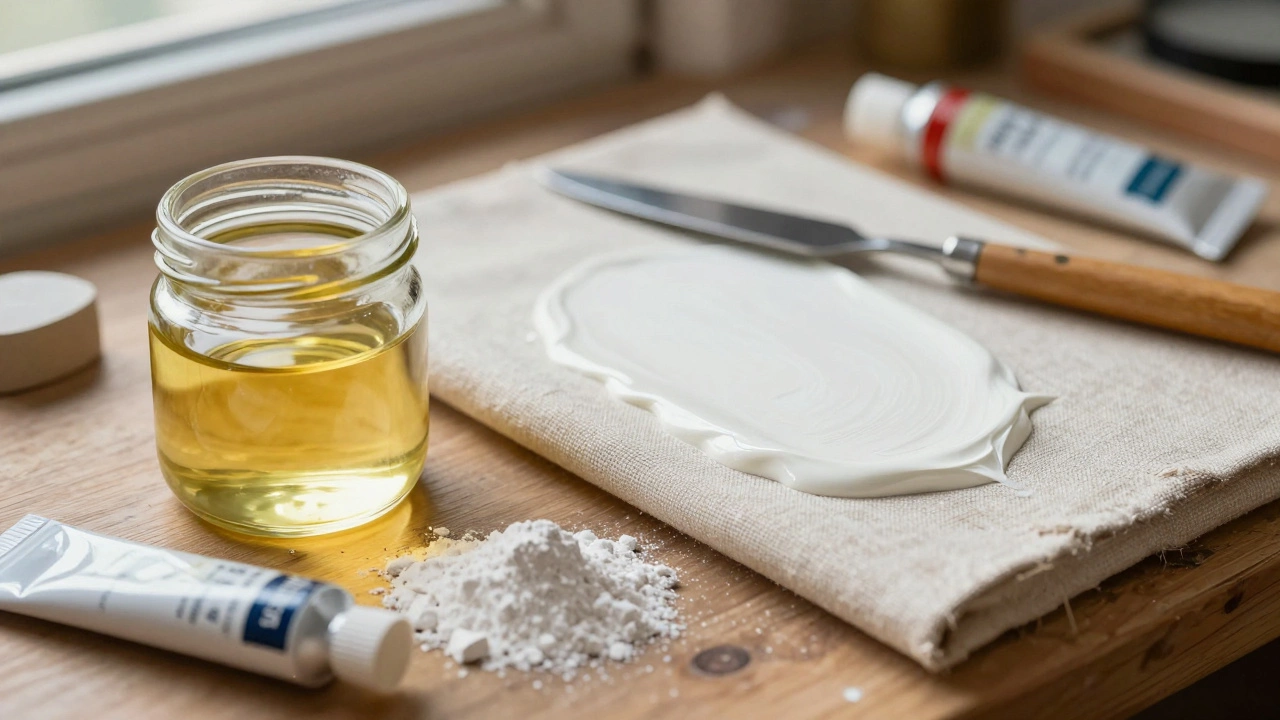
Discover the essential first steps in oil painting, from preparing the ground to choosing the right underpainting technique like Grisaille or Venice Burn.
Continue reading...