Portrait Elements Simulator
Analysis Guide
Adjust the controls to see how each element affects your portrait.
Key Principles:
- Light: Creates form and drama through contrast
- Expression: Conveys emotion through micro-movements
- Character: Reveals personality through styling choices
Have you ever looked at a portrait that stopped you in your tracks? Maybe it was a Rembrandt in a gallery in Sheffield, or a quick sketch on someone’s phone. You didn’t just see a face; you felt something. A connection. That is the magic of a great portrait. But what makes it work? Is it perfect anatomy? Flawless skin tones? While those things help, they aren't the secret sauce.
The truth is, anyone can draw a nose in the right place. But creating a portrait that breathes requires three specific elements. These are not optional extras. They are the foundation. Without them, you have a drawing of a person. With them, you have captured a human being. Let's break down these three pillars: Light, Expression, and Character.
1. Light: The Sculptor of Form
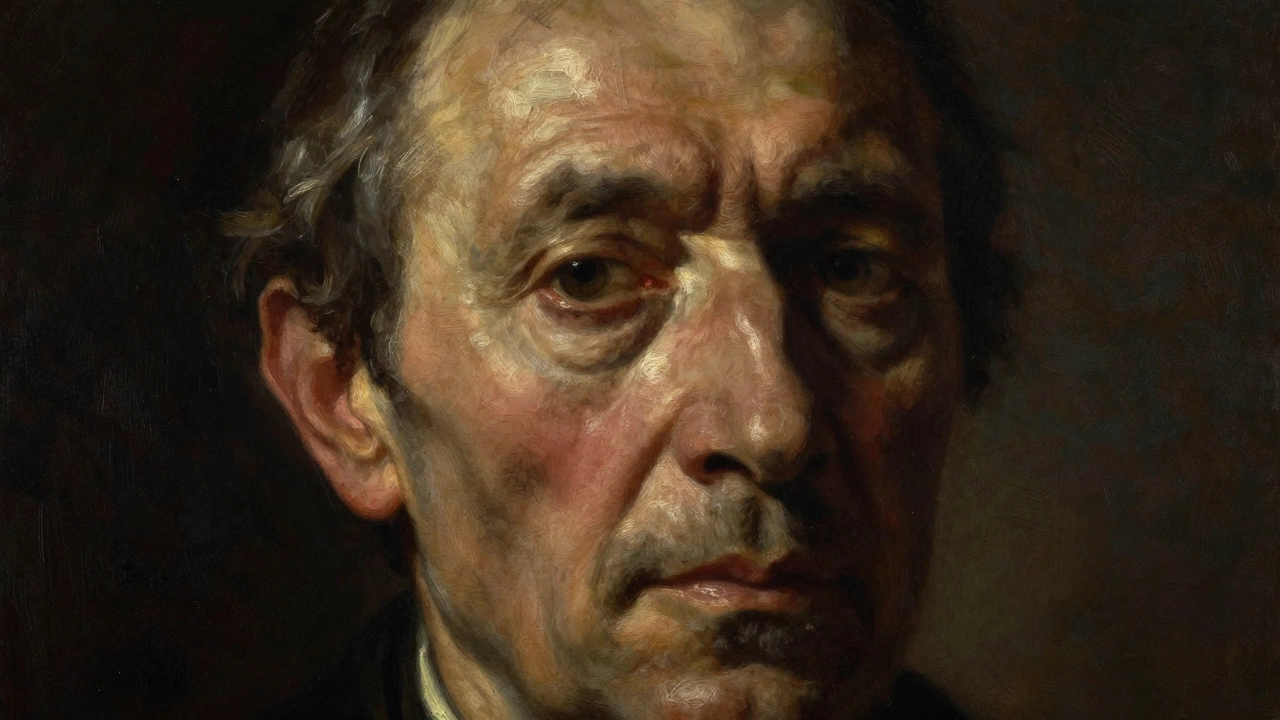
If you paint in flat, even lighting, your subject will look like a cardboard cutout. Light is not just about illumination; it is about structure. In portrait painting, light acts as a sculptor. It carves out the cheekbones, deepens the eye sockets, and defines the jawline. When you ignore the direction and quality of light, you lose the third dimension.
Chiaroscuro is a technique using strong contrasts between light and dark to create volume and drama. Artists like Caravaggio and Rembrandt mastered this. They didn't just paint faces; they painted light falling on faces. Notice how the light wraps around the form. It doesn't stop abruptly. It transitions from highlight to mid-tone to shadow.
You need to understand the "five basic lights" of any object:
- Highlight: The brightest spot where light hits directly.
- Mid-tones: The local color of the skin, transitioning away from the highlight.
- Core Shadow: The darkest part of the form shadow, usually along the edge of the curve.
- Reflected Light: Light bouncing back into the shadow area from surrounding surfaces. This is crucial for making shadows feel transparent and alive, not muddy black holes.
- Ambient Occlusion: The deepest shadows where forms touch, like under the chin or in the nostrils.
When you paint, ask yourself: Where is the light coming from? Is it hard and directional (like noon sun), creating sharp edges? Or is it soft and diffused (like an overcast day in Yorkshire), creating gentle transitions? Your brushwork should match the quality of the light. Hard light needs sharper edges; soft light needs blurred, blended strokes.
2. Expression: The Window to the Mind
A face with perfect proportions but a blank stare is boring. We don't remember faces; we remember feelings. Expression is the second element, and it is entirely driven by the eyes and the mouth. However, most beginners make the mistake of focusing only on the smile or the frown. The real story is in the micro-expressions.
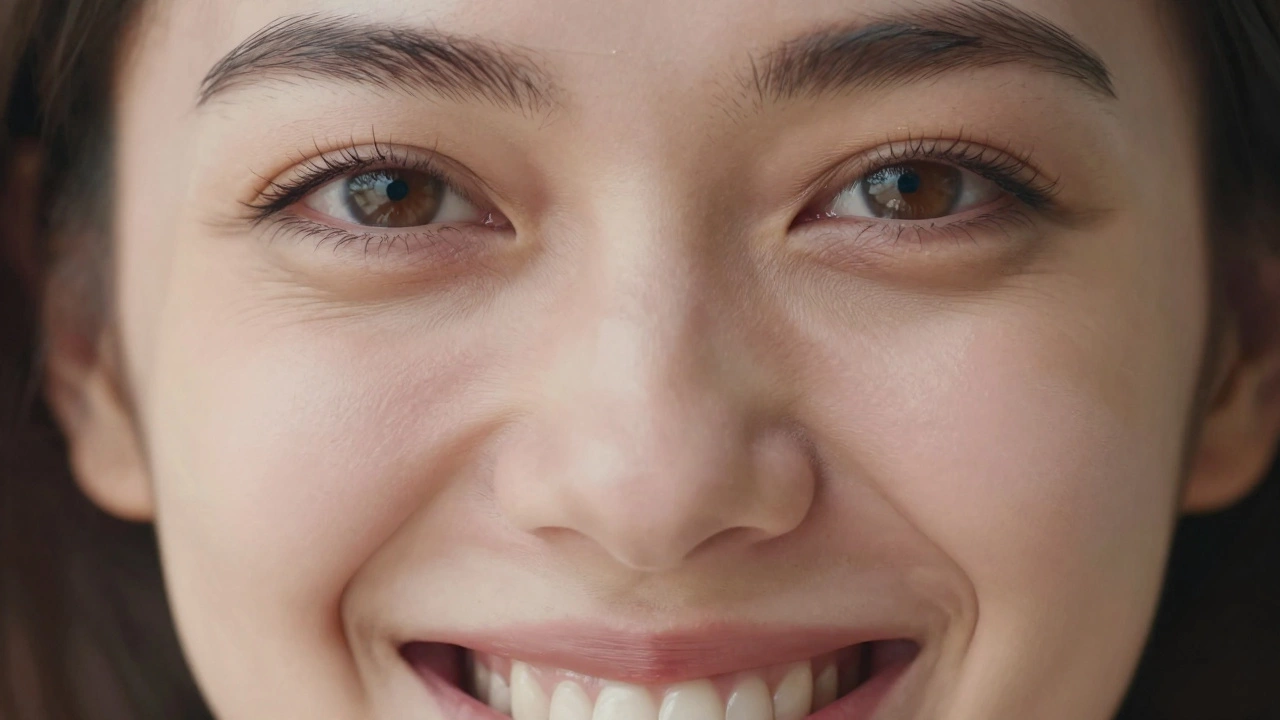
Consider the Duchenne smile. Named after the French neurologist Guillaume Duchenne, this is a genuine smile that involves not just the mouth lifting up, but the orbicularis oculi muscles contracting around the eyes. If the eyes don't crinkle slightly, the brain registers the smile as fake. Capturing this subtle tension is what separates a snapshot from a portrait.
But expression isn't always happy. Think about a moment of concentration. The eyebrows might furrow slightly. The gaze fixes intensely on one point. The lips might press together. These small details tell the viewer what the subject is thinking. Are they sad? Not just because their mouth is turned down, but because their eyelids are heavy and their posture slumps.
To capture expression, you must observe the asymmetry of the face. No face is perfectly symmetrical, especially when expressing emotion. One side often works harder than the other. If you mirror one half of the face to the other in your painting, it will look robotic. Embrace the unevenness. It adds life.
3. Character: The Soul of the Subject
This is the hardest element to teach, yet it is the most important. Character is the essence of who the person is. It goes beyond their current mood (expression) and how they look in the light (form). It answers the question: Who is this person?
Character is conveyed through choices. What clothes are they wearing? Are they worn-out denim or crisp silk? How do they hold themselves? Are they leaning forward, eager and engaged? Or leaning back, defensive and reserved? Even the hands tell a story. Rough, calloused hands suggest labor and strength. Delicate, manicured nails suggest care and perhaps status.
In painting, character is also about style. A loose, energetic brushstroke might suit a wild, creative spirit. Tight, detailed realism might suit a precise, intellectual subject. You are interpreting the person, not just copying them. This is where your own voice as an artist comes in.
Think of John Singer Sargent. His portraits weren't just accurate records; they were celebrations of personality. He would exaggerate certain features to enhance the character. If someone had a prominent chin, he might emphasize it to show determination. If someone had tired eyes, he would soften them to show vulnerability. He understood that truth in art is not always photographic accuracy. It is emotional accuracy.
How These Elements Work Together
You cannot separate these three elements. They rely on each other. Light reveals expression. Expression hints at character. Character influences how light falls on the face (through posture and angle).
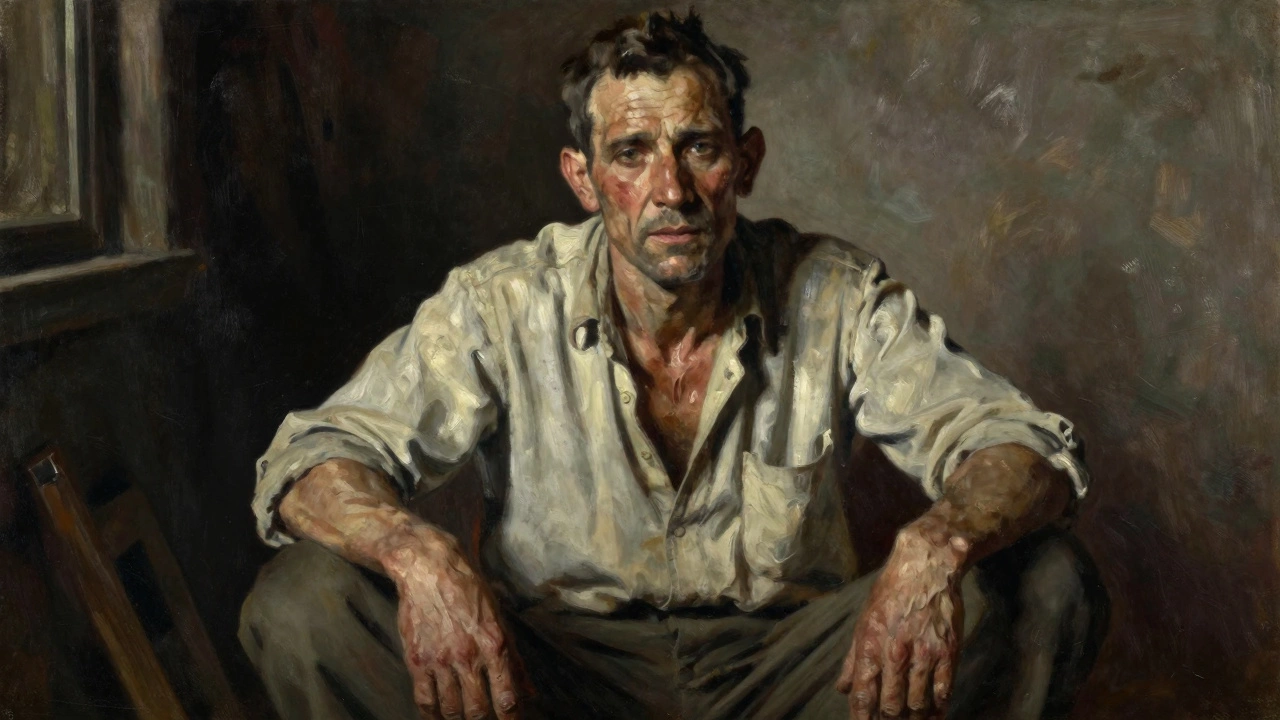
Imagine painting a retired soldier.
- Light: You might use harsh, side-lighting to emphasize the wrinkles and scars, showing a life of hardship.
- Expression: His eyes are squinting, not from anger, but from years of squinting against the wind. His mouth is set in a firm line.
- Character: He wears a simple, unbuttoned shirt. His shoulders are broad but slightly stooped. The background is dark and indistinct, forcing focus on his weathered face.
If you changed the light to soft and flattering, hid the wrinkles, and made him smile broadly, you would lose the character. You would have a pleasant picture, but not a great portrait. The elements must align to tell a coherent story.
Common Mistakes to Avoid
Even experienced artists fall into traps. Here are the most common ones:
- Muddy Shadows: Using black to darken colors. Skin tones in shadow are rarely gray or black. They are rich with reflected color. Mix blues, purples, and warm browns to keep shadows vibrant.
- Staring Eyes: Painting pupils as perfect black circles. Eyes have reflection, moisture, and color variation. The catchlight (the white dot reflecting the light source) is essential. Without it, the eyes look dead.
- Ignoring the Neck: The neck connects the head to the body. If you ignore its rotation and tilt, the head looks like it's floating. The sternocleidomastoid muscle is key here. It twists when the head turns.
- Overworking the Face: Sometimes, less is more. Leaving some areas loose allows the eye to fill in the details. If every pore is painted, the image becomes cluttered and loses impact.
Practical Exercise: The Three-Element Study
Want to improve? Try this exercise. Find a reference photo or sit with a friend. Do not try to paint the whole thing perfectly. Instead, focus on one element at a time.
Step 1: Light. Paint only the values. Ignore color. Use grayscale. Get the contrast right. Make sure the form reads clearly. Does the nose project? Do the eyes sit in sockets?
Step 2: Expression. Now add color, but focus on the eyes and mouth. Capture the tension. Look for the asymmetry. Don't worry about the ears or hair yet.
Step 3: Character. Finally, add the context. The clothing, the background, the texture of the skin. Make choices that support the story you want to tell. Why did you choose this palette? This brushwork?
This method forces you to think critically about each component. It prevents you from getting lost in the weeds of detail before you have established the foundation.
Conclusion: It's About Connection
Great portraiture is not about technical perfection. It is about communication. You are building a bridge between the viewer and the subject. Light provides the structure. Expression provides the emotion. Character provides the meaning. When you master these three, you stop making pictures of people and start making portraits of souls.
So next time you pick up a brush, don't just look at the shapes. Look at the light hitting the skin. Look at the tiny twitch in the corner of the eye. Look at the story written in the lines of the face. That is where the art lives.
What is the most important feature to focus on in a portrait?
While all features matter, the eyes are universally considered the most important. They convey emotion and connect with the viewer. However, the relationship between the eyes and the rest of the face (expression) is what truly brings the portrait to life. A great eye drawing with a mismatched expression will fail.
How does lighting affect the mood of a portrait?
Lighting sets the emotional tone. Soft, diffused light creates a gentle, romantic, or peaceful mood. Hard, directional light creates drama, intensity, and highlights texture and age. Backlighting can create mystery or isolation. Choosing the right light is choosing the right mood.
Can I paint a great portrait without knowing anatomy?
You can create a stylized or abstract portrait without strict anatomical knowledge, but for realistic portraiture, understanding anatomy is crucial. Knowing where the muscles lie helps you predict how the face will move and change shape with expression. It prevents distortions that break the illusion of reality.
What is the difference between a likeness and a character?
Likeness is about accuracy-does this look like the person? Character is about essence-does this feel like the person? You can have a perfect likeness that feels empty, or a slightly exaggerated likeness that feels incredibly true. Great portraits balance both, prioritizing character when they conflict.
Why do my portrait shadows look muddy?
Muddy shadows usually happen when you mix too many colors or use black to darken hues. Shadows in skin are complex. They often contain reflected light from the environment. Try mixing complementary colors (like orange and blue) to neutralize and darken your paints instead of adding black. Keep your palette limited to maintain clarity.