Art Exhibitions: Real‑World Tips for Artists and Organisers
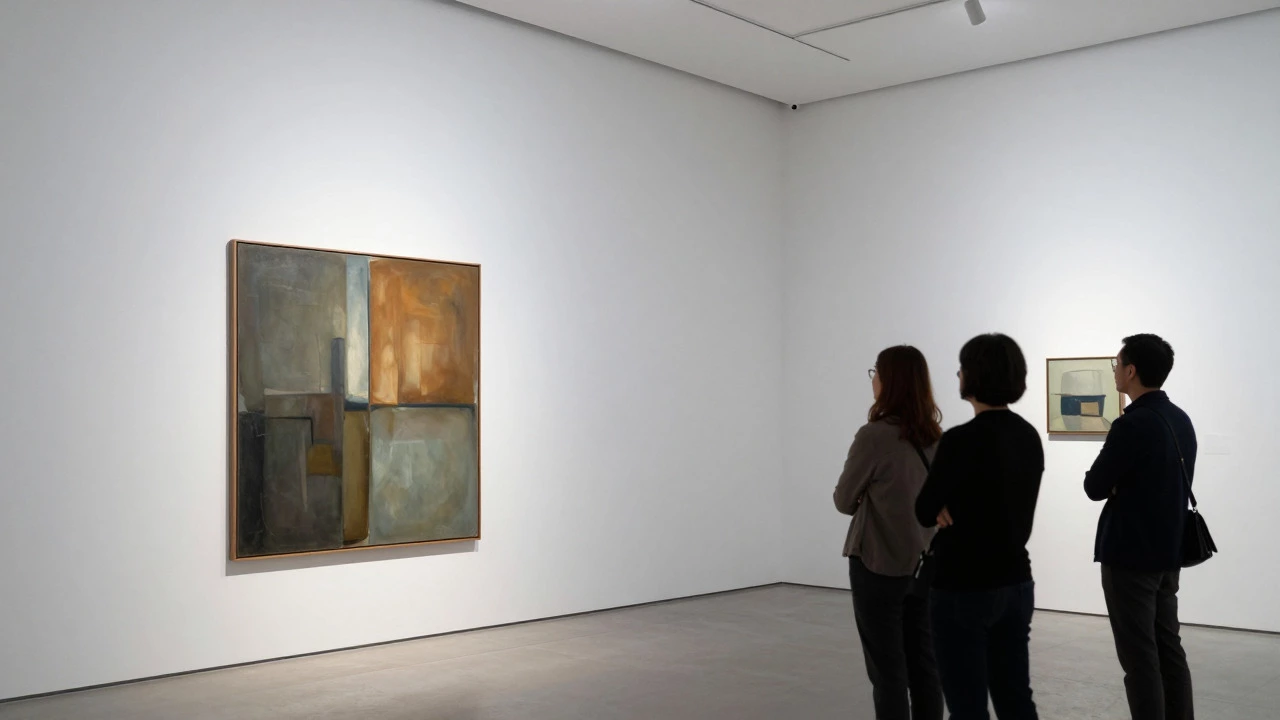
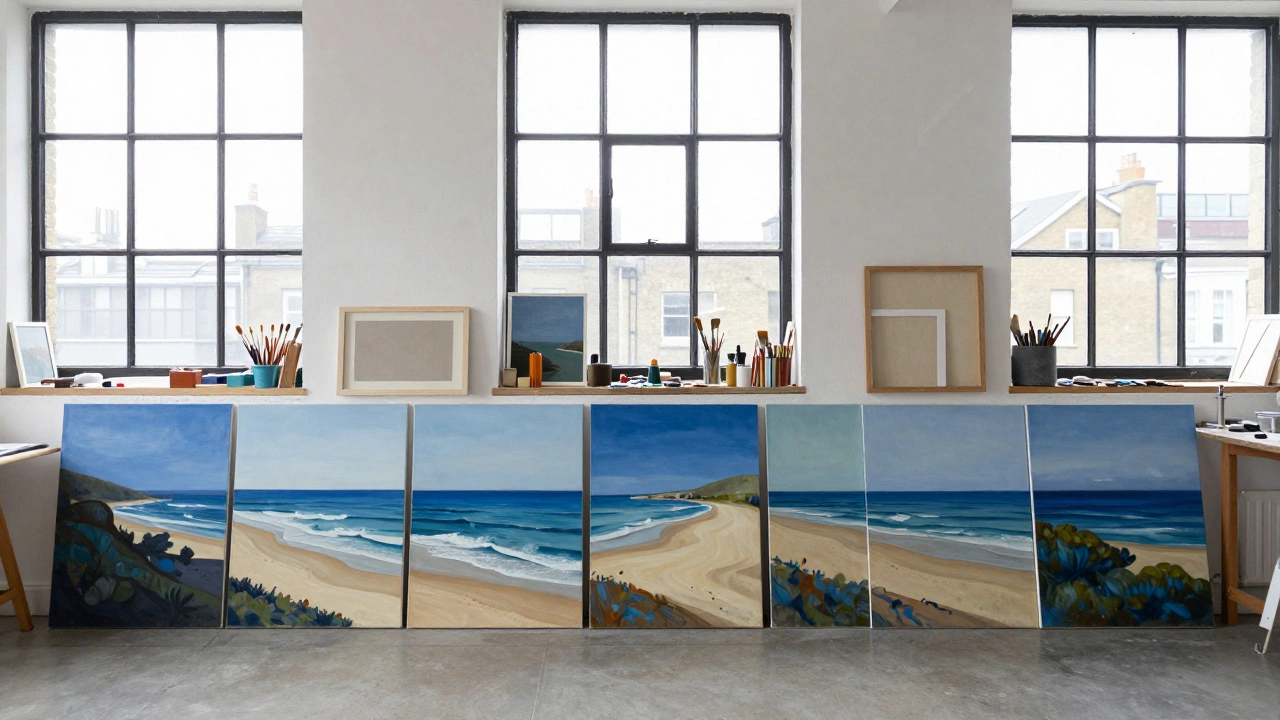
If you’ve ever wondered whether an art exhibition is just a creative showcase or a real income source, you’re not alone. Most artists think exhibitions are all about fame, but they can also pay the bills – if you know the right moves. Below we break down the basics, from making money to setting up a solo show, so you can turn any exhibit into a step forward in your career.
How to Make Money from Exhibitions
First, understand that not every exhibition pays a flat fee. Often the money comes from sales, commissions, entry fees, or sponsorships. Galleries typically take a cut – anywhere from 40 % to 60 % – depending on the venue and the agreement. Knowing this range lets you negotiate better terms. If a gallery offers a 50 % split, you can ask for a lower rate if you bring your own audience or cover part of the marketing costs.
Second, watch out for hidden costs. Transport, insurance, and installation fees can eat into profit quickly. Budget these items before you sign a contract, and ask the gallery if they cover any of them. Some spaces will waive fees for emerging artists, especially if you promise a certain level of publicity.
Third, consider extra revenue streams. Ticket sales, merchandise, and limited‑edition prints can boost earnings without extra artwork. A small, well‑designed catalogue sold at the door often adds a few hundred pounds and gives visitors a keepsake.
Steps to Host a Successful Show
Planning a solo exhibition might feel overwhelming, but breaking it into bite‑size tasks makes it doable. Start with a clear budget – list venue rent, transport, insurance, promotion, and any catering if you plan an opening night. Keep the numbers realistic; it’s better to have a modest show that stays in the black than an ambitious one that leaves you in debt.
Next, craft an artist statement that tells a story. Keep it short, focused, and jargon‑free. Visitors love a narrative they can follow, and collectors often use the statement to gauge the concept behind the work. Pair the statement with a press release that highlights what makes your show unique – a new technique, a local theme, or a collaboration.
When it comes to layout, think like a storyteller. Begin with a strong opening piece, build a middle that explores variations, and end with a memorable climax. Use the venue’s size to decide how many works to display; too many pieces can overwhelm, while too few may leave space feeling empty. A good rule of thumb is to leave about a foot of wall between each piece.
Finally, promote the event on social media, local art groups, and community boards. Offer a sneak‑peek Instagram story a week before the opening to spark curiosity. Invite local businesses for sponsorship – they get exposure, and you get a small cash boost or in‑kind support like catering.
Remember, the goal isn’t just a one‑night splash. Follow up with attendees after the show, thank them, and share photos of the exhibition. Building relationships now pays off when you plan the next event or when a collector decides to buy a piece later on.

5 Jul 2026
Discover who to invite to your art exhibition for maximum impact. From collectors and curators to friends and local partners, learn how to build a strategic guest list that boosts sales and networking.
Continue reading...
23 Mar 2026
Learn how to get your art into an exhibition with practical steps, submission tips, and real strategies used by artists who succeeded. No fluff - just clear, actionable advice for emerging creators.
Continue reading...
16 Feb 2026
An art exhibition includes carefully selected artworks, curated narratives, thoughtful lighting, climate control, interpretive labels, public programs, and inclusive design-all working together to create a meaningful experience for visitors.
Continue reading...
19 Jan 2026
Learn how to get noticed by art galleries through consistent work, professional submissions, and smart participation in group shows. No fluff-just clear steps artists can take today.
Continue reading...
14 Dec 2025
An art exhibition is a curated display of artworks designed to communicate ideas, emotions, or stories. Unlike random displays, exhibitions are carefully planned with themes, context, and purpose. Learn how they work, why they matter, and how to experience them.
Continue reading...
4 Dec 2025
In 2024, art that sells isn't about size or fame-it's about emotion. Small works, climate-conscious pieces, and art from underrepresented regions are leading the market. Buyers want stories, not just decoration.
Continue reading...
1 Oct 2025
Discover the precise difference between an art exhibit and an art exhibition, with clear definitions, real‑world examples, a handy comparison table, and a FAQ to master the terminology.
Continue reading...
3 Jun 2025
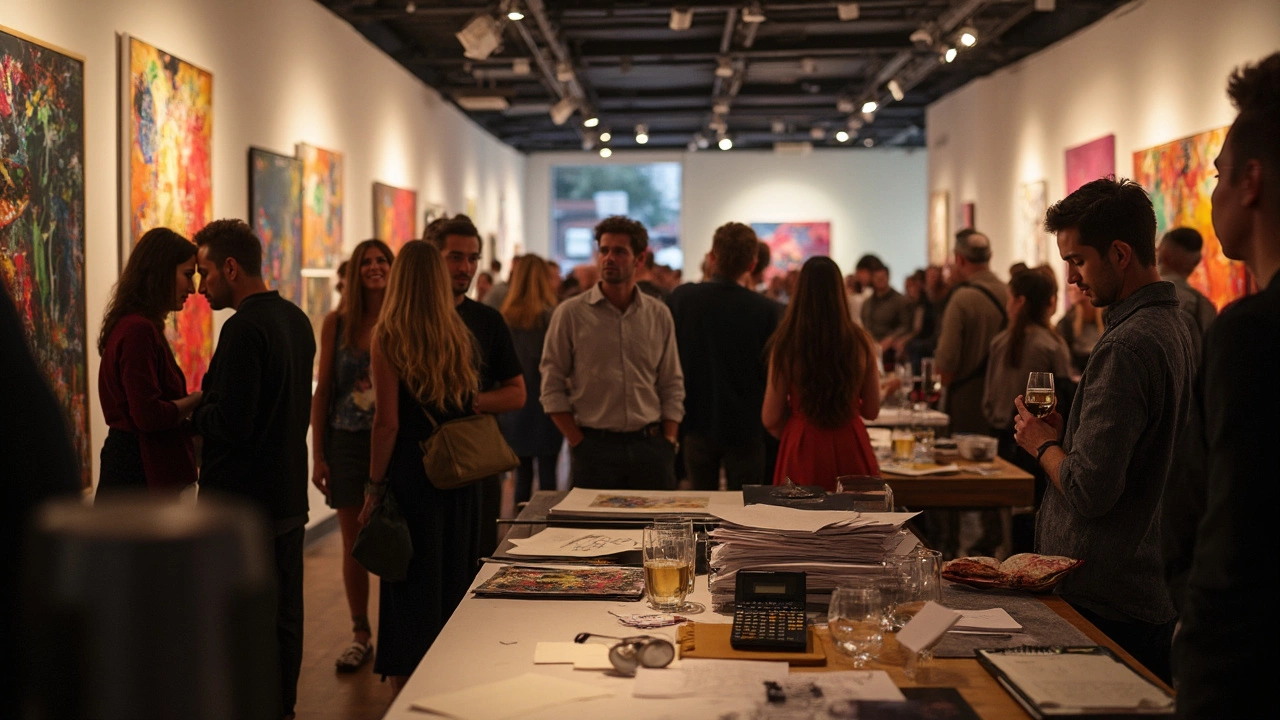
Do artists actually make money from displaying their work at exhibitions? This article cuts through the confusion by breaking down how payments (or lack of them) work for artists. Expect real-life info on gallery deals, entry fees, and overlooked costs. We look at the different ways artists might earn, and what you need to watch out for if you’re planning to exhibit. Packed with tips you won’t find on a gallery flyer.
Continue reading...
10 Apr 2025
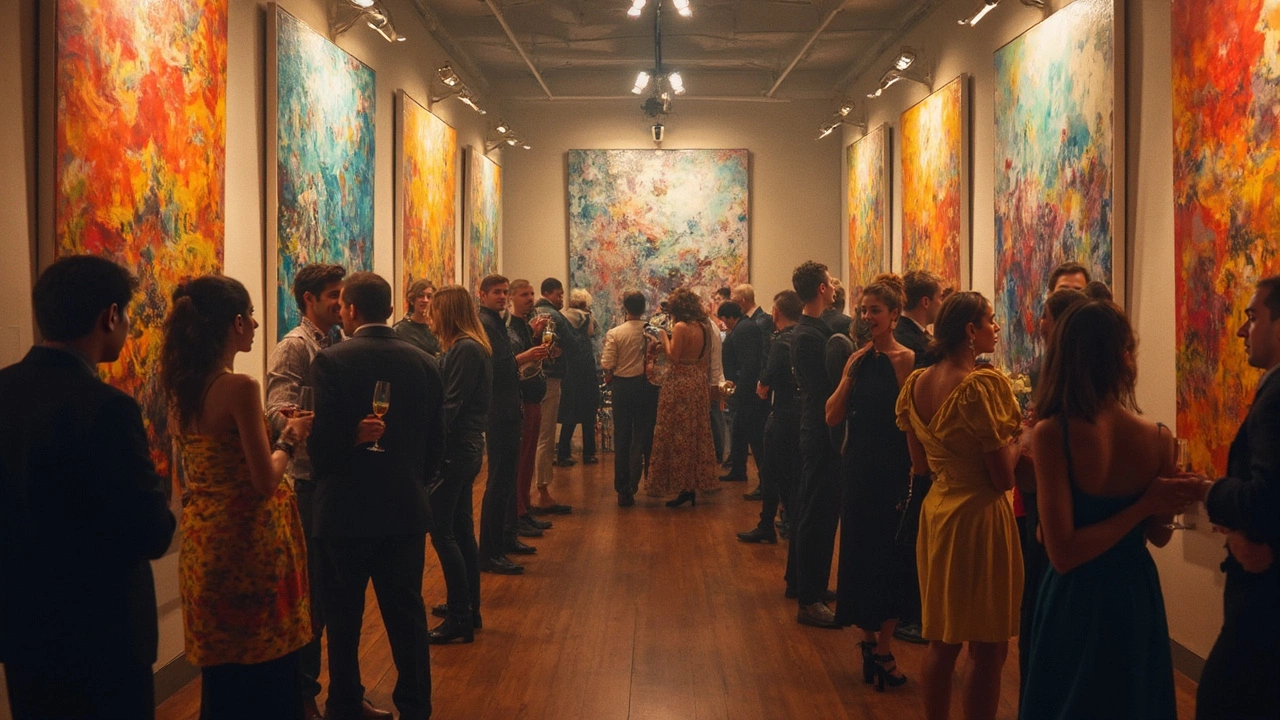
Organizing a solo art exhibition might seem daunting, but it's totally doable with the right plan. From choosing the perfect venue to marketing your event, this article breaks down everything you need to know. We'll explore basic steps like setting a budget, creating a compelling artist statement, and engaging with your community. Perfect for artists ready to show their work to the world, these insights will help make your exhibition a success. Time to get those masterpieces in the limelight!
Continue reading...