Art and Culture – Your Go‑To Hub for Modern Art, Paintings & Sculpture
Welcome to the place where curiosity meets clear advice. Whether you’re trying to tell modern art from contemporary art, figuring out how much a portrait should cost, or learning the basics of realistic landscape painting, we’ve got short, useful answers. No jargon, just the facts you need to feel confident about art choices.
What’s Hot in Modern & Contemporary Art
First up, the biggest confusion people face is mixing up modern and contemporary art. Modern art started in the late 19th century and includes big names like Picasso and its famous "Guernica". Contemporary art is what’s being made right now, often using digital tools or mixed media. A quick way to spot the difference? Look at the date and the style – modern pieces usually stick to bold shapes and early abstraction, while contemporary works play with concept and technology.
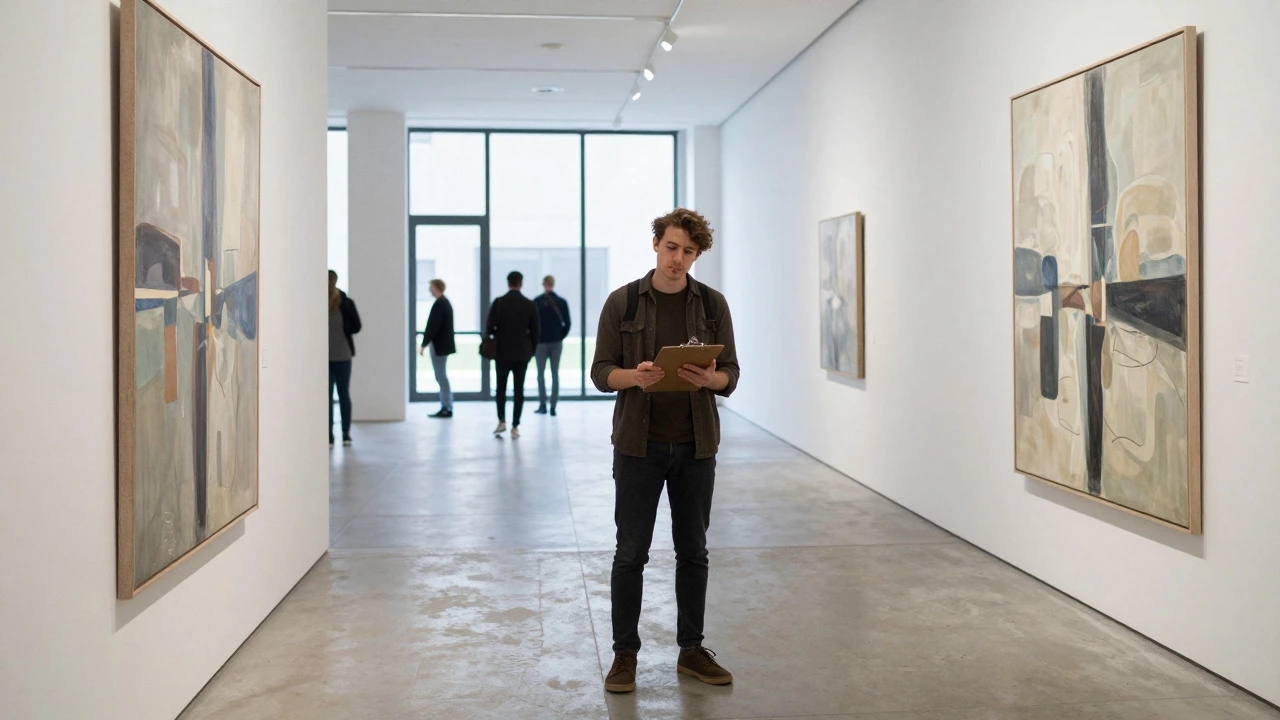
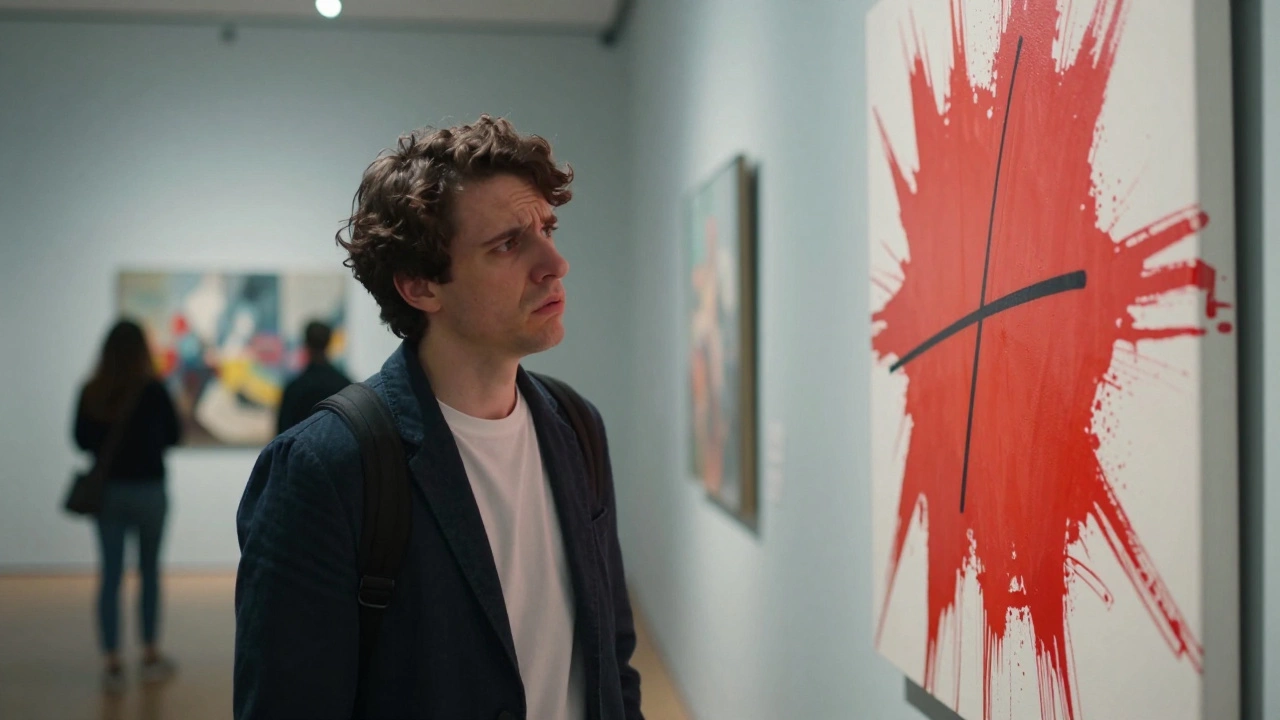
If you’re scrolling through galleries and wonder why some modern pieces feel hard to understand, you’re not alone. The skepticism often comes from the shift away from realistic subjects toward pure ideas. Think of abstract art as a conversation in colour, line, and shape rather than a picture of a scene. Knowing the seven key elements – line, colour, shape, form, texture, space, and value – helps you read that conversation.
Practical Guides for Artists and Buyers
Planning to commission a portrait? In the UK, portrait painter prices vary widely. A beginner might charge £300‑£500 for a small canvas, while an established artist can ask £2,000 or more for a large oil painting. Factors that push the price up include the artist’s reputation, the size of the work, the medium (oil costs more than acrylic), and the detail level. If you’re buying, ask for a detailed quote that breaks down these items – that way you avoid surprise costs.
Getting into sculpture? Pricing a sculpture is a mix of material, size, and the artist’s fame. A bronze piece with intricate detail will cost more than a small wood carving. Look at recent sales in the market to gauge what collectors are paying. Understanding the market helps you set a fair price whether you’re buying or selling.
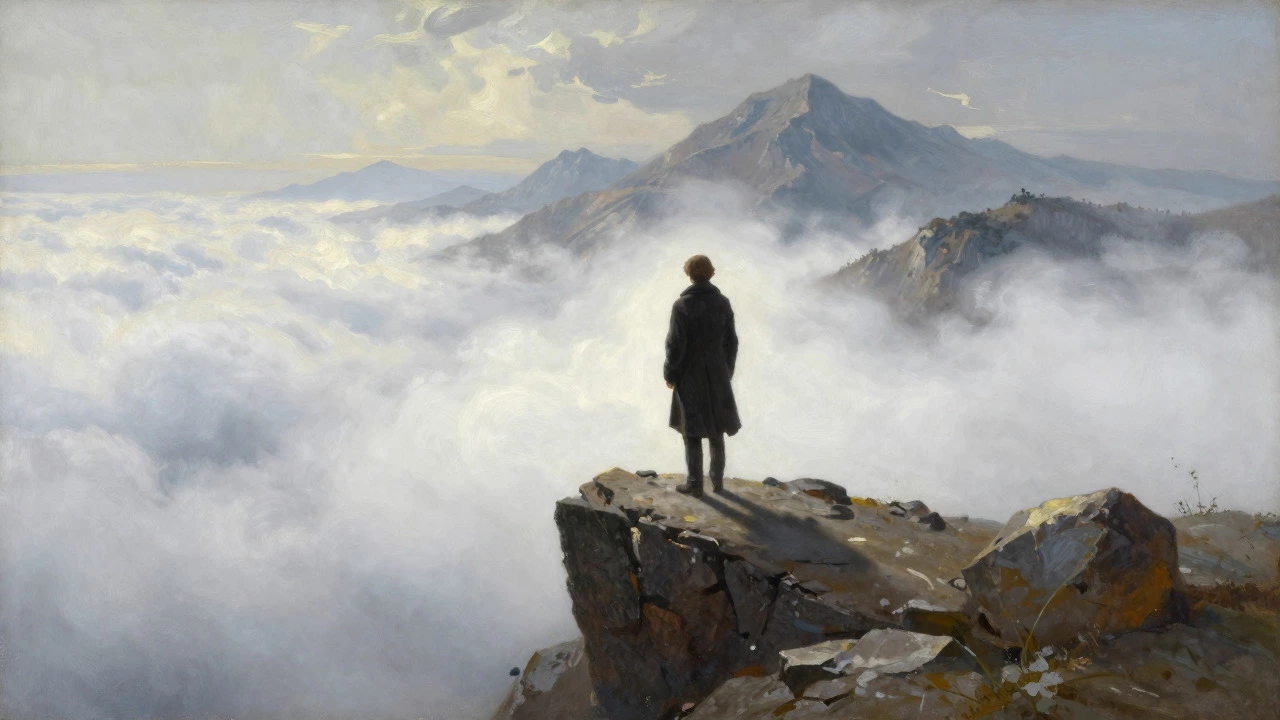
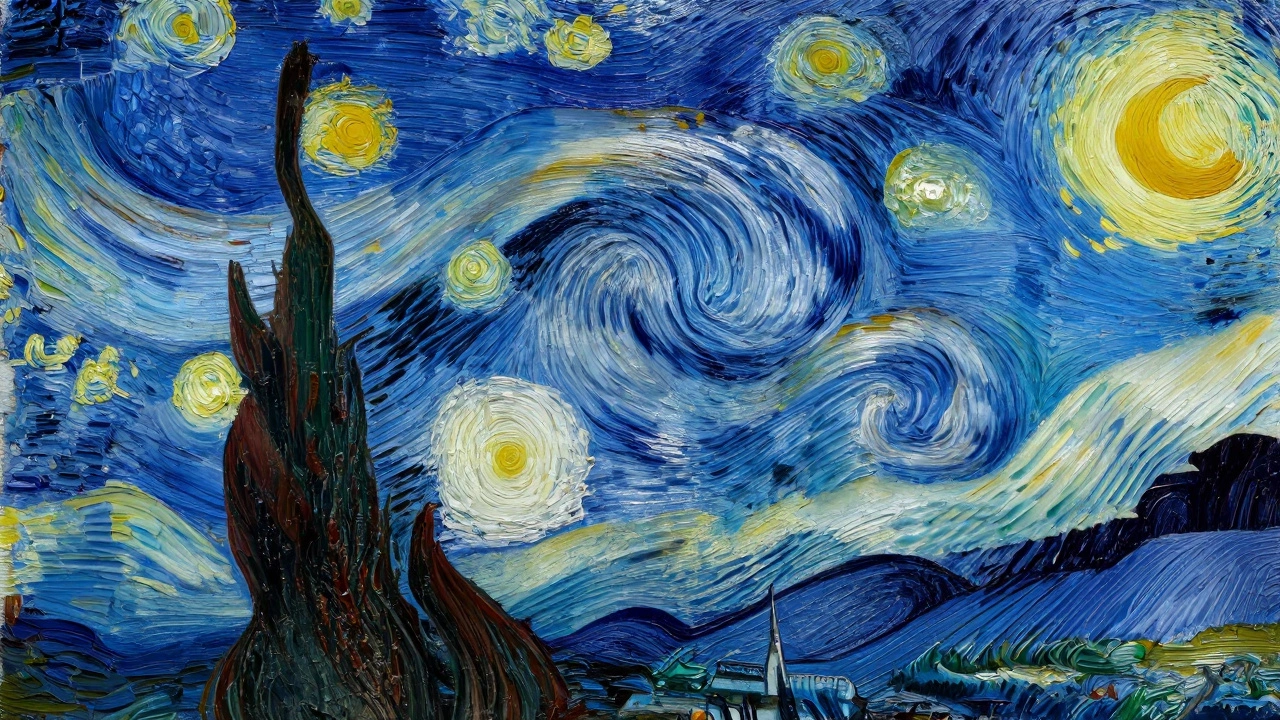
Landscape painters often wonder how to make scenes look real without losing artistic flair. Realism in landscape painting starts with careful observation of light, perspective, and texture. Use thin glazes to build depth and keep your brush strokes loose for natural feel. Studying famous landscape painters like Turner or the Impressionists shows you how to capture mood and atmosphere while staying true to the scene.
Miniature sculptures and tiny art pieces might seem like a niche, but they’re gaining popularity among collectors who love detail in a small format. These works need precise tools and steady hands, but the reward is a piece that fits on a shelf yet tells a big story. If you’re new to this, start with softer materials like polymer clay before moving to metal.
Finally, don’t forget the people behind the art. Female sculptors, for example, have been breaking ground for centuries, offering fresh perspectives and techniques. Following their journeys can inspire your own practice and broaden your view of what sculpture can be.
All these topics – from modern vs contemporary art to practical pricing tips – are covered in our blog posts. Dive into the articles that match your interest, and you’ll walk away with clear, actionable knowledge. No fluff, just what matters for anyone who loves or works with art.
25 Oct 2026
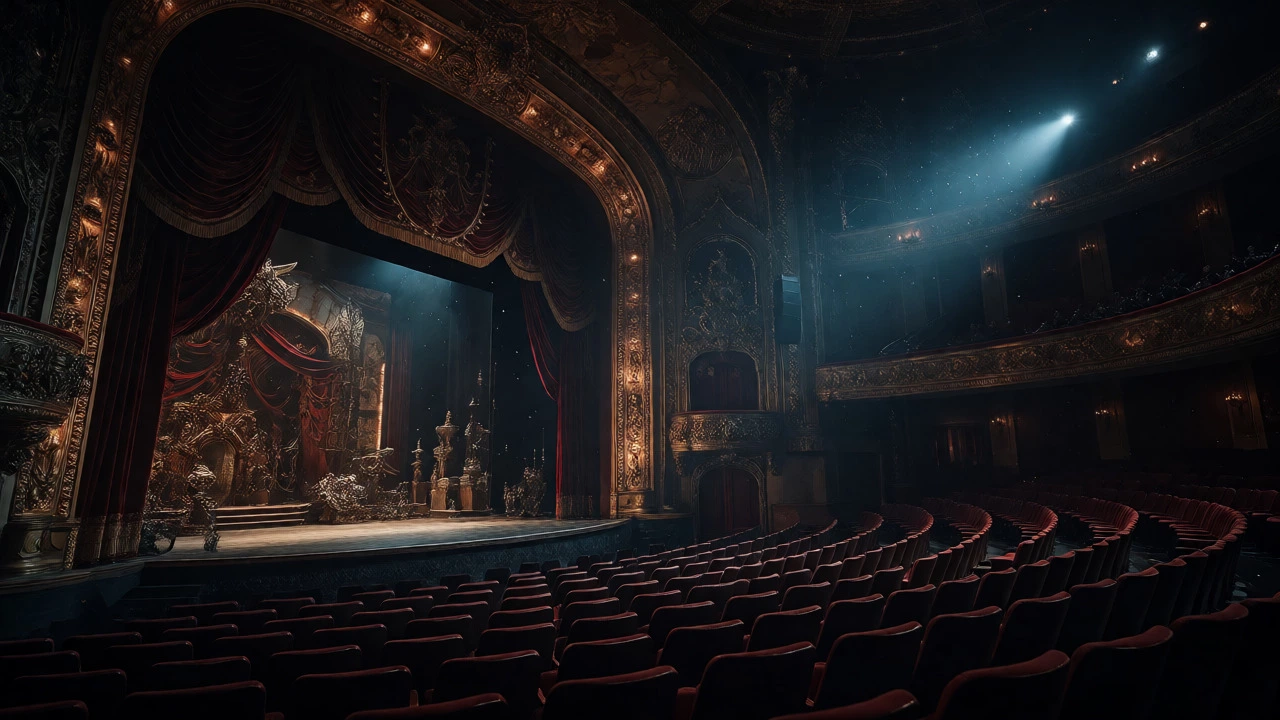
Discover which Broadway show holds the title for the biggest financial disaster. From Spider-Man's $75M gamble to quick-burning closures, learn how theatre economics turn ambition into bankruptcy.
Continue reading...

3 Aug 2026
Learn if you can get sued for copying art. We explain copyright laws, fair use, public domain, and how to legally use art prints for personal or commercial projects.
Continue reading...
27 Jul 2026
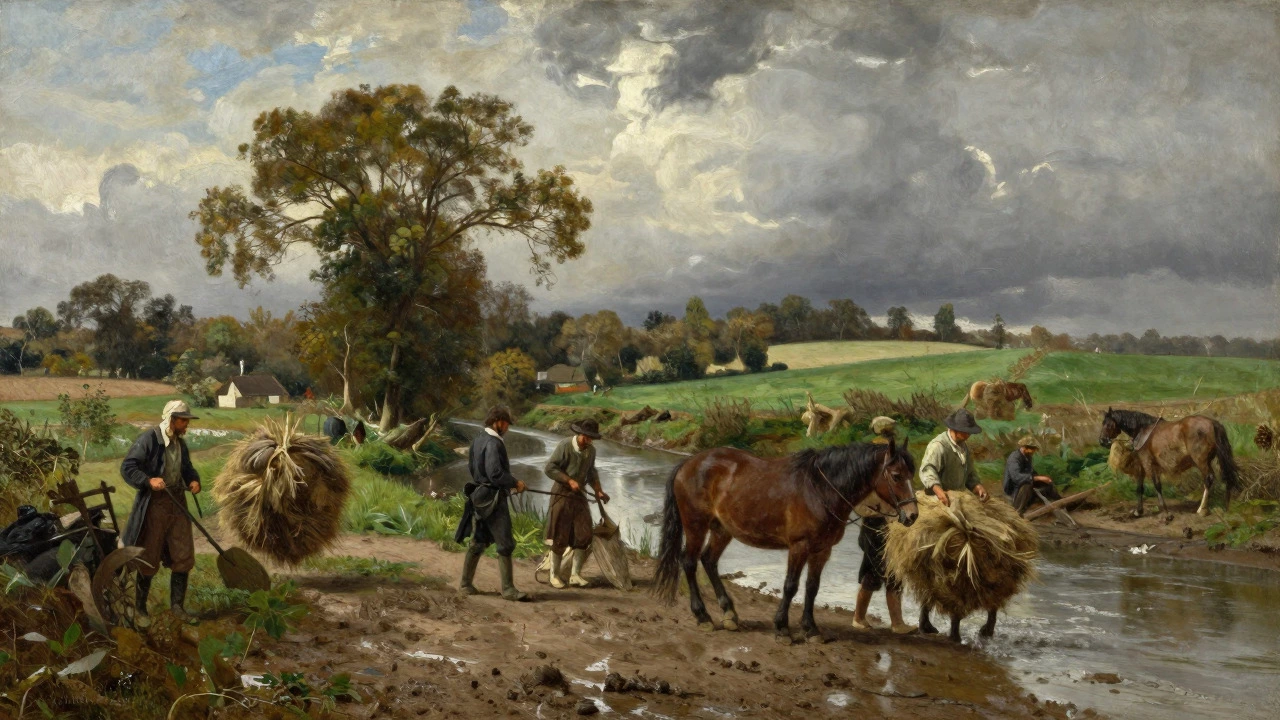
Discover the three main types of landscape art: Realism, Romanticism, and Impressionism. Learn how each style depicts nature differently, from accurate details to emotional drama and fleeting light.
Continue reading...

23 Jul 2026
Discover the 7 traditional areas of art: painting, sculpture, architecture, literature, music, cinema, and performing arts. Learn how each discipline works and choose the perfect workshop for your creative goals.
Continue reading...