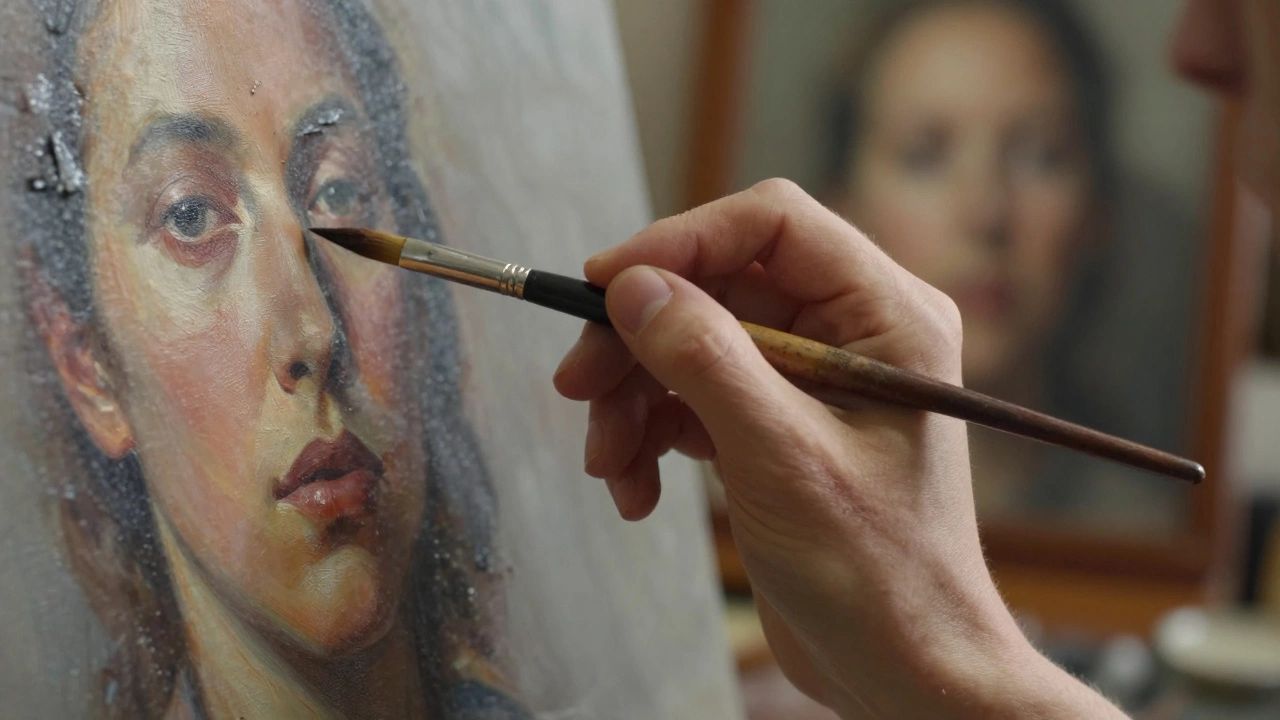
Portrait Proportion Masterclass
This tool visualizes the "Tyranny of Symmetry and Proportion" mentioned in the article. Use your mouse or finger to place features.
Have you ever looked at a photograph of someone you know well and felt an instant connection? Now, imagine trying to recreate that feeling with paint. It sounds straightforward: draw two eyes, a nose, a mouth, add some skin tone, and boom-you have a portrait. But if you’ve ever picked up a brush with this intention, you likely hit a wall almost immediately. The face looks off. The eyes seem dead. The person doesn’t look like themselves.
This frustration is universal among artists, from beginners to seasoned professionals. Portrait painting is widely considered one of the most demanding disciplines in visual art. It isn't just about technical skill; it’s a high-stakes game of observation, psychology, and precision. When you paint a landscape, a slightly misplaced tree branch goes unnoticed. When you paint a person, a millimeter shift in the eye line changes their entire character.
The Tyranny of Symmetry and Proportion
The first hurdle is biological. Human beings are wired to detect faces. We have a specialized part of our brain dedicated to recognizing facial features, which means we are hyper-sensitive to errors in proportion. This is why a portrait can look "right" when viewed upside down but "wrong" right-side up. Our brains fill in the gaps based on expectations rather than reality.
To combat this, painters rely on strict anatomical rules. The average human face follows specific ratios. For instance, the distance between the eyes is typically equal to the width of one eye. The bottom of the nose aligns with the bottom of the ears. The chin sits roughly one-third of the way down from the bottom of the nose to the hairline. Ignoring these landmarks leads to distorted results. However, memorizing these ratios is only half the battle. Every face deviates from the norm. A model might have a wider jaw or higher cheekbones. The artist must balance general anatomical truth with individual specificity.
| Feature | Standard Proportion | Typical Beginner Error |
|---|---|---|
| Eye Placement | Center of the head vertically | Placing eyes too high (top third) |
| Nose Width | Aligns with inner corners of eyes | Making the nose narrower than the eye spacing |
| Mouth Position | One-third below the nose | Placing the mouth too close to the nose |
| Ears | Top aligns with eyebrows, bottom with nose | Drawing ears too low or too small |
The Challenge of Likeness
Getting the proportions right ensures the face looks human, but it doesn't guarantee it looks like the *person*. This is the concept of likeness. Likeness is elusive because it resides in the subtle deviations from perfection. It’s the slight asymmetry of the smile, the unique texture of the skin around the left eye, or the specific angle of the brow ridge.
Many artists fall into the trap of "idealization." They unconsciously smooth out wrinkles, straighten noses, or widen eyes to make the subject more attractive. While this might flatter the subject, it destroys the likeness. A portrait of your grandmother that looks like a supermodel fails its primary purpose. Capturing likeness requires ruthless honesty. You have to paint the sagging eyelid, the uneven teeth, and the age spots. These imperfections are what make the face recognizable.
Furthermore, likeness is often tied to expression. A neutral face can be ambiguous. The moment a person smiles, frowns, or squints, their unique muscle structure reveals itself. Painting a static, neutral expression is technically easier but emotionally flat. Painting a dynamic expression introduces complex challenges in rendering tension in the muscles and shifts in light.
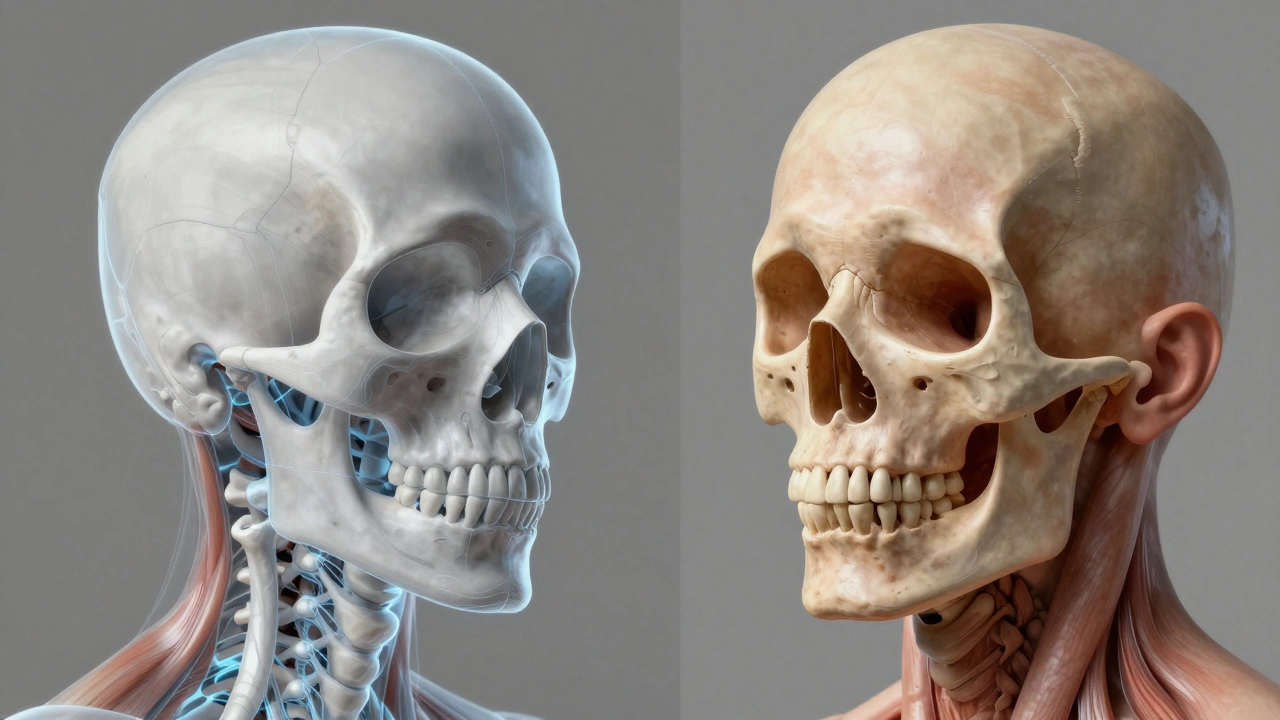
Anatomy Beneath the Skin
A common mistake is treating the face as a flat plane of color. In reality, the face is a topographical map of bone and muscle. Understanding facial anatomy is crucial for creating volume and depth. The zygomatic arch (cheekbone), the mandible (jaw), and the frontal bone (forehead) create the underlying structure that supports the soft tissue.
When light hits a face, it interacts with this structure. High points catch the light; recessed areas fall into shadow. If an artist doesn't understand where the cheekbone sits, they cannot accurately place the highlight. This results in a flat, paste-like appearance. For example, the nasolabial fold (the line running from the nose to the corner of the mouth) isn't just a crease; it’s a structural transition between the mobile upper lip and the fixed lower face. Rendering this requires understanding the underlying muscle movement, not just drawing a dark line.
Muscles also dictate how the face moves. The orbicularis oculi muscle circles the eye, allowing us to blink and squint. When this muscle contracts, it creates radial wrinkles. If you paint these wrinkles without understanding their circular origin, they will look like random cracks rather than natural expressions. This anatomical knowledge allows the painter to predict how shadows will form under different lighting conditions.
The Complexity of Color and Light
Skin is not a single color. It is a translucent layer over blood vessels, fat, and bone. This subsurface scattering causes light to penetrate the skin and bounce back, creating a glow that is difficult to replicate with opaque paints. Beginners often use brown or beige mixes, resulting in muddy, dull skin tones. Experienced painters use a wide palette, including blues, greens, reds, and purples, to capture the complexity of flesh.
Lighting plays a massive role in difficulty. Flat, even lighting reveals every detail but can lack drama. Strong directional lighting creates deep shadows that obscure details but define form. Choosing the right lighting setup is part of the artistic decision-making process. Additionally, the environment reflects onto the face. A blue shirt casts a cool reflection on the neck; a red wall warms the side of the face. Ignoring these reflected lights makes the portrait look isolated and artificial.
Psychological Pressure and Subject Dynamics
Beyond technique, there is the psychological weight of painting another human being. Unlike a bowl of fruit, a sitter has feelings, opinions, and a limited attention span. Maintaining a consistent pose for hours is physically painful. Sitters shift, blink, and change expression. The artist must work quickly enough to capture the essence before the pose breaks, yet slowly enough to refine the details.
There is also the pressure of judgment. The sitter is watching you paint them. They may offer unsolicited advice ("My eyes are bigger than that") or become self-conscious. Managing this dynamic requires emotional intelligence. The artist must build rapport, keep the mood relaxed, and guide the sitter’s expression without making them feel directed. A tense sitter produces a tense portrait. The artist’s ability to manage this interpersonal relationship directly impacts the quality of the work.
Material Limitations and Technical Execution
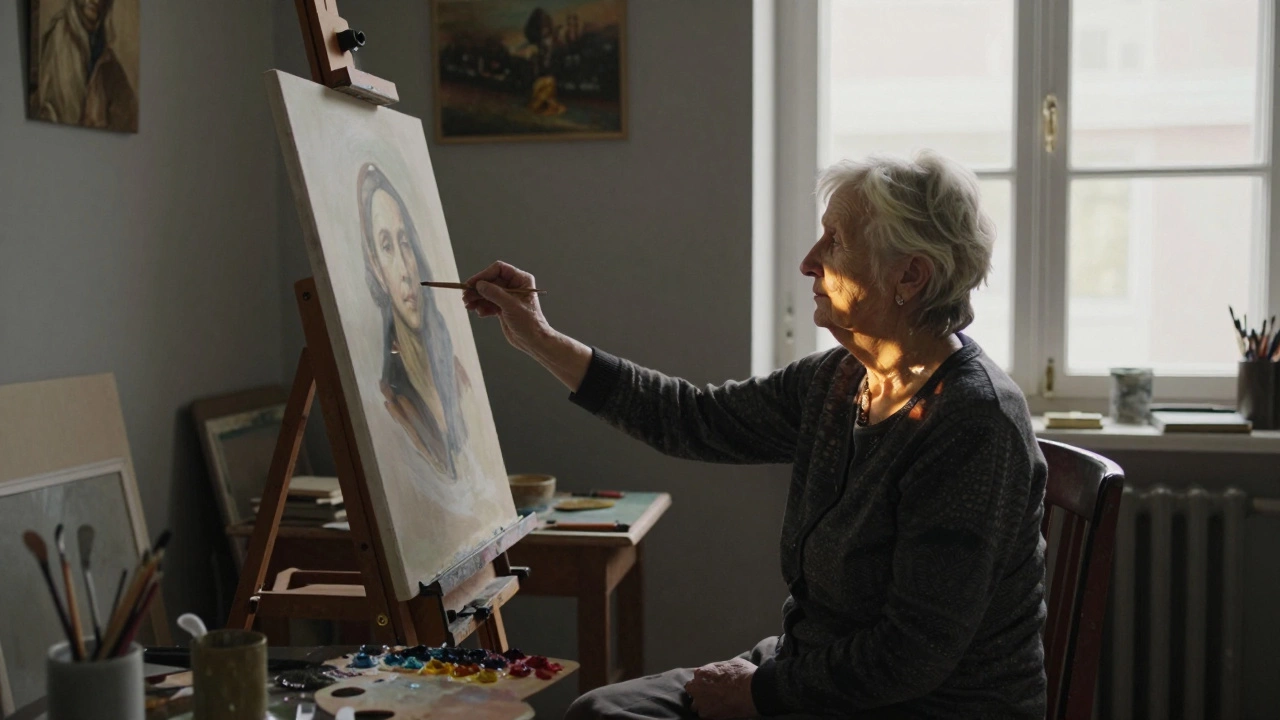
The medium itself presents challenges. Oil paint dries slowly, allowing for blending but risking muddiness if overworked. Acrylic dries fast, requiring speed and confidence but offering less time for correction. Watercolor is unforgiving; mistakes are hard to fix. Each medium demands a different approach to layering and edge control.
Edges are particularly critical in portraiture. Hard edges define sharp contrasts, like the lash line or the rim of the eye. Soft edges blend forms, like the transition from cheek to temple. A portrait with all hard edges looks harsh and cartoonish. One with all soft edges looks fuzzy and undefined. Mastering the variety of edges-lost and found edges-is essential for guiding the viewer’s eye and creating realism.
Conclusion: Embracing the Difficulty
Portrait painting is difficult because it demands mastery of multiple disciplines simultaneously: geometry, anatomy, color theory, psychology, and material science. There is no single trick to bypass this complexity. However, understanding *why* it is difficult helps demystify the process. By breaking down the face into manageable components-proportions, planes, colors, and expressions-artists can tackle each challenge systematically. The goal isn't perfection; it's connection. When the technical hurdles are cleared, what remains is the intimate act of seeing another person and translating that vision onto canvas.
What is the hardest part of painting a portrait?
For most artists, capturing the "likeness" is the hardest part. Getting the proportions right is technical, but making the face look like the specific individual requires noticing subtle asymmetries and unique features that the brain usually ignores.
Do I need to know anatomy to paint portraits?
Yes, basic facial anatomy is crucial. Understanding the underlying bone structure and muscles helps you place shadows and highlights correctly, giving the face volume and three-dimensionality rather than looking flat.
How do I avoid making my portrait look stiff?
Stiffness often comes from over-defining edges or using symmetrical features. Introduce asymmetry, vary your edge hardness (soft vs. hard), and focus on the expression and life in the eyes rather than perfect mechanical accuracy.
What is the best lighting for beginner portrait painters?
Soft, directional light from a large window is ideal. It provides clear shadows to define form without being so harsh that it obscures details or creates extreme contrast that is difficult to mix.
Why do my painted eyes look dead?
Dead eyes often result from missing the specular highlight (the reflection of light) or painting the iris as a flat circle. Remember that the eye is a sphere, so shading should reflect its roundness, and the highlight gives it life and direction.
