Portrait Greatness Calculator
Evaluate a portrait (yours or a master's) by selecting the level of mastery for each essential element described in the article.
1. The Power of the Eyes
Does it have catchlights? Is the gaze aligned? Does it convey emotion?
2. Likeness vs. Essence
Is it just accurate anatomy, or does it capture the 'vibe' and unique quirks?
3. Light and Shadow
Is lighting flat or dramatic (chiaroscuro)? Does it reveal character?
4. Color and Mood
Are there temperature variations in skin tones? Does color set the mood?
5. Composition and Framing
Does the framing create intimacy? Is the background distracting or supportive?
6. Artist’s Interpretation
Are brushstrokes confident? Is there a distinct personality beyond technical skill?
Have you ever stood in front of a painting and felt like the person on the canvas was looking right back at you? It’s not just about getting the nose shape or the hair color correct. A truly great portrait does something deeper. It stops you in your tracks. It makes you feel a connection to someone who might have lived centuries ago, or perhaps just yesterday. But what actually creates that spark? Is it technical perfection? Emotional depth? Or is it a secret ingredient that artists whisper about but rarely explain?
The truth is, a great portrait painting balances two opposing forces: accuracy and interpretation. If it’s too accurate, it becomes a photograph with brushstrokes-interesting, but flat. If it’s too interpretive, it loses the subject entirely. The magic happens in the middle, where the artist captures the essence of a human being through paint, light, and shadow.
The Power of the Eyes
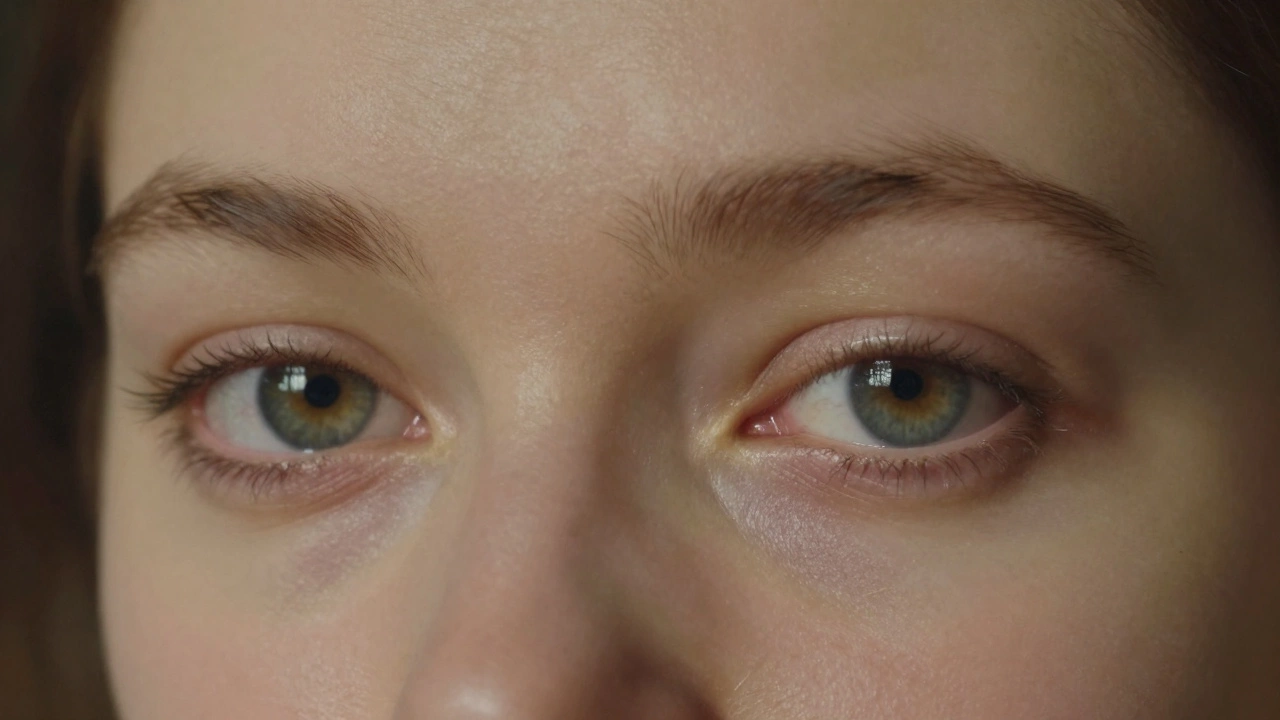
If there is one rule in portrait painting that holds more weight than any other, it is this: the eyes are everything. They say it for a reason. In a realistic portrait, the eyes are often the most detailed part of the entire composition. Why? Because humans are wired to look at faces, and specifically, at eyes. We read emotion, intent, and life from them.
Consider the work of Rembrandt. Look closely at his self-portraits. He doesn’t just paint blue irises and white sclera. He paints the weariness in the lower lids, the sharp focus in the pupil, and the subtle reflection of light that gives the eye its wet, living quality. When an artist gets the eyes wrong, the whole painting feels dead. You can have perfect anatomy everywhere else, but if the gaze is vacant or misaligned, the viewer disconnects immediately.
- Catchlights: Small reflections of light in the eye that indicate where the light source is coming from. Without these, eyes look dull and glassy.
- Direction of Gaze: Does the subject look at the viewer (creating intimacy), away (creating mystery), or down (creating introspection)?
- Detail Level: Often, the eyes receive the sharpest focus and highest contrast in the painting, drawing the viewer’s attention first.
But it’s not just about realism. In expressive portraits, like those by Francis Bacon, the eyes might be distorted or blurred. Yet, they still convey terror or vulnerability. The key isn't necessarily photographic precision; it's emotional resonance. Do the eyes tell the truth about how the subject feels?
Capturing Likeness vs. Essence
There is a common misconception that a good portrait must look exactly like the person. While "likeness" is important, it is secondary to "essence." Have you ever seen a caricature that looks *more* like the person than their passport photo? That’s because the caricaturist exaggerates the defining features-the big nose, the thin lips, the bushy eyebrows-that our brains use to identify that specific individual.
In painting, this translates to understanding proportions and unique characteristics. Every face has asymmetries. One ear might sit slightly higher than the other. The jawline might tilt. A great painter notices these quirks. They don’t smooth them out into generic beauty standards. Instead, they emphasize the structural bones of the face-the zygomatic arches, the brow ridge, the nasal bridge-to build a solid foundation.
Think about how you recognize your best friend from across a crowded room. You probably don’t analyze their facial measurements. You see their posture, their way of holding their head, maybe a specific smile line. A great portrait captures that recognizable "vibe." It answers the question, "Is this really them?" even if the colors are abstracted or the edges are loose.
The Role of Light and Shadow
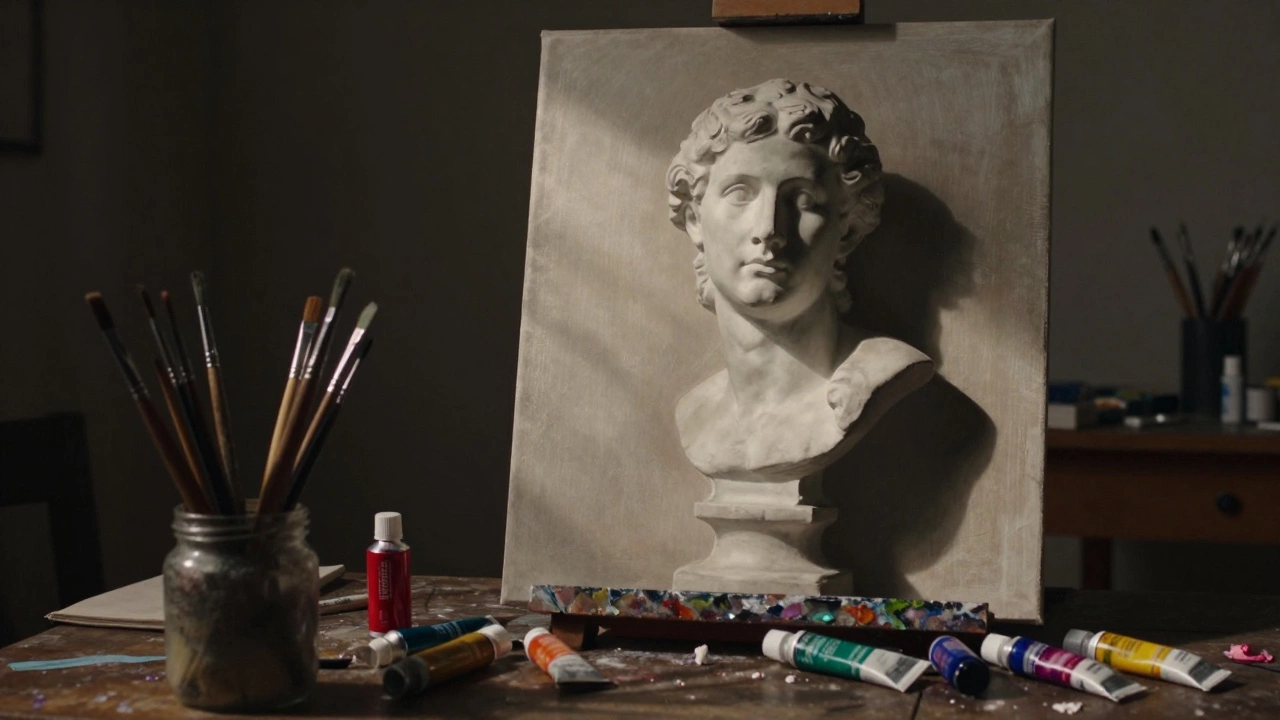
Light is the sculptor’s tool in painting. In a portrait, lighting does more than illuminate; it reveals character. Flat, even lighting tends to make faces look boring and two-dimensional. Dramatic lighting, however, adds volume, mood, and drama.
Artists often use techniques like chiaroscuro, popularized during the Baroque period, where strong contrasts between light and dark create a sense of three-dimensionality. By placing shadows strategically, an artist can hide flaws, emphasize strength, or suggest melancholy. For example, a shadow cast over half the face might suggest duality or hidden thoughts. A soft, diffused light might suggest innocence or gentleness.
When studying a subject, pay attention to the direction and quality of light. Is it hard sunlight creating sharp edges? Is it soft window light creating gentle transitions? Replicating this accurately helps ground the portrait in reality. Even in stylized works, the logic of light must remain consistent. If the light comes from the left, the shadows must fall to the right. Breaking this rule without intention confuses the brain and breaks the illusion of form.
Color and Mood
We often think of skin tones as just shades of pink, brown, or beige. But look closer at a masterful portrait, and you’ll see greens, blues, purples, and oranges hiding in the shadows and highlights. Skin is translucent. Blood vessels lie beneath the surface, and ambient light reflects off nearby objects onto the face. This phenomenon, known as color temperature variation, is crucial for making a portrait feel alive.
A great painter uses color to set the emotional tone. Warm colors (reds, yellows) tend to advance and feel energetic or intimate. Cool colors (blues, greens) recede and feel calm, distant, or somber. Imagine a portrait painted entirely in cool, desaturated tones versus one in warm, vibrant hues. The former might feel lonely or reflective; the latter might feel joyful or passionate.
Don’t be afraid to break traditional skin-tone rules. If the background is a deep red, some of that red will reflect onto the cheeks and forehead. Ignoring this reflected light makes the face look pasted onto the background rather than existing within the same space. Integrating the subject with the environment through color harmony is a hallmark of sophisticated portraiture.
Composition and Framing
How much of the subject do you show? A tight close-up on the face creates intensity and immediacy. There’s nowhere to escape. A full-length portrait tells a broader story about status, occupation, or lifestyle through clothing and setting. A bust-length portrait offers a balance, allowing for hand gestures that can add narrative clues.
The placement of the subject within the frame matters too. Centering the subject can feel formal and static. Off-centering them, following the Rule of Thirds, can create dynamic tension. Also, consider the negative space. What is around the head? A cluttered background distracts from the face. A simple, neutral background focuses all attention on the expression and eyes. However, a carefully chosen background element-a book, a window, a plant-can provide context without stealing the spotlight.
| Style | Focus Area | Emotional Impact | Best Used For |
|---|---|---|---|
| Tight Close-Up | Eyes and Expression | Intimate, Intense, Vulnerable | Capturing raw emotion or psychological depth |
| Bust-Length | Face, Shoulders, Hands | Personal, Engaging, Balanced | Standard portraits, showing gesture and attire |
| Full-Length | Whole Body and Environment | Narrative, Status-oriented, Contextual | Telling a story about lifestyle or profession |
The Artist’s Interpretation
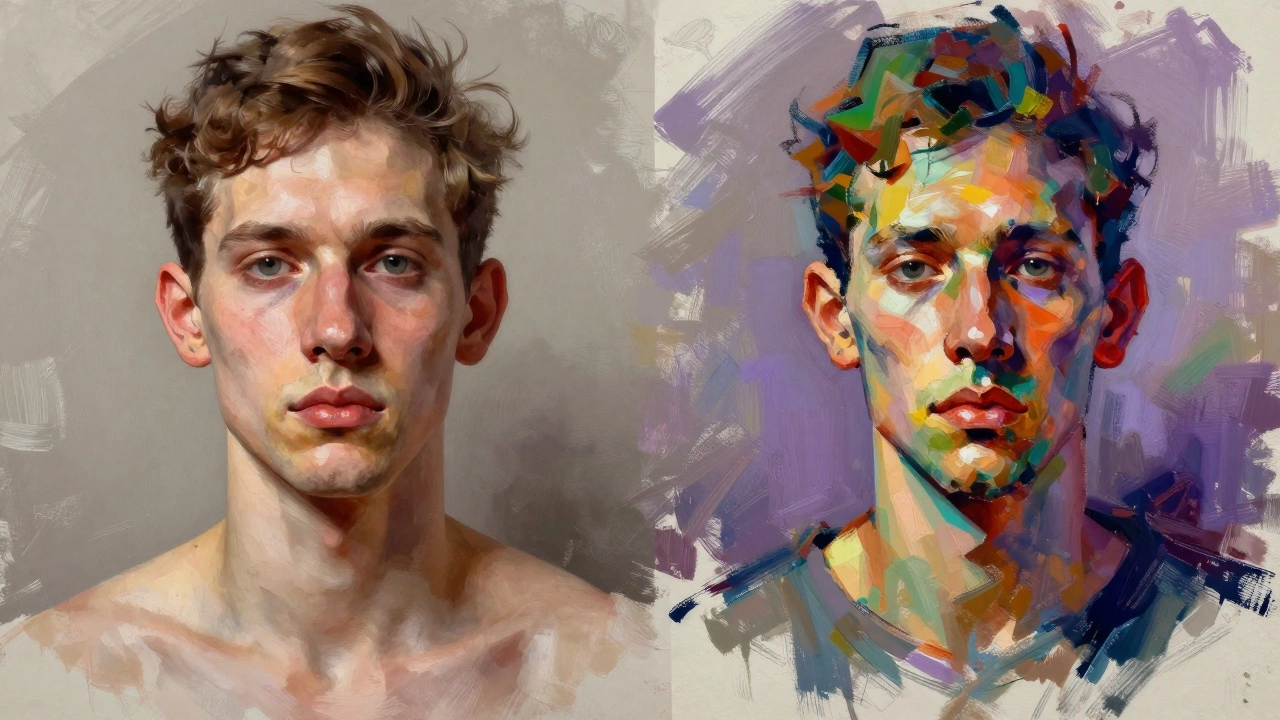
Finally, what makes a portrait great is the unmistakable hand of the artist. Technical skill is the vehicle, but personality is the destination. Two artists can paint the same person and produce two completely different results. One might render every pore and strand of hair (hyper-realism). Another might use broad, sweeping brushstrokes to capture the energy of the pose (impressionism).
Neither is inherently better. The greatness lies in consistency and conviction. If an artist chooses to paint loosely, they must commit to that looseness. Hesitation shows up as muddy colors and undefined forms. Confidence shows up as decisive marks, whether precise or wild. The viewer should sense that the artist made choices, not mistakes.
This subjective layer is what keeps art alive. It invites the viewer to see the world through another person’s eyes. A great portrait is a conversation between the sitter, the painter, and the viewer. It transcends mere documentation. It becomes a piece of history, a snapshot of a soul, preserved in oil, acrylic, or watercolor.
Do I need to paint photorealistically for a portrait to be considered great?
No, photorealism is just one style among many. Greatness in portraiture is defined by emotional impact and effective communication of character. Artists like Van Gogh or Picasso created powerful portraits that were not photorealistic but captured the essence of their subjects through color, form, and expression. The goal is to connect with the viewer, not just replicate a photograph.
What is the most common mistake beginners make when painting portraits?
The most common mistake is focusing too much on details too early, such as drawing the pupils or rendering individual eyelashes before establishing the overall shapes and proportions. This leads to distorted features. Beginners should start with large, simple shapes and values, gradually refining details only after the basic structure and lighting are correct.
How important is the background in a portrait painting?
The background plays a crucial role in directing the viewer's attention. A busy or high-contrast background can compete with the face, causing visual confusion. A simple, low-contrast background helps push the face forward, making it the focal point. However, a well-chosen background can also add context and narrative depth to the portrait.
Can digital painting achieve the same result as traditional oil portraits?
Absolutely. Digital painting allows for similar control over light, color, and texture as traditional media. Many contemporary artists use tablets and software to create portraits that rival the depth and emotion of classical oils. The medium itself does not determine the quality; the artist's understanding of anatomy, light, and composition does.
Why do eyes look "dead" in my portrait paintings?
Eyes often look dead due to a lack of contrast or missing catchlights. Ensure the pupil is darker than anything else in the painting and include small, bright reflections (catchlights) to simulate moisture and life. Additionally, check the alignment of the iris and pupil; if they are not perfectly centered relative to the direction of the gaze, the subject may appear cross-eyed or distracted.
