Art Exhibition Guest List Planner
Exhibition Strategy
Select guests above to generate your strategic analysis.
You’ve spent months preparing. The walls are prepped, the lighting is calibrated, and your artwork hangs exactly where you want it. Now comes the part that makes most artists sweat more than the actual painting: the guest list. Who do you invite? Do you call everyone you know, or keep it exclusive? Get this wrong, and you might end up with an empty room full of awkward silence or a crowded space where no one actually looks at your work.
Inviting the right people isn’t just about filling seats; it’s about building a community around your practice. It’s strategic networking disguised as a party. This guide breaks down exactly who needs an invitation, why they matter, and how to manage the social dynamics so your exhibition feels like a success from start to finish.
The Core Circle: Family, Friends, and Early Supporters
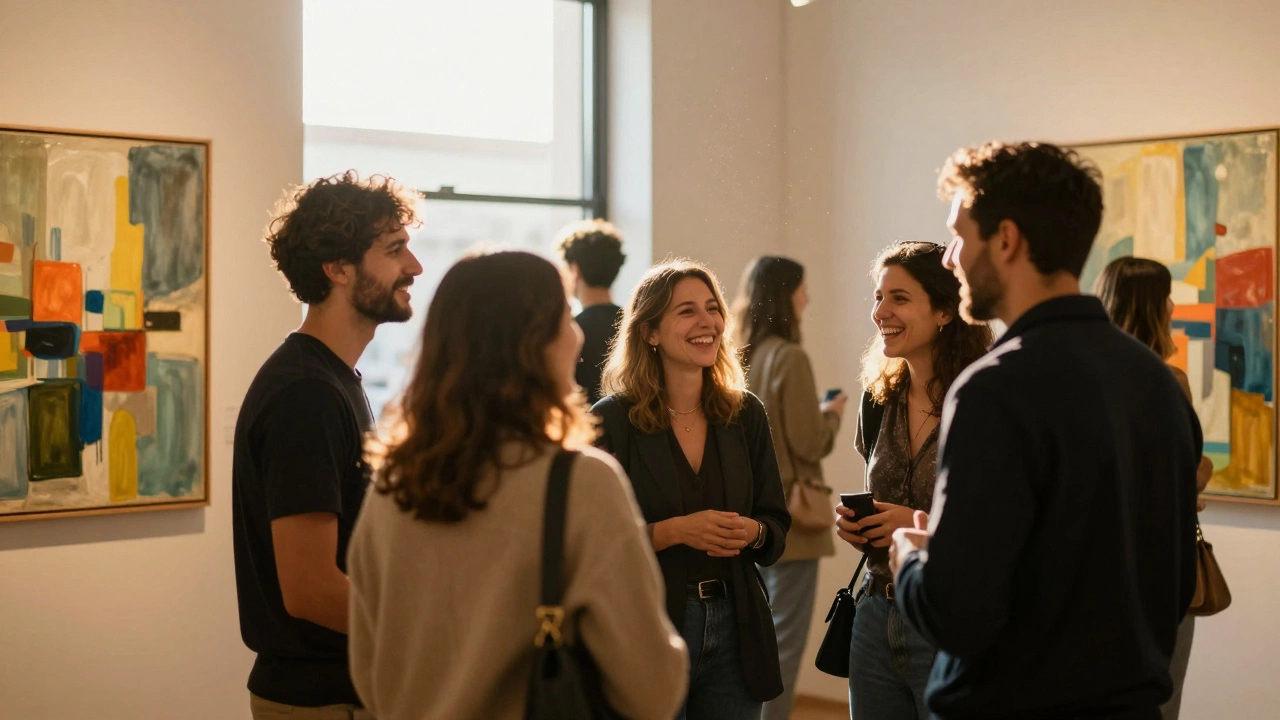
Start with the people who have seen you struggle through the creative process. These are your anchors. They aren’t necessarily there to buy your art-though they often do-but they are there to validate your effort. Their presence creates the initial energy in the room. When strangers walk into an empty gallery, they hesitate. When they walk into a room where people are already chatting and looking at the work, they relax. Your core circle provides that crucial first layer of warmth.
Think about who has supported you during the rough patches. Maybe it’s a partner who tolerated paint-splattered floors for three months, or a friend who listened to you vent about creative blocks. Invite them unconditionally. However, be mindful of their personalities. If someone is notoriously quiet or uncomfortable in crowds, let them know they can leave early. You want genuine engagement, not forced attendance.
- Immediate family: They provide emotional support and often become your biggest cheerleaders on social media.
- Close friends: They help break the ice and create a welcoming atmosphere for other guests.
- Mentors: Past teachers or advisors who have guided your career deserve recognition for their role in your journey.
The Industry Insiders: Curators, Gallery Owners, and Critics
This group is where strategy meets opportunity. You aren’t inviting them just to say hello; you’re inviting them to evaluate your potential as a long-term collaborator. But here’s the catch: these professionals are busy. They receive dozens of invitations a week. To stand out, your invitation needs to be personal and professional. Don’t just blast a generic email. Reference a specific piece of theirs you admire or a conversation you had previously.
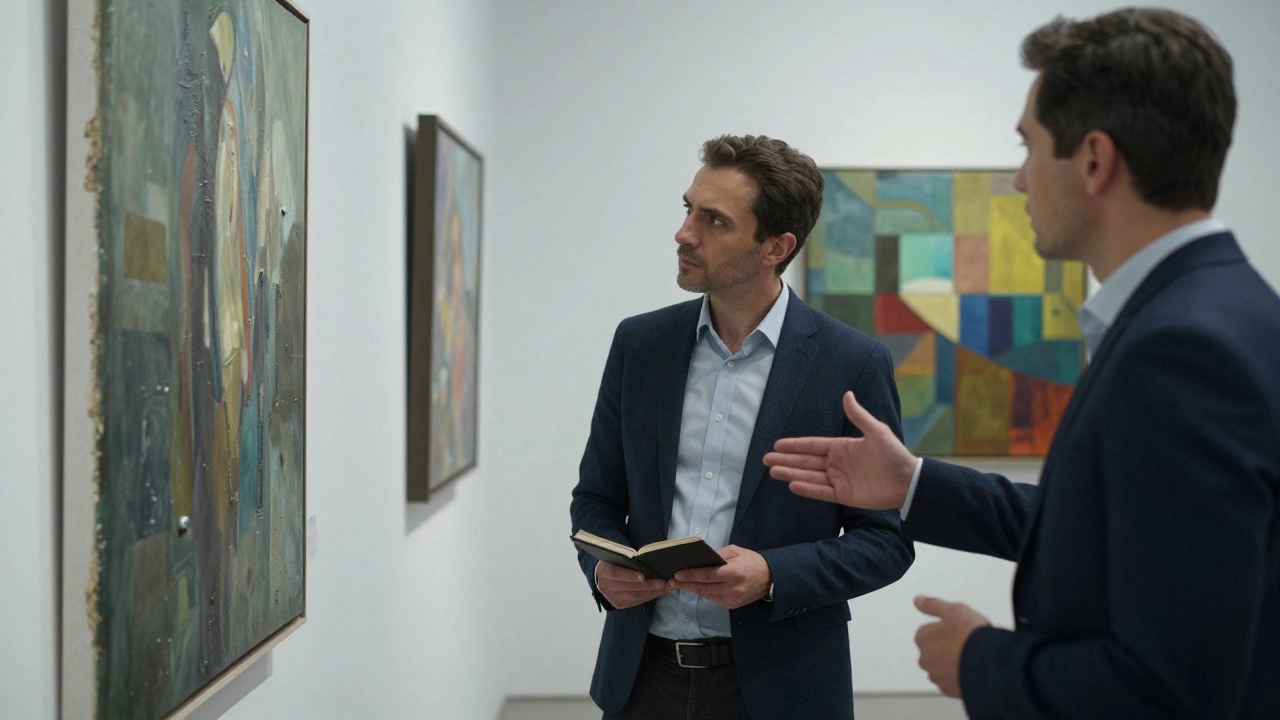
Curators and gallery owners are looking for consistency and narrative. When they arrive, they aren’t just looking at pretty pictures; they’re assessing if your work fits into a larger story they can tell. Make sure your artist statement is accessible and that you can articulate your vision clearly without sounding rehearsed. This is your chance to show that you are serious about your craft and ready for the next level.
Critics and journalists operate differently. They don’t need to be flattered; they need new stories. If your work tackles a unique theme or uses an unconventional medium, highlight that in your invitation. Give them a hook. A critic might write about five exhibitions a month, but only one will make them stop and take notes. Be that one by offering something distinct.
| Role | Primary Interest | How to Engage Them |
|---|---|---|
| Curator | Narrative cohesion and thematic depth | Discuss the concept behind the series, not just individual pieces. |
| Gallery Owner | Sales potential and collector interest | Show confidence in pricing and mention any previous sales or inquiries. |
| Critic/Journalist | Unique angles and cultural relevance | Provide a press kit with high-res images and a clear bio. |
| Collector | Investment value and aesthetic fit | Be available to discuss provenance and future availability of works. |
The Collectors: Current and Potential Buyers
Let’s talk money. An exhibition is also a business event. You need collectors in the room. These aren’t just anyone with cash; they are people who understand the value of art and enjoy the ownership experience. If you have sold work before, those buyers are your top priority. They feel invested in your success and are likely to return for new pieces. More importantly, they bring credibility. When other guests see known collectors admiring your work, it signals that your art is desirable.
For potential collectors, look beyond your immediate network. Think about local business owners, interior designers, and architects. These professions regularly decorate spaces and often seek original art to complete a look. Interior designers, in particular, can be powerful allies. One sale to a designer can lead to multiple installations in hotels, offices, or private homes. Invite them with a note explaining how your work complements modern design trends.
Don’t underestimate the power of peer collectors. Other artists often buy each other’s work. It’s a form of mutual support and keeps capital within the creative community. Inviting fellow artists shows respect for your peers and fosters a collaborative rather than competitive environment.
The Local Community and Cultural Partners
Art doesn’t exist in a vacuum. It thrives in connection with the place it’s shown. In cities like Sheffield, there’s a vibrant network of cultural institutions, universities, and community groups. Inviting representatives from local arts councils, university art departments, and community centers grounds your exhibition in its location. It shows you care about the ecosystem you’re part of.
Students from art schools can be enthusiastic attendees. They bring fresh eyes and critical feedback. While they may not have large budgets, they are future curators, critics, and collectors. Building relationships with them now pays off years later when they enter the industry. Plus, they often share events widely on social media, extending your reach organically.
Local businesses near the gallery should also be considered. If your exhibition is in a neighborhood with cafes, bookstores, or boutiques, invite the owners. They might display flyers, host joint events, or simply send their customers your way. Cross-promotion strengthens the entire area’s cultural vibrancy.
Managing the Mix: Avoiding Common Pitfalls
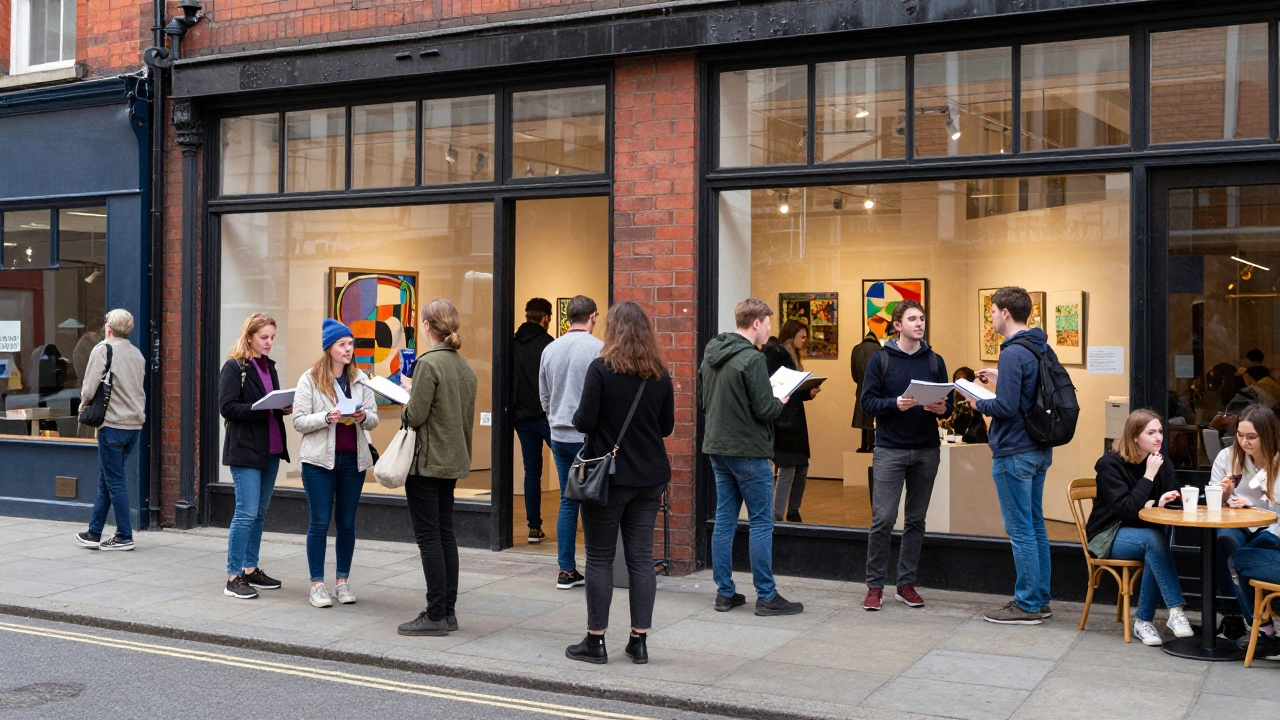
Having the right people is half the battle; managing them is the other half. A common mistake is over-inviting. If your space is small, a packed room becomes claustrophobic and prevents meaningful conversations. Quality over quantity always wins. Aim for a ratio where you can personally greet every guest or ensure your team can facilitate introductions.
Another pitfall is neglecting the “non-art” crowd. Some people feel intimidated by galleries. If you invite friends who aren’t deeply immersed in the art world, prepare them. Send a brief note explaining the themes of the exhibition so they feel confident discussing the work. Their enthusiasm can be contagious and help bridge the gap between high art and general public appreciation.
Finally, consider the timing. Industry insiders often prefer weekday evenings or late afternoons when they can visit without conflicting with major openings. Collectors might prefer weekend slots. If possible, structure your opening to accommodate both, or send tailored invitations based on their schedules. Flexibility shows professionalism.
Follow-Up: Turning Attendance into Relationships
The exhibition ends, but the work doesn’t. Within 48 hours, send personalized thank-you notes. Mention something specific you discussed. Did a curator compliment your use of color? Did a collector ask about a specific technique? Referencing these details proves you were present and engaged, not just going through the motions.
Update your mailing list with new contacts. Segment them by interest: collectors get updates on new works for sale, while critics and curators receive information about upcoming projects. Keep the conversation alive without being spammy. Share behind-the-scenes content from your studio to maintain transparency and connection.
Reflect on what worked. Which guests stayed the longest? Who asked the most insightful questions? Use these insights to refine your strategy for the next exhibition. Every show is a learning opportunity to better understand your audience and strengthen your network.
How many people should I invite to my art exhibition?
There is no fixed number, but aim for a capacity that allows for comfortable movement and conversation. As a rule of thumb, allow 10-15 square feet per person. If your gallery is small, prioritize quality over quantity. A room with 20 engaged guests is better than one with 100 distracted ones. Consider the size of your venue and the type of event (intimate reception vs. large opening) to determine the ideal count.
Should I invite other artists to my exhibition?
Yes, absolutely. Other artists are valuable members of the community. They offer peer support, constructive feedback, and often collaborate on future projects. Inviting them fosters a sense of solidarity rather than competition. Just be mindful of egos and ensure the focus remains on your work while still making guests feel welcome.
What if I don't know any curators or collectors?
Start with research. Visit local galleries, attend openings, and introduce yourself politely. Join online art communities and forums where collectors and curators participate. You can also reach out to university art departments or local arts councils for recommendations. Building these networks takes time, so begin early. Even a single connection can lead to many more through referrals.
Is it okay to invite non-art friends?
It is perfectly fine and often beneficial. Non-art friends bring diverse perspectives and can help normalize the gallery experience for others. They add warmth and relatability to the event. Just prepare them beforehand by sharing some context about your work so they feel comfortable engaging in conversations about the art.
How should I handle RSVPs?
Use a digital tool like Evite or Paperless Post to track responses easily. Set a deadline for RSVPs at least one week before the event to finalize catering and security arrangements. Follow up with gentle reminders to those who haven’t responded. Accurate headcounts prevent overcrowding and ensure you have enough refreshments for all guests.