Art Piece Pricing Estimator
Use this tool to determine a professional price for your work using the standard industry formula: (Hourly Wage × Hours Spent) + Materials.
You've spent months in your studio, your latest series is finally finished, and the work is staring back at you, ready for the world to see. But then comes the wall: how do you actually get your art out of your living room and into a professional space? It feels like there's a secret club with a velvet rope, and you don't have the invite. The truth is, the "gatekeepers" aren't as mysterious as they seem; they just have a specific set of expectations. If you can meet those requirements and present your work professionally, you've already beaten half the competition.
Key Takeaways for Emerging Artists
- Build a cohesive body of work before applying to shows.
- Master the art of the "Open Call" and the formal submission process.
- Focus on high-quality documentation; a bad photo can kill a great painting.
- Network locally to find community spaces and pop-up opportunities.
- Understand the difference between commercial galleries and curated exhibitions.
Preparing Your Work for the Spotlight
Before you send a single email, you need to ensure your work is "exhibition-ready." This doesn't just mean the paint is dry. Curators look for a consistent voice. If you submit five pieces-one abstract landscape, a hyper-realistic portrait, a charcoal sketch of a dog, a digital collage, and a sculpture of a shoe-you look like a student practicing, not an artist with a vision. You need a series.
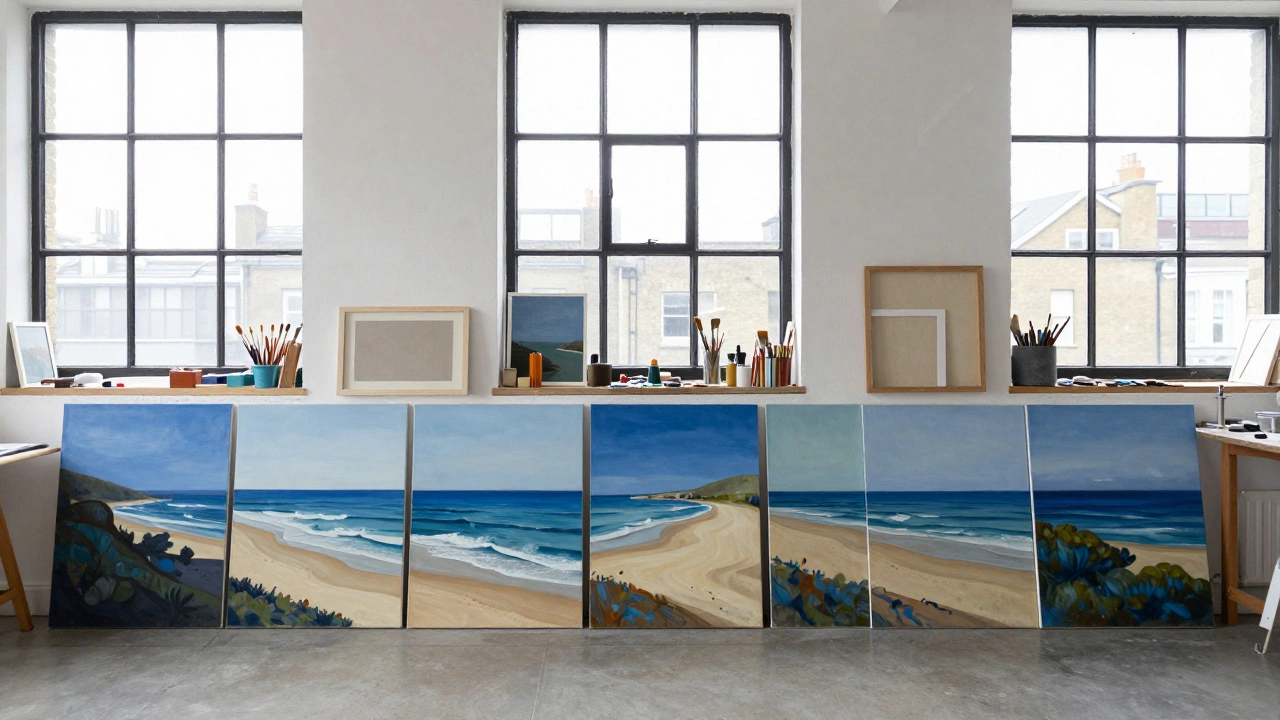
A series typically consists of 8 to 12 pieces that share a common theme, color palette, or conceptual thread. Think of it as a conversation; each piece should add something new to the topic without repeating the same point. If you're painting the coastline of Wellington, don't just paint the same beach twelve times. Show the tide coming in, the storm clouds gathering, and the quiet of dawn. This proves to a curator that you can sustain an idea over time.
Then there's the physical side. Your work must be professionally presented. For painters, this means Framing is the process of enclosing artwork in a protective and decorative border to enhance its presentation and longevity. A raw canvas tacked to a wall looks unfinished. Whether you choose a floating frame or a traditional gallery wrap, the presentation must match the quality of the art. If you're a sculptor, ensure your pedestals are stable and the installation plan is clear.
The Digital First Impression: Portfolios and Documentation
In 2026, your first gallery showing happens on a screen. A curator will likely see your Instagram or your website long before they see your actual work. This is where many talented artists fail: they use blurry photos taken in dim lighting with a phone camera.
You need professional documentation. If you can't afford a pro photographer, invest in a tripod and use natural, indirect light. Avoid using a flash, which creates "hot spots" on oil paint or glass. Crop out the background so the focus is entirely on the artwork. A curator should be able to see the texture of the brushwork and the accuracy of the color.
Your Artist Portfolio is a curated collection of an artist's best work, designed to showcase their style, technical skill, and conceptual range. It shouldn't be a dump of everything you've ever made. Pick your strongest pieces. Organize them logically-either chronologically or by theme. Your website should be clean, fast, and easy to navigate. If a curator has to click through four different menus to find your contact info, they'll probably just move on to the next applicant.

Navigating Open Calls and Submissions
The most direct way to get your foot in the door is through an Open Call is a public invitation for artists to submit their work for consideration in a specific exhibition or competition. These are essentially auditions for art. You'll find them on art blogs, social media, and gallery websites.
When you apply, read the guidelines three times. If the call asks for a 200-word artist statement and you send 500 words, you're telling the curator you can't follow directions. This is an easy way to get disqualified immediately. Your artist statement should avoid "art speak"-those vague, flowery words like "exploring the duality of existence." Instead, be concrete. Tell them what you made, why you made it, and what the viewer is supposed to feel.
Let's look at the different types of venues you can target. Not all exhibitions are the same, and your approach should change based on the goal:
| Venue Type | Primary Goal | Difficulty to Enter | Best Approach |
|---|---|---|---|
| Community Centers | Visibility / Networking | Low | Direct inquiry or local calls |
| Pop-up Galleries | Sales / Trendsetting | Medium | Collaborate with other artists |
| Commercial Galleries | Career Growth / Profit | High | Curated portfolio submission |
| Museums/Public Institutions | Prestige / Legacy | Very High | Curatorial invitation or major competition |
Building Relationships with Galleries
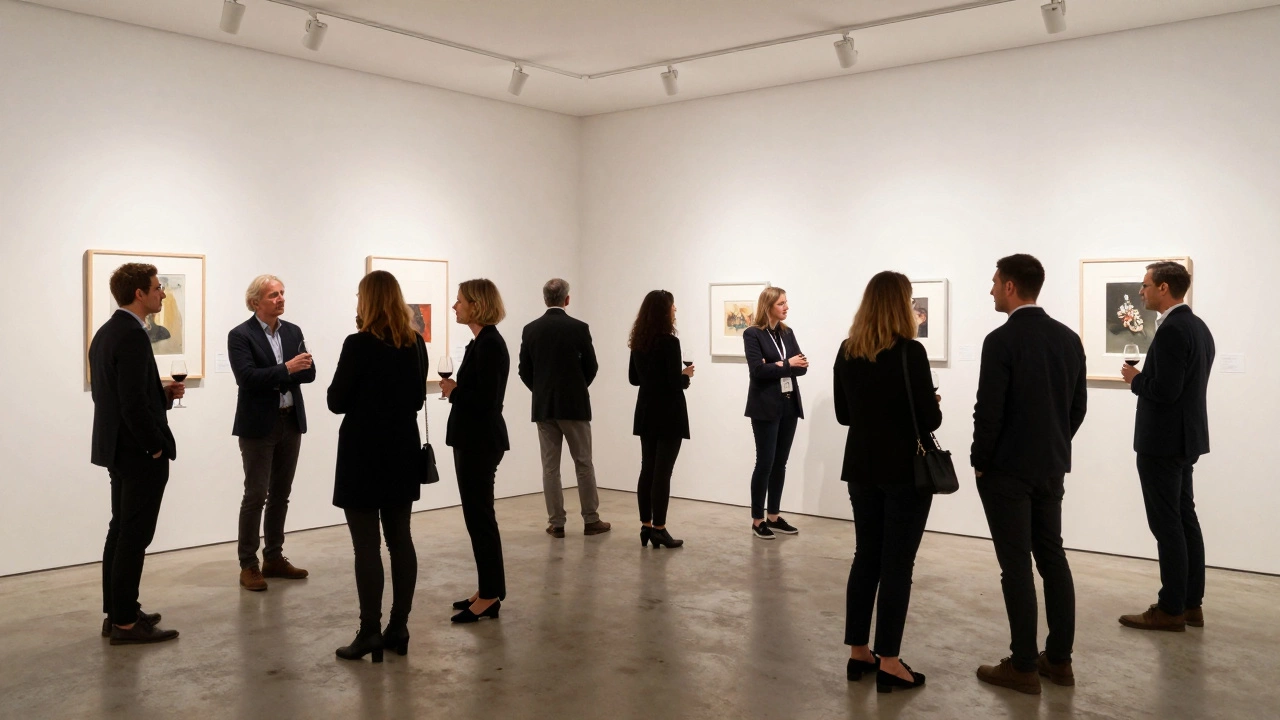
Cold-emailing a gallery with a link to your website rarely works. Gallery owners are bombarded with requests. To get noticed, you need to become a familiar face. Start by attending their openings. Don't walk in and immediately try to pitch your work; that's a huge faux pas. Instead, talk about the artists currently on the wall. Ask the gallery owner about the curation process. Be a genuine part of the art community.
Once you've established a rapport, you can mention your work in passing. "I've been working on a series that explores urban decay in a way that reminds me of the artist you're showing right now." This creates a mental link between your work and the gallery's aesthetic. If they express interest, that's your cue to send a tailored proposal.
A professional proposal is more than just a few images. It should include:
- A clear title for the exhibition.
- A brief conceptual summary (the "why").
- A list of works with dimensions, medium, and prices.
- A timeline of when the work will be completed.
- A simple installation plan if the work is large or complex.
Alternative Paths: DIY and Artist-Run Spaces
You don't always have to wait for someone else to give you permission. The rise of Artist-Run Spaces means that creators are taking control of the means of exhibition. These are galleries or studios managed by artists rather than commercial dealers. They are often more experimental and less focused on immediate sales.
If you have a group of artist friends, consider renting a warehouse space or a storefront for a weekend. This is the "Pop-up" model. You handle the marketing, the hanging, and the wine. The advantage here is that you keep 100% of the sales and you have total creative control. More importantly, you can invite curators and gallery owners to a show where you are already the star, rather than just a name in an inbox.
Another great option is collaborating with non-traditional spaces. Cafes, libraries, and boutique hotels often love to feature local art. While these aren't "high-art" venues, they get massive foot traffic. It's a great way to build a local following and get a feel for how people react to your work in a public setting.
The Logistics of the Show
Once you get the "yes," the real work begins. Many artists forget that an exhibition is as much about logistics as it is about art. You need to consider the Curatorial Process, which involves the selection, organization, and presentation of artworks to create a meaningful narrative or experience. Work with the curator to decide the flow of the room. Where does the viewer start? Which pieces should be placed opposite each other to create a dialogue?
Prepare your labels carefully. A standard label includes the artist's name, the title of the work, the year it was created, the medium, and the price (or "NFS" if it's Not For Sale). Ensure the font is legible and the labels are perfectly aligned. A crooked label can subconsciously make a viewer think the art is also haphazard.
Finally, plan your opening night. This is your best chance to connect with potential buyers and other artists. Wear something that makes you feel confident but doesn't overshadow the art. Be ready to talk about your work, but don't over-explain. Let the viewers have their own experience first, then offer your insight when they ask.
How much should I charge for my art in an exhibition?
Pricing is a mix of math and market research. A common formula for beginners is (Hourly Wage x Hours Spent) + Cost of Materials. Alternatively, you can price by size (e.g., $1.00 per square inch). Look at other artists at your level in similar galleries to ensure you're in the same ballpark. Avoid pricing too low, as it can make the work seem amateur, but don't price yourself out of the reach of your current audience.
What happens if a gallery asks for a commission?
Commissions are standard. Commercial galleries typically take between 30% and 50% of the sale price. This covers their rent, marketing, staff, and the risk they take on your work. If you're selling through a community space, the commission might be much lower or non-existent. Always agree on the commission percentage in writing before you hang your work.
Can I get into a gallery without a degree in Fine Arts?
Absolutely. While a degree can provide a network and technical foundation, galleries care about the work. If your portfolio is strong, your concept is clear, and you present yourself professionally, you can succeed. Many renowned artists are self-taught or come from different professional backgrounds.
How do I handle the transport of my artwork?
Never risk your work by piling it loosely in a car. Use bubble wrap, acid-free paper, and sturdy crates or cardboard boxes. If the work is very large, consider hiring a professional art handler. Make sure you have a clear agreement with the gallery about who is responsible for the work during transport and if there is insurance covering damages.
What should I do if my submission is rejected?
Rejection is a standard part of the artistic process. It often isn't a reflection of the quality of your work, but rather a mismatch with the specific theme or current roster of the gallery. If possible, ask for feedback. If not, keep refining your series and applying to different venues. The key is volume; the more you apply, the higher your chances of success.
Next Steps and Troubleshooting
If you have no work to show yet: Stop searching for galleries and start a "30-day challenge." Commit to producing one piece a day or one large piece a week. You cannot apply for a show with an empty portfolio.
If you're getting ghosted by galleries: Review your documentation. If your photos look like they were taken in a basement, that's your problem. Spend a weekend taking new, bright, clean photos of your work.
If you're an introvert: You don't have to be the loudest person in the room at an opening. Instead, focus on one-on-one conversations. Ask people what they like about the art-people love talking about their own perceptions, and it takes the pressure off you to "sell" yourself.