Art Exhibition Strategy Planner
Define Your Project
Answer these questions to find your ideal exhibition format.
Solo Exhibition
The Artist's Spotlight
Group Exhibition
Collaboration & Competition
Pop-Up Show
Alternative Spaces
Why this works:
Analysis will appear here...
Select Your Parameters
Use the form on the left to analyze which exhibition type suits your needs.
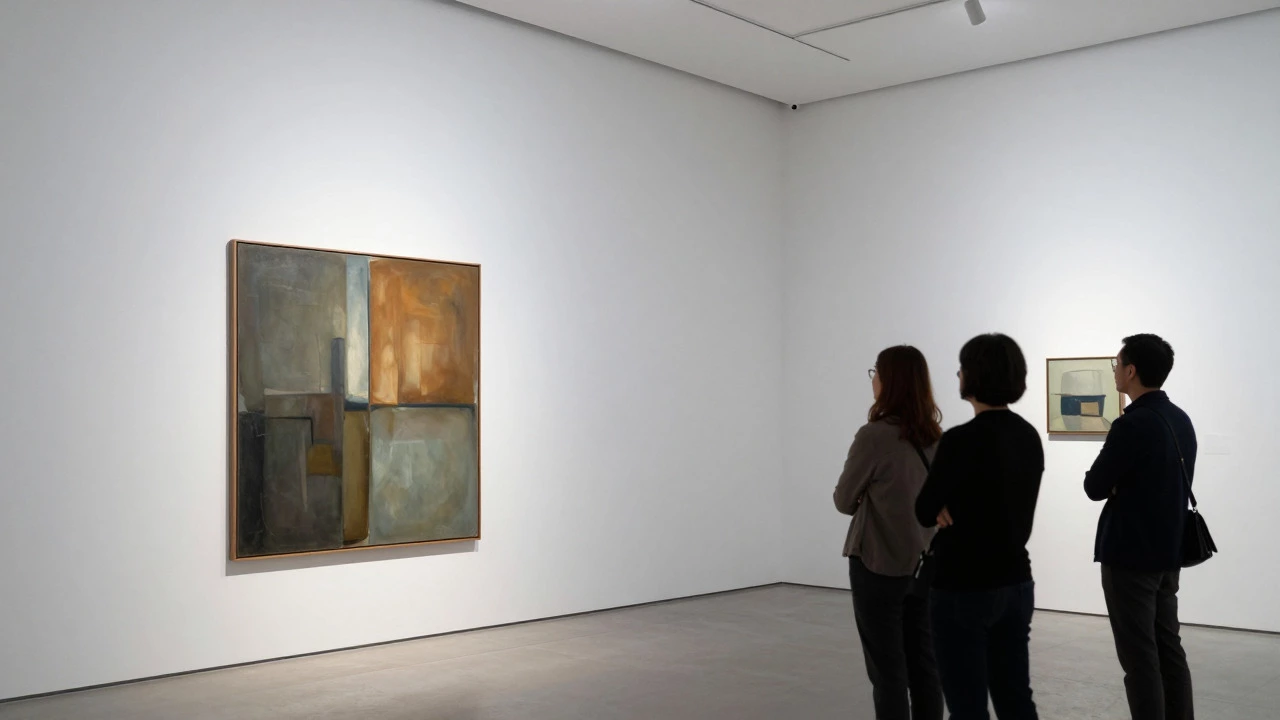
Have you ever walked into a white-walled room, stared at a painting, and wondered how that piece got there? It’s not magic. It’s a specific process with a specific name. When an artist displays their work, the most common term is an exhibition, also known as an show. But that single word hides a whole world of nuance. The type of display changes depending on who is showing the art, where it is shown, and why it is being shown.
If you are an artist looking to get your work seen, or a collector trying to understand the market, knowing the difference between a "solo show" and a "group show" is crucial. It affects pricing, credibility, and audience reach. Let’s break down exactly what these displays are called, how they work, and what they mean for the people involved.
The Core Terminology: Exhibition vs. Showcase
At its simplest level, displaying art is called an exhibitiona public display of works of art. This is the umbrella term used by museums, galleries, and independent spaces alike. You might hear curators use the word "installation" if the work is site-specific or immersive, but for standard paintings, sculptures, or photographs, "exhibition" is the standard.
Sometimes, especially in casual conversation or marketing materials, you’ll see the word "showcase." While similar, a showcase often implies a temporary or promotional intent-like a student thesis show or a trade fair booth. An exhibition carries more weight; it suggests curation, critical thought, and a formal presentation.
Another term you will encounter is "opening night" or "vernissage." This isn’t the display itself, but the launch event. The vernissage is traditionally the evening before the exhibition opens to the general public, allowing collectors, critics, and friends to view the work first. Understanding this vocabulary helps you navigate the social and professional layers of the art world.
Solo Shows: The Artist’s Spotlight
When one artist takes over a space entirely, it is called a solo exhibitionan exhibition featuring the work of a single artist. This is a significant milestone in an artist’s career. Galleries rarely give solo shows to unknown artists without a strong track record because the financial risk falls entirely on one creator’s ability to sell.
In a solo show, the artist has complete control over the narrative. They choose the theme, the color palette, and the flow of the room. For example, if a painter decides to explore grief through monochromatic landscapes, every piece in that solo show should reflect that concept. This cohesion allows critics and collectors to understand the artist’s voice deeply.
Why do artists want solo shows? Credibility. A solo exhibition signals that the artist is established enough to carry a room alone. It often leads to higher price points because the scarcity of the work is emphasized. If you are an emerging artist, landing your first solo show is usually the goal after building a portfolio through smaller venues.
Group Shows: Collaboration and Competition
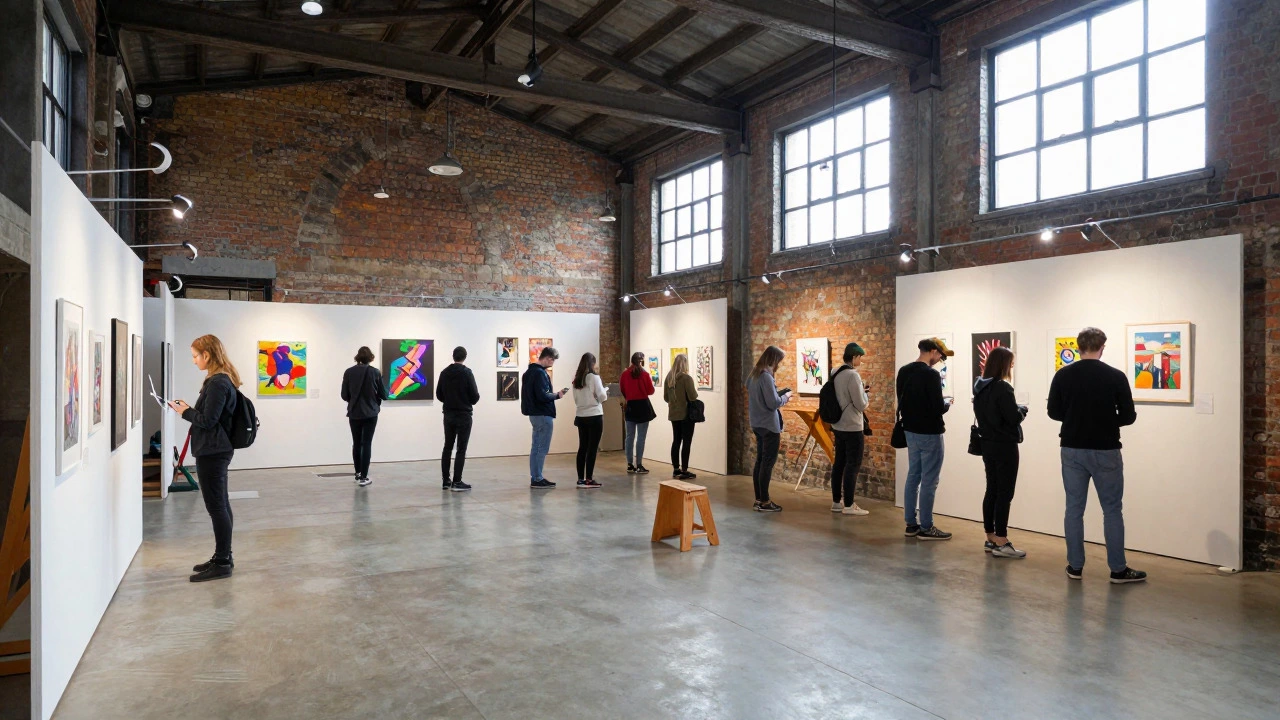
On the other end of the spectrum is the group exhibitionan exhibition featuring multiple artists. These are far more common than solo shows. A group show might feature five artists or fifty, all under a shared theme curated by a gallery owner or museum director.
Group shows are excellent for networking and exposure. If you are new to the scene, getting included in a reputable group show validates your work. It puts you alongside peers, which can lead to collaborations or friendships. However, there is a downside: competition. Your work is sharing wall space with others, so you need to make sure your pieces stand out visually. A small watercolor next to a massive oil painting might get lost.
Curated group shows often have a strict theme, such as "Urban Decay" or "Digital Identity." Artists must submit portfolios, and a jury selects the participants. This selective process adds prestige. If you are invited to a major group show at a well-known institution, it can boost your resume significantly, even if you don’t sell any pieces.

Pop-Ups and Alternative Spaces
Not all art displays happen in traditional galleries. In recent years, pop-up exhibitionstemporary art displays in non-traditional locations have become incredibly popular. These might take place in coffee shops, abandoned warehouses, hotel lobbies, or even shopping malls. The key characteristic is temporality-they last for a weekend, a week, or a month, then disappear.
Pop-ups lower the barrier to entry. Renting a commercial gallery space in cities like New York, London, or Wellington can cost thousands of dollars per month. A pop-up allows artists to test the market, gather email addresses from attendees, and create buzz without long-term leases. They are also great for community engagement because they bring art to places where people already hang out, rather than forcing them to visit a "serious" cultural institution.
Another alternative is the artist-run centera space managed by artists for artists. These are non-profit organizations where artists share resources to host exhibitions. They are less commercial and more experimental, often showcasing work that mainstream galleries might find too risky or niche.
Digital Displays: The Virtual Gallery
With the rise of digital art and NFTs, the definition of displaying work has expanded. A virtual exhibitionan online display of artwork accessible via the internet allows artists to reach a global audience instantly. Platforms like Instagram, ArtStation, or dedicated virtual reality (VR) galleries serve as digital walls.
Virtual shows offer data that physical galleries cannot. You can track how many people viewed a piece, how long they lingered, and where they clicked. This feedback loop helps artists refine their marketing strategies. However, the tactile experience of standing in front of a canvas is missing. For some collectors, the physical presence of art is essential to the value proposition.
Still, digital displays are democratizing access. An artist in a remote town can participate in a global virtual group show without shipping heavy frames across borders. This reduces carbon footprint and logistical headaches, making the art world more inclusive.
Key Differences: Solo vs. Group vs. Pop-Up
| Feature | Solo Exhibition | Group Exhibition | Pop-Up Show |
|---|---|---|---|
| Artist Count | 1 | Multiple | Variable |
| Cost | High (often covered by gallery) | Low to Medium (shared costs) | Low |
| Credibility Boost | Very High | Medium | Low to Medium |
| Audience Reach | Niche, targeted collectors | Broad, diverse crowd | Local, foot traffic |
| Duration | 1-3 months | 1-2 months | Days to weeks |
How to Prepare for Your First Display
If you are planning to display your work, preparation is everything. Whether it’s a solo show or a group submission, follow these steps:
- Define your theme. Don’t just throw random pieces together. Create a narrative. What story are you telling? This coherence attracts curators and keeps viewers engaged.
- Invest in quality photography. Even for physical shows, you need high-res images for press kits, social media, and catalogues. Bad photos make good art look amateurish.
- Price your work consistently. Research comparable artists. Pricing too low devalues your work; pricing too high scares away buyers. Use a formula based on size, medium, and experience.
- Promote early. Start emailing your list and posting on social media at least six weeks before the opening. Build anticipation with behind-the-scenes content.
- Prepare an artist statement. This short text explains your inspiration and technique. Place it near the entrance or include it in the catalogue. It helps viewers connect emotionally with the work.
Frequently Asked Questions
What is the difference between an exhibition and a showcase?
An exhibition is a formal, curated display of art, often in a gallery or museum, implying critical selection and thematic depth. A showcase is generally more informal, temporary, or promotional, focusing on presenting work to a broad audience rather than deep critical engagement.
Is a solo show better than a group show for an emerging artist?
For an emerging artist, a group show is often more accessible and beneficial initially. It provides exposure, networking opportunities, and validation without the high pressure and cost of a solo exhibition. Once you have built a following and a consistent body of work, a solo show becomes the next logical step to establish authority.
What does "vernissage" mean?
Vernissage is a French term adopted by the art world to describe the private preview of an exhibition, usually held the evening before it opens to the public. It is attended by collectors, critics, journalists, and the artist's inner circle, serving as a key networking and sales opportunity.
Can I call my home display an exhibition?
Technically, yes, if it is open to the public or intended for public viewing. However, in professional terms, an exhibition implies a certain level of curation and venue legitimacy. A home display is often referred to as a "studio visit" or "private viewing" unless it is part of a recognized artist-run initiative.
How much does it cost to host a pop-up exhibition?
Costs vary widely based on location and duration. A simple pop-up in a local cafe might cost only $50-$200 for insurance and marketing. A larger warehouse pop-up could run $1,000-$5,000 including lighting, security, and permits. The advantage is that these costs are shared among multiple artists or kept low through non-traditional partnerships.