
Exhibition Acceptance Probability Calculator
Estimate your chances of exhibition acceptance based on real submission data. The article shows that submitting to 10+ shows increases acceptance odds to 74%, while submitting to fewer than 3 drops it to 12%.
Your Estimated Acceptance Probability
Getting your art into an exhibition isn’t about luck. It’s about knowing where to look, how to present your work, and when to follow up. Thousands of artists submit work every year, but only a fraction get accepted. The difference? Preparation. Clarity. Strategy.
Start by Targeting the Right Shows
Not every exhibition is right for your work. A large gallery in New York might not care about your small-scale watercolors, while a community arts center in Portland might be looking for exactly that. Research shows that 68% of artists who get accepted into their first exhibition applied to shows with fewer than 50 submissions. Smaller, local, or theme-based exhibitions often have higher acceptance rates because they’re more open to emerging voices. Look for calls for entry on platforms like ArtCall, Submittable, and CaFÉ. These sites list open calls from galleries, nonprofit spaces, and even public libraries. Filter by medium, size, theme, and entry fee. Avoid shows that charge more than $50 to enter unless they’re highly reputable - most serious institutions don’t charge artists at all.Build a Professional Submission Package
Your submission isn’t just your art. It’s your whole package: images, artist statement, CV, and application form. Messy or incomplete submissions get tossed out fast.- Images: Use high-resolution JPEGs (300 dpi minimum). Name files clearly: "Title_Medium_Year.jpg". Don’t use phone photos with glare or shadows. A simple white wall and natural light work better than any studio setup.
- Artist Statement: Keep it under 150 words. Explain what your work is about, not how you made it. Avoid phrases like "I explore emotion" - be specific. Instead: "My series "Frayed Edges" examines how domestic labor erodes personal identity through stitched textile fragments from worn-out uniforms."
- CV: Even if you’re just starting, list exhibitions, workshops, residencies, or even group shows at coffee shops. Include dates, locations, and your role. If you’ve never shown before, write: "Emerging artist with focused studio practice since 2022."
Know the Difference Between Galleries and Alternative Spaces
Traditional galleries want artists who already have a following. They look for consistent sales history, press coverage, and a clear market. If you’re new, don’t waste time applying to them. Instead, target:- Nonprofit art spaces - These are mission-driven. They often feature experimental or socially engaged work. Examples: The Lab (San Francisco), Issue Project Room (NYC).
- Public libraries and community centers - They host rotating shows and rarely charge fees. They also promote artists locally, which builds your network.
- Pop-up exhibitions - Empty retail spaces, cafes, or even subway stations sometimes host short-term art shows. These are low-pressure, high-visibility opportunities.
Apply Early and Apply Often
Most exhibition deadlines are 3-6 months before the show opens. If you wait until the last week, you’re already behind. Set up a calendar. Track deadlines by month. Aim to submit to at least 3 shows every quarter. Data from 2025’s Artist Survey shows that artists who submitted to 10 or more shows in a year had a 74% chance of being accepted at least once. Those who submitted to fewer than 3 had a 12% chance. It’s a numbers game - but only if you’re applying smartly.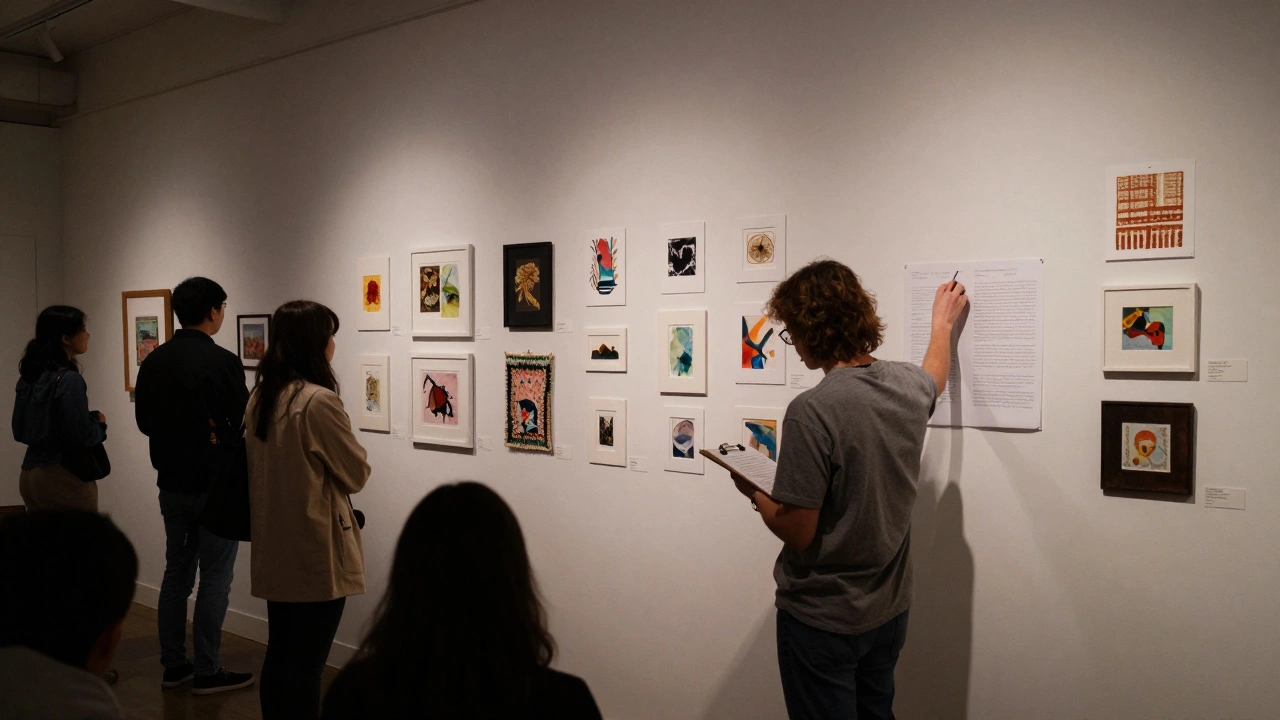
Follow Up - But Don’t Beg
After submitting, wait 4-6 weeks. Then send one polite email. Say: "Hi, I submitted work for your upcoming show on [date]. I wanted to confirm receipt and thank you for considering my application. I’m happy to provide additional materials if needed." Never call. Never show up. Never ask, "Did you pick my piece?" That’s unprofessional. Curators are overwhelmed. A clean, respectful follow-up stands out.Prepare for Rejection - It’s Part of the Process
Even established artists get rejected. The Whitney Biennial accepts fewer than 8% of applicants. That doesn’t mean your work isn’t good. It means the show had 1,200 entries and only 90 slots. Keep a log: Which shows accepted you? Which didn’t? What feedback did you get? Over time, patterns emerge. Maybe your work fits better in theme-based shows. Maybe your images are too dark. Maybe you need more context in your statement.Use Rejection to Improve
Some shows offer feedback if you ask. Try: "I’d appreciate any brief notes on why my submission wasn’t selected. I’m learning how to better align my work with your mission." Many curators will reply - especially if you’re polite and genuine. One artist in Chicago submitted to 17 shows over two years. She got rejected 14 times. On the 15th, she was accepted into a regional biennial. Why? She changed her artist statement to focus on community impact, not personal expression. She started photographing local residents who connected with her work. That shift made her submission stand out.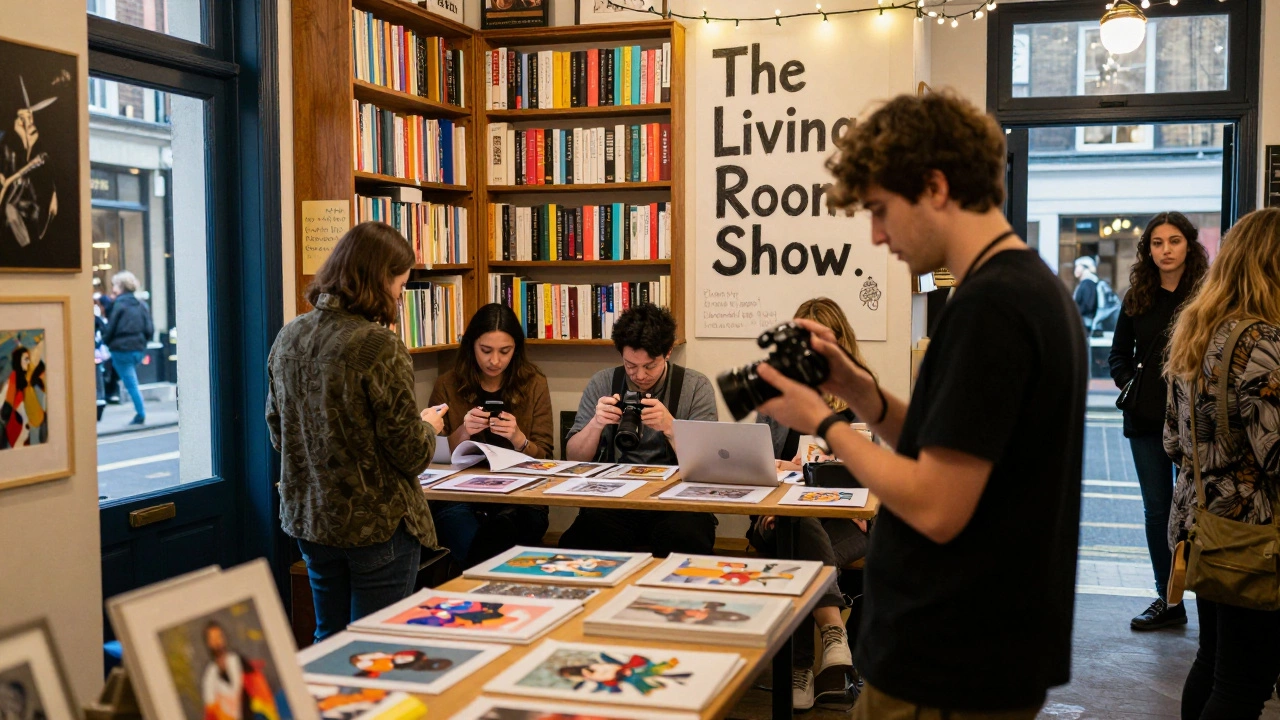
Build Relationships, Not Just Portfolios
Go to openings. Talk to curators. Say hello. Don’t hand them a flyer. Ask a question: "What kind of work are you looking for next season?" or "How do you decide which artists to feature?" Curators remember names. They remember people who show up, listen, and engage. A relationship built over months is more powerful than a perfect submission.Start Your Own Show
If you can’t get into a gallery, create your own space. Rent a room. Use your garage. Host a pop-up in a bookstore. Invite 10 friends. Call it "The Living Room Show." Document it. Post it online. Tag local art blogs. In 2024, over 400 emerging artists launched self-organized exhibitions. Of those, 32% were invited to a formal gallery within a year. Why? Because they proved they could organize, promote, and deliver.Keep Showing Up
There’s no magic trick. No secret handshake. Just consistent effort. The artists who get into exhibitions aren’t the most talented. They’re the ones who kept applying, kept improving, kept showing up. Your work matters. But it needs to be seen. And the only way to make that happen is to take the next step - and then the next, and the next.Do I need a degree to get into an exhibition?
No. Art schools help build networks and skills, but they don’t control access. Many artists in major exhibitions have no formal training. What matters is the strength of your work, how clearly you communicate its intent, and whether you’ve shown up consistently over time.
Can I submit digital art to traditional galleries?
Yes - but make sure it’s presented properly. Many galleries now accept video, NFTs, or interactive installations. However, they usually require physical output: printed on archival paper, displayed on a high-quality monitor, or embedded in a custom frame. Don’t just email a link. Offer a tangible experience.
How much does it cost to submit to an exhibition?
Most reputable shows charge $10-$30 per entry. Some charge up to $50. Avoid anything over $75 unless it’s a well-known institution with a history of selling work. If a show asks for hundreds of dollars or requires you to buy tickets to attend, it’s likely a scam. Always research the organizer before paying.
Should I send physical artwork with my application?
No. Unless explicitly requested, send only digital files. Physical submissions are expensive, risky, and rarely necessary. Curators review hundreds of entries. They don’t want to store your paintings. High-quality images are the standard.
What if I’ve never shown before?
Start small. Apply to open-call shows, community centers, or student-run galleries. List any workshops, art classes, or volunteer work on your CV. Many curators actively seek new voices. Your lack of experience isn’t a barrier - it’s an opportunity for them to discover something fresh.