Gallery Submission Readiness Checker
Submission Checklist
Ideal: 10-12 high-quality images
Ideal: Under 5MB total
Submission Status
Getting noticed by art galleries isn’t about luck. It’s about showing up the right way, at the right time, with work that speaks clearly and confidently. Too many artists spend years sending out random emails, hoping someone will notice. But galleries don’t scroll through hundreds of unsolicited submissions. They look for artists who already have momentum-people who are active, consistent, and professional.
Build a Body of Work, Not Just Pieces
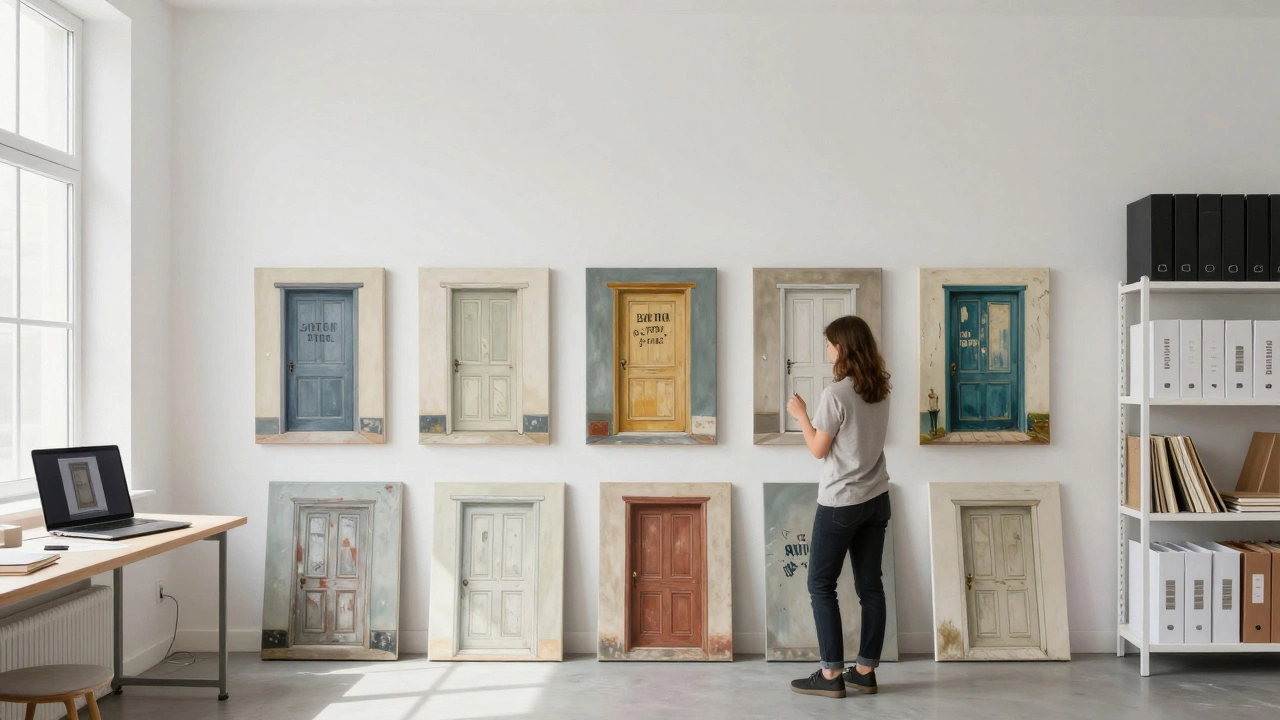
Galleries don’t buy single paintings. They buy a voice. They want to know what you stand for, what your themes are, how your style evolves. A single strong piece might get you a feature in a local zine. But a cohesive series? That’s what opens gallery doors.
Think about it: if you’ve painted 15 pieces in the last year using the same color palette, recurring symbols, and a clear emotional thread-like isolation in urban spaces or memory through texture-you’ve created a narrative. That’s valuable. Galleries can see how your work fits into a larger conversation. They can imagine how it would look on their walls, how it would attract visitors, how it would hold up over time.
Don’t just make art. Make a project. Document it. Shoot high-res photos. Write a short artist statement that explains your focus in plain language. No jargon. No vague metaphors. Say what you mean. If your work explores aging in rural communities, say that. Not ‘I explore the human condition through pigment.’
Show Up Where Galleries Are Looking
Galleries don’t find artists by browsing Instagram hashtags. They find them at openings, at art fairs, in group shows, in local publications. If you’re waiting for a gallery to stumble on your website, you’re waiting too long.
Start small. Apply to open calls at community centers, co-ops, and non-profits. Even if the space is small, get your work in front of people who run galleries. Attend their openings. Talk to them-not to pitch, but to learn. Ask questions: ‘What kind of work are you looking for this season?’ ‘How do you choose artists for your roster?’
Many galleries in New Zealand, like those in Wellington or Christchurch, have open submission periods twice a year. They don’t always advertise them loudly. Check their websites monthly. Sign up for their newsletters. Follow them on Instagram. When they post about an open call, apply immediately. Don’t wait until the last day.
Submit Like a Professional, Not a Fan
Here’s what most artists do wrong: they send a 50MB ZIP file with 30 blurry images, a rambling bio, and no cover letter. Then they follow up in two weeks with, ‘Did you get my email?’
Here’s what works:
- One PDF, under 5MB. No password. No fancy design. Clean layout.
- 10 high-res images. One cover image. Nine supporting pieces. All labeled: ‘Title_Year_Medium.jpg’.
- A 150-word artist statement. Clear. Direct. No fluff.
- A 100-word bio. Where you’re based, where you studied (if relevant), and one line about your focus.
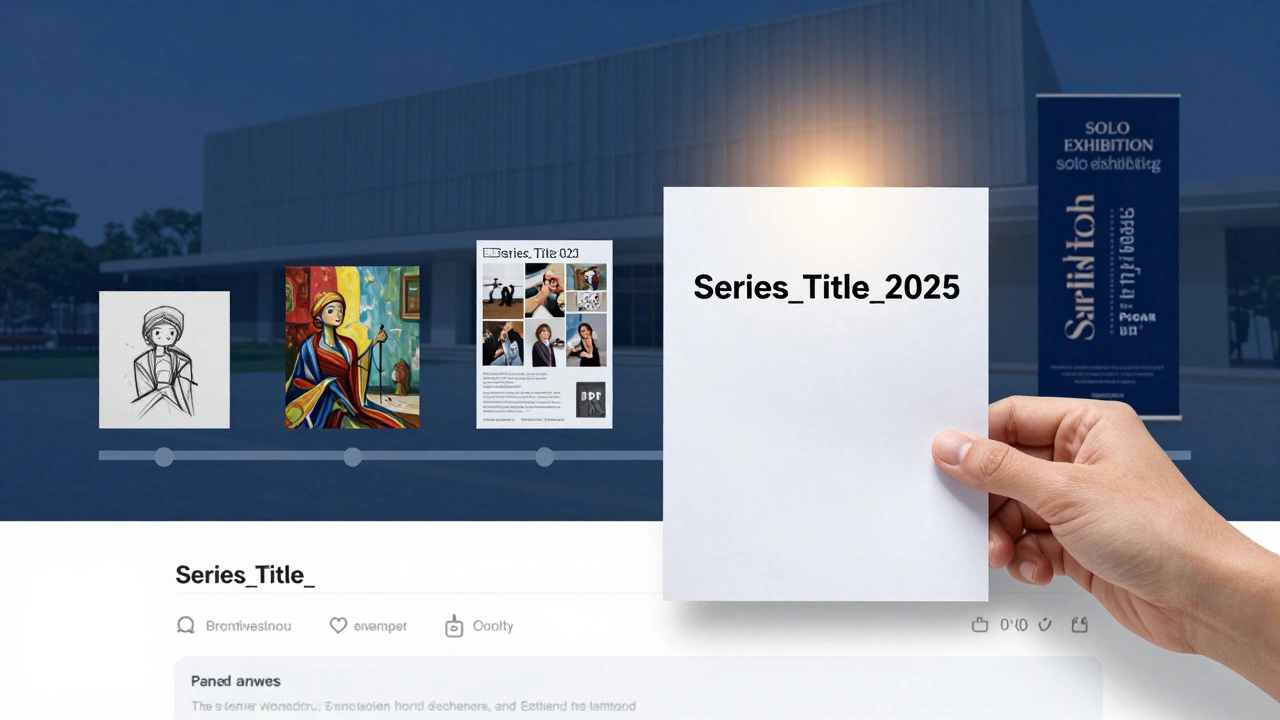
- A short email: ‘Hi [Name], I’m an artist based in Wellington. I’ve been following your exhibitions and admire how you support emerging voices. I’m submitting my current body of work, ‘[Series Title]’, for your consideration. Thank you for your time.’
Don’t attach your CV unless you’ve had solo shows or been published. Don’t send videos unless asked. Don’t mention your Instagram followers. Galleries care about the work-not your online popularity.
Get Into Group Shows First
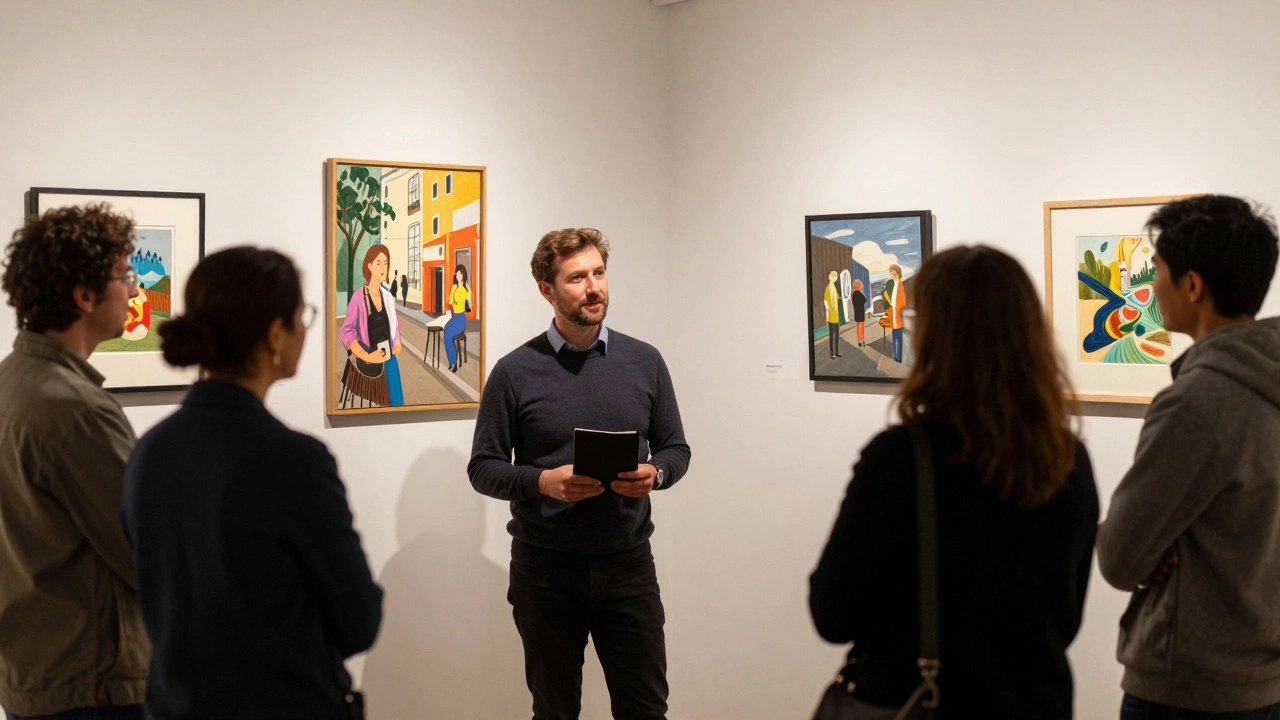
Most galleries won’t take you on solo until you’ve proven you can hold space with other artists. Group shows are your training ground.
Look for curated group exhibitions at local art spaces, university galleries, or artist-run initiatives. Even if you’re sharing a wall with five others, being included signals to galleries that your work has been vetted by someone else. That’s credibility.
When you’re in a group show, make sure your name is spelled right on the wall label. Take photos of your piece in context. Tag the gallery. Thank the curator. Send a thank-you note. These small gestures build relationships.
After your first group show, update your portfolio. Add: ‘Selected for ‘New Voices 2025’, curated by [Gallery Name]’. That one line changes everything.
Know Which Galleries to Approach
Not every gallery is right for every artist. A gallery that shows hyperrealist portraits won’t care about your abstract textile pieces. Don’t waste your time.
Study their past exhibitions. What’s the average size of the work? What materials do they favor? Are they showing emerging artists, or established names? Do they host artist talks? Do they sell work, or just exhibit?
If a gallery’s last three shows were all digital installations, and you paint with oils? Don’t apply. Find galleries that have shown similar work in the past five years. Use their website archive. Look at past press releases. Check if they’ve been featured in Art New Zealand or ArtAsiaPacific.
Small galleries often take more risks than big ones. They’re hungry for fresh voices. Start there. Once you’ve had a solo show at a mid-sized space, bigger galleries will notice.
Be Consistent, Not Just Passionate
Passion doesn’t get you into galleries. Consistency does.
That means showing up every week. Creating, even when you’re tired. Updating your portfolio every six months. Reaching out to one new gallery a month. Responding to emails within 48 hours. Showing up to openings. Following up politely if you haven’t heard back in six weeks.
It also means not giving up after three rejections. Rejection isn’t personal. It’s logistical. Maybe they just had a similar artist. Maybe they’re full for the year. Maybe your work didn’t fit their current theme. That doesn’t mean it’s bad. It means it wasn’t the right fit at that moment.
Keep a log: who you contacted, when, what they asked for, what you sent. Track responses. Over time, patterns emerge. You’ll see which galleries respond quickly, which take months, which never reply. Use that to refine your approach.
Let Your Work Speak, But Be Ready to Talk
When a gallery invites you in for a meeting, don’t just bring your portfolio. Bring your curiosity. Ask about their process. Ask how they support artists after the show. Ask if they offer studio visits or press outreach.
Be ready to talk about your work without sounding rehearsed. Practice saying this: ‘I’m interested in how memory fades over time, and I use layered washes to show that erosion.’ Not ‘I’m inspired by my childhood.’
Galleries want artists who can talk about their own work clearly-not because they need you to be a public speaker, but because they need you to be a reliable partner. They’ll send journalists, collectors, and students to talk to you. If you can’t explain your work in five minutes, they’ll worry you’ll be hard to promote.
It’s a Long Game
There’s no shortcut. No magic formula. No Instagram algorithm that will get you into the Auckland Art Gallery overnight.
But if you build a strong body of work, show up where galleries are, submit professionally, participate in group shows, and stay consistent-you will get noticed. Not because you’re loud. But because you’re reliable. Because your work has depth. Because you show up, again and again, with something worth seeing.
Start today. Not tomorrow. Not next month. Today. Make one new piece. Update your portfolio. Send one thoughtful email. That’s how it begins.
Do galleries accept unsolicited submissions?
Yes, many do-especially smaller and mid-sized galleries. But most have specific submission windows, usually twice a year. Always check their website first. Never send unsolicited packages or large files unless explicitly invited.
How many artworks should I include in my submission?
10-12 high-quality images are ideal. Include one strong cover image and nine others that show range within your current body of work. Avoid including older pieces unless they’re part of the same series.
Should I include prices in my submission?
No. Prices are not part of the initial review. Galleries will ask for pricing separately if they’re interested. Including prices upfront can make your submission look transactional rather than artistic.
How long should I wait before following up?
Wait at least six to eight weeks. Galleries receive dozens of submissions weekly. If you haven’t heard back after two months, send one polite follow-up email. If there’s still no reply, move on.
Can I get into a gallery without a degree?
Absolutely. Most galleries care about the quality and consistency of your work-not your education. Many successful artists have no formal training. What matters is your ability to develop a clear visual language and sustain it over time.