Art Exhibition Budget Calculator
Cost Breakdown
Estimated Total Cost
Breakdown:
- Venue & Logistics: £0
- Materials & Prints: £0
- Labels (at £1/item): £0
- Marketing: £0
- Reception: £0
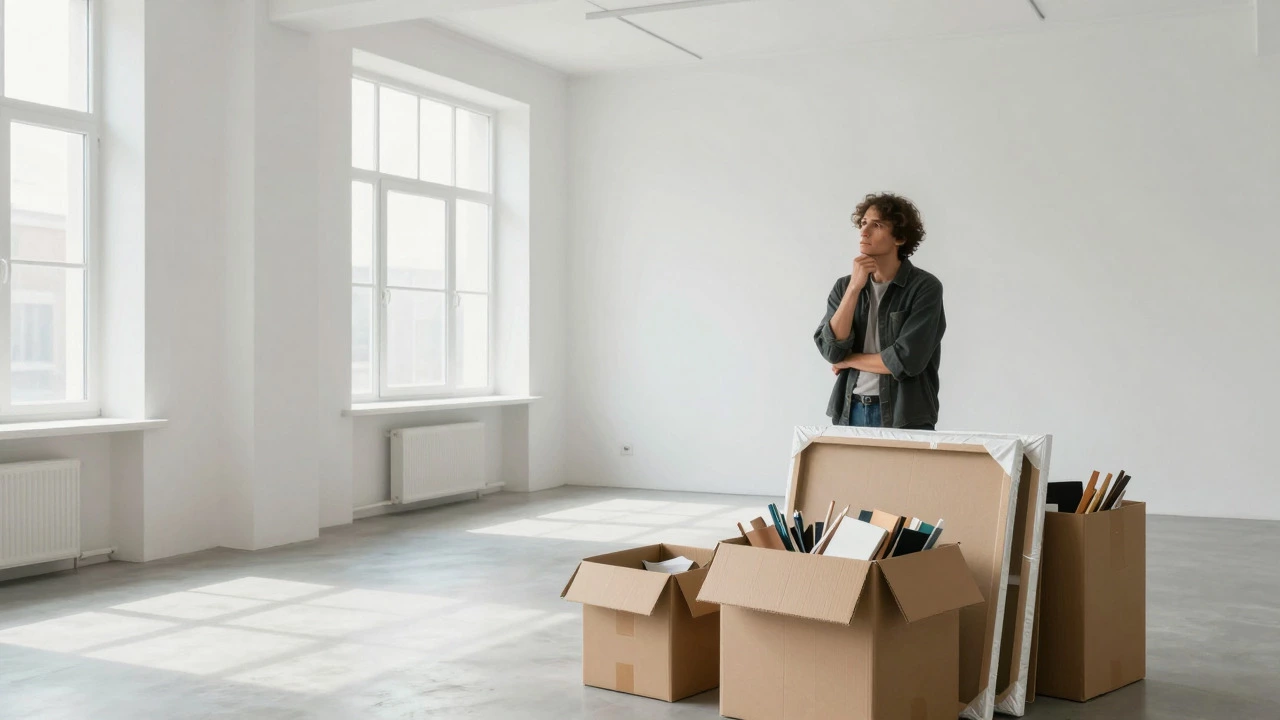
Standing in an empty room with a stack of boxes and a head full of doubt is the universal rite of passage for every artist. You have spent months, maybe years, creating work that feels deeply personal. Now, you want to share it. But the leap from studio to public display is huge. It involves logistics, politics, money, and nerves. If you are wondering how to do your first art exhibition without losing your mind or your savings, you are not alone. This guide breaks down the process into manageable steps, from choosing the right venue to selling your first piece.
The goal isn't just to hang pictures on a wall. It is to create a coherent experience that communicates your artistic voice. Whether you are showing oil paintings, digital prints, or sculptures, the principles of curation and presentation remain the same. Let's walk through how to turn that blank space into a successful showcase of your talent.
Curating Your Body of Work
The hardest part for many artists is editing their own work. You might be tempted to show everything you have made in the last two years. Resist this urge. An exhibition needs a narrative. Think of it like a playlist; if you throw every song you’ve ever written onto one track, it becomes noise. You need a theme.
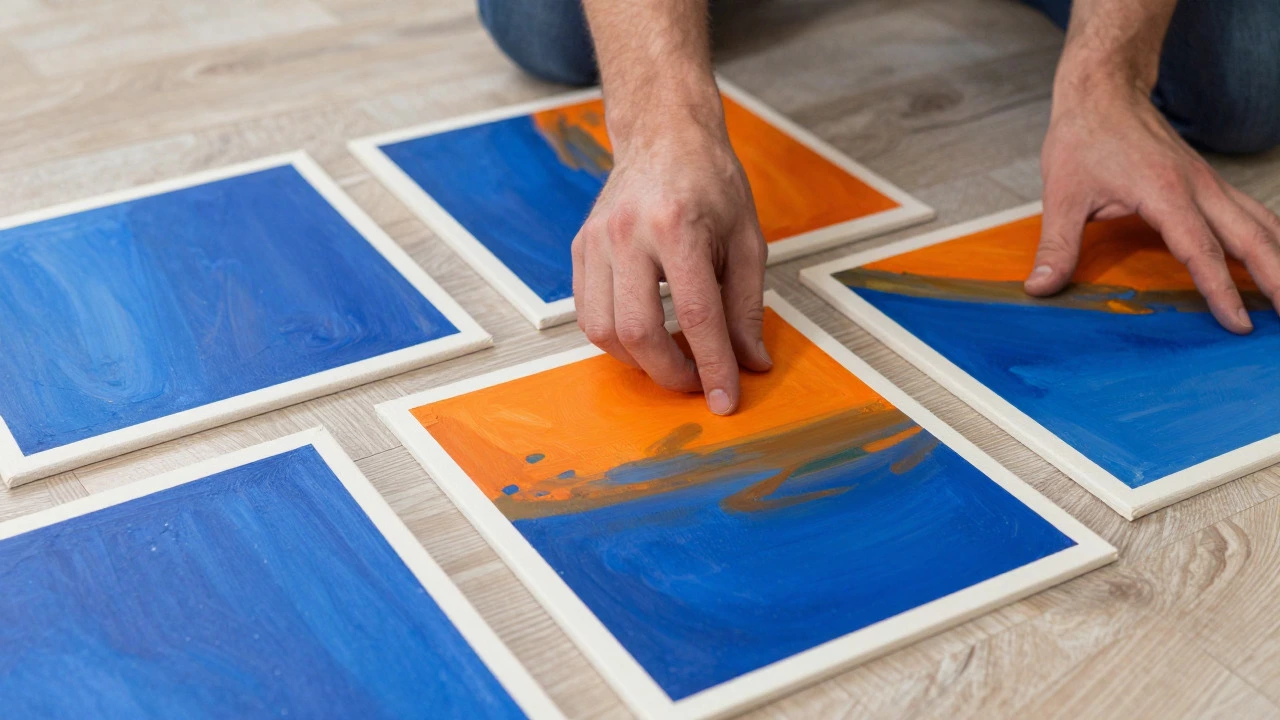
Curation is the process of selecting, organizing, and presenting artworks to tell a specific story or explore a unified concept. For your first show, aim for cohesion. Look at your recent pieces. Do they share a color palette? A subject matter? A technique? Maybe they all deal with memory, or perhaps they all use recycled materials. Grouping works by these shared attributes creates a stronger impact than a random assortment of "best hits."
Select between ten and twenty pieces for a standard solo exhibition. Fewer than ten can feel sparse, while more than thirty can overwhelm the viewer and dilute the focus. Quality always trumps quantity. If a piece doesn't fit the theme, no matter how good it is, leave it out. Save it for the next show.
Finding the Right Venue
Where you show is just as important as what you show. The wrong venue can kill your momentum before it starts. You generally have three options: traditional galleries, alternative spaces, and self-hosted venues.
| Venue Type | Pros | Cons | Best For |
|---|---|---|---|
| Traditional Gallery | Established audience, professional lighting, sales infrastructure | Highly competitive, often takes 40-60% commission, strict curatorial control | Artists with a strong portfolio and local connections |
| Alternative Space (Cafes, Lofts) | Lower cost, creative freedom, community-focused | You handle most logistics, inconsistent foot traffic, variable lighting | Emerging artists building a local network |
| Pop-up / Self-Hosted | Total control, direct sales, low overhead | Requires significant DIY effort, limited reach without marketing | Experimental projects or testing new markets |
If you are new to the scene, consider approaching independent galleries or artist-run centers. These spaces are often more willing to take risks on emerging talent. When proposing a show, send a concise email with your CV, a brief artist statement, and high-quality images of your proposed series. Do not attach heavy files; link to an online portfolio instead. Personalize the message-show them you know their program.
Budgeting and Financial Realities
Let’s talk about money. Many artists assume exhibitions are free because they provide the art. In reality, costs add up quickly. Even if a gallery covers the space, you will likely pay for framing, printing certificates, marketing materials, and possibly a reception. If you are using an alternative space, you might cover the rent entirely.
Create a simple budget spreadsheet. List every potential expense:
- Framing and mounting materials
- Printing of posters, postcards, and labels
- Website updates or social media ads
- Reception food and drinks
- Shipping or insurance (if applicable)
Determine your pricing strategy early. Consistency is key. If a 12x12 inch painting costs £200, a similar-sized piece shouldn’t cost £500 unless there is a clear reason (like gold leaf usage). Use a formula based on size, time, and materials to set fair prices. Remember, the price tag should reflect the value of your labor and expertise, not just the cost of canvas and paint.
Preparing the Space and Installation
Installation day is both exciting and exhausting. The way your work is hung changes how people see it. Eye level is the golden rule. For most viewers, the center of the artwork should be at approximately 145-150 cm (57-59 inches) from the floor. This ensures that people don’t have to crane their necks or look down awkwardly.
Lighting makes or breaks an exhibition. Natural light is beautiful but unpredictable; it can fade colors over time. Artificial track lighting allows you to highlight specific pieces. Avoid glare on glossy surfaces. If you are working with limited resources, use spotlights or even well-placed lamps to draw attention to focal points.
Don’t forget the labels. Each piece needs a small card with the title, year, medium, dimensions, and price (or "inquire for price"). Keep the font clean and readable. Place the label to the right of the work at waist height. This small detail adds professionalism and helps collectors make decisions.
Promotion and Opening Night
An exhibition without visitors is just a storage unit with better lighting. Start promoting at least six weeks before the opening. Use social media consistently. Post behind-the-scenes content: shots of you packing, hanging, or cleaning the space. People love seeing the process. Create an event page on platforms like Facebook or Instagram and encourage friends to share it.
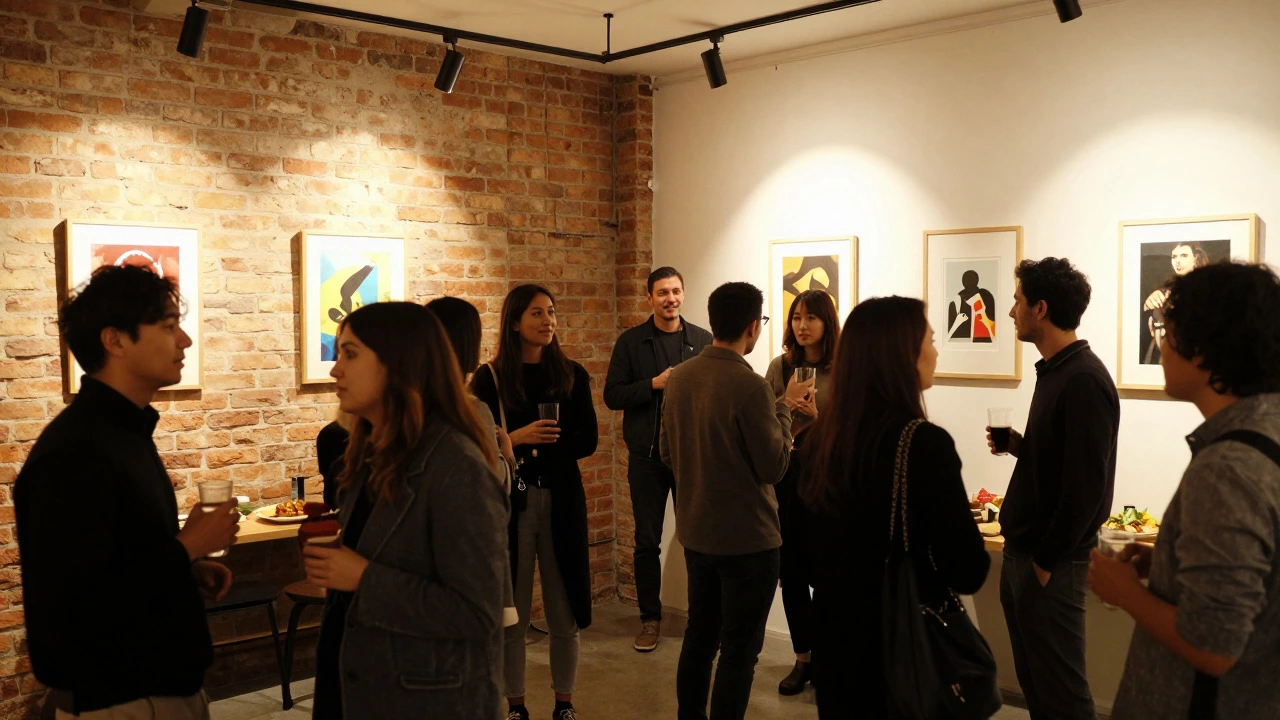
Send physical invitations to local art bloggers, critics, and fellow artists. Handwritten notes stand out in a digital world. For the opening night, keep it simple. You don’t need expensive catering. Finger foods and non-alcoholic beverages are sufficient. The goal is conversation, not a feast.
On opening night, your job is to be present and approachable. Stand near the entrance to greet guests. Be ready to talk about your work, but also listen. Ask people what they see. Their interpretations might surprise you. Collect email addresses of interested buyers. Follow up within 48 hours with a polite thank-you note and details on how to purchase any pieces they liked.
Post-Exhibition Reflection
After the crowds leave and the walls are bare, take time to reflect. What worked? What didn’t? Did you sell anything? If not, why? Was the pricing too high? Was the location wrong? Use this feedback to improve your next show. Document everything with photos. These images will serve as your portfolio for future proposals.
Your first exhibition is a milestone, not a finish line. It establishes your presence in the art community and proves to yourself that you can execute a complex project. Embrace the imperfections. Every mistake is a lesson that makes you a stronger artist and organizer.
How much does it cost to host a first art exhibition?
Costs vary widely depending on the venue. A self-hosted pop-up might cost between £200 and £500 for materials and refreshments. Renting a small alternative space could range from £500 to £2,000. Traditional galleries rarely charge artists upfront but may take a 40-60% commission on sales. Budget carefully for framing, marketing, and installation supplies.
Do I need an agent for my first show?
No, most agents represent established artists with consistent sales records. For your first exhibition, you act as your own manager. Handle your own promotion, sales, and logistics. As your career grows and demand increases, you can consider seeking representation.
What should I include in my artist statement?
Your artist statement should explain who you are, what you create, and why. Keep it concise, around 200-300 words. Avoid jargon. Focus on your themes, influences, and the emotional or conceptual core of your work. It helps viewers connect with your art on a deeper level.
How do I price my artwork for the first time?
Use a formula that accounts for materials, labor, and size. A common method is (Hourly Wage x Hours Spent) + Cost of Materials. Then, adjust based on market research of similar artists in your area. Ensure consistency across your body of work so collectors understand your value structure.
Can I exhibit if I am not a fine artist?
Absolutely. Art exhibitions welcome diverse mediums, including photography, sculpture, digital art, craft, and mixed media. The key is presentation and curation. Treat your work with the same professionalism regardless of the medium.
