Art Copyright & Public Domain Calculator
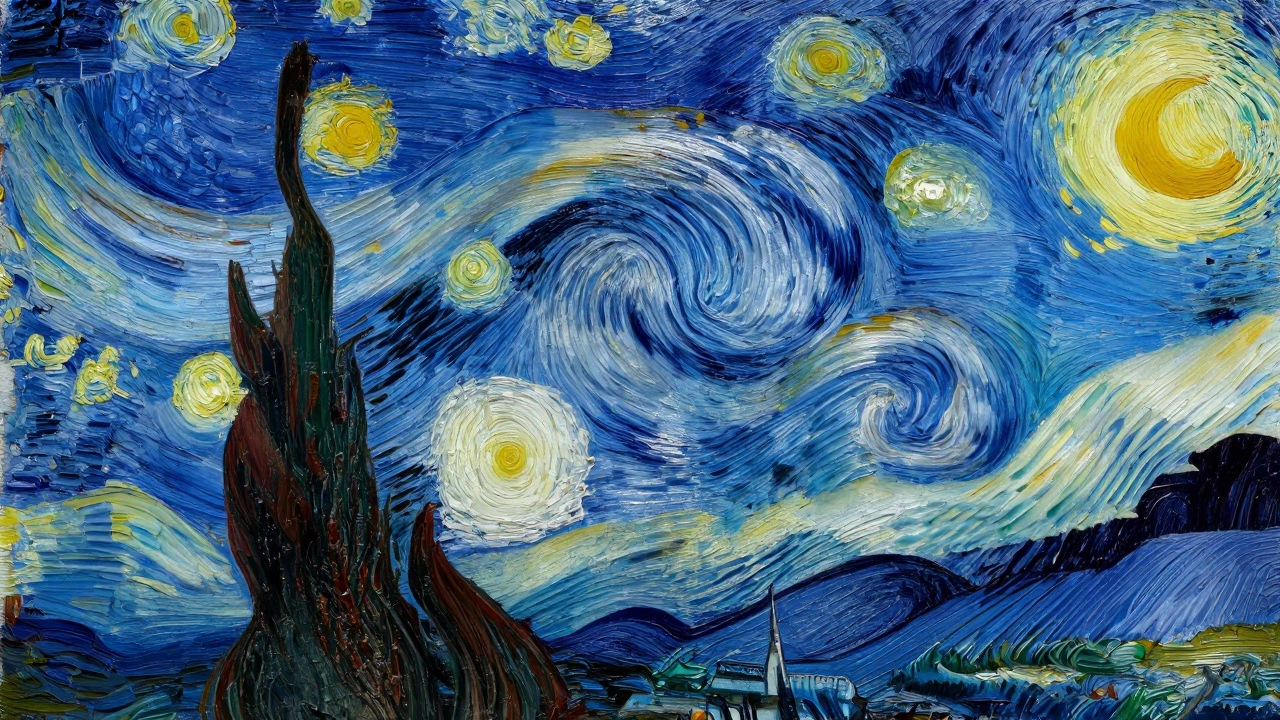
Have you ever walked into a gift shop and seen a tote bag featuring Vincent van Gogh’s The Starry Night is a famous oil painting created in 1889 that depicts the view from the east-facing window of his asylum room at Saint-Rémy-de-Provence? Or perhaps you’ve painted your own watercolor version of it and wondered if you could sell it without fear of legal trouble. The short answer is yes, you can. But why? And more importantly, what exactly are the rules surrounding this iconic image?
The confusion often stems from mixing up two very different concepts: the original artwork and the specific photograph or digital file of that artwork. Many artists assume that because a museum owns the physical canvas, they also own the rights to the image itself. This is a common misconception that costs creators time and money. Let’s break down the actual laws regarding copyright, public domain status, and what this means for your creative projects.
The Public Domain Rule
To understand why The Starry Night is free to use, we first need to look at when it was created. Van Gogh painted this masterpiece in June 1889. He died in July 1890. In most major jurisdictions, including the United States, the European Union, and the United Kingdom, copyright protection lasts for the life of the author plus a specific number of years after their death.
- United States: Life + 70 years.
- European Union: Life + 70 years.
- United Kingdom: Life + 70 years.
Since Van Gogh died in 1890, his works entered the public domain long ago. In the US, for example, any work published before January 1, 1929, is generally in the public domain. This means no one holds an exclusive right to reproduce, distribute, or create derivative works based on the original composition. You are free to paint, print, or digitize the image as you see fit.
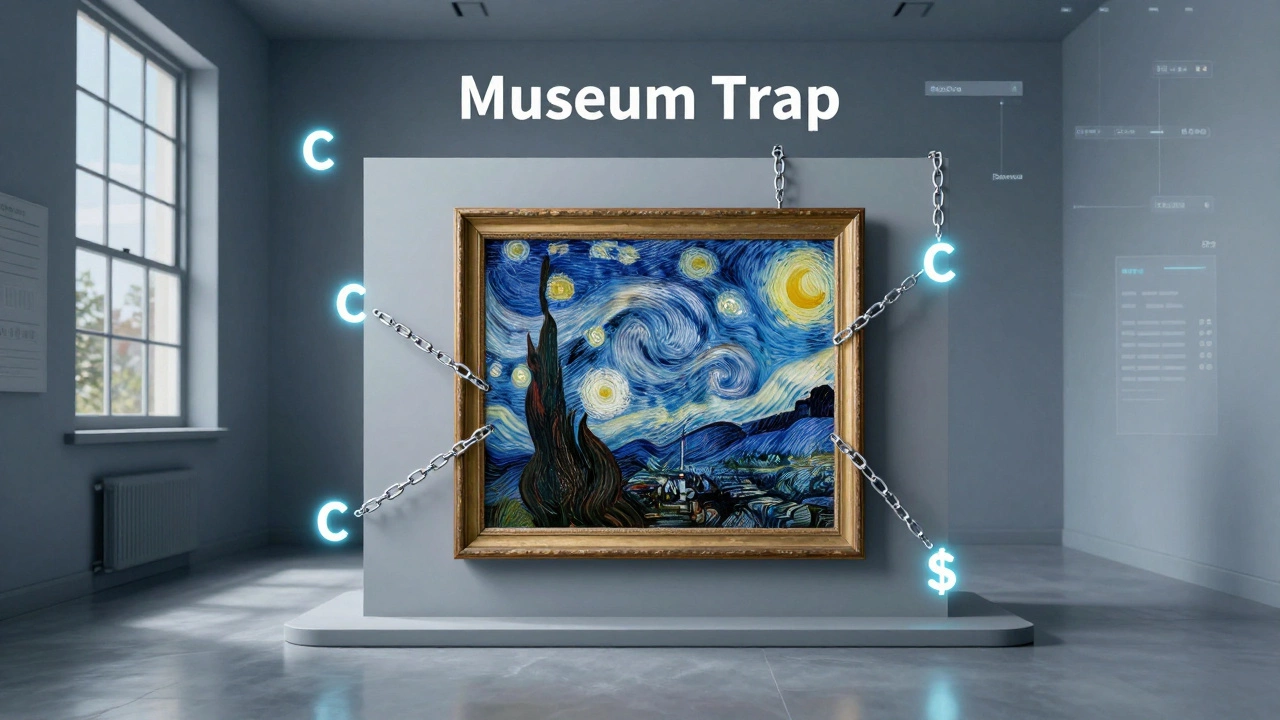
The Museum Trap: Ownership vs. Copyright
This is where things get tricky. The original canvas of The Starry Night is owned by the Museum of Modern Art (MoMA) is a modern art museum located in Midtown Manhattan, New York City, founded in 1929. MoMA bought the painting in 1941. They physically possess the object. They control who sees it, who touches it, and how it is displayed. However, owning the physical object does not automatically grant ownership of the copyright to the image.
Because the copyright has expired, MoMA cannot claim they own the rights to the visual content of the painting itself. They can charge admission to see it. They can sell merchandise with their logo on it. But they cannot stop you from making your own high-quality reproduction of the painting, provided you do not claim it is an original Van Gogh or use MoMA’s branding.
The Digital Photograph Dilemma
Here is the catch that trips up many digital artists and designers. While the *painting* is in the public domain, the *photograph* of the painting might not be.
If you go to MoMA’s website and download a high-resolution JPEG of The Starry Night, that specific digital file is likely copyrighted by the museum or the photographer who took the picture. Creating a precise digital scan requires skill, lighting setup, and equipment. Courts have sometimes ruled that such reproductions contain enough originality to warrant copyright protection for the photographer, even if the underlying subject matter is free to use.
| Aspect | Original Painting (Van Gogh) | Museum Photo/Scan |
|---|---|---|
| Copyright Status | Public Domain | Protected (Often) |
| Owner | No one (Free to use) | Museum or Photographer |
| Can you modify it? | Yes | Only with permission |
| Commercial Use | Allowed | Risky without license |
If you want to use the image commercially, downloading it from a museum site can be risky. If you paint your own watercolor version, or take your own photo of a print, you own the rights to that new creation. Your interpretation is a new work, separate from the museum’s digital asset.
Fair Use and Derivative Works
What if you don’t just copy the painting, but change it? This enters the realm of "derivative works." Since the original is in the public domain, you have broad freedom here. You can remix it, colorize it differently, or combine it with other elements.
However, be careful with trademarks. Some museums aggressively trademark specific images of their holdings. For instance, while they may not own the copyright to the art, they might own a registered trademark for the image used on specific merchandise. Using a near-identical copy on a t-shirt could lead to a cease-and-desist letter based on trademark dilution or consumer confusion, rather than copyright infringement. It’s a gray area, but generally, significant transformation protects you.
Practical Tips for Watercolor Artists
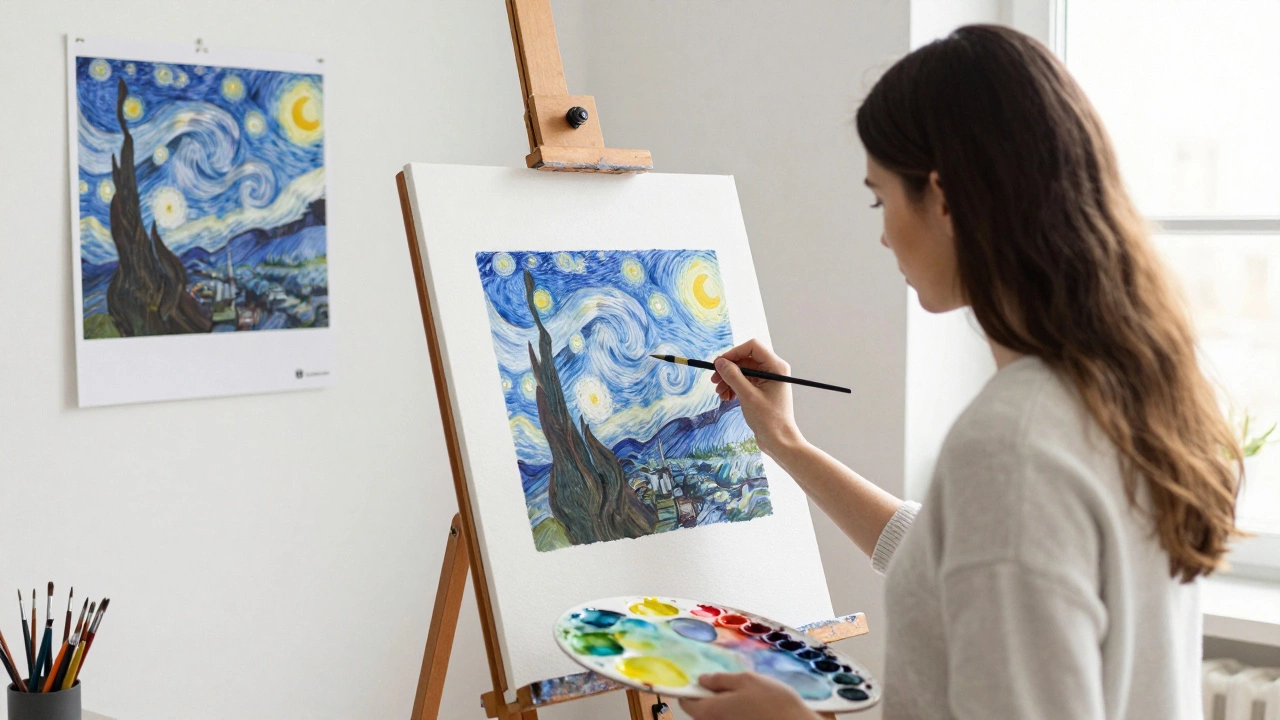
If you are planning to paint The Starry Night in watercolor, here is how to stay safe and ethical:
- Create Your Own Reference: Do not trace directly from a copyrighted digital file if possible. Use a public domain source, like those found on Wikimedia Commons or Project Gutenberg, or simply look at the painting in person or through a verified open-access repository.
- Add Your Style: Make it yours. Change the perspective, alter the color palette, or blend it with another scene. The more unique your input, the stronger your claim to the new work.
- Avoid Museum Branding: Never include the museum’s name, logo, or tagline in your marketing materials unless you have explicit permission. Saying "Inspired by Van Gogh" is fine. Saying "Official MoMA Print" is not.
- Check Local Laws: While international treaties help, local laws vary. In the UK, for example, the concept of "sweat of the brow" has been debated regarding photographs of public domain works. Always err on the side of creating original interpretations.
Common Misconceptions Debunked
Let’s clear up a few myths that circulate in online artist communities.
Myth 1: "If I put 'All Rights Reserved' on my Van Gogh painting, I own it."
False. You only own the copyright to the new expression you added. You cannot copyright the underlying composition of the stars and cypress tree because that belongs to the public domain. Someone else can still paint their own version of the same scene.
Myth 2: "Museums can ban me from selling copies."
Generally, no. Unless they hold a valid trademark or copyright on a specific reproduction, they cannot stop you from selling your own artistic interpretation. They can, however, ban you from their premises if you violate their house rules.
Myth 3: "Public Domain means I can use any image I find online."
No. Just because an image is hosted on a free website doesn’t mean it’s public domain. You must verify the source. An image uploaded by a user to a stock photo site is likely still under the user’s copyright.
Conclusion: Create with Confidence
The beauty of The Starry Night being in the public domain is that it allows artists like you to engage in a dialogue with history. You are not stealing; you are participating in a cultural tradition that spans centuries. By understanding the difference between the physical object, the digital file, and the underlying creative work, you can navigate these waters safely. Paint boldly, interpret freely, and always credit the original master while showcasing your own unique voice.
Is The Starry Night in the public domain?
Yes, The Starry Night by Vincent van Gogh is in the public domain in most countries, including the US, UK, and EU, because Van Gogh died in 1890, well over 70 years ago.
Can I sell prints of my watercolor version of The Starry Night?
Yes, you can sell prints of your own original watercolor interpretation. As long as you painted it yourself and did not trace a copyrighted digital scan, you own the rights to your specific artistic expression.
Does MoMA own the copyright to The Starry Night?
MoMA owns the physical painting, but they do not own the copyright to the image itself since it has expired. However, they may own copyrights to specific high-resolution digital photographs or scans they have produced.
What is the risk of using a museum's digital image?
Using a museum's digital image without permission can lead to copyright infringement claims against the photographer or institution that created the scan. It is safer to create your own reference material or use verified public domain sources.
How long does copyright last after an artist dies?
In the US, UK, and EU, copyright typically lasts for the life of the author plus 70 years. After this period, the work enters the public domain and is free for anyone to use.