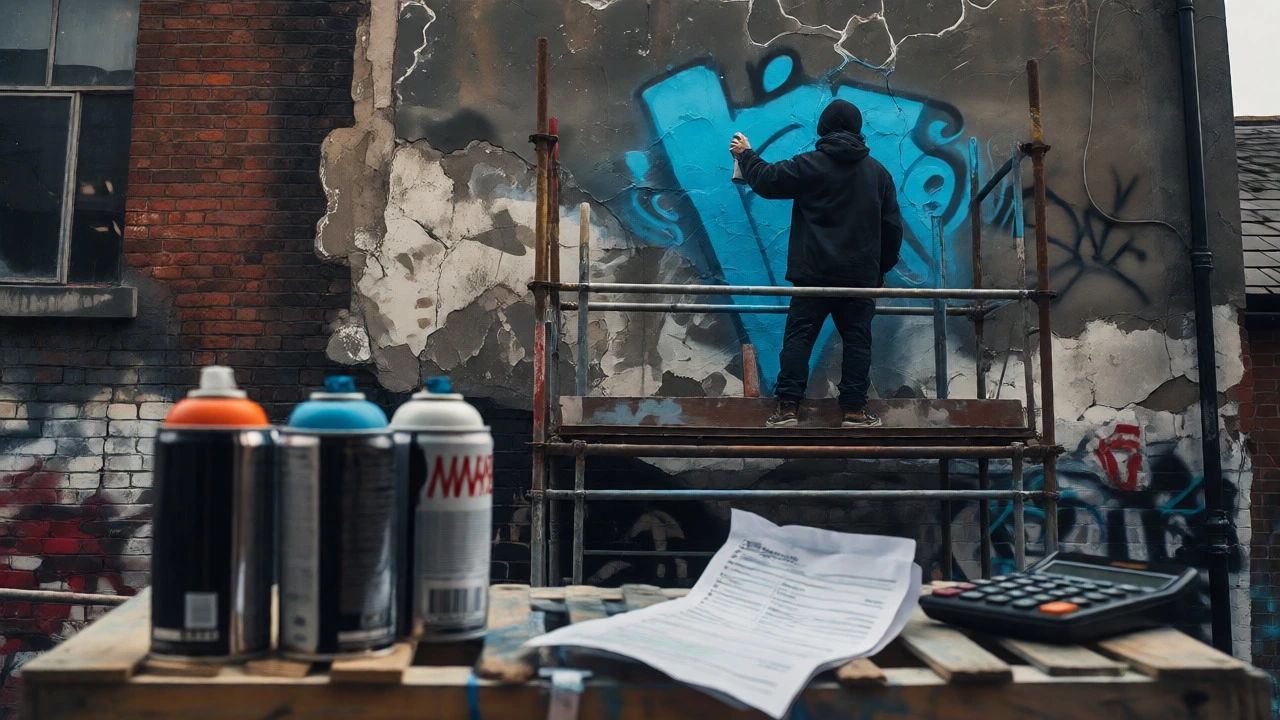
Street Art Mural Quote Estimator
Use this tool to estimate fair compensation for a mural project or determine your own quote as an artist. Rates are based on UK/EU market benchmarks from 2026.
You see a massive, vibrant mural on the side of a building in Bristol or Berlin. It stops traffic. It gets shared thousands of times on Instagram. You assume the artist is rolling in cash. But do street artists get paid? The short answer is: sometimes. The long answer is a messy mix of unpaid passion projects, corporate contracts, and legal gray areas that can either pay your rent or land you in court.
Living in Bristol, I’ve watched this industry shift from illegal tagging to a multi-million pound cultural export. Banksy didn’t just paint walls; he changed how cities value visual culture. But for every Banksy, there are hundreds of talented writers working for exposure, beer, or nothing at all. If you’re an artist wondering if you can quit your day job, or a client wondering what to offer, here’s the unfiltered truth about the money behind the spray cans.
The Myth of "Exposure" as Payment
Let’s kill this one first. Exposure doesn’t pay bills. In the early days of graffiti and street art, most work was done illegally or semi-legally without any financial exchange. The reward was reputation within the subculture. Today, brands love this history. They want that authentic, gritty aesthetic. So they ask artists to paint a wall for free, promising social media tags.
Here is the reality check: A high-quality mural takes time. A single wall might require three to five days of labor, plus prep work like power washing and priming. Add in the cost of materials-spray paint isn’t cheap-and you’re looking at significant overhead. If a brand asks for a 10x10 meter piece for "exposure," they are essentially asking you to donate $500-$1,000 worth of labor and supplies. Unless you are a hobbyist doing it for fun, always negotiate a fee. Even a small honorarium shows respect for your craft.
How Street Artists Actually Make Money
Most successful urban artists don’t rely on one stream of income. They build a portfolio of revenue sources. Here is where the actual money comes from:
- Mural Commissions: This is the bread and butter. Businesses, municipalities, and private homeowners hire artists to transform spaces. Rates vary wildly based on location and complexity.
- Fine Art Sales: Many street artists transition into galleries. Selling canvas pieces, prints, or limited-edition posters allows them to monetize their style without needing a wall.
- Merchandise: T-shirts, stickers, and accessories. This works best when the artist has a recognizable logo or character, like Shepard Fairey’s OBEY Giant.
- Tours and Workshops: In cities like Bristol, New York, or Melbourne, guided street art tours are popular. Artists lead these walks, sharing stories behind the work. Some also teach workshops on technique.
- Licensing: Brands license artwork for packaging, advertising campaigns, or video games. This is often the most lucrative but hardest to secure.
What Do Muralists Charge?
Pricing is subjective, but there are benchmarks. As of 2026, rates have stabilized somewhat after the pandemic boom in home renovations and commercial branding. However, inflation has pushed material costs up by nearly 15% in the UK alone.
| Project Type | Experience Level | Estimated Fee Range | Timeframe |
|---|---|---|---|
| Small Accent Wall (Indoor) | Emerging Artist | £300 - £800 | 1-2 Days |
| Medium Commercial Facade | Established Artist | £1,500 - £4,000 | 3-5 Days |
| Large Scale Public Art | Renowned Artist | £5,000 - £15,000+ | 1-2 Weeks |
| Complex Perspective/Detail | Specialist | £200+ per sqm | Variable |
Notice the gap between emerging and renowned artists. That difference isn’t just skill; it’s marketability. A famous name brings foot traffic. A local talent brings community engagement. Clients pay for the outcome they want, not just the paint on the wall.
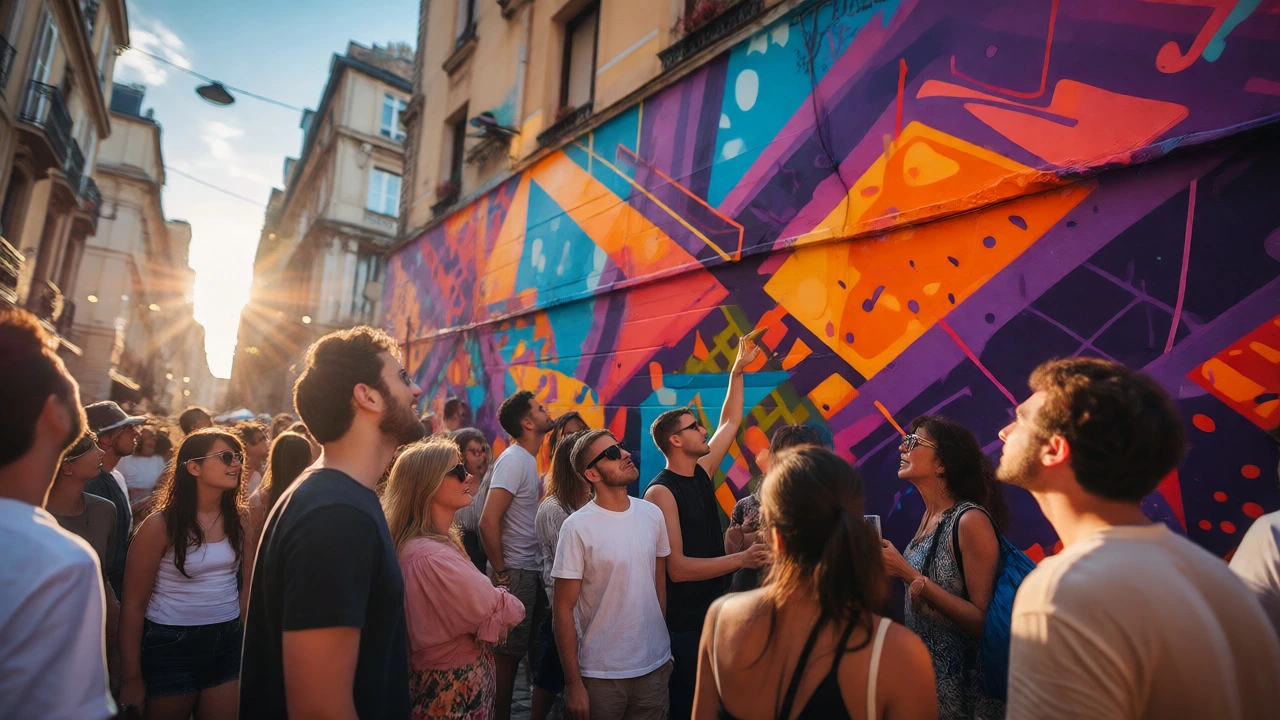
The Legal Trap: Permission vs. Payment
This is where things get tricky. Just because a wall looks abandoned doesn’t mean it’s free real estate. In the UK, painting on property without permission is criminal damage. Period. You could face fines or even jail time, though prosecution is rare for minor cases.
But here’s the twist: Sometimes, getting permission means getting paid less-or not at all. Local councils often have "public art budgets," but these are dwindling. More often, developers commission art to soften the blow of gentrification. They want a nice image for their planning application. The artist gets a contract, but it’s often tied to tight deadlines and specific brand guidelines. You lose creative freedom, but you gain a paycheck.
Conversely, illegal work carries no guarantee of payment. If a company loves your illegal tag on their warehouse, they might invite you to paint officially later. Or they might just paint over it. Never bet your livelihood on the hope that a corporation will notice your unauthorized masterpiece.
Case Study: The Bristol Model
I live in Bristol, which is arguably the global capital of modern street art. How does the economy work here? It’s a hybrid model. Organizations like Upfest and the Bristol Biennale bring in tourists. These festivals often provide stipends or cover material costs for participating artists, but rarely full market-rate fees for large-scale works during the event itself.
However, the long-term payoff is tourism. Cafes, tour guides, and print shops thrive because of the art. Artists benefit indirectly through increased visibility. If you move to a city with a strong street art culture, you’re banking on network effects. Your next big commission might come from a developer who saw your work at a festival two years ago. Patience pays off here, literally.
Should You Quit Your Day Job?
Not yet. Most professional street artists keep a secondary income source for the first few years. The work is physical, weather-dependent, and inconsistent. Rain delays a mural. A permit gets denied. A client changes their mind halfway through.
Start treating it like a business. Register as a sole trader. Invoice properly. Take deposits. Buy insurance. Track your expenses. When your side hustle consistently covers 70% of your living expenses for six months straight, then consider scaling back other work. Don’t wait for a viral moment. Build a steady pipeline of clients.
Key Takeaways for Artists and Clients
If you are an artist, stop working for free. Value your time. Calculate your hourly rate including travel and cleanup. If a client balks at a quote, explain the breakdown: design time, material costs, labor hours, and licensing rights.
If you are a client, remember that you are buying more than decoration. You are investing in placemaking. Good art increases property value and customer dwell time. Offer fair compensation, and you’ll attract better talent. Cheap work often leads to expensive repairs or removal later.
Street art is no longer just vandalism. It’s a legitimate industry with economic weight. Whether you hold the can or sign the check, understanding the flow of money ensures everyone gets treated fairly.
Do street artists need insurance?
Yes, absolutely. Public liability insurance is crucial. If you drop a ladder on a passerby or damage a neighboring property while painting, you need coverage. Many councils and corporate clients will not hire you without proof of insurance, typically covering at least £5 million in liability.
Who owns the copyright to a street mural?
Generally, the artist retains the copyright to the artwork, even if the building owner owns the physical surface. This means the building owner cannot sell photos of the mural for profit or reproduce it on merchandise without the artist's permission. Always clarify usage rights in a written contract before starting.
Is it cheaper to hire a student artist?
Often, yes, but be cautious. Students may charge lower rates to build their portfolios, but they may lack experience with large-scale logistics, such as scaffolding safety or weather-proofing techniques. Ensure they have a clear plan and perhaps a mentor overseeing the project if it’s a high-stakes commission.
How long does a mural last outdoors?
With proper preparation and UV-resistant varnish, a high-quality outdoor mural can last 5 to 10 years before fading significantly. Factors include sun exposure, pollution levels, and whether the surface was properly primed. Regular maintenance, like gentle cleaning, can extend its life.
Can I put my own price on a commissioned mural?
You should set your price based on your costs and desired profit margin, not just what you think the client wants to pay. Use a formula: (Hours x Hourly Rate) + Materials + Travel + Overhead = Base Price. Then adjust for complexity and urgency. Confidence in your pricing signals professionalism.
