Museum Exhibition Compensation Estimator
Not all exhibitions come with a check. This tool helps you calculate the total value of an offer by combining potential fees with covered costs (shipping, insurance) to see if it's worth your time.
Exhibition Details
Estimated Offer Analysis
Breakdown
Negotiation Tip
Enter details to receive specific advice.
You’ve just been invited to show your work at a reputable museum. It’s the kind of opportunity that fills your Instagram feed with envy and your portfolio with prestige. But then comes the email from the curator: "We’re thrilled to have you. Please send over your insurance details and shipping preferences." No mention of money. No line item for "artist fee." Just excitement and logistics.
This silence is deafening for many creators. The assumption that exposure equals payment is one of the most persistent myths in the art world. In reality, whether museums pay artists depends entirely on the type of exhibition, the museum’s budget, and who holds the copyright or physical ownership of the work. Let’s break down exactly when you should expect a check, when you should expect a handshake, and how to negotiate better terms.
The Big Misconception: Exposure vs. Equity
There is a massive difference between a solo retrospective and a group show featuring borrowed works. When a museum hosts a major survey of a living artist-think of the recent retrospectives at the Tate Modern or MoMA-they are essentially renting the artist’s brand and body of work. In these high-profile scenarios, museums almost always pay an artist fee. This isn’t charity; it’s a licensing cost. The museum benefits from ticket sales, merchandise, and institutional prestige, so they compensate the creator for the right to display their intellectual property and physical assets.
However, if you are a mid-career artist asked to contribute two paintings to a thematic group show like "Water in Contemporary Art," the dynamic shifts. Here, the museum is curating a narrative using existing objects. They aren’t building a new product around you; they are borrowing pieces from your studio or your collector. In this context, direct cash payments are rare. Instead, the compensation is often indirect: catalog inclusion, critical reviews, and increased visibility among collectors.
Who Actually Pays? The Three Main Models
To understand where the money goes, you need to identify which model the museum is operating under. There are three distinct financial structures used by institutions globally.
1. The Commission Model (Direct Payment)
This is the gold standard. If a museum commissions a new piece specifically for an exhibition, they pay for the materials, the time, and the creation process. This is common in public art projects or site-specific installations. For example, if the Sheffield Institute of Arts asks you to create a sculpture for their atrium, they will issue a contract with a fixed price. This covers your labor and overheads. You own the work unless the contract states otherwise, but they get exclusive display rights for a set period.
2. The Loan Model (Indirect Compensation)
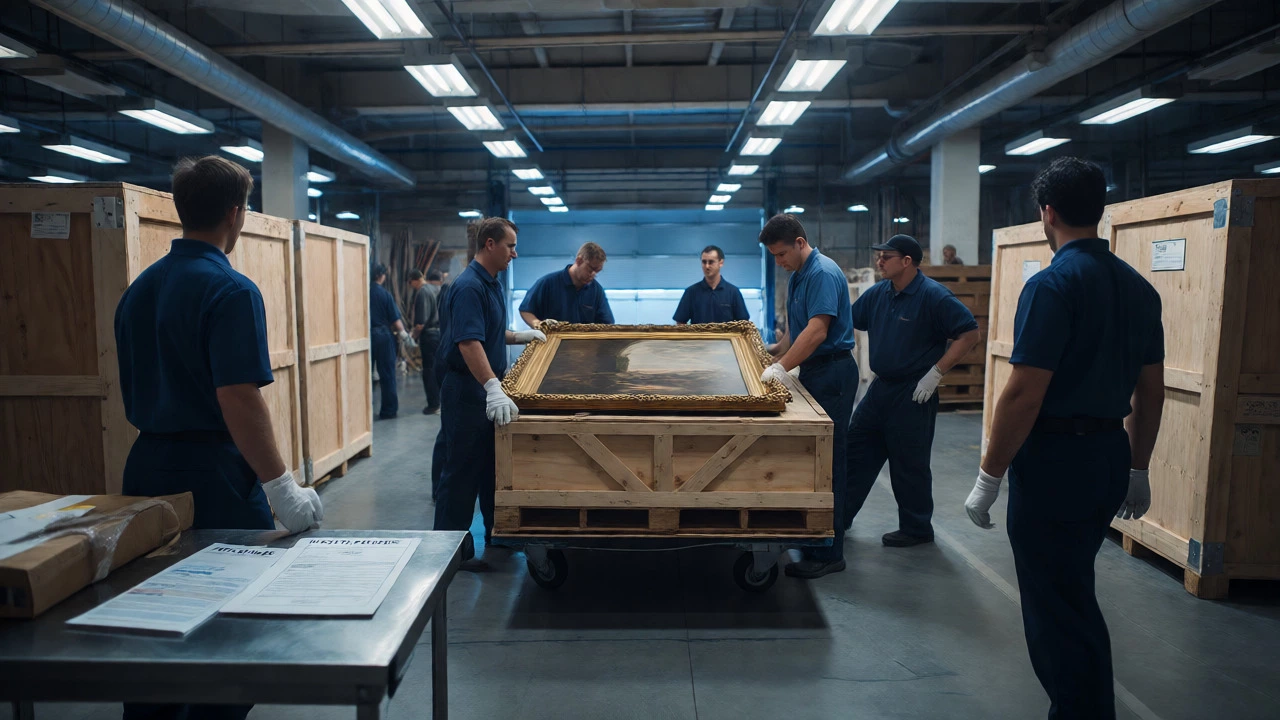
Most exhibitions rely on loans. If the museum borrows a painting from your private collection, they typically cover all costs associated with the loan. This includes professional packing, climate-controlled shipping, and insurance. While you don’t receive a cash fee, you save thousands of pounds in logistical expenses. Furthermore, the insurance value assigned during the loan can boost your market perception. If a major institution insures your work at £50,000, that figure becomes a benchmark for future sales.
3. The Donation/Gift Model (No Payment)
Some smaller galleries or university museums operate on shoestring budgets. They might ask for a donation of a work or offer no compensation beyond the listing in the program. This is common for emerging artists seeking their first institutional credit. While frustrating, it can be a strategic career move if the venue has strong connections to influential critics or collectors.
What Costs Should Be Covered?
Even if there is no artist fee, a reputable museum should never make you out of pocket for the basics. If you find yourself paying for bubble wrap or Ubering your canvas to the venue, something is wrong. Here is what should be included in any serious exhibition agreement:
- Insurance: The museum must insure your work while it is in their custody. Check the policy limits. Does it cover damage during transit? What about acts of God?
- Shipping: Door-to-door transport is the norm. You shouldn’t be responsible for customs paperwork if the museum handles international loans.
- Catalog Fees: If the museum publishes a hardcover catalog, they usually provide free copies to participating artists. Sometimes, they even pay a small honorarium for providing images and biographical data.
- Installation Support: Professional installers should handle the hanging and mounting. Your role is advisory, not manual labor.
How to Negotiate Without Being Difficult
Many artists fear that asking for money will result in losing the slot. Curators know this. That’s why they often start low or stay silent. Here is how to approach the conversation professionally.
First, assess your leverage. Are you an emerging artist with no prior institutional shows? Your leverage is lower. Are you an established name with a growing auction record? Your leverage is higher. Use data. Mention your previous exhibition history and current market prices. If your work sells for £5,000 on average, explain that displaying it publicly for three months represents a significant opportunity cost.
Second, ask for specifics early. Don’t wait until the contract arrives. Ask: "Is there a budget allocated for artist fees or installation support?" If they say no, pivot to non-cash benefits. Can they guarantee a review in a specific journal? Will they promote your website on their social channels? Get these promises in writing.
| Exhibition Type | Artist Fee Expected? | Museum Covers Shipping? | Museum Covers Insurance? | Catalog Provided? |
|---|---|---|---|---|
| Solo Retrospective | Yes (£5k-£50k+) | Yes | Yes | Yes + Honorarium |
| Group Thematic Show | Rarely | Yes | Yes | Free Copies |
| New Commission | Yes (Full Cost) | N/A (On-site) | Yes | Yes |
| Emerging Artist Showcase | No | Varies | Yes | Digital Only |
The Hidden Value of Institutional Validation
While cash is king, don’t underestimate the long-term ROI of a museum exhibition. Galleries use museum credits to validate their pricing. When a dealer sees that your work was shown at a recognized institution, they feel safer investing in your career. This is known as "institutional validation." It opens doors to grants, residencies, and private collections that would otherwise remain closed.
Consider the case of many contemporary British artists. Their initial breakthrough often wasn’t a sale, but a show at a regional museum. That exposure led to representation by a top-tier London gallery, which then drove up prices significantly. So, if the museum cannot pay you now, ask them to help you network. Request introductions to collectors attending the opening night. Ask if they will share your CV with their acquisition committee.
Pitfalls to Avoid
Not all agreements are fair. Watch out for these red flags:
- Vague Contracts: If the agreement doesn’t specify who pays for damages, walk away. "Best efforts" is not a legal guarantee.
- Copyright Grab: Ensure you retain copyright. Some museums try to claim perpetual rights to reproduce your image in their marketing without additional payment.
- Hidden Costs: Some venues charge "administrative fees" for handling the loan. This is unusual for reputable museums but common in commercial galleries masquerading as cultural institutions.
- Late Payments: If a commission is promised, ask for a deposit upfront. Museums can have slow bureaucratic processes.
Practical Checklist Before Signing
Before you agree to exhibit, run through this quick audit:
- Verify the Institution: Is it accredited? Check the Arts Council England database or equivalent local bodies.
- Clarify Financials: Explicitly state: "No artist fee is provided," or "Artist fee of £X is agreed."
- Check Insurance Limits: Ensure the coverage matches your current market value.
- Define Duration: How long will they hold your work? Can you recall it earlier if needed?
- Marketing Commitments: Will they tag you on social media? Will they list you in press releases?
Frequently Asked Questions
Do all museums pay artist fees?
No. Large-scale solo exhibitions and commissions usually include fees, but group shows and loans from private collections rarely do. Compensation is often indirect through insurance coverage and shipping costs.
Who pays for shipping my artwork to a museum?
Reputable museums typically cover door-to-door shipping costs for loans. This includes professional packing, transport, and unpacking. Always confirm this in writing before sending fragile works.
What happens if my artwork is damaged at a museum?
The museum’s insurance policy should cover the damage. However, you must ensure the insured value matches your current market price. If the museum underinsures your work, you may lose money on repairs or replacement.
Can I sell my work while it is on display?
It depends on the contract. Many museums allow sales during exhibitions, especially if they take a commission. Others require the work to remain in the collection until the show closes. Clarify this before the opening night.
Is exposure worth working for free?
For emerging artists, yes, if the institution has strong industry connections. For established artists, no. Exposure does not pay rent. Evaluate the potential return on investment based on your career stage and the museum’s reputation.
Final Thoughts on Getting Paid
The question isn’t really "do museums pay?" but rather "how much value am I bringing to the table?" If your work draws crowds, drives ticket sales, and enhances the museum’s brand, you deserve compensation. Start viewing these interactions as business negotiations, not favors. Be polite, be professional, but be firm about your worth. The art world is shifting toward greater transparency and fairness, but it still requires artists to advocate for themselves.