Art Copyright Risk Calculator
Live Risk Assessment
Answer the questions to calculate your legal risk.
Recommendation:
You see a striking image online. Maybe it’s a vintage poster, a famous painting, or a digital illustration that perfectly matches the vibe of your bedroom wall. You think, "I’ll just print this out and frame it." It feels harmless. But is it legal? The short answer is: yes, you can absolutely get sued for copying art, even if you’re not selling it.
In the world of art prints, the line between inspiration and theft is thinner than most people realize. Whether you are an artist looking to create a derivative work, a small business owner wanting to sell merchandise, or just someone who loves collecting, understanding copyright law is crucial. This guide breaks down exactly when copying becomes illegal, how "fair use" actually works, and what you need to know to stay on the right side of the law in 2026.
The Basics: Who Owns the Rights?
To understand why you might get sued, you first need to understand who owns the art. In most cases, the creator of the artwork holds the copyright. This means they have exclusive rights to reproduce, distribute, display, and create derivative works from their original creation.
Copyright protection begins the moment the work is fixed in a tangible form-like when a painter puts brush to canvas or a digital artist saves a file. You don’t need to register the work for it to be protected, although registration makes suing for damages much easier for the owner.
- Originality: The work must be original to the author. A simple geometric shape might not qualify, but a complex landscape does.
- Tangible Medium: It must exist physically or digitally. An idea in your head isn’t copyrighted; the execution is.
- Duration: In many jurisdictions, including the US and UK, copyright lasts for the life of the author plus 70 years.
If you copy an image without permission from the copyright holder, you are technically committing copyright infringement. It doesn’t matter if you credit the artist. Giving credit is polite, but it is not a legal defense against infringement.
Does "Personal Use" Protect You?
A common myth is that if you aren’t making money, you can’t be sued. While it’s true that lawsuits are less likely if you’re just printing a photo for your own home, it is still technically infringement if the work is under copyright.
However, enforcement varies. If you download a high-resolution scan of a Van Gogh (which is in the public domain) and print it, you’re fine. But if you take a recent photograph by a living artist and print it for your office, you are infringing on their reproduction rights. Most artists won’t sue an individual for one personal print because the cost of litigation outweighs the potential damages. But big corporations and aggressive rights management agencies often use automated bots to scan the internet for unauthorized uses.
If you run a small Etsy shop or a local market stall, the stakes change dramatically. Selling unlicensed copies turns a civil nuisance into a financial threat. Damages can range from actual losses suffered by the artist to statutory damages, which can reach tens of thousands of dollars per infringed work in the US.
Fair Use: The Gray Area
You’ve probably heard of Fair Use. It’s a legal doctrine that allows limited use of copyrighted material without requiring permission from the rights holders. However, Fair Use is not a free pass. It is determined by four factors, and courts weigh them case-by-case.
- Purpose and Character: Is your use commercial or nonprofit/educational? Is it transformative? Did you add new expression, meaning, or message? Merely resizing or changing colors usually doesn’t count as transformative.
- Nature of the Work: Using factual information is safer than using highly creative works like paintings or songs.
- Amount Used: Did you use the entire work or just a small snippet? Using the "heart" of the work weighs against Fair Use.
- Effect on Market: Does your copy replace the need to buy the original? If people buy your cheap print instead of the official license, you hurt the market value.
For example, a parody of a famous painting might qualify as Fair Use because it adds commentary. But printing that same painting on T-shirts to sell definitely does not. Always assume you need permission unless you have a lawyer confirming otherwise.
Public Domain vs. Creative Commons
Not all art is locked behind copyright walls. Some works are freely available for anyone to use.
| License Type | Can Use Commercially? | Must Attribute? | Can Modify? |
|---|---|---|---|
| Public Domain | Yes | No | Yes |
| Creative Commons (CC BY) | Yes | Yes | Yes |
| Creative Commons (NC) | No | Yes | Varies |
| All Rights Reserved | No | Yes (if allowed) | No |
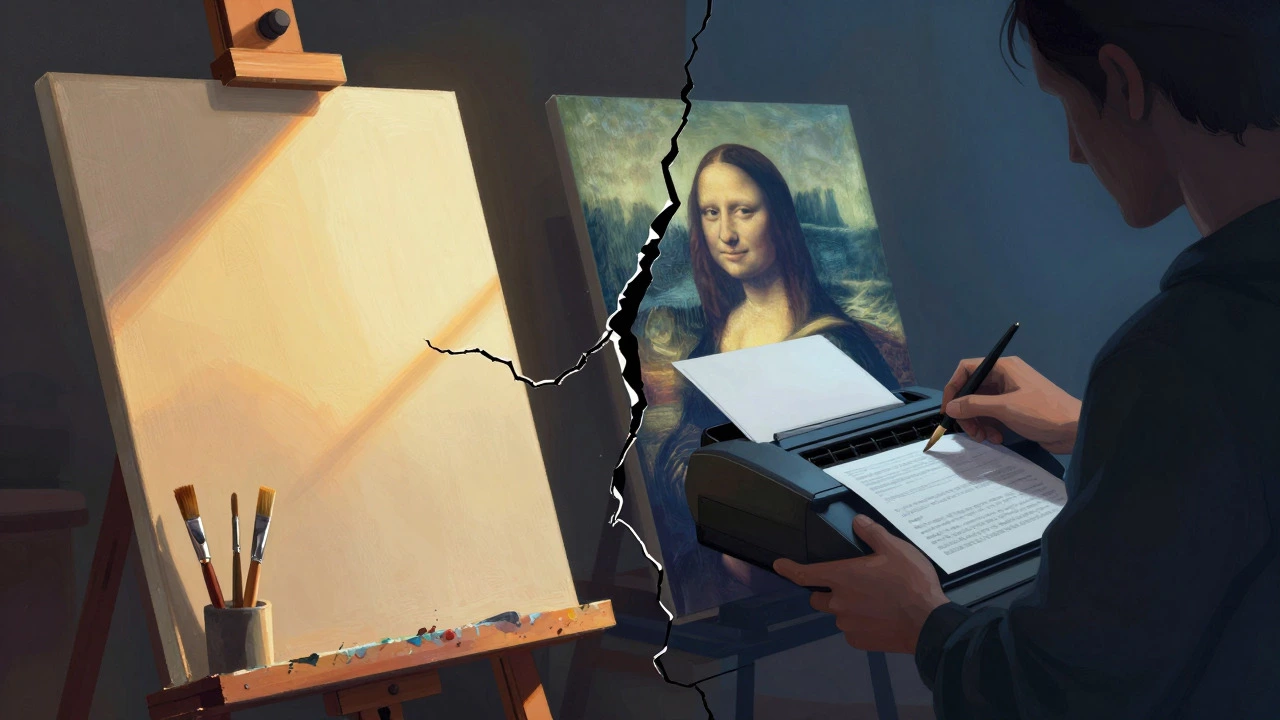
Public Domain works have expired copyrights or were never eligible. Think Leonardo da Vinci, Frida Kahlo (mostly), or government works in some countries. You can do whatever you want with these.
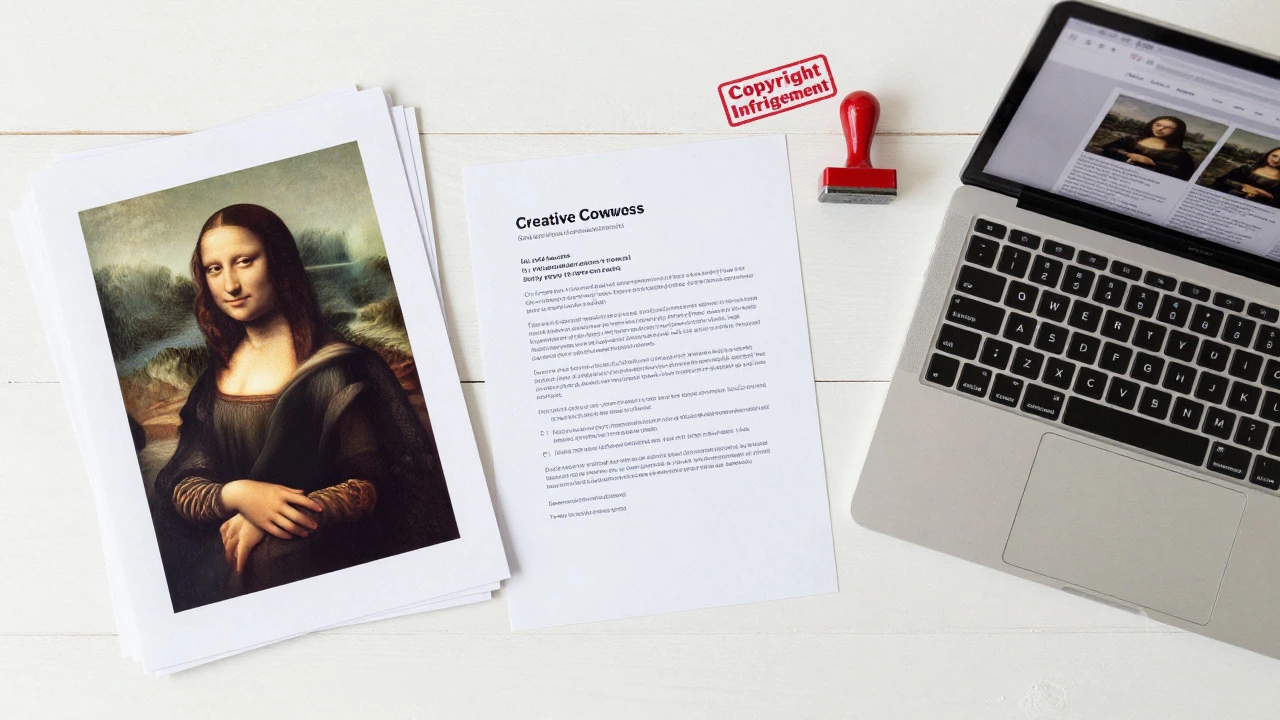
Creative Commons (CC) licenses allow creators to specify terms. Always check the specific CC license. "Non-Commercial" (NC) means you can’t sell prints. "No Derivatives" (ND) means you can’t alter the image. Ignoring these tags is a quick way to get a cease-and-desist letter.
Digital Art and NFTs: New Rules?
The rise of digital art and Non-Fungible Tokens (NFTs) has complicated things further. Buying an NFT does not necessarily mean you own the underlying copyright. In many cases, you only own the token, not the right to reproduce the art commercially.
Some artists explicitly grant commercial rights with the sale of an NFT, but this is not the default. Always read the smart contract or the project’s whitepaper. If you mint an NFT of someone else’s art without permission, you are infringing on their copyright, regardless of blockchain technology.
Additionally, AI-generated art is a hot topic in 2026. If you use an AI tool trained on copyrighted images to generate a style similar to a living artist, legal battles are ongoing. Until courts settle this, it’s risky to claim ownership over AI outputs that closely mimic existing styles.
How to Avoid Getting Sued
Protecting yourself doesn’t require a law degree. Follow these practical steps:
- Buy Licenses: Use stock photo sites like Shutterstock, Adobe Stock, or Unsplash (check their specific licenses). Paying for a license gives you clear rights.
- Contact the Artist: Many independent artists are happy to license their work for a reasonable fee. It builds relationships and supports creativity.
- Create Original Work: The safest route is always to make your own art. Even if inspired by others, ensure your final piece is distinct enough to stand alone.
- Use Public Domain Resources: Sites like Wikimedia Commons, Project Gutenberg, and museum open-access collections offer high-quality, free-to-use art.
- Keep Records: Save emails, licenses, and receipts. If you ever get challenged, proof of permission is your best defense.
What Happens If You Get Sued?
If you receive a cease-and-desist letter or a lawsuit, don’t panic, but act quickly. First, stop using the image immediately. Remove it from websites, destroy unsold prints, and halt marketing campaigns featuring the art.
Next, consult an intellectual property attorney. They can assess whether your use might qualify as Fair Use or if a settlement is cheaper than going to court. Often, a sincere apology and a payment for back licensing fees can resolve the issue without a trial.
Ignoring the letter is the worst option. It shows willful infringement, which can increase damages significantly. Courts look favorably on those who try to make things right once notified.
Conclusion: Respect the Creator
Copying art isn’t just a legal risk; it’s an ethical one. Artists spend hours, days, or years creating their work. When you copy without permission, you devalue their labor. By respecting copyright laws, buying licenses, or supporting public domain projects, you contribute to a healthier creative ecosystem.
Whether you’re decorating your home or launching a brand, taking five minutes to verify the source of your imagery can save you thousands of dollars and a lot of stress. When in doubt, ask permission. It’s always better to be safe than sorry.
Can I sell prints of paintings from the Metropolitan Museum of Art?
It depends. The Met offers many works in the public domain through their Open Access program. If a work is marked as Open Access, you can generally use it commercially. However, always check the specific terms for each image, as some may have restrictions or require attribution. For non-public domain works, you need a license.
Is it okay to trace a drawing and call it my own?
Tracing is essentially copying. If the original work is under copyright, tracing it creates a derivative work, which requires permission from the original artist. Simply adding minor changes doesn’t make it original. To avoid infringement, use tracing only for learning purposes or with explicit permission.
What if the artist doesn’t have a website or social media?
If you can’t find the artist, it’s safer to assume the work is copyrighted and avoid using it. Reverse image search tools can sometimes help identify owners. If you truly cannot find them after diligent effort, consider using public domain alternatives instead of risking infringement.
Does putting "No Copyright Intended" protect me?
No. This phrase has no legal standing. It does not negate copyright infringement. If you use someone else’s work without permission, you are infringing regardless of what you write in the description. Proper licensing or Fair Use arguments are the only valid defenses.
Can I use fan art commercially?
Fan art based on copyrighted characters (like Marvel or Disney) is risky. While many companies tolerate non-commercial fan art, selling it without a license is technically infringement. Some franchises have official licensing programs for fan creators, but generally, you need permission to monetize derivative works.