Contemporary Art Appeal Quiz
Your Art Appreciation Profile
Loves solving visual puzzles
Connects through raw emotion
Driven by context & narrative
Enjoys the social aspect of art
Appreciates breaking rules
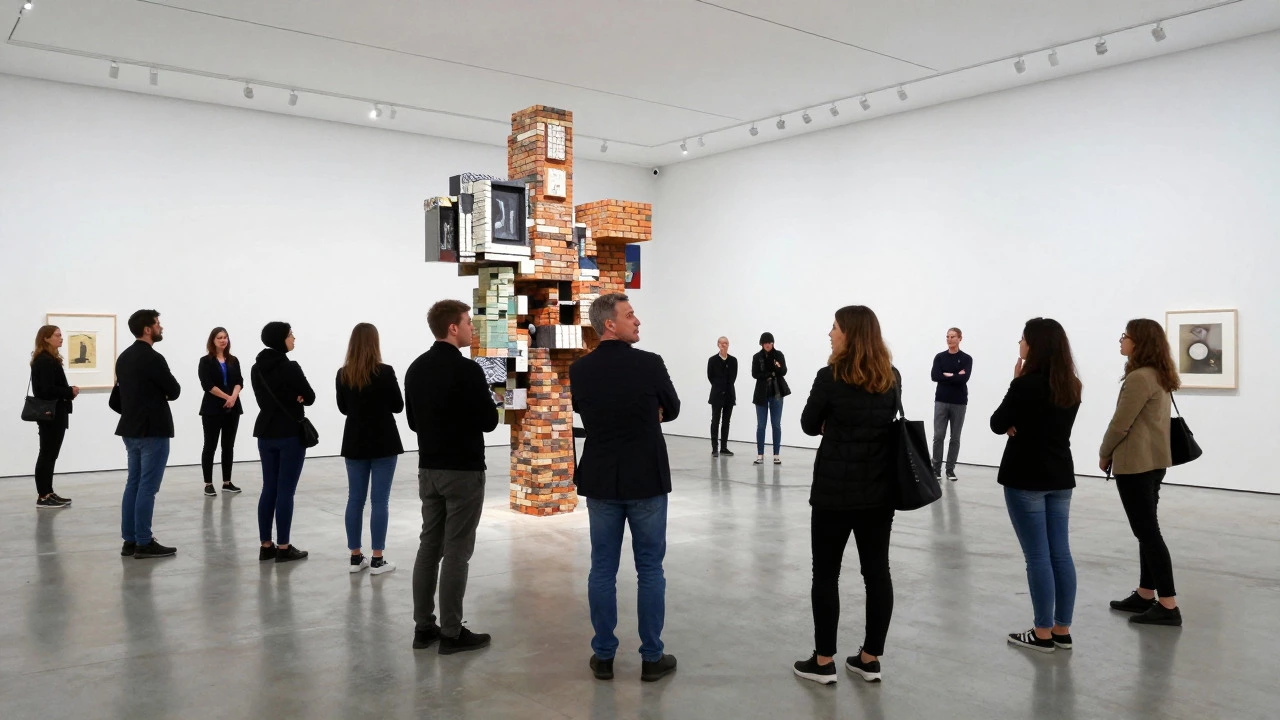
Walk into a major gallery in London or New York, and you might stand in front of a pile of bricks, a video loop of a man eating spaghetti, or a canvas that looks like a toddler’s finger-painting. You might think, "Is this really art?" But millions of people don’t just tolerate these works; they love them. They buy them, argue about them on social media, and feel deeply moved by them. Why do people like contemporary art? It isn’t because it is easy to understand. In fact, it is often the opposite. The appeal lies in how these pieces challenge our brains, trigger emotions, and reflect the chaotic reality we live in every day.
The Thrill of Decoding Ambiguity
Human brains are pattern-recognition machines. We love puzzles. When you look at a classical painting of a landscape, the rules are clear. You know what a tree looks like, and you know where the horizon line is. There is little mystery left to solve. Contemporary art, however, strips away those obvious cues. A work by Jasper Johns is an American artist known for using everyday objects and symbols in his paintings, such as flags or targets, forces you to ask questions. What does the flag mean here? Is it patriotism or irony? By removing the immediate visual answer, contemporary art invites you to participate in the creation of meaning. This active engagement releases dopamine, the same chemical reward you get when solving a difficult math problem or winning a video game level. The art doesn't give you the answer; it gives you the satisfaction of finding your own.
Emotional Resonance Over Visual Beauty
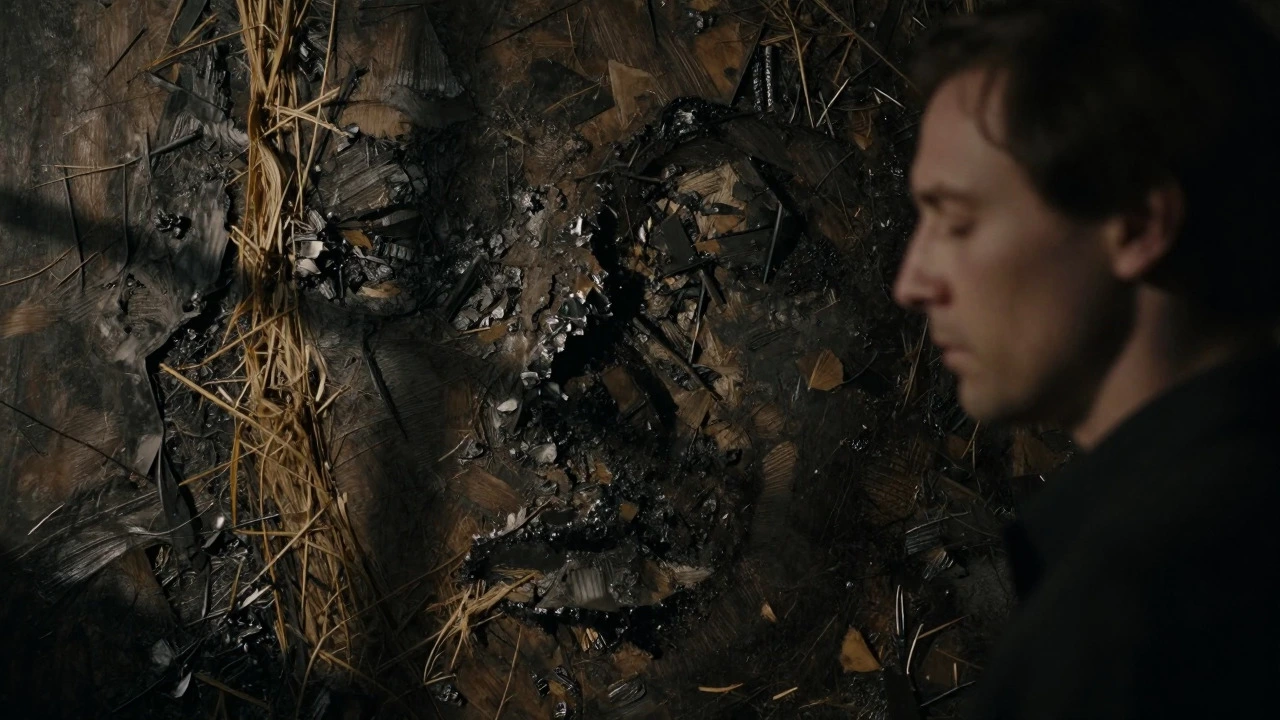
For centuries, the primary metric for art was beauty. If it wasn't pretty, it wasn't good. Contemporary art shifted the goalpost from aesthetic pleasure to emotional impact. You don't need to find a piece visually pleasing to feel something powerful. Consider the work of Anselm Kiefer, a German painter and sculptor who uses materials like lead, straw, and ash to create massive, textured canvases. His works are rarely "pretty." They are heavy, dark, and sometimes disturbing. Yet, viewers report feeling a profound sense of history and weight. This is because contemporary art taps into raw human experiences-grief, memory, identity, and time-rather than trying to decorate a wall. When an artist focuses on the *feeling* of a subject rather than its *appearance*, the connection becomes personal. You aren't looking at a picture of sadness; you are experiencing the texture of it.
Mirroring Modern Life
We live in a fragmented, digital, fast-paced world. Classical art often depicted idealized, static moments. Contemporary art reflects the messiness of the 21st century. If you feel overwhelmed by social media, technology, and global politics, contemporary art speaks your language. Artists like Damien Hirst use shark heads preserved in formaldehyde to explore mortality and science, themes that dominate modern discourse. Others use video installations to capture the fleeting nature of attention spans. When you see your own life reflected in an artwork-not as a polished fantasy, but as a complex, confusing, and real experience-it creates a sense of validation. It tells you that your confusion is valid. Your anxiety is shared. This mirror effect is a huge driver of why people connect with these works. They stop feeling like outsiders looking at history and start feeling like participants in the current moment.
The Role of Context and Storytelling
You can’t separate contemporary art from its context. The story behind the piece is often as important as the object itself. When you read the artist's statement or learn about the historical event that inspired the work, the piece transforms. For example, a simple white square on a wall might seem boring until you learn it was created to protest the commercialization of galleries. Suddenly, it becomes a political act. This layering of information adds depth. It turns a visual object into a narrative. People enjoy stories, and contemporary art is full of them. Whether it's the biography of the artist, the cultural movement they belong to, or the specific incident that sparked the creation, the narrative hook keeps the viewer engaged long after they have looked at the physical form.
Community and Social Currency
Liking contemporary art is also a social activity. It provides a common ground for conversation. Unlike technical sports or niche hobbies, contemporary art is accessible enough for beginners to form opinions, yet deep enough for experts to debate. Sharing your reaction to a controversial piece on social media or discussing it with friends creates a sense of community. It signals that you are culturally aware and open-minded. In a way, engaging with contemporary art is a form of social bonding. We bond over shared experiences, even if those experiences are confusing or frustrating. The collective effort to interpret and discuss these works strengthens social ties and makes the art feel more relevant to daily life.
| Feature | Classical Art | Contemporary Art |
|---|---|---|
| Primary Goal | Aesthetic beauty and idealization | Emotional impact and conceptual challenge |
| Viewer Role | Passive observer | Active interpreter |
| Subject Matter | Religious, mythological, portraiture | Identity, politics, technology, abstract concepts |
| Materials | Oil, tempera, marble | Digital media, found objects, video, mixed media |
| Connection to Reality | Idealized representation | Direct reflection of current events |
Breaking the Rules Creates Freedom
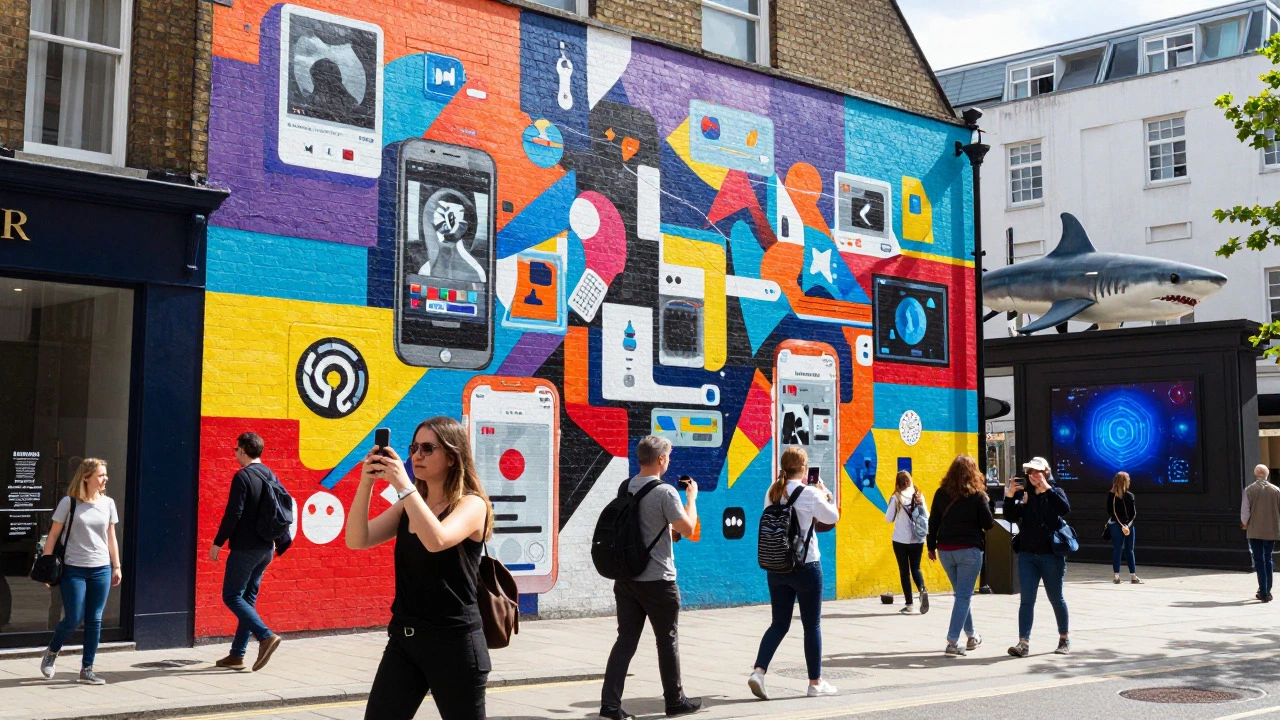
Finally, people like contemporary art because it represents freedom. For hundreds of years, artists were bound by strict academic rules regarding perspective, proportion, and subject matter. Breaking these rules felt rebellious. Today, that rebellion has become the norm. The freedom to use any material, any medium, and any concept liberates both the creator and the viewer. It suggests that creativity isn't reserved for the technically skilled; it is available to anyone with a thought to express. This democratization of art is empowering. It allows people to see their own ideas as worthy of artistic expression, fostering a deeper, more personal connection to the field.
Frequently Asked Questions
Do I need to understand contemporary art to appreciate it?
No. Understanding the technical or historical context can enhance your experience, but it is not required. Many people appreciate contemporary art purely based on their emotional reaction. If a piece makes you feel something-curiosity, anger, calm, or confusion-you are already appreciating it. The lack of a single correct interpretation is part of the charm.
Why is some contemporary art so expensive?
The price of contemporary art is driven by scarcity, the artist's reputation, critical acclaim, and market demand. Since many contemporary works are unique one-off pieces (not prints), supply is limited. Additionally, the cost includes the artist's career development, gallery commissions, and shipping. However, value is subjective; a high price tag does not necessarily mean the art is "better," just that it is highly sought after by collectors.
What is the difference between modern and contemporary art?
Modern art generally refers to the period from the late 19th century to the mid-20th century (roughly 1860s-1970s), focusing on breaking away from traditional realism. Contemporary art refers to art made from the 1970s to the present day. While modern art often focused on form and abstraction, contemporary art is broader, incorporating video, installation, performance, and digital media, and often addresses current social and political issues.
How can I start enjoying contemporary art if I usually prefer classical styles?
Start by visiting local galleries rather than famous museums, which can be intimidating. Look for artists who bridge the gap, such as those who use realistic techniques but address modern themes. Read the artist statements before viewing the work to get context. Also, try not to judge the technique immediately; focus on how the piece makes you feel. Gradually, you may find yourself drawn to the conceptual aspects that define the genre.
Is contemporary art only for the elite?
While the market for high-end contemporary art can be exclusive, the art itself is accessible to everyone. Public parks, city centers, and online platforms feature contemporary works daily. Street art, for example, is a form of contemporary art that is free and accessible to the public. The barrier is often perceived elitism in certain galleries, but the core appeal of the art-emotional connection and intellectual stimulation-is universal.