
Fine Art Photography Revenue Estimator
Calculate your potential earnings based on edition strategy, market tier, and sales channel.
Enter details to see projection
Compare how limiting your edition size impacts total revenue versus selling unlimited copies.
You take a stunning shot. The light is perfect, the composition sings, and you know it’s special. But then reality hits: can you actually pay your rent with this image? This is the question that keeps most photographers up at night. We’ve all heard the horror stories of artists starving in garrets, but we’ve also seen images sell for six figures at auction. So, where does the truth lie? Is there money in fine art photography, or is it just a hobby that costs you money?
The short answer is yes, but not in the way most beginners expect. It’s rarely about selling one lucky print to a random buyer. It’s about building a system, understanding the market, and treating your work as a product rather than just an expression. Let’s break down exactly how the money moves in this industry, who pays, and what you need to do to get a slice of the pie.
Understanding the Market Tiers
Not all fine art photography is created equal, and neither are the buyers. To make money, you need to know which tier you’re aiming for. The market is roughly split into three categories, each with its own price points and expectations.
First, there’s the Decorative Market. Here, people buy photos because they look good on a wall. They don’t care about the artist’s backstory or the edition size. They want something that matches their sofa. Prices here range from £50 to £300. You can sell these online via platforms like Etsy or Saatchi Art, but competition is fierce. You’re competing with millions of other images.
Next is the Collector Market. These buyers are serious. They follow specific artists, attend gallery openings, and understand the value of limited editions. They aren’t buying decoration; they’re investing in a piece of culture. Prices jump to £500-£5,000 per print. Getting here requires consistency, a strong portfolio, and usually some form of validation, like awards or press coverage.
Finally, there’s the Auction Market. This is the top 1%. Think Richard Prince or Andreas Gursky. Works here sell for tens or hundreds of thousands. For most working photographers, this isn’t the primary income source, but it sets the ceiling for the entire industry. When a famous photographer sells a print for $1 million, it validates the medium for everyone below them.
| Market Tier | Typical Price Range (GBP) | Buyer Motivation | Key Requirement |
|---|---|---|---|
| Decorative | £50 - £300 | Aesthetics / Interior Design | High volume, low friction |
| Collector | £500 - £5,000 | Investment / Status / Passion | Limited editions, provenance |
| Auction | £10,000+ | Prestige / Asset Class | Critical acclaim, rarity |
The Economics of Limited Editions
If you want to move beyond the decorative tier, you must master the concept of scarcity. In fine art, uniqueness drives value. If you sell an unlimited number of copies of your best image, it becomes a poster, not art. Posters cost £20. Originals can cost £2,000.
The standard model involves creating a Limited Edition. An edition is a set number of identical prints made from a single negative or digital file. Once those prints are sold, no more are made. This guarantees the buyer that they own one of only X existing versions.
Here’s the math most photographers miss. Suppose you decide to limit an edition to 10 prints. You price the first 3 "early bird" prints at £400. The next 5 go up to £600. The final 2, now rarer, sell for £800. By the time the edition is closed, you’ve generated £5,200 from one image. Compare that to selling 100 unlimited prints at £50 each (£5,000 total). You made slightly more money, but you did it with less work, higher perceived value, and better margins after framing and shipping.
Crucially, you must keep records. Every sale needs a certificate of authenticity signed by you. This document tracks the edition number (e.g., 3/10) and proves the print’s legitimacy. Without this, collectors won’t trust your resale value.
Where to Sell: Galleries vs. Direct Sales
There are two main routes to cash: traditional galleries and direct-to-collector sales. Both have pros and cons, and many successful photographers use a hybrid approach.
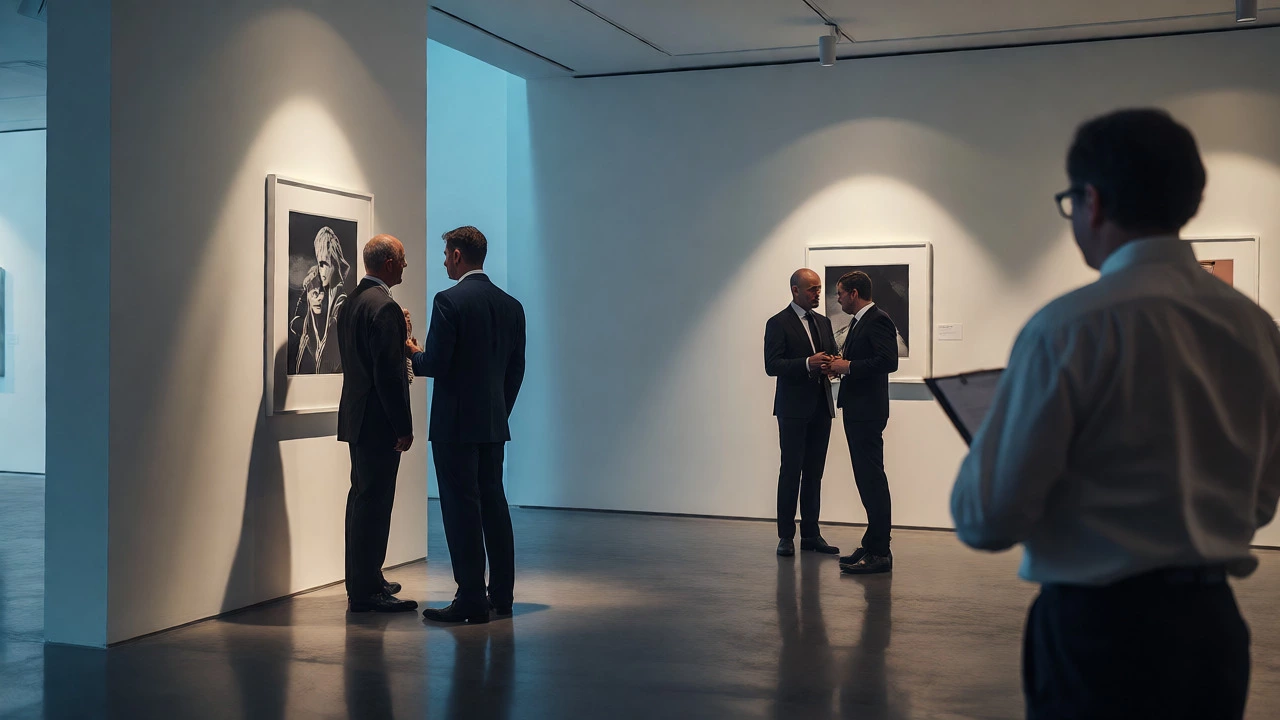
Galleries provide prestige and access to wealthy clients who might never browse Instagram. However, they take a hefty cut-usually 40% to 50%. They also control pricing and often require exclusivity. If a gallery takes 50% of a £1,000 print, you walk away with £500. But you didn’t have to find the buyer, frame the print, or handle shipping. For beginners, getting into a reputable local gallery is a massive credibility booster.
Direct Sales allow you to keep 100% of the profit minus platform fees (like Shopify’s 2% or Etsy’s transaction fees). You build a direct relationship with your audience. You can email them when new work drops. You control the narrative. The downside? You are the marketing department, the sales team, and the customer service rep. You need an email list of at least 1,000 engaged subscribers to make this sustainable.
A common pitfall is underpricing to get quick sales. If you sell a £200 print today, it’s hard to convince a collector it’s worth £800 next year. Raise prices gradually as demand grows. Never drop prices unless you’re clearing inventory.
Beyond Prints: Diversifying Income
Relying solely on print sales is risky. Even established photographers diversify. Here are three other revenue streams tied to fine art photography.
- Licensing: Brands often pay to use artistic images in advertising or packaging. A single license can pay £500-£5,000 depending on usage duration and territory. Unlike prints, licensing doesn’t deplete your edition count.
- Books and Zines: Self-publishing a photobook allows you to bundle multiple images. While book sales yield lower margins per unit, they strengthen your brand. Collectors love owning a physical object that tells a story.
- Workshops and Talks: Teaching others how to see light or edit color leverages your expertise. People pay for knowledge. A weekend workshop charging £200 per person with 10 attendees brings in £2,000 in a few days.
These streams stabilize your cash flow while you wait for larger print sales. They also expand your network, potentially leading to new gallery representation.
The Hidden Costs of "Passive" Income
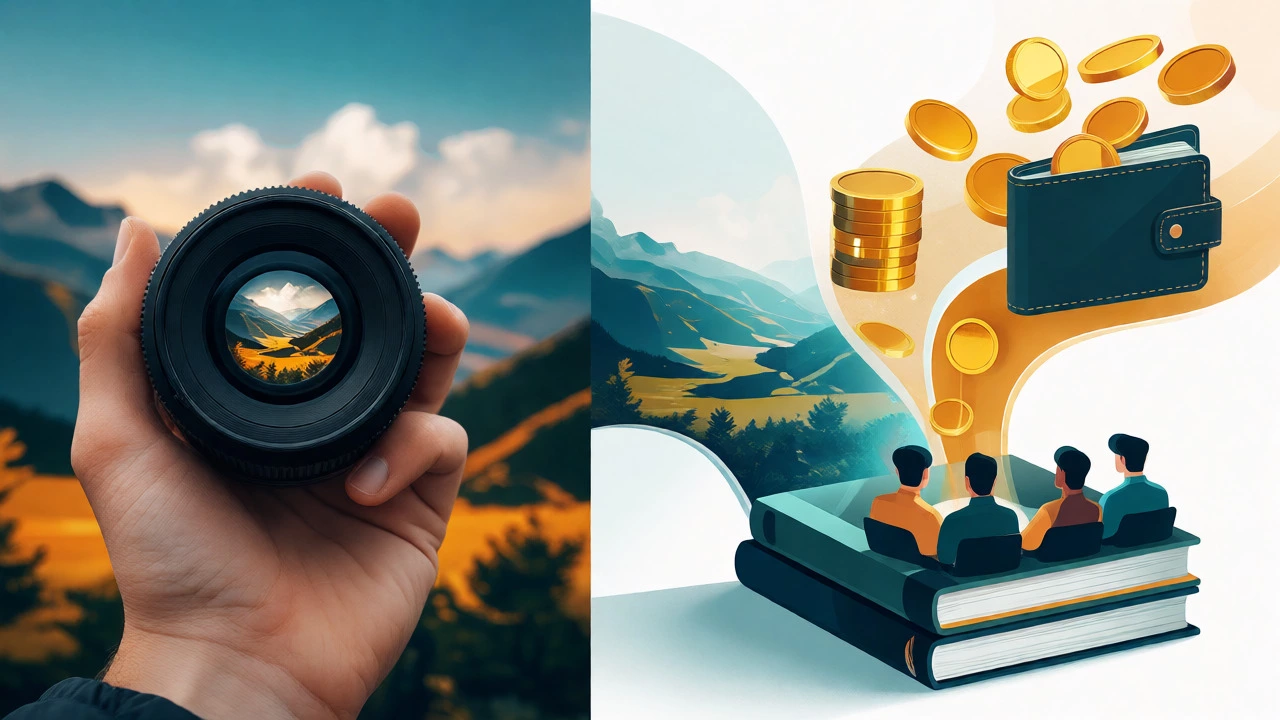
People assume photography is passive once the shutter clicks. It’s not. Making money in fine art photography involves significant upfront investment.
You need archival materials. Cheap paper fades. Collectors expect longevity. Using Hahnemühle Photo Rag or Canson Infinity Baryta ensures your work lasts decades. These papers cost more, eating into margins. Then there’s framing. A £1,000 print looks cheap in a £20 IKEA frame. You need museum-grade glass and acid-free mats. Expect to spend 20-30% of the sale price on presentation.
Shipping is another killer. Sending a large framed print safely across the UK or internationally can cost £50-£100. Factor this into your pricing. If you offer free shipping, bake it into the price. Don’t let logistics eat your profit.
Finally, consider the time cost. Editing, printing, signing, numbering, wrapping, and posting takes hours. If you sell a print for £300 and spend 4 hours on admin, you’re earning £75/hour before expenses. That’s okay, but it’s not passive income. It’s a job.
How to Start Earning Today
Don’t wait for perfection. Start small. Pick your five strongest images. Create a limited edition of 10 for each. Set a modest price based on your current reputation (e.g., £150). Launch them to your social media followers and email list. Use high-quality mockups to show how they look in homes.
Track everything. Which images got likes? Which ones led to inquiries? Double down on what works. If landscape shots sell but portraits don’t, focus on landscapes. Consistency builds trust. Buyers want to know what they’ll get if they invest in you.
Engage with the community. Comment on other photographers’ work. Visit local exhibitions. Talk to collectors. Ask them why they bought a particular piece. Their answers will teach you more than any course.
Remember, fine art photography is a marathon, not a sprint. Most photographers earn little in the first two years. But those who treat it like a business-tracking costs, managing editions, and engaging customers-eventually see returns. The money is there, but it rewards strategy over luck.
Do I need a degree in art to sell fine art photography?
No. Collectors care about the quality of the work and the artist’s vision, not diplomas. Many successful photographers are self-taught. What matters is a cohesive portfolio and consistent output. Education helps with networking, but talent and business acumen drive sales.
What is the average price for a fine art print?
For emerging artists, £100-£500 is typical for limited editions. Established mid-career artists charge £500-£2,000. Top-tier names exceed £5,000. Pricing depends on edition size, size of the print, and your reputation. Always research comparable artists in your niche.
Can I sell unlimited prints and still call it fine art?
Technically, yes, but it lowers the perceived value. Unlimited prints are often categorized as 'open editions' or 'decorative art.' Serious collectors prefer limited editions because scarcity protects their investment. If you want to be taken seriously in the art world, limit your editions.
How do galleries choose which photographers to represent?
Galleries look for consistency, marketability, and professionalism. They want artists who produce regular bodies of work, not just one-hit wonders. They also check if you already have a following or critical acclaim. Building a track record through competitions, publications, or solo shows increases your chances.
Is it better to sell directly or through a gallery?
Direct sales offer higher margins (up to 90%) but require you to handle marketing and logistics. Galleries offer prestige and client access but take 40-50% commission. Many photographers start direct to build a base, then partner with galleries for larger exhibitions and credibility.