Watercolor Mastery Quiz
Think you understand why watercolor is so unforgiving? Test your knowledge with this quick quiz based on the article's insights.
1. What is the primary reason beginners find watercolor difficult compared to oils or acrylics?
2. Why does cheap wood-pulp paper often cause issues for beginners?
3. In watercolor, how is "white" typically achieved?
4. What causes colors to turn muddy when mixed wet-on-wet?
5. Which tip helps manage water flow and prevent random puddles?
You start with a blank sheet, eager to capture the soft glow of a sunset or the delicate veins of a leaf. You mix your colors, dip your brush, and touch it to the paper. Within seconds, that perfect blue you mixed turns into a muddy purple, or worse, a dark, unchangeable blotch. If you’ve ever stared at a ruined piece of Watercolor and wondered why it feels like wrestling with an invisible opponent, you aren’t alone. It’s not just you; it’s the medium itself.
Unlike oil or acrylic painting, where you can scrape off mistakes or paint over errors with thick layers, watercolor is transparent and permanent. This transparency is its greatest beauty but also its biggest hurdle. Understanding why this medium resists beginners requires looking at how water interacts with pigment, paper, and gravity. Once you grasp these physical realities, the frustration often shifts from "I'm bad at this" to "I need to respect the physics."
The Lack of Undo Button
The primary reason people find watercolor difficult is that it offers almost no room for error correction. In digital art, you have Ctrl+Z. In oils, you wait for a layer to dry and paint over it. In watercolor, once the pigment hits the paper and dries, it is locked in. You can lift some color if the paper is sturdy enough and the pigment isn't staining, but this rarely restores the original white brightness of the paper.
This permanence forces artists to think ahead. You cannot just "feel your way" through a composition. Every stroke must be intentional because every mistake is visible. This cognitive load is heavy for beginners who are still learning how to mix colors or hold a brush. They are trying to manage technical execution while simultaneously planning a final image that they haven't seen yet. The mental demand is significantly higher than in opaque mediums.
The Unpredictability of Water Flow
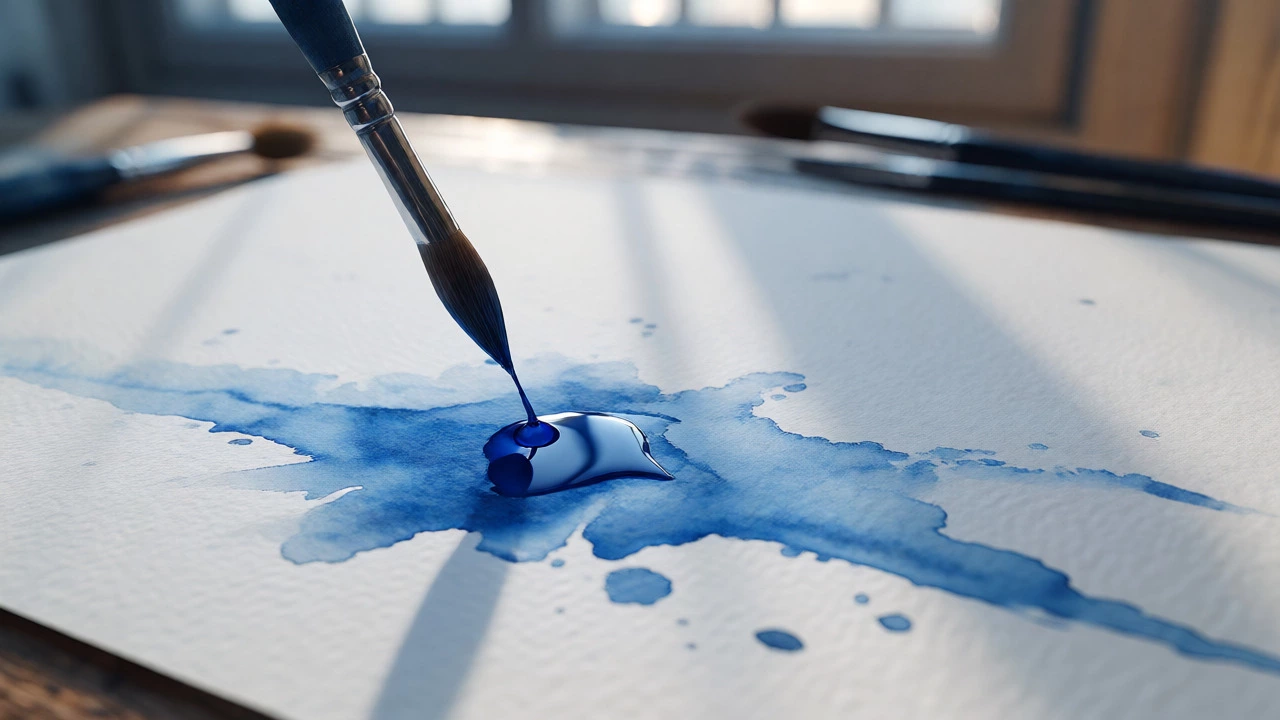
Water is a dynamic fluid, not a static carrier. When you apply a wash, the water moves across the paper surface based on gravity, tilt, and surface tension. It seeks out lower areas, pooling in valleys and leaving ridges dry. This behavior creates hard edges, known as backruns or blooms, which look like accidental stains if you don't know how to manage them.
Controlling this flow requires precise timing. You have to know exactly when the paper is too wet (causing uncontrolled bleeding) versus too dry (preventing smooth blending). There is a narrow window of opportunity-often just seconds-where the moisture level is perfect for soft gradients. Miss this window, and you get either a fuzzy mess or a patchy, uneven texture. Mastering this timing takes hundreds of hours of practice because it relies on tactile feedback rather than visual confirmation alone.
Paper Quality Makes or Breaks Your Work
Many beginners buy cheap student-grade paper and then blame their lack of skill for poor results. The truth is, low-quality paper fights against you. Cheap paper often contains fillers and sizing agents that prevent proper absorption. Instead of soaking up the pigment, the water sits on top, leading to puddles that burst and create unwanted rings.
High-quality Cotton Paper, such as those made by Arches or Fabriano, behaves differently. It has a natural tooth that holds pigment in place and allows for multiple washes without pilling. The difference between cotton and wood-pulp paper is stark. Cotton paper absorbs water evenly and maintains its structural integrity when wet. Wood-pulp paper tends to buckle, warp, and tear under the same conditions. Using the wrong substrate is like trying to run a marathon in flip-flops; you might move forward, but you won't do it gracefully.
| Paper Type | Material | Absorption | Durability | Best For |
|---|---|---|---|---|
| Cold Press (Cotton) | 100% Cotton | Slow, even | High (allows lifting) | General use, detailed work |
| Hot Press (Cotton) | 100% Cotton | Fast, surface-level | Medium | Botanical illustrations, fine lines |
| Student Grade (Wood Pulp) | Cellulose/Wood Pulp | Inconsistent | Low (tears easily) | Practice sketches, quick studies |
| Board (Mounted) | Cotton on board | Very slow | Extremely High | Large washes, heavy manipulation |
Color Mixing Isn't What You Think It Is
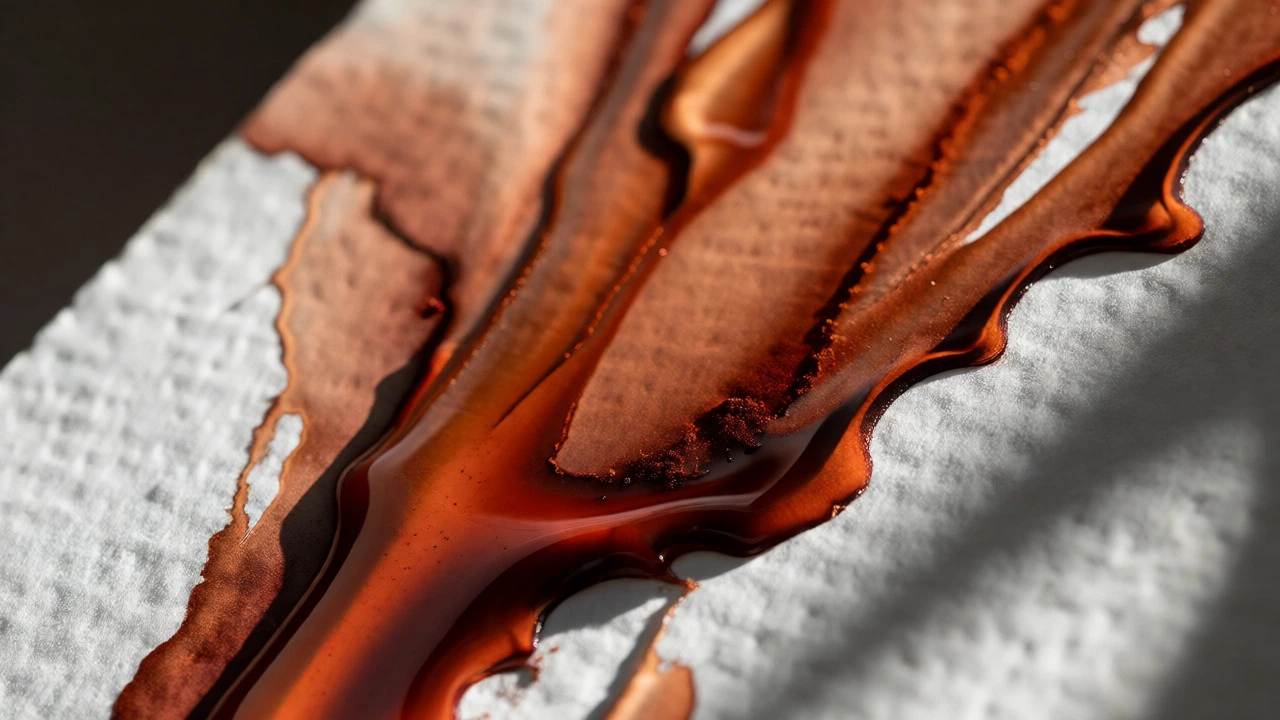
When you mix red and blue paint on a palette, you expect a clean purple. But when you mix them on paper using the wet-on-wet technique, the result can turn brown or gray. Why? Because watercolor pigments are granular. As the water evaporates, heavier particles settle into the paper fibers faster than lighter ones. This separation causes colors to break apart visually.
Furthermore, many modern watercolors contain fillers or extenders to reduce cost. These additives can dull colors when mixed. Professional-grade paints use pure pigment loads, which stay vibrant longer. However, even professional paints require understanding of Granulation. Some pigments, like Ultramarine Blue or Burnt Sienna, naturally separate into textured patterns. This isn't a flaw; it's a feature. But if you want smooth skies, you need non-granulating paints like Phthalo Blue. Knowing which pigment does what saves you from mixing disasters.
The Problem of White Space
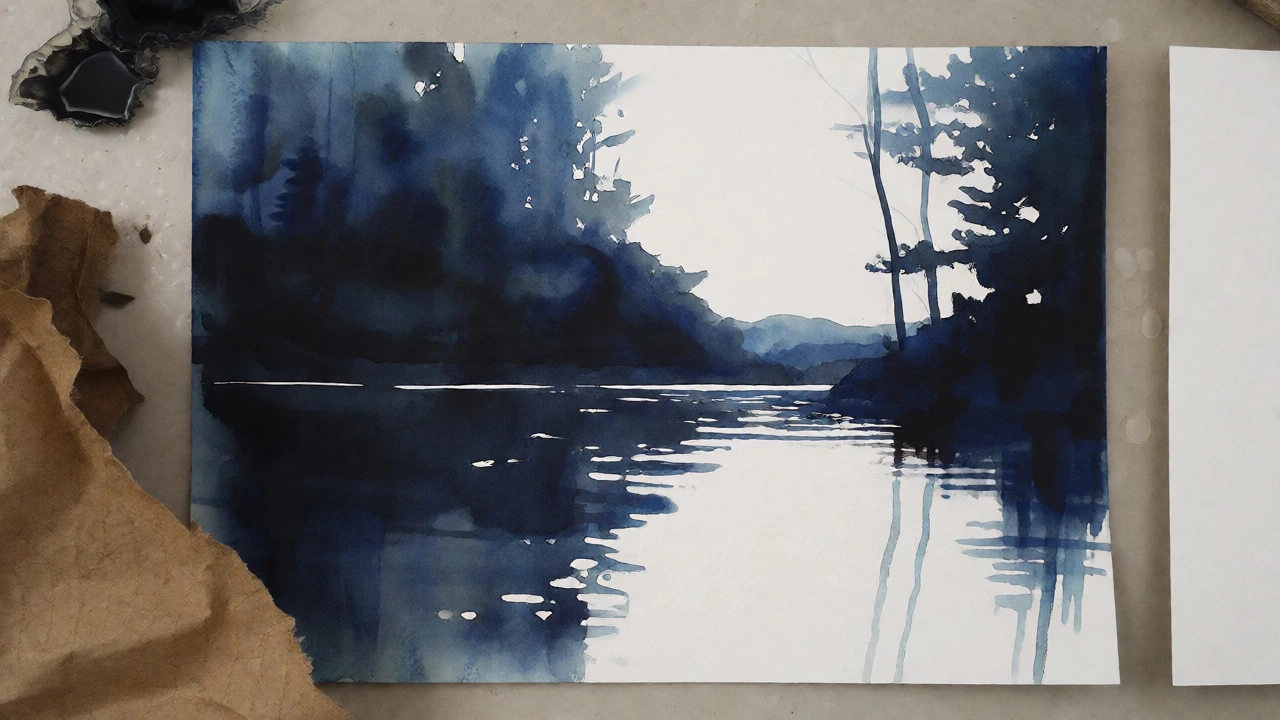
In most other media, white is something you add. You use white paint to highlight areas. In watercolor, white is the absence of paint. It is the paper itself. This means you must plan your highlights before you make your first mark. Once you cover a white area with yellow, you cannot simply paint white over it to bring it back. You have to leave that space empty.
This requires a different kind of spatial awareness. Beginners often paint over everything, losing the luminosity that makes watercolor special. They try to "fix" shadows by adding more dark color, only to find the painting looks flat and muddy. Preserving whites demands discipline. It means resisting the urge to fill every gap. Learning to trust the negative space is one of the hardest psychological hurdles for new artists.
How to Make It Easier
If you feel overwhelmed, you aren't doing it wrong-you're just using the wrong tools or expectations. Here is how to reduce the difficulty curve:
- Upgrade your paper immediately. Stop buying $5 pads of wood pulp. Buy one sheet of 300gsm cold-press cotton paper. Practice on that single sheet until you understand how it handles water.
- Limit your palette. Use three colors: a warm primary, a cool primary, and a neutral earth tone. Fewer variables mean fewer unexpected mud mixes.
- Tilt your board. Always paint with your paper tilted at about 30 degrees. This uses gravity to help move water where you want it, preventing puddles from forming randomly.
- Accept imperfection. Watercolor is organic. Blooms and textures add character. Don't try to make it look like a photograph. Let the medium speak.
Frequently Asked Questions
Is watercolor harder than acrylic?
Generally, yes. Acrylics are opaque and forgiving; you can paint over mistakes once they dry. Watercolor is transparent, so errors remain visible. Additionally, acrylics allow for thicker applications and corrections, whereas watercolor relies on precise water control and permanent strokes.
Can I fix mistakes in watercolor?
You can lift some color if the paint is still wet or if you use a stiff brush and clean water on sturdy cotton paper. However, this rarely removes all pigment and often leaves a ghost image. Once fully dry, especially with staining pigments, mistakes are mostly permanent. Prevention is far easier than correction.
Does expensive paper really matter?
Yes, significantly. High-quality cotton paper absorbs water evenly and allows for reworking without tearing. Cheap wood-pulp paper repels water initially, causing puddling, and then breaks down when scrubbed. The difference in performance can make a beginner's job exponentially harder.
Why does my watercolor look muddy?
Muddiness usually comes from over-blending complementary colors (like red and green) or using dirty water. Each time you dip your brush, ensure the water is clear. Also, avoid mixing too many pigments together. Stick to two or three colors per mix to maintain vibrancy.
How long does it take to master watercolor?
Proficiency varies, but most artists report feeling comfortable with basic techniques after six months to a year of consistent practice. Mastery of advanced effects like controlled blooms and complex glazing can take several years. Patience is key because progress is often non-linear.