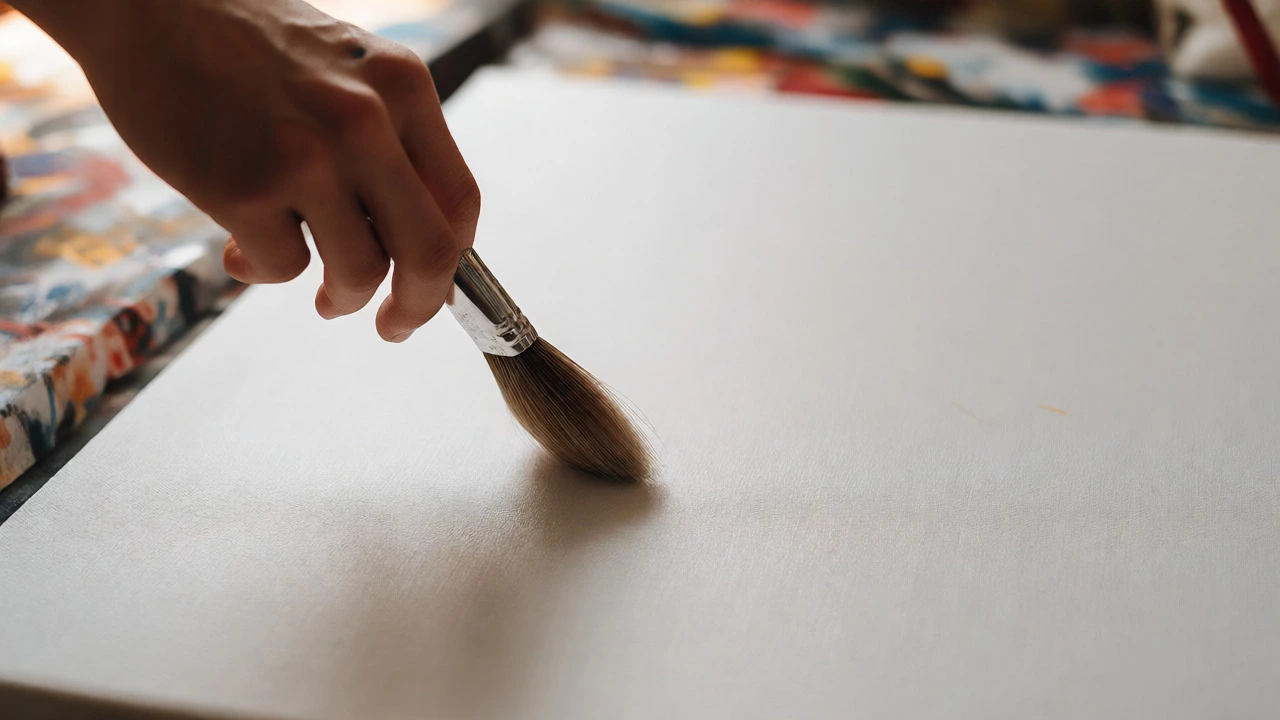
Abstract Composition Balance Simulator
In abstract art, "weight" is optical, not physical. Darker, smaller, and sharper shapes often feel heavier than large, light, soft ones. Use this simulator to place elements on the canvas and see if you can achieve a balanced composition where the eye stays within the frame.
Shape Properties
The tool calculates a "center of gravity" based on visual weight rules:
- Dark colors > Light colors
- Small shapes > Large shapes
- Sharp angles > Soft curves
- Distance from center adds torque
You look at a canvas splashed with chaotic reds and jagged black lines. Your brain immediately tries to find a shape-a face, a tree, a car. When it finds nothing, you might think, "My kid could do that." It’s the most common reaction to abstract painting, and it’s completely understandable. We are wired to recognize patterns. But here is the twist: removing those patterns is actually harder than drawing them.
If you have ever tried to paint something realistic, you know the rules. A nose goes in the middle. Shadows fall away from the light. If you mess up, you can fix it by looking at a photo. In abstract art, there is no photo. There is no reference. You are building a world from scratch, where every single mark has to justify its existence on its own merits. No hiding behind a recognizable subject. No excuses.
The Trap of "Anything Goes"
A huge misconception is that abstract art means you can just throw paint at a wall and call it done. While action painters like Jackson Pollock made it look effortless, their work was highly controlled chaos. Every drip had a velocity, a density, and a destination. If you try this without understanding the physics of paint or the rhythm of composition, you don’t get art; you get a stain.
The difficulty lies in the lack of external validation. In figurative art, if you paint a horse and it looks like a cow, you know you failed. The viewer knows they failed. In abstraction, the feedback loop is internal. You have to be your own harshest critic. You need to ask: Does this blue clash with that orange? Is this empty space too heavy? These questions don’t have objective answers, which makes decision-making exhausting for many artists.
Visual Balance Without Weight
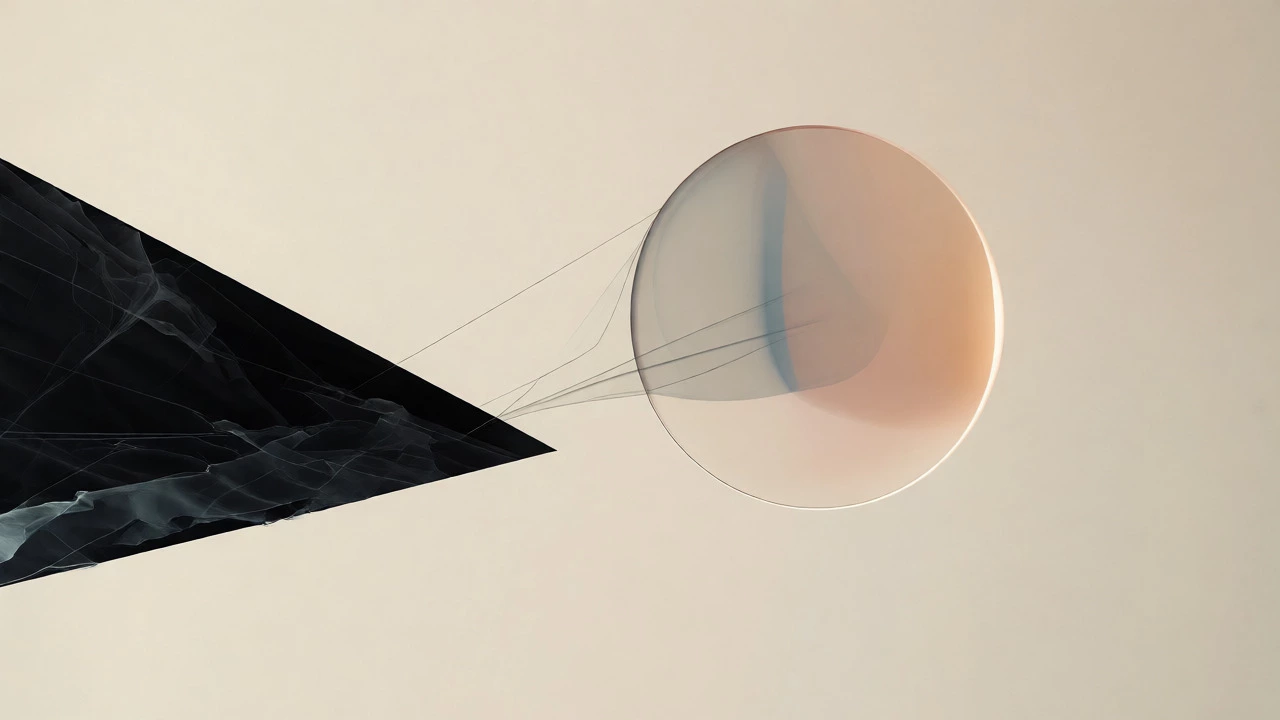
In traditional painting, weight is physical. A large rock at the bottom of the canvas feels stable because we know rocks are heavy. In non-representational art, weight is optical. A small, dark, sharp triangle in the corner can feel heavier than a large, pale, soft circle in the center. This is called visual balance.
Maintaining this balance is a tightrope walk. If one side of the canvas feels "heavy," the viewer’s eye slides off the edge, and the image feels unresolved. Artists spend weeks shifting shapes, changing colors, or adding texture just to make the eye stay inside the frame. It’s not about beauty; it’s about structural integrity. Think of it like architecture. You wouldn’t build a house with all the walls on one side. Abstract painting requires the same engineering mindset, but with invisible forces.
| Aspect | Figurative Painting | Abstract Painting |
|---|---|---|
| Reference | Photos, models, real life | Memory, emotion, intuition |
| Failure Mode | Bad anatomy, wrong perspective | Unbalanced composition, lack of intent |
| Viewer Expectation | Recognition ("Is that a dog?") | Experience ("How does this feel?") |
| Skill Focus | Draftsmanship, rendering | Color theory, spatial awareness |
The Burden of Intent
When you paint a portrait, the intent is clear: capture the likeness. In abstract work, you must generate the intent yourself. Why did you choose this specific shade of yellow? Why is that line broken instead of solid? If you can’t answer these questions, the work often feels random rather than expressive.
This leads to what many artists call "the blank canvas paralysis." With no subject to guide you, the infinite possibilities become overwhelming. Do you start with color? With form? With texture? Each choice locks out other possibilities. Unlike a landscape painter who follows the contours of a mountain, an abstract artist has to invent the logic of the piece as they go. It requires a strong conceptual framework, even if that framework is purely emotional.
Mastering Color Interaction
Without objects to distract the viewer, color becomes the primary language. And color is tricky. Colors change depending on what sits next to them. A bright red looks vibrant against green but muddy against brown. In realism, you can use local color (a banana is yellow). In abstraction, you rely entirely on color theory and interaction.
Artists like Mark Rothko mastered this by using large fields of color to create immersive experiences. He didn’t paint trees; he painted feelings. To achieve this, you need deep knowledge of how pigments mix, how light reflects off different surfaces, and how human psychology reacts to hue and saturation. One wrong tone can shift the mood from melancholic to cheerful instantly. Getting it right takes years of experimentation.
Editing Is Everything
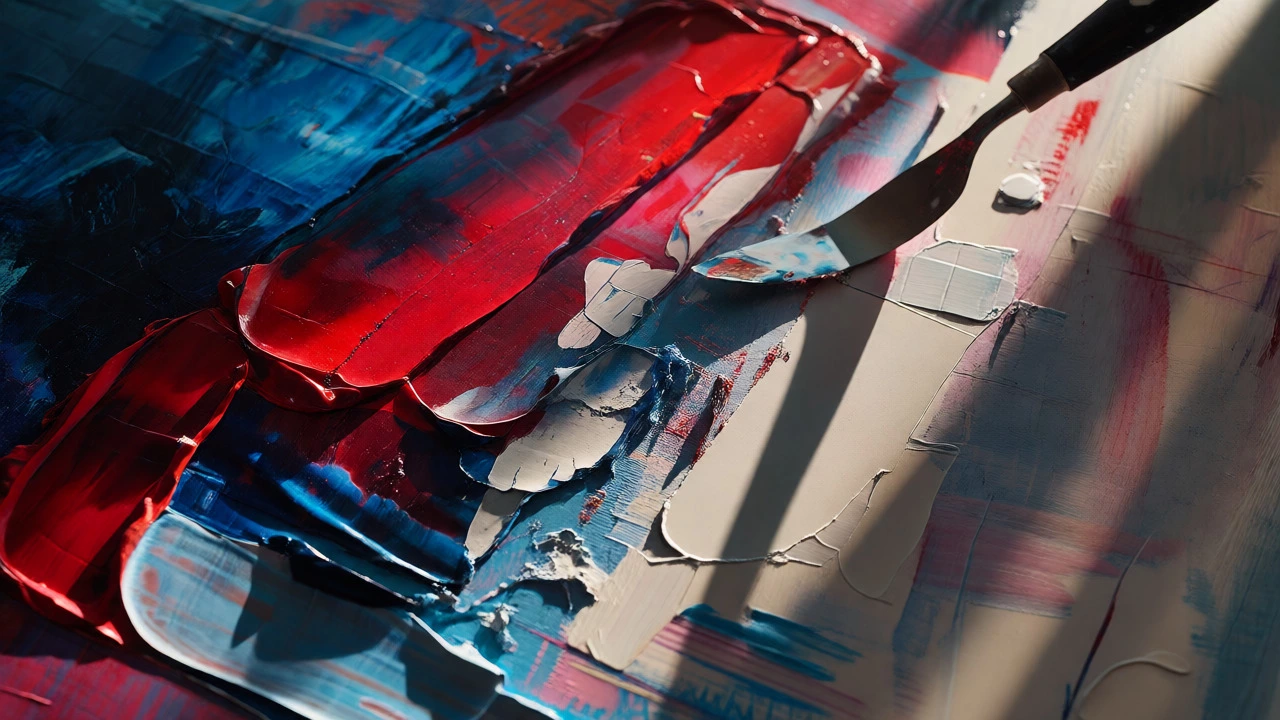
Here is a secret: good abstract paintings are mostly about what you remove. Beginners tend to add more and more layers, thinking complexity equals depth. They end up with a messy soup of colors. Experts strip things back. They scrape off paint. They wash out areas. They leave negative space breathing.
This editing process is mentally draining. It requires detachment. You have to kill your darlings-those beautiful brushstrokes that don’t serve the whole. If a detail draws attention to itself rather than contributing to the overall harmony, it has to go. This ruthless curation is why abstract art often looks simple. It’s not simple to make; it’s simple because the artist worked hard to make it so.
Communicating Emotion Without Words
Finally, the hardest part is communication. How do you convey grief without showing a crying person? How do you show joy without a smiling face? You have to translate abstract concepts into visual signals. Sharp angles might suggest tension. Soft curves might suggest calm. Fast strokes might suggest energy.
This translation is subjective. What feels aggressive to you might feel energetic to someone else. Bridging that gap requires empathy and precision. You aren’t just decorating a surface; you’re trying to trigger a specific neurological response in the viewer. When it works, it’s powerful. When it fails, it’s just noise. That high stakes game is what makes abstract painting such a difficult, yet rewarding, discipline.
Is abstract painting easier than realistic painting?
No, it is generally considered more difficult conceptually. While realistic painting requires technical skill in draftsmanship and perspective, abstract painting requires advanced skills in composition, color theory, and self-editing without any external reference points to guide decisions.
Why do some people think abstract art is lazy?
People often mistake simplicity for laziness. Abstract art often removes recognizable details, making it look less labor-intensive than a detailed portrait. However, achieving balance and emotional resonance through simple forms requires significant mental effort and artistic refinement.
Do I need formal training to paint abstractly?
While you can start anytime, formal training helps significantly. Understanding principles like visual weight, color interaction, and compositional balance prevents the work from looking random. Many successful abstract artists have strong foundations in traditional techniques before breaking the rules.
What is the biggest mistake beginners make in abstract art?
The most common mistake is overworking the canvas. Beginners add too many elements, creating visual clutter. Successful abstract art often relies on restraint, negative space, and a limited palette to create a cohesive and impactful image.
How do I know if my abstract painting is finished?
A painting feels finished when adding another mark disrupts the balance, and removing one weakens the composition. Trust your gut: if the eye moves comfortably around the canvas without getting stuck or falling off the edge, you’ve likely achieved visual harmony.