Street Art Impact Calculator
Estimate the influence of your next wall project. Is it just decoration, or is it a voice for change?
Impact Score: 0/100
Breakdown:
- Visibility & Reach 0
- Social Resonance 0
- Community Value 0
Analysis:
Walk down any high street in Sheffield, London, or New York, and you’ll likely spot a splash of color on a brick wall. It might be a giant mural of a local hero, a witty political slogan, or an intricate stencil of a bird. For decades, people have argued about whether this is crime or creativity. But if you look past the legal gray areas, there is a clearer picture forming. The ultimate goal of street art isn't just to decorate a blank wall; it’s to hijack public attention and force a conversation.
Street art operates outside the white-walled galleries where critics dictate what matters. It belongs to the people who walk by every day. Whether it’s a quick tag or a massive community project, the intent is always rooted in connection, disruption, or preservation. Let’s break down what these artists are actually trying to achieve when they climb that ladder at 2 AM.
The Reclamation of Public Space
Think about your daily commute. You pass billboards selling cars, ads for fast food, and signs telling you where to shop. These spaces are curated by corporations with deep pockets. They decide what you see, how you feel, and what you buy. Street art flips this script. It reclaims visual territory from commercial interests and returns it to the community.
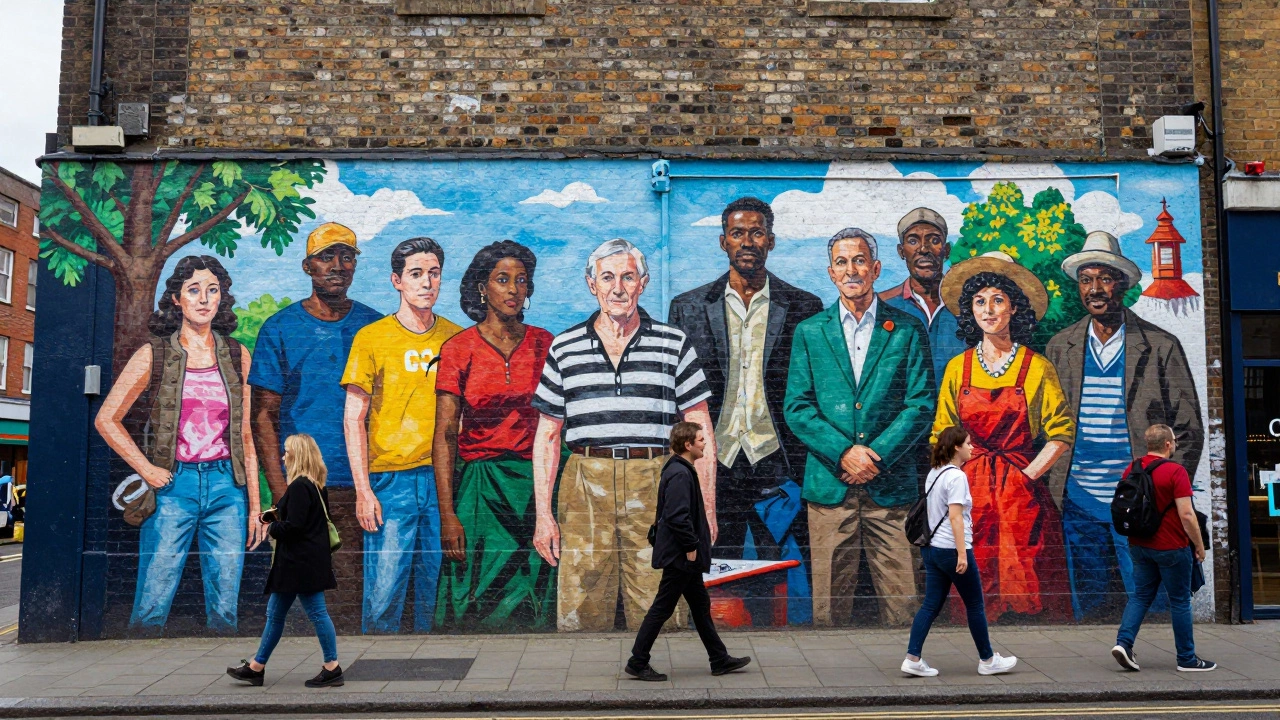
In cities like Berlin or Melbourne, entire neighborhoods have transformed because artists turned decaying industrial zones into open-air museums. This isn’t just aesthetic improvement; it’s a statement that the city belongs to its residents, not just developers. When an artist paints over a bland concrete wall with a vibrant scene of local life, they are asserting that human expression has value in the urban landscape. It turns passive observation into active engagement. You can’t ignore a mural that looks back at you.
- Disruption: Breaking the monotony of commercial advertising.
- Ownership: Giving communities a sense of pride in their immediate surroundings.
- Accessibility: Making art free and available to everyone, regardless of income.
Social Commentary and Political Protest
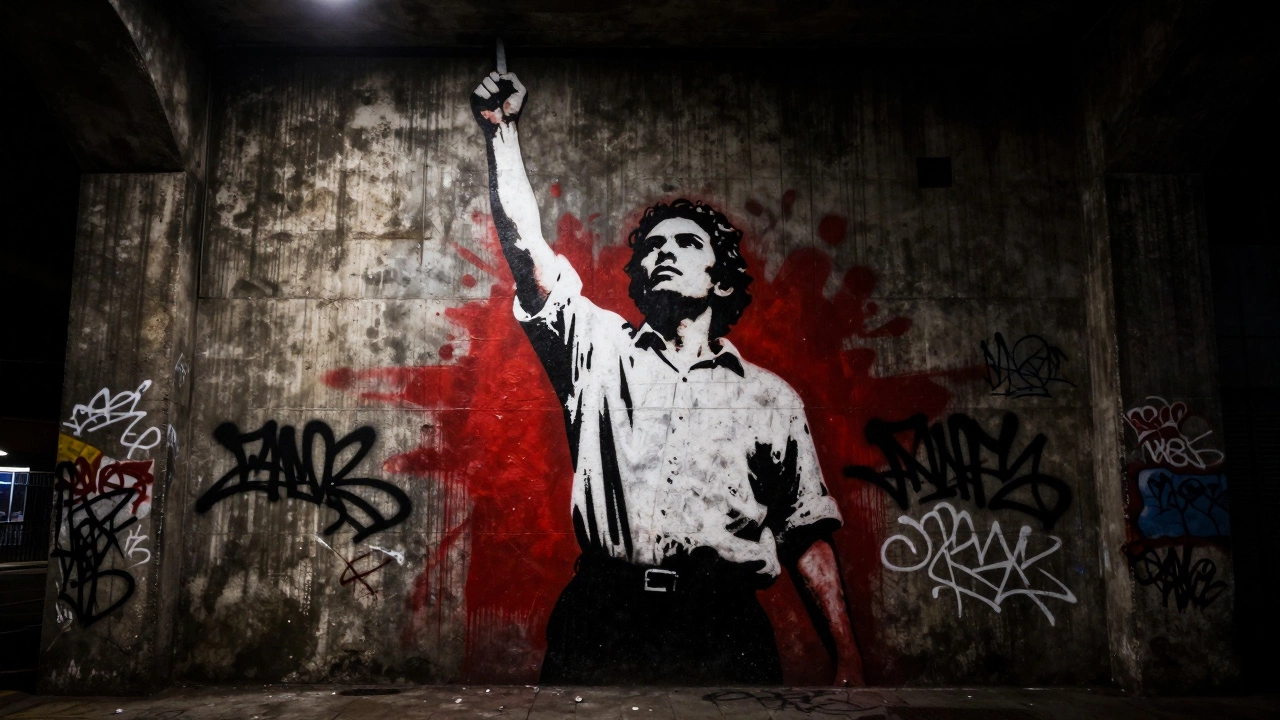
If decoration was the only goal, we’d stick to parks and plazas. But some of the most iconic street art is born from anger, grief, or hope. Artists use walls as newspapers, broadcasting messages that mainstream media might ignore or sanitize. This is perhaps the most powerful function of the medium: it gives voice to the voiceless.
Consider the work of Banksy, whose stencils often critique war, surveillance, and consumerism. Or look at the murals in Belfast during the Troubles, which documented sectarian conflict in real-time. In recent years, street art has become a crucial tool for movements like Black Lives Matter and climate activism. A single image can summarize complex political issues more effectively than a thousand-word essay. It stops traffic-literally and metaphorically.
This form of protest is effective because it cannot be easily censored without drawing even more attention. If authorities paint over a political message, they confirm its power. If they leave it, the message spreads via social media. The artist creates a dialogue between the state, the citizen, and the observer. It forces us to question authority and reflect on societal norms.
Community Building and Identity
Not all street art is rebellious. Much of it is collaborative. Community murals bring neighbors together to design and paint representations of their shared heritage. These projects foster a sense of belonging and reduce vandalism in the long run. When people see themselves reflected in their environment, they care more about protecting it.
In Sheffield, for example, local initiatives have used street art to revitalize neglected areas, turning them into destinations for tourists and locals alike. This isn’t gentrification in the negative sense; it’s cultural enrichment. It highlights local stories, historical figures, and diverse identities that might otherwise remain hidden. The goal here is cohesion. Art becomes a bridge between different generations and cultures within a neighborhood.
- Engagement: Workshops involve residents in the creative process.
- Representation: Murals depict local heroes, history, and diversity.
- Pride: Residents take ownership of the improved aesthetics.
The Evolution from Graffiti to Fine Art
To understand the goal of street art, we must acknowledge its roots in graffiti. Traditional graffiti, with its tags and throw-ups, was primarily about visibility and status within a subculture. Writers wanted their names known across the city. It was a claim of existence in a world that often ignored them.
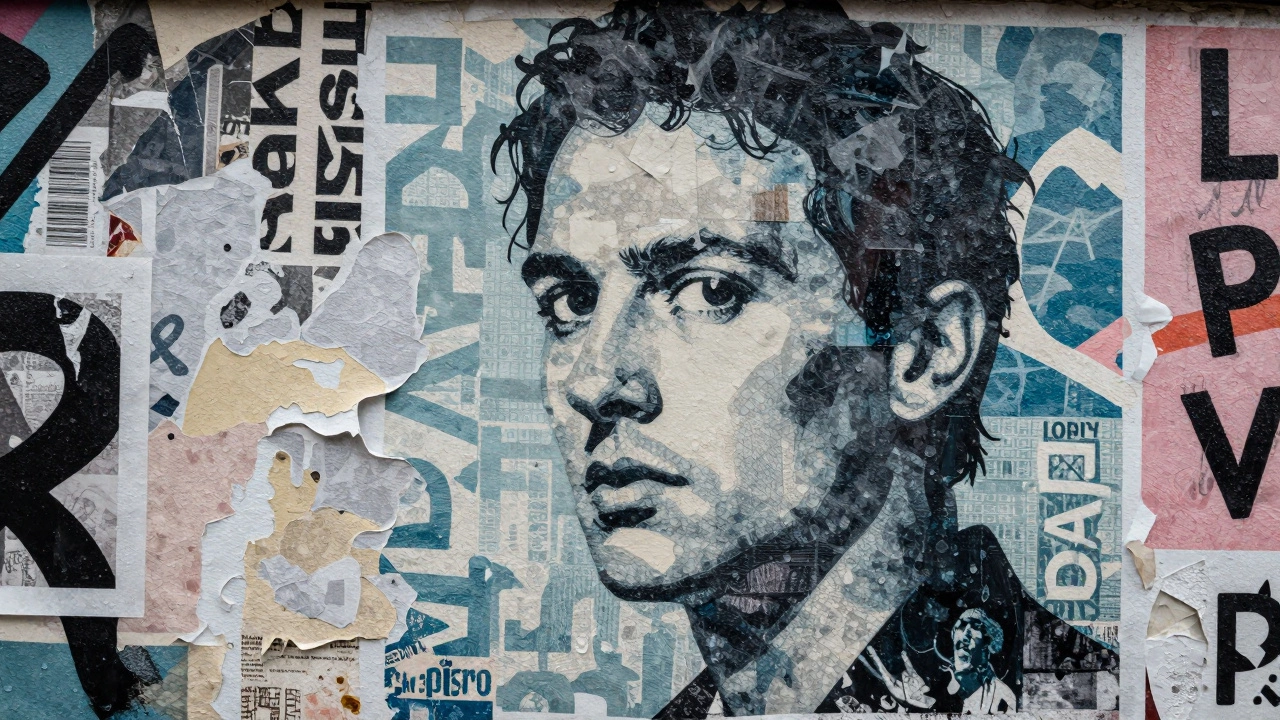
Over time, this evolved into piece-style graffiti and then into the broader category of street art, which includes stencils, wheatpaste posters, installations, and mosaics. As the style matured, so did the intent. While early graffiti was inward-looking (focused on the crew), modern street art is outward-looking (focused on the viewer). However, the tension remains. Purists argue that once street art enters galleries or sells for millions at auction, it loses its soul. Others argue that this crossover validates the medium and brings its messages to wider audiences.
| Aspect | Traditional Graffiti | Modern Street Art |
|---|---|---|
| Primary Audience | Other writers/subculture | General public |
| Main Motivation | Fame, territory, skill display | Message, beauty, social change |
| Techniques | Spray paint, markers | Stencils, wheatpaste, mosaics, projection |
| Legal Status | Almost always illegal | Mixed (illegal to commissioned) |
Economic Impact and Urban Regeneration
Let’s talk money, because it’s part of the reality. Street art has become a marketing tool for cities. Festivals like Mural Festival in Bristol or Wynwood Walls in Miami attract tourists, boost local businesses, and increase property values. Critics call this "artwashing"-using culture to mask economic displacement. Supporters say it funds further artistic endeavors and improves quality of life.
The ultimate goal here shifts slightly. For some artists, it’s about sustainability-getting paid to create work they believe in. For city planners, it’s about branding. This duality creates friction. Can art remain authentic if it’s sponsored by a corporation? Many artists navigate this by maintaining control over their message, ensuring that even commissioned works carry genuine artistic integrity rather than pure propaganda.
Preservation of Ephemeral Beauty
Unlike paintings in museums, street art is temporary. Rain, sun, and city councils will eventually erase it. This impermanence is part of its appeal. It reminds us that nothing lasts forever, encouraging us to appreciate the moment. Some artists embrace this transience, creating works meant to fade quickly. Others document everything digitally, preserving the legacy online.
This ephemerality also keeps the scene fresh. There’s no static canon; the streets are always changing. New voices emerge, old ones disappear, and the visual language evolves. The goal is to capture the zeitgeist-the spirit of the times-in a fleeting gesture. It’s a snapshot of society that may vanish tomorrow but lives on in memory and photos.
Is street art considered vandalism?
Legally, yes, if done without permission on private or public property. However, culturally, many view it as a legitimate form of expression. The distinction often depends on context, scale, and community reception. Commissioned murals are widely accepted, while unauthorized tags remain controversial.
How does street art differ from graffiti?
Graffiti focuses on lettering, style, and writer identity, often within a subculture. Street art encompasses a wider range of techniques (stencils, paste-ups) and aims to communicate messages to the general public. While they overlap, their primary goals and audiences differ.
Can street art change society?
Yes, by raising awareness, sparking dialogue, and challenging norms. While it rarely causes immediate legislative change, it shapes public opinion and keeps important issues visible. It empowers marginalized voices and fosters community solidarity.
Why do some cities welcome street art while others ban it?
Cities that welcome it often see economic benefits through tourism and urban regeneration. Those that ban it may prioritize order, property rights, or fear association with criminal activity. Policy varies based on local culture, governance, and past experiences with unsanctioned art.
Who are some famous street artists?
Banksy, Shepard Fairey, JR, Keith Haring, and Basquiat are among the most recognized. Each brought unique styles and messages to the streets, influencing global perceptions of urban art and bridging the gap between underground culture and mainstream recognition.