Fine Art Photography Readiness Assessor
Slide each bar to rate how strongly your work embodies these key distinctions between commercial documentation and fine art.
You show promise but need stronger conceptual focus and consistent voice.
Key Recommendations
- • Strengthen your artist statement to clarify intent.
- • Focus on building cohesive series rather than single images.
Most people think fine art photography is just a pretty picture. But if you’ve ever stood in front of a large-format print at a gallery and felt completely confused by why it was there, you’re not alone. The line between "nice photo" and fine art photography isn't about resolution or lighting tricks-it’s about intention. It’s about whether the image says something that couldn’t be said any other way.
So, what actually separates a professional landscape shot from a piece of fine art? Is it the equipment? The subject? Or is it something deeper, like the story behind the lens? Let’s break down the real criteria that curators, critics, and collectors use to judge these works.
The Core Distinction: Intent vs. Documentation
The first and most critical criterion is intent. Documentary photography records what is; fine art photography interprets what could be. When a photographer takes a picture of a street scene for a news report, the goal is accuracy. When an artist shoots the same street but manipulates light, angle, or timing to evoke loneliness or chaos, they are creating art.
Fine Art Photography is a genre where the photographer uses the camera as a tool for personal expression rather than objective recording. This means the final image is often a reflection of the artist's inner world, philosophy, or emotional state. If you can describe the photo purely by its subject matter (e.g., "a dog sitting on a bench"), it might lack the conceptual layer required for fine art status. If you have to ask "why did they shoot this?" or "what does this mean?", you’re likely looking at fine art.
Think of it this way: a wedding photograph captures a moment in time. A fine art portrait of a bride might capture the anxiety, joy, or societal pressure associated with marriage. The subject is the same; the intent changes everything.
Conceptual Depth and Narrative
Beyond intent, fine art photography usually carries a narrative or conceptual weight. This doesn’t mean every photo needs a complex backstory, but it should offer more than immediate visual pleasure. The best works invite the viewer to engage their brain, not just their eyes.
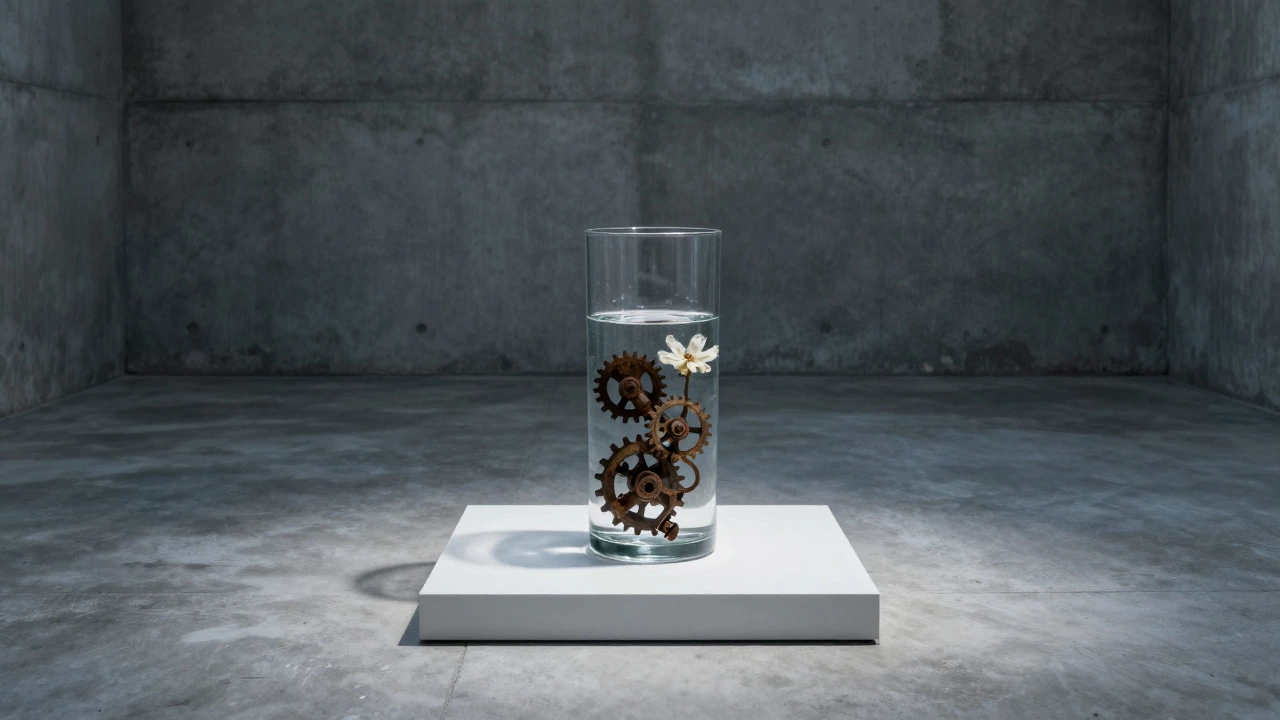
- Symbolism: Using objects or scenes to represent larger ideas (e.g., using water to symbolize memory or loss).
- Juxtaposition: Placing contradictory elements together to create tension or meaning.
- Series Context: Many fine art photographers work in series. A single image might seem abstract, but when viewed alongside ten others, a clear theme emerges. This context is crucial for understanding the artist’s vision.
For example, Edward Burtynsky’s aerial shots of industrial landscapes aren’t just cool pictures of factories. They comment on humanity’s impact on the earth. Without that conceptual layer, they’re just high-resolution photos of dirt and metal.
Technical Mastery and Craftsmanship
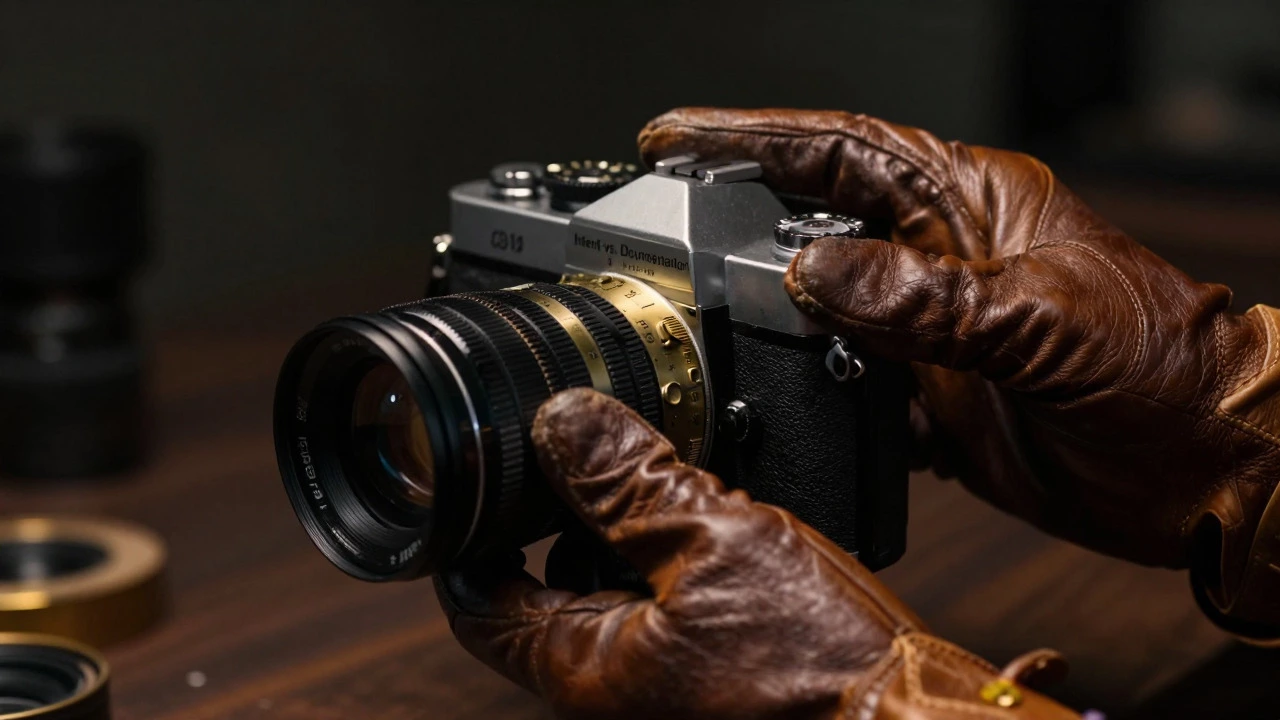
Does technical perfection equal fine art? Not necessarily, but technical competence is non-negotiable. You don’t need the most expensive camera, but you do need control over your tools. Blurry images due to shaky hands won’t pass muster unless the blur itself is a deliberate artistic choice.
Technical Mastery refers to the photographer's ability to execute their vision without unintended errors. This includes exposure, composition, color management, and post-processing. In the digital age, post-processing is part of the craft. Whether you use Lightroom, Photoshop, or darkroom techniques, the edits must serve the concept. If you add a filter just because it looks "cool," it’s decoration. If you alter the tones to enhance a feeling of dread, it’s art direction.
Consider the difference between a snapshot and a constructed image. In fine art, every pixel is placed with purpose. The composition guides the eye exactly where the artist wants it to go. There are no accidental distractions.
Originality and Personal Voice
If your photo looks like everyone else’s, it’s hard to call it unique. Fine art photography demands a distinct visual signature. This voice comes from consistent choices in style, subject matter, and technique over time.
Look at the work of Annie Leibovitz versus Steve McCurry. Both are masters, but their voices are unmistakable. Leibovitz uses controlled studio lighting and intimate portraiture to reveal character. McCurry uses available light and documentary framing to tell global stories. Neither is "better"-they just have different voices. For your work to be considered fine art, it needs to feel like *you*. If you could swap your name with another photographer’s and no one would notice, you might need to dig deeper into your personal aesthetic.
Presentation and Medium
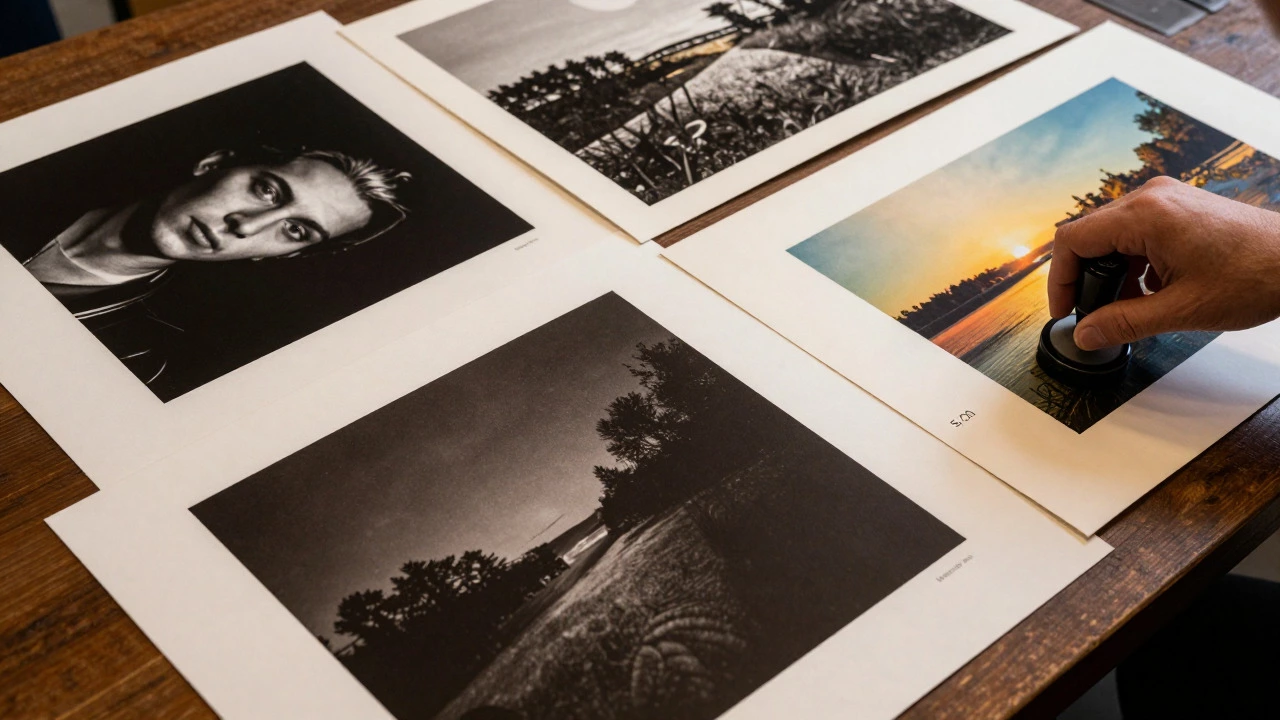
How the photo is presented matters more than people think. A fine art photograph is rarely just a JPEG on a screen. It’s a physical object. The choice of paper, printing method, and framing contributes to the artwork’s identity.
A limited edition adds value and scarcity. When a collector buys a print, they want to know it’s part of a small run, signed and numbered by the artist. This transforms the photo from a copy into an original work of art.
Reception and Critical Discourse
Finally, fine art photography exists within a community. It’s judged by critics, exhibited in galleries, and discussed in academic circles. While you don’t need a degree to make fine art, understanding the discourse helps. Knowing the history-from the Pictorialists of the early 1900s to the New Topographics of the 1970s-helps position your work in the broader conversation.
Is your work challenging the status quo? Is it expanding what we think a photograph can be? These questions drive the critical reception. If your work fits neatly into existing boxes without adding new perspectives, it may struggle to gain traction in the fine art world.
Common Pitfalls to Avoid
Many aspiring fine art photographers get stuck in these traps:
- Over-reliance on Gear: Thinking a $5,000 camera makes you an artist. It doesn’t. It just gives you better data. The art is in the decision-making.
- Lack of Series: Submitting single images to galleries. Curators want to see a body of work that tells a cohesive story.
- Ignoring the "Why": If you can’t articulate why you made the photo in two sentences, you might not have a strong enough concept.
- Chasing Trends: Doing what’s popular on Instagram right now. Fine art tends to be timeless, not trendy.
Remember, fine art photography is a marathon, not a sprint. It requires patience, self-reflection, and a willingness to be misunderstood. But when you nail it, the reward is creating something that resonates long after the viewer has walked away from the wall.
Do I need to edit my photos heavily to make them fine art?
Not necessarily. Heavy editing can be a distraction if not purposeful. Some fine art photographers prefer minimal processing to let the raw reality speak. Others use digital manipulation extensively. The key is that the editing must serve the concept. If the edit enhances the meaning, it’s valid. If it just makes the colors pop, it’s commercial.
Can a smartphone photo be fine art?
Yes. The medium doesn’t determine the art. What matters is the vision, execution, and presentation. If you take a photo on an iPhone, print it on archival cotton rag paper, sign it, and number it as part of a limited series with a strong concept, it is fine art photography. The constraint of the phone can even become part of the artistic statement.
What is the difference between fine art and commercial photography?
Commercial photography aims to sell a product or service. Its success is measured by conversion rates and brand alignment. Fine art photography aims to express an idea or emotion. Its success is measured by critical acclaim, gallery sales, and cultural impact. One serves a client; the other serves the artist’s vision.
How do I get my fine art photography into galleries?
Start by building a cohesive portfolio of 10-15 images that tell a story. Research galleries that align with your style. Send a professional proposal including your CV, artist statement, and high-res images. Persistence is key. Many artists are rejected multiple times before finding the right fit. Networking at local exhibitions also helps build relationships with curators.
Is fine art photography subjective?
Yes, inherently. However, there are objective criteria like technical execution, consistency, and conceptual clarity. While taste varies, the fine art community shares a common language and set of expectations. Understanding these norms helps you communicate your work effectively to critics and collectors.