Modern Art "Scam" Detector
Ever looked at a banana taped to a wall and wondered if it's genius or a grift? Use this calculator to assess the "Artistic Merit vs. Market Hype" ratio of a hypothetical (or real) modern artwork.
Adjust the sliders and click Analyze to see if this piece passes the sniff test.
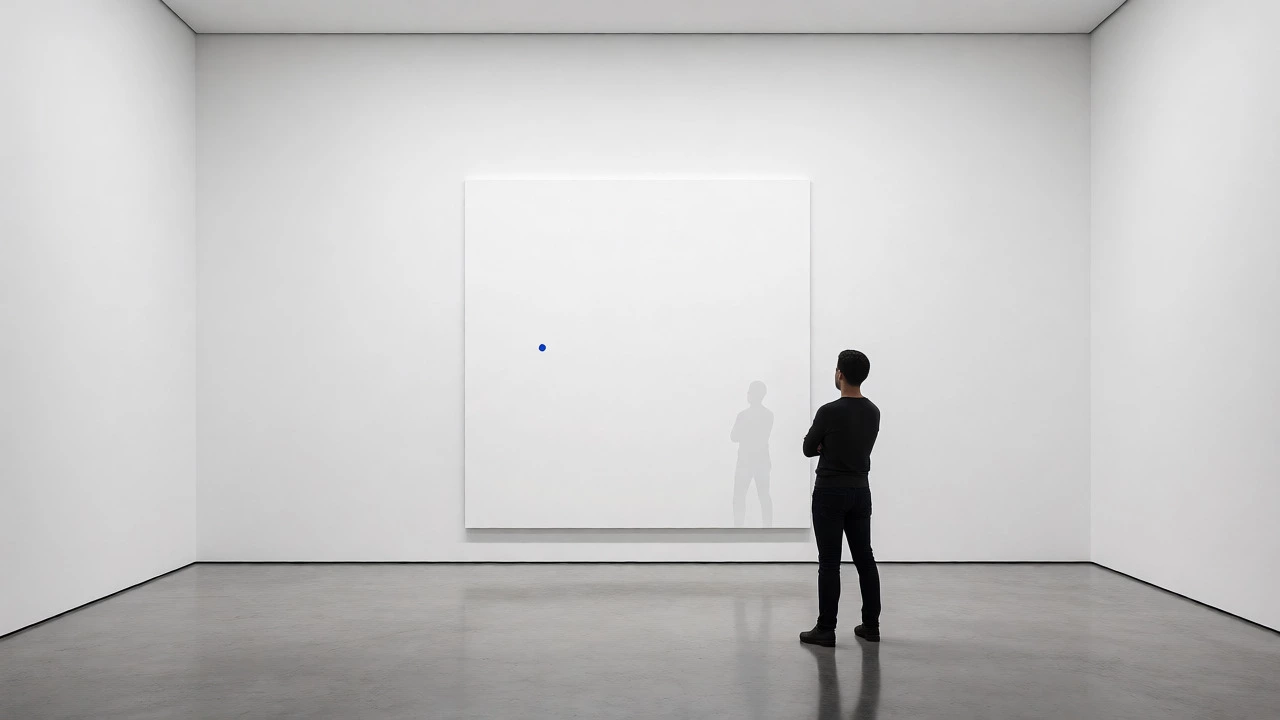
You walk into a gallery, stare at a white canvas with a single blue dot, and feel that familiar knot of frustration tighten in your stomach. Is this really art? Or is it just a prank played on our wallets? If you’ve ever felt cheated by Modern Art or its younger sibling, Contemporary Art, you are not alone. The debate isn’t about whether these works have value; it’s about why so many people find them inaccessible, unskilled, or even fraudulent.
This friction between traditional expectations and modern practices has fueled decades of heated arguments. People don’t just dislike modern art; they often actively distrust it. But where does this skepticism come from? Is it snobbery, or is there something genuinely broken in how we consume culture today? Let’s break down the most common arguments against modern art, looking past the insults to understand the real criticisms regarding skill, meaning, and money.
The "My Kid Could Do That" Argument
The most frequent complaint heard in museum gift shops is simple: "I could do that." This isn’t just a lazy dismissal; it’s a valid critique of technical visibility. For centuries, art was judged by mastery-how well an artist could render light, anatomy, or perspective. When Jackson Pollock dripped paint onto canvases, he wasn’t trying to hide his skill; he was redefining what action looked like. But for the average viewer, the lack of visible technical labor creates a disconnect.
When you see a Rothko color field painting, you aren’t seeing brushstrokes that took months to perfect in the classical sense. You’re seeing a decision. Critics argue that when the barrier to entry is low enough for anyone to replicate the physical act, the value shifts entirely to the concept. And if the concept requires a ten-page essay to justify, many viewers feel excluded. They aren’t criticizing the art because they lack education; they’re criticizing it because the work doesn’t communicate without external validation. If a piece needs a placard to explain why it’s profound, did it fail as a visual experience?
The Crisis of Meaning and Accessibility
Art used to tell stories. You could look at a Renaissance fresco and know exactly who was dying, who was praying, and why it mattered. Modern art, particularly since the mid-20th century, often abandoned narrative for abstraction. This shift created a language gap. Abstract Expressionism, pioneered by figures like Mark Rothko and Willem de Kooning, focused on emotional resonance rather than depiction.
For many, this feels like elitism. The argument here is that modern art has become self-referential. Artists create for other artists, critics, and curators, creating an echo chamber that ignores the general public. When a work is deliberately obscure, it forces the viewer to work harder to find meaning. While some enjoy this puzzle, others feel bullied by the expectation that they must be "smart enough" to get it. If art becomes a test of cultural capital rather than a shared human experience, it loses its social function.
The Financial Bubble and Speculative Value
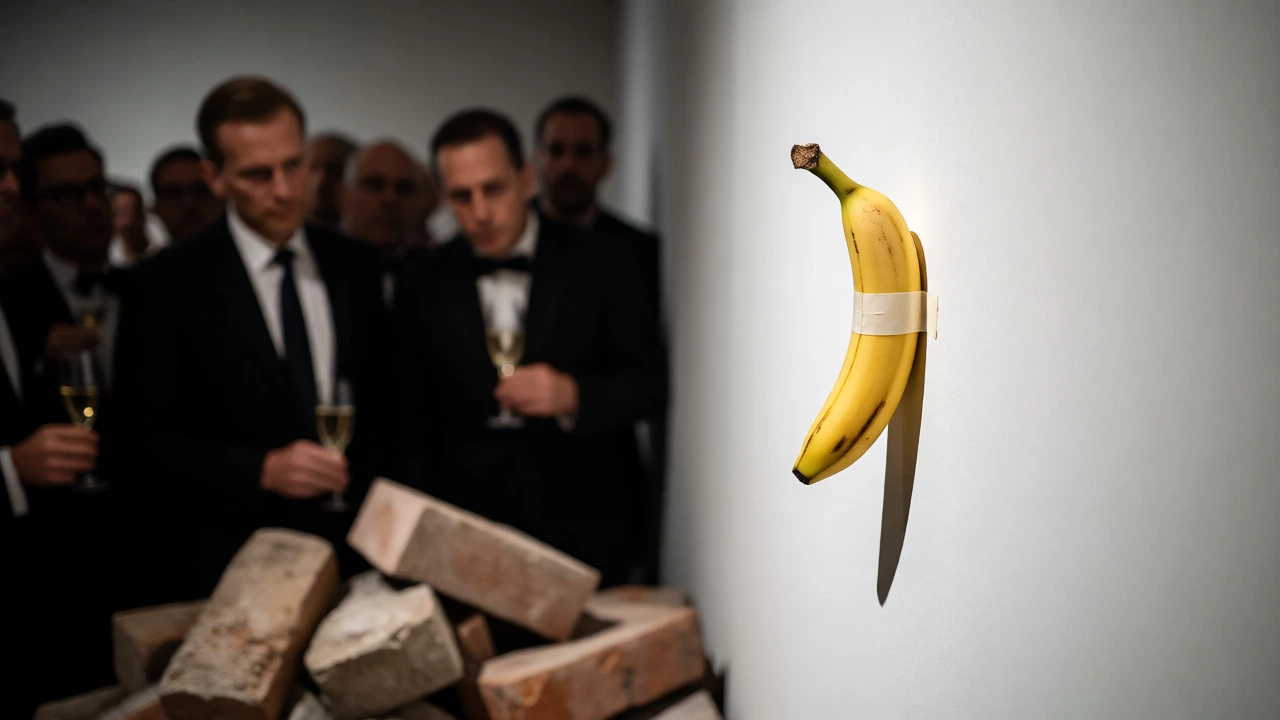
Perhaps the strongest argument against modern art isn’t aesthetic-it’s economic. How does a banana taped to a wall sell for $120,000? This question targets the commodification of culture. In the traditional art world, value was tied to scarcity, age, and provenance. In the modern market, value is often driven by speculation, brand recognition, and tax incentives.
| Factor | Traditional Art | Modern/Contemporary Art |
|---|---|---|
| Primary Driver | Technical Mastery & Historical Significance | Conceptual Novelty & Artist Brand |
| Time Investment | High (Years per piece) | Variable (Often rapid production) |
| Market Stability | Stable (Historical precedent) | Volatile (Speculative trends) |
| Buyer Motivation | Aesthetic Appreciation & Legacy | Investment & Social Status |
Critics point out that the modern art market functions less like a gallery and more like a hedge fund. Works by artists like Jeff Koons or Damien Hirst are bought not necessarily because they move the soul, but because they hold asset value. This financialization alienates people who view art as a spiritual or intellectual pursuit. When price tags reach eight figures for minimal effort, the argument follows, the market has detached from intrinsic worth. It suggests that wealth buys legitimacy, not quality.
Institutional Gatekeeping and Elitism
Who decides what is art? Historically, academies decided. Today, it’s a network of galleries, museums, biennales, and critics. This system is often accused of gatekeeping. The argument is that institutions validate bad or mediocre work simply because it fits a theoretical framework favored by academics. If a curator says a pile of bricks is art, the institution lends it authority.
This creates a power imbalance. Viewers feel that their natural intuition is wrong because experts say otherwise. This dynamic breeds resentment. People suspect that the emperor has no clothes, but saying so marks them as unsophisticated. The institutional defense is that context matters-that the history of art allows for deconstruction. But for the skeptic, this feels like circular logic: It’s art because the powerful people in the room say it is.
Lack of Craftsmanship and Effort
We live in an era that values efficiency, but we also respect sweat equity. When we see a marble sculpture carved by hand, we appreciate the thousands of hours of labor. Modern art, particularly conceptual and installation pieces, often outsources production. An artist might sketch an idea, and a factory builds it. Does this diminish the art?
Critics argue yes. They believe that the struggle of creation is part of the message. When the process is hidden or industrialized, the connection between maker and object breaks. This isn’t just about nostalgia for oil paints; it’s about authenticity. If an artist can buy a ready-made object and declare it art, where is the creative risk? The argument posits that removing the physical difficulty removes the emotional weight.
Is Modern Art Dead?
Some theorists, including Francis Fukuyama, have argued that modern art has run its course, having exhausted all possibilities of formal innovation. We are now in a post-historical phase where everything is possible, which paradoxically makes nothing new. This leads to cynicism. If every style has been done, every medium explored, and every taboo broken, then current art is just recycling.
Viewers tired of shock tactics-blood, urine, nudity-feel desensitized. The argument here is that modern art relies too heavily on provocation. Once the shock wears off, what remains? If the answer is "nothing," then the art failed. True art should endure beyond its initial surprise. Many feel that modern art prioritizes the headline over the heritage.
Balancing the Critique
None of these arguments mean modern art is worthless. They highlight a communication breakdown. The skills changed, the market changed, and the audience didn’t always follow. Understanding these criticisms helps us engage with art more honestly. You don’t have to love a white square on a white background. You just have to understand why someone else thinks it’s the most important thing they’ve seen all year.
Why do people think modern art is a scam?
People often view modern art as a scam due to high prices attached to works that appear to require little technical skill or time to create. The opacity of the art market, where value is driven by speculation and insider networks rather than clear aesthetic merit, fuels the belief that wealthy collectors and galleries are inflating prices artificially.
Is modern art only for intellectuals?
While modern art often relies on academic theory and historical context, it is not exclusively for intellectuals. However, the reliance on conceptual frameworks can make it feel exclusive. Many modern works invite intuitive emotional responses, but the critical discourse surrounding them can be dense and jargon-heavy, creating a perceived barrier to entry.
What is the difference between modern and contemporary art?
Modern art generally refers to works produced from the 1860s to the 1970s, characterized by a break from tradition and experimentation with new materials and perspectives. Contemporary art refers to art produced from the late 20th century to the present, which is globally influenced, culturally diverse, and technologically advancing. The terms are often confused, but they represent distinct historical periods.
Does skill matter in modern art?
Skill still matters, but its definition has expanded. In modern art, skill may refer to conceptual rigor, material manipulation, or the ability to provoke thought, rather than just realistic rendering. Critics argue that the devaluation of technical craft contributes to public skepticism, while proponents argue that conceptual depth replaces manual dexterity.
Why is modern art expensive?
Modern art is expensive due to scarcity, artist reputation, historical significance, and investment demand. Unlike mass-produced goods, original artworks are unique assets. High prices also reflect the costs of gallery representation, marketing, and insurance. Additionally, wealthy buyers use art as a store of value and a status symbol, driving up competition and final hammer prices.