Faceless Portrait Projection Simulator
Explore the "Power of Projection." Adjust the visibility of the subject's face and observe how your brain attempts to fill in the missing information based on body language and context.
Adjust Viewpoint
Viewer Interpretation
Please adjust the slider to see how ambiguity affects perception.
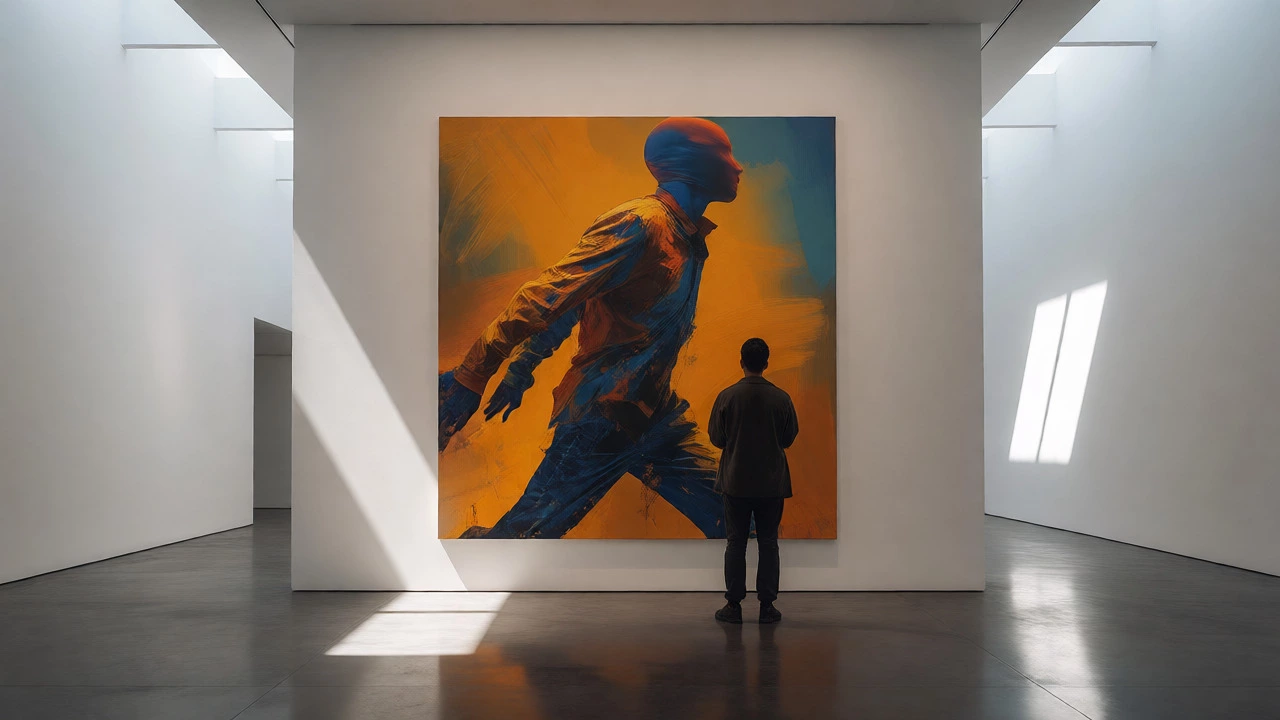
You walk into a gallery, stop in front of a canvas, and feel a strange pull. The figure on the wall is vivid-rich colors, dynamic brushstrokes, perfect lighting-but where the face should be, there’s just... nothing. Or maybe a blur. Or a mask. You might think it looks unfinished, or perhaps too abstract for its own good. But here’s the thing: that emptiness is doing heavy lifting. Faceless portraits are not just a trendy aesthetic choice; they are a deliberate artistic strategy that has exploded in popularity over the last decade. They turn the viewer from a passive observer into an active participant. When you remove the specific identity of a subject, you invite everyone else to step in.
The Power of Projection
Think about the last time you looked at a hyper-realistic portrait. You saw a specific person. Maybe it was a historical figure, a celebrity, or someone’s grandmother. Your brain categorized them immediately: "That’s a man," "That’s sad," "That’s rich." You judged them before you even finished looking. Now, look at a faceless portrait. Who is that? It could be you. It could be your neighbor. It could be anyone. This is the core mechanism behind the trend: projection. By removing facial features, artists create a vacuum that your mind rushes to fill with your own emotions, memories, and biases.
This isn’t just guesswork; it’s rooted in how we process visual information. Psychologists call this phenomenon "pareidolia" when we see faces in clouds, but in art, it’s more about "open-endedness." A face gives us data. No face gives us space. When you paint a subject without eyes or a mouth, you strip away the social cues that usually dictate how we should feel about them. Is the figure happy? Angry? Anxious? Without those cues, you project your current mood onto the canvas. If you’re having a bad day, the faceless figure might look lonely or isolated. If you’re feeling hopeful, they might look free or unburdened. The artwork becomes a mirror, not a window.
A Brief History of Hiding Faces
You might assume this is a new Instagram-era invention, but hiding faces has deep roots in art history. Look back at the Impressionists. Edgar Degas often painted dancers from behind or in motion, blurring their identities to focus on movement and light rather than individual personality. Later, during the rise of Modernism, artists began to question the very idea of "identity." Why capture a likeness if the soul is invisible?
In the mid-20th century, photographers like Vivian Maier captured street scenes where subjects were often turned away or obscured by shadows. This wasn’t always an artistic choice; sometimes it was technical limitation or ethical respect for privacy. But as digital photography took over, the ability to hide a face became a conscious stylistic decision. Artists realized that anonymity created mystery. Mystery creates intrigue. And intrigue keeps people staring longer.
| Feature | Traditional Portrait | Faceless Portrait |
|---|---|---|
| Primary Focus | Individual Identity | Universal Emotion |
| Viewer Role | Observer/Judge | Participant/Projector |
| Emotional Impact | Specific (e.g., "She looks sad") | Ambiguous (e.g., "I feel melancholy") |
| Social Media Shareability | Low (unless subject is famous) | High (relatable to many) |
The Digital Age and Privacy Paradox
We live in an era of extreme visibility. We post our breakfast, our workouts, and our worst hair days online. Yet, simultaneously, we are obsessed with privacy. We use filters, avatars, and masks. There is a tension between wanting to be seen and wanting to remain unknown. Faceless portraits capture this modern anxiety perfectly.
Consider the work of contemporary artists who use digital manipulation to erase faces in photographs. They aren’t just hiding identity; they are commenting on the loss of self in the digital crowd. In a sea of selfies, does your face matter? Or are we all just interchangeable bodies moving through spaces? These artworks resonate because they reflect our daily experience of being both hyper-connected and strangely detached. When you share a faceless image on social media, you get the likes and engagement without exposing your vulnerable inner self. It’s safe vulnerability.
Techniques That Make It Work
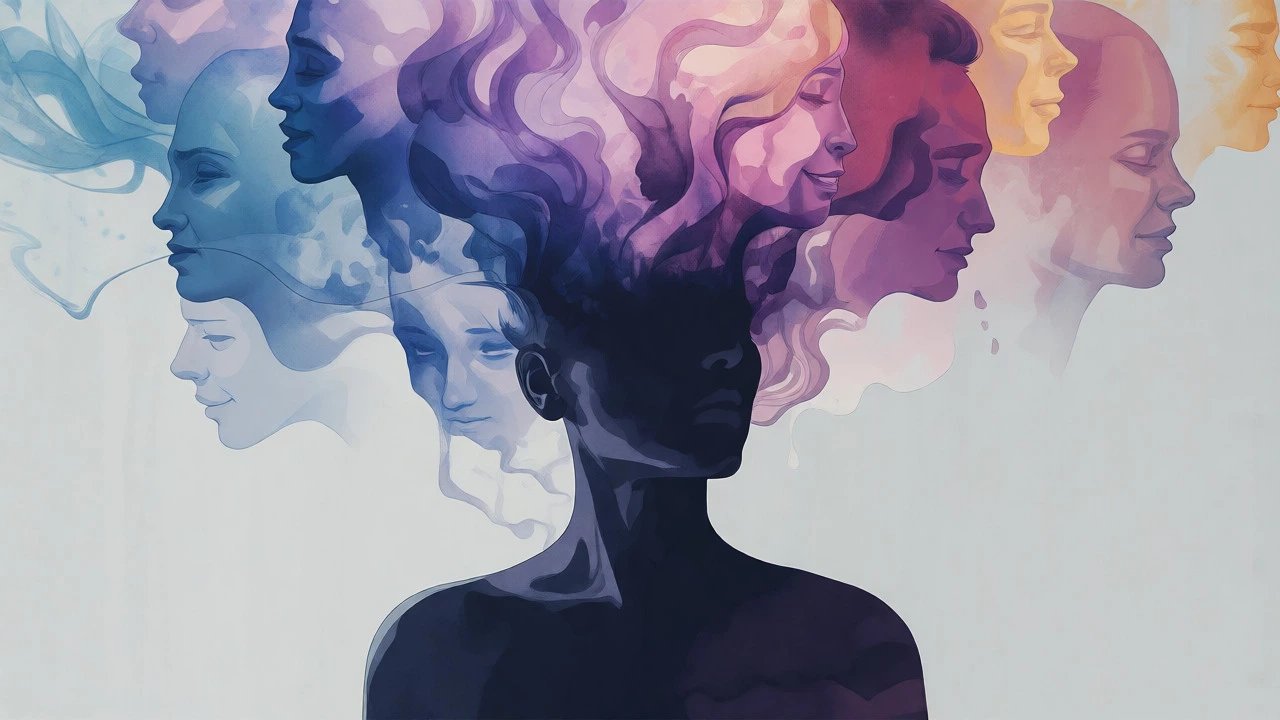
So, how do artists actually pull this off? It’s not just about drawing a blank oval. Successful faceless portraits rely on strong composition and body language. Since you can’t read emotion from a smile or a frown, every other element must shout louder.
- Body Language: The posture tells the story. Slumped shoulders suggest defeat; an open stance suggests confidence. The artist must exaggerate these gestures because the face won’t help.
- Color Palette: Colors become emotional signifiers. Cool blues and greys might imply isolation or calm. Warm reds and oranges might suggest passion or anger. Without a face to contradict the color, the hue dictates the mood entirely.
- Framing and Cropping: Many faceless portraits crop out the head entirely. This forces the eye to travel down the torso, noticing clothing textures, hands, and environment. It shifts the narrative from "who" to "where" and "what."
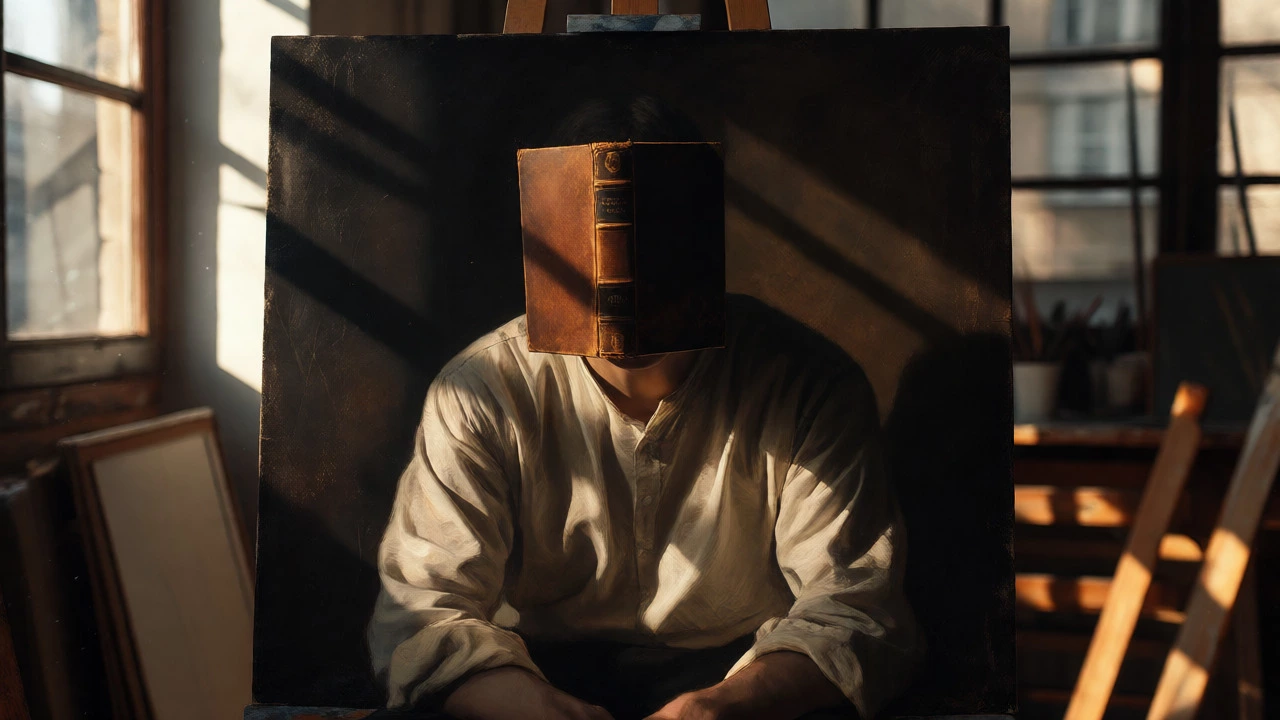
Some artists use abstraction, blending the face into the background with loose brushstrokes. Others use physical objects-flowers, books, mirrors-to cover the face. Each technique changes the meaning. A book covering a face might suggest introversion or knowledge. A flower might suggest beauty or decay. The object becomes part of the character.
Why Collectors Love Them
If you’re thinking about buying art, faceless portraits are a smart investment for several reasons. First, they are versatile. Because they lack specific identity markers, they fit into almost any interior design scheme. A traditional portrait of a Victorian gentleman might clash with a minimalist Scandinavian living room. A faceless figure in neutral tones blends seamlessly.
Second, they don’t age as quickly in terms of cultural relevance. A portrait of a specific politician or pop star can become dated within five years. A faceless figure representing "human struggle" or "quiet contemplation" remains relevant indefinitely. It’s timeless because it’s universal.
Finally, there’s the conversation factor. When guests come over, a faceless portrait invites questions. "Who is that?" "What are they thinking?" "Why no face?" It breaks the ice. Traditional portraits often end conversations once the viewer identifies the subject. Faceless ones keep the dialogue going.
The Risk of Misinterpretation
It’s not all positive. Some critics argue that faceless portraits can feel cold or dehumanizing. By removing the face, you remove the humanity. For some viewers, especially those who connect deeply with eye contact, these images can feel unsettling or eerie. It’s uncanny valley territory. You know a person is there, but you can’t connect with them.
Artists have to balance this carefully. If the body language is too ambiguous, the viewer might disengage completely. If the style is too chaotic, the projection fails. The best faceless portraits strike a chord-they feel personal enough to engage you, but vague enough to let you stay comfortable.
How to Spot Good Faceless Art
Next time you’re browsing an exhibition or scrolling through an online gallery, try this checklist. Does the piece make you pause? Do you find yourself inventing a backstory for the figure? Does the body language tell you something clear, even without the face?
Look for intentionality. Is the face hidden because the artist ran out of ideas, or is it hidden to serve a purpose? Good faceless art feels deliberate. The absence of the face should add meaning, not subtract it. If the rest of the painting is weak, the missing face just highlights the weakness. If the rest of the painting is strong, the missing face becomes the strongest feature.
This trend isn’t going away anytime soon. As long as we struggle with identity in a digital world, artists will continue to explore what it means to be seen-and unseen. Whether you prefer the clarity of a detailed gaze or the mystery of a blank canvas, faceless portraits offer a unique entry point into the complex relationship between viewer and viewed.
Are faceless portraits considered amateurish?
No, not necessarily. While beginners might hide faces because they struggle to draw them, professional artists use facelessness as a sophisticated compositional tool. It allows them to focus on form, color, and emotion without the distraction of facial likeness. Many celebrated contemporary works rely on this technique to evoke universal feelings.
Why do faceless portraits go viral on social media?
They are highly relatable. Because the subject has no specific identity, viewers can easily imagine themselves in the scene. This encourages sharing and tagging friends, as people say things like, "This is so me," or "This reminds me of you." The ambiguity fuels engagement.
Can I commission a faceless portrait of myself?
Yes, many artists offer this service. It’s a great option if you want a personalized piece that doesn’t feel too intrusive or literal. You can choose how much detail to include-sometimes just the silhouette, sometimes the body with a blurred head. It captures your essence without locking in a specific moment of appearance.
Does hiding the face reduce the value of the artwork?
Not at all. Value is determined by the artist’s reputation, technique, rarity, and emotional impact. In fact, some collectors specifically seek out faceless works because they are less likely to become dated compared to portraits of recognizable public figures.
What is the psychological effect of viewing a faceless portrait?
It triggers projection. Viewers unconsciously assign emotions and narratives to the figure based on their own internal state. This makes the experience personal and introspective, often leading to a deeper emotional connection than viewing a standard portrait where the subject’s mood is fixed.