The Art Decoder Simulator
Select an artwork below to begin the decoding process.
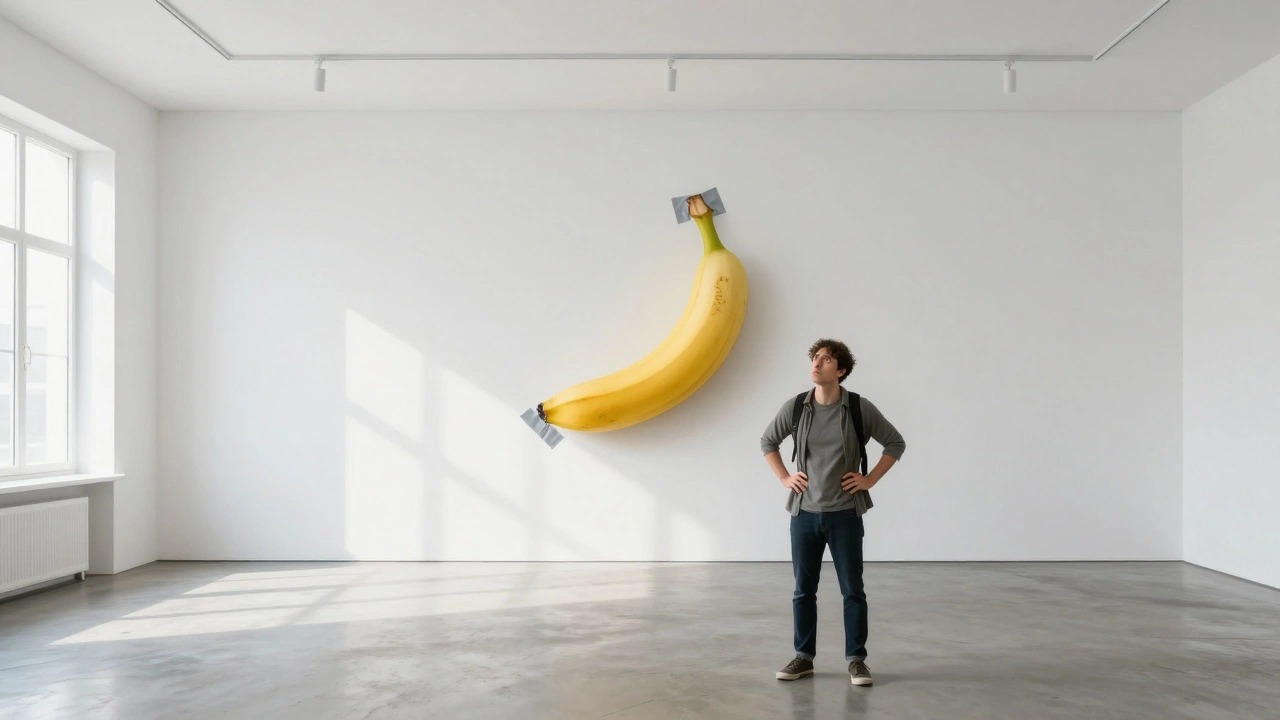
The Taped Fruit
A simple object attached to a wall with industrial tape.
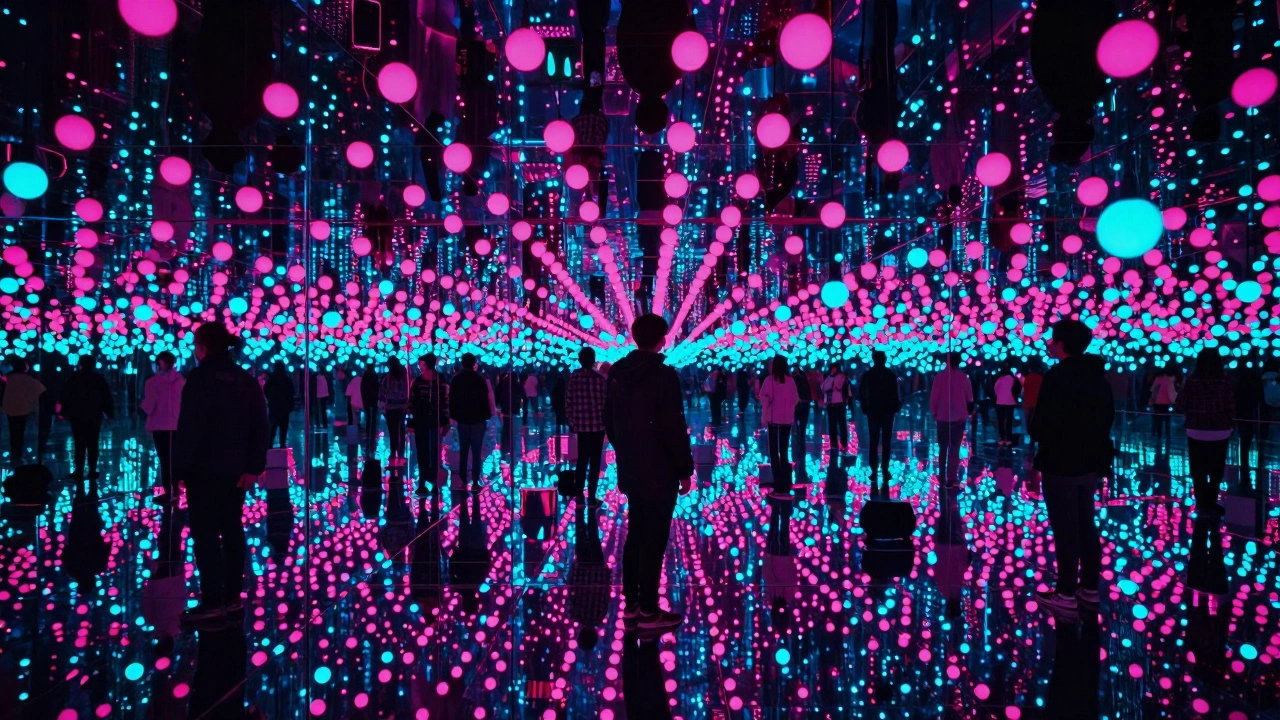
The Mirror Room
An immersive installation of lights and mirrors creating endless patterns.
The Metal Balloon
A giant, shiny sculpture of a common toy animal.
Initial Reaction
When you first see this piece without context, what is your immediate thought?
The Institutional Context
This piece relies on Institutional Theory. It is not just an object; it is a vehicle for communication about specific cultural issues.
Decoded Perspective
Shift in Perception
Ready to try another? Reset Simulator
Walk into a gallery and see a pile of dirt or a single banana taped to a wall. Your immediate reaction might be frustration. You might ask yourself, "Can't I do that?" or "Where is the skill?" This visceral confusion is exactly why contemporary art is considered differently than the paintings and sculptures you studied in school.
The shift isn't about talent disappearing; it's about the definition of art changing completely. For centuries, art was judged by technical mastery-how realistically a painter could render skin or how smoothly a sculptor could carve marble. Today, the conversation has moved from "How well did they make this?" to "What are they saying with this?" If you want to understand why a blank canvas sells for millions while a photorealistic portrait might not, you need to look past the object itself and into the context surrounding it.
The Shift from Technique to Concept
To grasp why contemporary art feels so different, we first have to distinguish it from its predecessor, Modern Art, which generally covers the period from the late 19th century to the mid-20th century (roughly 1860s-1970s). Modern artists like Pablo Picasso or Wassily Kandinsky broke rules, yes, but they were still largely focused on form, color, and composition. They were trying to find new ways to represent reality or emotion through visual language.
Contemporary Art, defined as work created from the 1970s to the present day, takes a sharper turn. The primary focus shifts from aesthetics to Conceptualism. In this framework, the idea behind the work is more important than the finished product. The artwork becomes a vehicle for communication rather than an object of beauty.
Consider Marcel Duchamp's Fountain (1917), a urinal signed with a pseudonym. While technically pre-contemporary, it set the stage. It asked: What makes something art? Is it the craftsmanship, or is it the artist's choice and the institution's acceptance? Contemporary artists build on this. When Maurice Cornish creates a piece using industrial materials, he isn't showing off his ability to weld metal; he is commenting on labor, consumerism, or environmental decay. The "skill" is in the research, the curation of meaning, and the ability to provoke a specific intellectual response.
The Role of Context and Institutional Validation
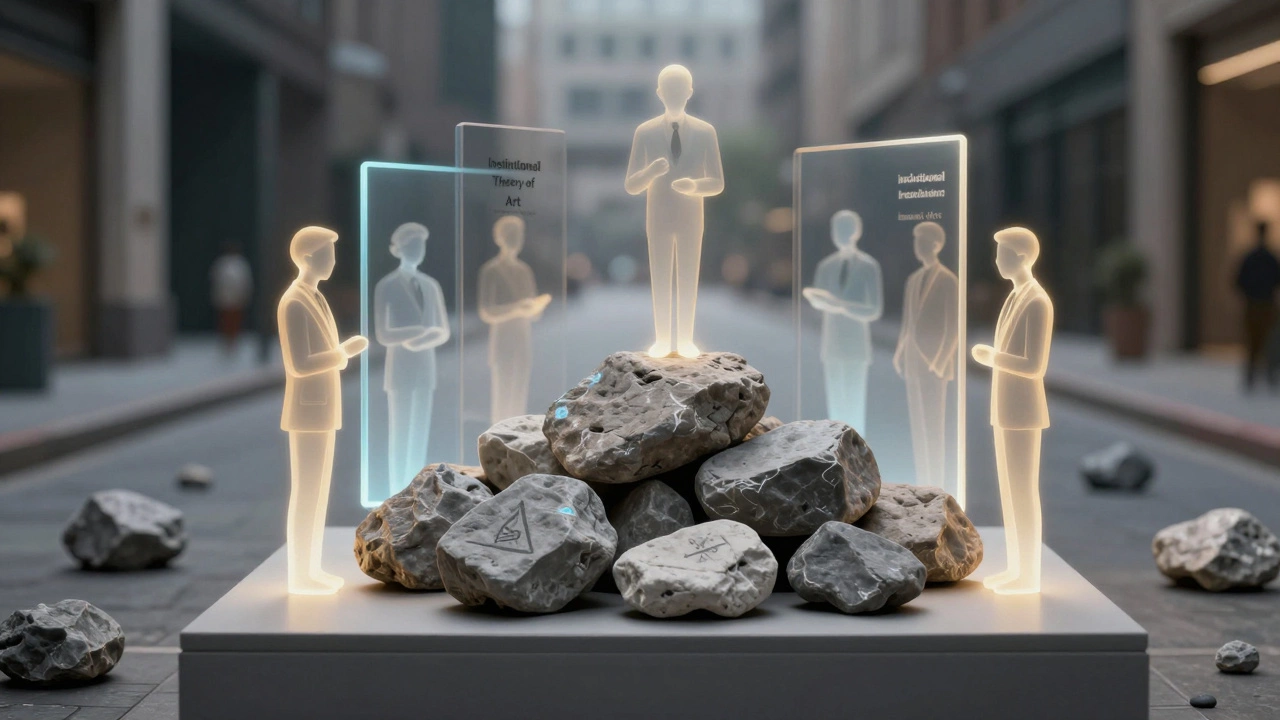
You might wonder why a pile of rocks means something when placed in a museum but nothing when found on a sidewalk. This brings us to the concept of the Institutional Theory of Art. Proposed by philosopher George Dickie in the 1970s, this theory suggests that art is whatever the "artworld"-curators, critics, galleries, and museums-decides is art.
This doesn't mean the system is arbitrary, though it can feel that way. It means that contemporary art relies heavily on context. A photograph by Andreas Gursky might look like a generic landscape until you learn about the digital manipulation involved, the commentary on globalization, and the historical precedent he is referencing. The gallery label provides the key to unlock the image's deeper layers.
Without this context, the viewer is left only with the surface level. This is why many people feel alienated by contemporary exhibitions. They are being invited into a dialogue they haven't been given the vocabulary to join. The "consideration" difference lies in this requirement for active interpretation. You aren't just looking; you are decoding.
Materiality and the Breakdown of Boundaries
Another reason contemporary art is viewed differently is the explosion of mediums. Traditional art was categorized by technique: painting, sculpture, drawing. Contemporary art dissolves these boundaries. It embraces Installation Art, Video Art, Performance Art, and even Bio-Art.
Take Yayoi Kusama's infinity rooms. These are immersive experiences rather than static objects. You don't stand back and admire them; you enter them. The art happens in your perception and your emotional reaction. Similarly, Olafur Eliasson uses light, water, and temperature to create environments that comment on climate change and human perception.
This shift challenges the traditional collector mindset. How do you own an experience? How do you hang a performance? The market has adapted by selling certificates of authenticity or limited editions of documentation, but the core nature of the work remains ephemeral. This intangibility contributes to the skepticism some viewers feel. If it disappears after ten minutes, what are you paying for?
The Market Dynamics and Value Perception
We cannot discuss why contemporary art is considered differently without addressing money. The prices associated with works by artists like Banksy or Jeff Koons often shock the public. A stainless steel dog sculpture selling for tens of millions seems absurd if you judge it by material cost alone.
However, the art market operates on scarcity, provenance, and cultural capital. Jeff Koons didn't just make a balloon dog; he created a brand that critiques luxury consumption while participating in it. His team executes the work, but his vision drives the market. Collectors buy into the narrative and the status symbol. The high price tag reinforces the importance of the work, creating a feedback loop where value is perceived because others perceive it as valuable.
This contrasts sharply with the 19th-century model, where value was tied directly to the artist's hand and hours of labor. Today, the "labor" is often intellectual or managerial. Understanding this disconnect helps explain why the public views contemporary art with suspicion-it feels less like a craft and more like a speculative asset class.
| Aspect | Traditional/Modern Art | Contemporary Art |
|---|---|---|
| Primary Focus | Aesthetics, Form, Technique | Idea, Concept, Context |
| Medium | d>Oil, Marble, Canvas | Anything (Digital, Bio, Performance) |
| Viewer Role | Passive Observer | Active Participant/Decoder |
| Value Driver | Craftsmanship & Rarity | Narrative & Cultural Capital |
| Time Period | Pre-1970s | 1970s-Present |
How to Engage with Contemporary Art
If you find yourself frustrated by contemporary art, you're not alone. But you can change your approach. Instead of asking "Is this beautiful?" try asking "What is this doing?" Here are three practical steps to shift your perspective:
- Read the Wall Text: Don't skip it. The curatorial statement provides the necessary context. It tells you who the artist is, what their background is, and what specific issue they are addressing.
- Look for the Reference: Contemporary art is often a conversation with history. Does this piece reference a famous painting? A political event? A scientific discovery? Identifying the source material unlocks the joke or the critique.
- Accept Discomfort: Good contemporary art often aims to unsettle. If you feel confused or annoyed, the artist might have succeeded. That emotional reaction is part of the data. Analyze why you feel that way. Is it because the subject matter is taboo? Because the medium is unfamiliar?
Remember, you don't have to like every piece. Art is subjective. But understanding the mechanics behind the creation allows you to engage with it on its own terms, rather than judging it by the rules of a previous era.
The Future of Artistic Consideration
As technology evolves, so does contemporary art. We are seeing the rise of NFTs and AI-generated art. These forms challenge our definitions of ownership and authorship even further. Who owns an algorithm? Can a computer be an artist?
These questions will continue to drive the "different consideration" we give to contemporary art. It will always be at the forefront of cultural debate, reflecting the anxieties and innovations of its time. Whether it involves virtual reality headsets or biological tissues, the core mission remains the same: to expand the boundaries of human experience and force us to question what we think we know.
The next time you see a work that baffles you, pause. Don't dismiss it as nonsense. Ask yourself what world the artist is trying to reveal. You might not agree with it, but you'll understand why it matters.
What is the main difference between modern and contemporary art?
The primary difference is time and focus. Modern art generally refers to the period from the 1860s to the 1970s and focuses on breaking away from traditional representation through new forms and colors. Contemporary art refers to art created from the 1970s to the present and focuses primarily on concepts, ideas, and diverse media beyond traditional painting and sculpture.
Why is contemporary art often criticized for lacking skill?
Critics often judge contemporary art by traditional standards of technical craftsmanship, such as realistic drawing or painting techniques. However, contemporary art prioritizes conceptual depth, innovation, and commentary over manual dexterity. The "skill" lies in the ability to communicate complex ideas and curate meaningful experiences, which is a different type of expertise.
Does contemporary art require special knowledge to appreciate?
While you don't need a degree, contemporary art often requires context. Unlike classical art, which may rely on universal aesthetic appeal, contemporary pieces frequently depend on understanding the artist's intent, historical references, or social commentary. Reading exhibition labels and researching the artist can significantly enhance appreciation.
Why are some contemporary artworks so expensive?
High prices in contemporary art are driven by factors like scarcity, the artist's reputation, historical significance, and market speculation. Unlike traditional goods, value is not based on material cost or labor hours but on cultural capital and the artwork's role within art history. Major institutions and collectors validate this value, creating a high-demand market.
Can anything be considered contemporary art?
Technically, yes, if it is presented within the context of the art world and engages with current cultural or philosophical discourses. However, not everything is *good* contemporary art. The distinction lies in the depth of the concept, the execution of the idea, and the ability to provoke thought or emotion. The institutional framework helps determine what enters the canon, but critical evaluation remains essential.