
Global Music Dominance Calculator
As discussed in the article, there is no single "#1" artist because success depends on which metric you value most. Adjust the weights below to see who tops the charts according to your priorities.
Analysis
Based on current default weights, Taylor Swift leads due to her unmatched combination of massive streaming numbers and record-breaking tour revenues. However, increasing the weight on Cultural Impact may reveal different leaders like Kendrick Lamar or Billie Eilish.
Ask ten people who the biggest musician on Earth is right now, and you’ll get ten different answers. One might say Taylor Swift because her stadium tours sell out in seconds. Another will point to Bad Bunny for dominating global playlists. Someone else might argue for BTS or Drake. The truth? There is no single, undisputed "#1" because music consumption is fragmented across streaming, touring, radio, and social media.
But if we look at the hard data from late 2025 and early 2026, one name consistently tops the aggregate metrics: Taylor Swift. Her recent "Eras Tour" legacy continues to drive massive engagement, while her catalog streams remain unmatched. However, the landscape is shifting fast. K-pop groups are conquering Western markets, Latin artists are breaking language barriers, and hip-hop remains a dominant force in urban centers worldwide. So, who really holds the crown? It depends entirely on which metric you value most.
The Metrics That Define Global Dominance
To determine the top spot, we have to agree on what counts as "success." Is it raw numbers? Cultural impact? Revenue? Most industry analysts use a composite score that weighs three main pillars: streaming volume, live performance revenue, and chart longevity. Streaming platforms like Spotify and Apple Music provide real-time data on listening habits. Touring grosses, reported by Pollstar and Billboard Boxscore, show how much money fans are actually spending to see these artists live. Finally, social media engagement measures cultural relevance-how often an artist appears in memes, news cycles, and viral trends.
For instance, an artist might have 50 million monthly listeners but only generate $10 million in tour revenue. Another might have 20 million listeners but fill stadiums nightly, generating $200 million. Who is bigger? The second artist likely has more economic power and dedicated fanbase loyalty, even if their casual listener count is lower. This nuance is why declaring a single "king" or "queen" of music is tricky. We need to look at the specific categories where each artist excels.
Streaming Giants: Who Rules the Playlists?
If we judge purely by digital footprints, the battle is tight. As of mid-2026, Taylor Swift maintains the highest number of monthly active listeners on Spotify globally, hovering around 110 million. Her ability to convert casual listeners into superfans is unprecedented. She isn’t just releasing songs; she’s creating events. Every re-recording (the "Taylor's Version" albums) spikes streams not just for new tracks, but for deep cuts from over a decade ago.
Close behind is Bad Bunny. The Puerto Rican superstar has held the top spot for non-English speaking artists for years. His influence extends beyond Latin America, with strong penetration in the US, Europe, and Asia. His collaboration-heavy approach means he appears on tracks by Drake, Cardi B, and local heroes in dozens of countries simultaneously. This cross-pollination keeps his name in constant rotation. Meanwhile, BTS members pursuing solo careers-particularly Jungkook and Jimin-have shattered streaming records in South Korea and Japan, proving that K-pop’s global reach is far from fading.
| Artist | Primary Genre | Est. Monthly Listeners | Key Strength |
|---|---|---|---|
| Taylor Swift | Pop/Country | ~110 Million | Catalog Depth & Touring |
| Bad Bunny | Latin Trap | ~95 Million | Cultural Crossover |
| Drake | Hip-Hop/R&B | ~88 Million | Consistent Output |
| Jungkook (BTS) | K-Pop | ~75 Million | Fan Engagement |
| The Weeknd | R&B/Pop | ~70 Million | Radio Airplay |
Touring Powerhouses: Where the Money Goes
Streaming pays fractions of a cent per play. Touring pays millions. If your definition of "#1" involves who generates the most cash from fans, the list shifts slightly. While Taylor Swift’s Eras Tour set historical records, other acts are filling arenas with equal fervor. Coldplay’s "Music of the Spheres" tour continued to dominate gross revenues well into 2025, leveraging their universal appeal across generations. They don’t rely on controversial lyrics or niche genres; they offer a spectacle that works for families, couples, and die-hard fans alike.
Beyoncé also commands immense respect and revenue. Her Renaissance World Tour demonstrated that R&B and dance music can headline stadiums globally. Unlike pop stars who might fade after a few years without hits, Beyoncé’s brand is built on vocal prowess and visual artistry. She sells tickets based on reputation alone. Then there’s Ed Sheeran. He might not trend on Twitter every day, but he fills Wembley Stadium repeatedly. His acoustic-pop style travels well to regions where heavy production doesn’t translate, making him a quiet giant in terms of consistent touring income.
Cultural Impact vs. Commercial Success
Commercial success doesn’t always equal cultural dominance. Consider Kendrick Lamar. In 2024 and 2025, his feud with Drake became a global news story, transcending music circles. Even people who don’t listen to rap knew about the diss tracks. This level of cultural penetration is rare. It suggests that while Kendrick might not have the sheer volume of Taylor Swift’s listeners, his influence on conversations, fashion, and social commentary is profound.
Similarly, Billie Eilish represents a shift in how Gen Z consumes music. Her aesthetic, voice, and lyrical themes resonate deeply with younger audiences who value authenticity over polish. She may not have the same mass-market radio presence as Dua Lipa, but her cultural footprint among under-25s is enormous. When deciding who is "#1," you have to ask: Are we measuring who makes the most money, or who shapes the culture? For many critics, shaping culture is the higher honor.
Regional Champions: Why Geography Matters
The idea of a single global artist ignores regional realities. In India, Arijit Singh dominates playback singing for Bollywood, reaching hundreds of millions of listeners who might never touch Spotify. In Nigeria, Burna Boy and Wizkid are arguably more influential than any American star, driving the Afrobeats genre that is currently taking over London and New York clubs. In China, Jay Chou remains a titan despite limited international streaming visibility due to platform differences.
This fragmentation means that a "global" ranking often skews toward English-speaking markets. When we talk about the "world’s biggest artist," we are frequently talking about the biggest artist in the West. True global dominance requires success in multiple distinct linguistic and cultural zones. Artists like Rosalía, who blends flamenco with reggaeton and pop, are beginning to bridge these gaps, but the monopoly of Anglo-American music remains strong.
The Future of Music Rankings
As we move further into 2026, AI-generated music and algorithmic discovery are changing how we find new favorites. An artist might blow up overnight on TikTok, accumulate billions of views, and then vanish within months. This volatility makes long-term status harder to achieve. The old model of building a career over decades is being challenged by the "viral moment" economy.
However, established superstars adapt. They collaborate with emerging TikTok stars, release short-form content, and engage directly with fans on Discord and Instagram. The line between artist and influencer is blurring. To be the #1 musical artist today, you must be a musician, a brand manager, a social media strategist, and a business mogul all at once. Taylor Swift exemplifies this multitasking mastery. But the next big wave could come from a completely unexpected direction-perhaps a virtual idol from South Korea or a hyper-local folk singer going viral in Brazil.
Key Takeaways
- No Single Metric: "#1" depends on whether you prioritize streams, ticket sales, or cultural buzz.
- Taylor Swift Leads Aggregates: She currently tops combined lists due to record-breaking tours and streaming consistency.
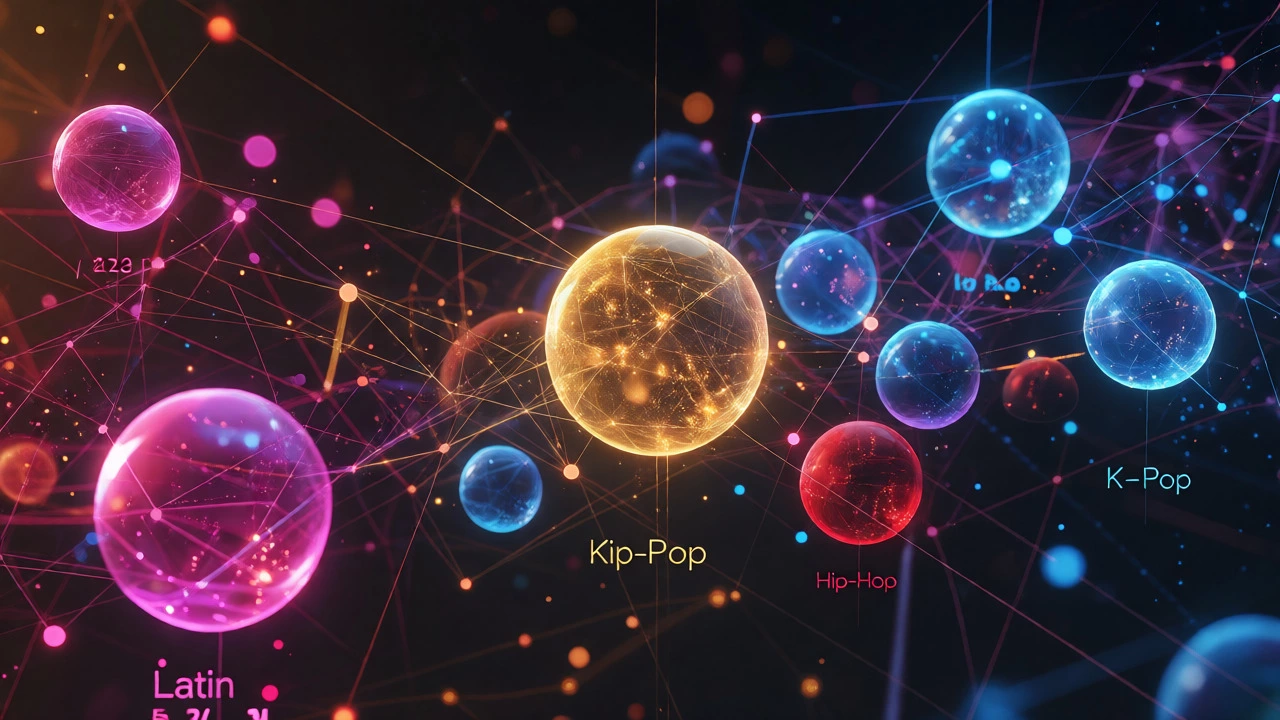
- Genre Diversity: Latin, K-Pop, and Hip-Hop artists challenge traditional pop dominance.
- Regional Power: Local giants in India, Africa, and Asia hold massive influence not captured by Western charts.
- Adaptability Wins: Artists who master social media and direct-to-fan engagement sustain their status longer.
Who is the richest musician in the world in 2026?
While rankings fluctuate, Taylor Swift and Rihanna are often cited among the wealthiest. Rihanna’s Fenty Beauty empire contributes significantly to her net worth, potentially surpassing pure music earnings. Taylor Swift’s wealth is primarily driven by her music catalog ownership and touring revenue.
Does streaming count equally for all artists?
No. Major labels negotiate better royalty rates and playlist placements than independent artists. Additionally, some genres like classical or jazz have longer track lengths, which can affect per-stream payout calculations differently than pop songs.
Why aren't K-pop groups always #1 globally?
K-pop groups like BTS have massive fanbases that skew heavily toward specific regions (Asia, North America). Their domestic market saturation is high, but broad mainstream acceptance in rural Europe or South America varies. Language barriers still limit casual listening compared to English-language pop.
How do Billboard charts determine the #1 artist?
Billboard uses a formula combining sales (digital and physical), airplay (radio spins), and streaming equivalents. They weight these factors differently depending on the specific chart (Hot 100 vs. Artist 100). No single chart captures the entire global picture.
Is social media followers a good measure of popularity?
It’s an imperfect proxy. Followers can be bought, and inactive accounts inflate numbers. Engagement rates (likes/comments per post) are a better indicator of true fan activity. An artist with 10 million engaged followers is often more valuable than one with 50 million passive ones.
