When you see a photograph that feels more like a painting than a snapshot-soft light, deliberate composition, emotional weight-you’re looking at fine art photography. But what exactly is its genre? It’s not landscape, not portrait, not street. It doesn’t fit neatly into the usual photography categories. And that’s the point.
It’s Not a Technique, It’s a Mindset
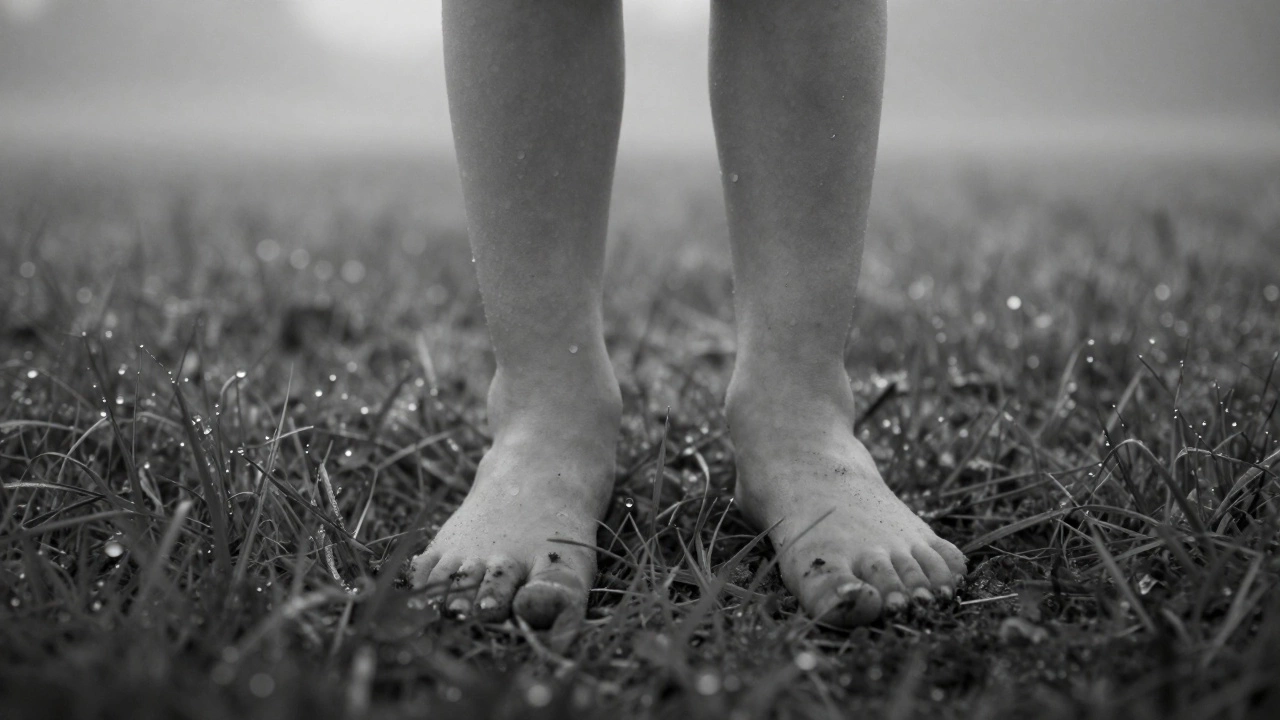
Fine art photography isn’t defined by the camera you use or the lens you shoot with. You can’t tag it as ‘high ISO’ or ‘long exposure’ and call it done. Instead, it’s about intent. The photographer isn’t trying to document reality. They’re trying to express an idea, a feeling, a dream. Think of it like writing poetry with light instead of words.Take Sally Mann’s Immediate Family series. These aren’t just pictures of her kids. They’re haunting, layered explorations of childhood, time, and memory. The dirt on their knees, the faded light through trees-they’re not accidents. They’re choices. Every shadow, every blur, every grain is there because the artist wanted it there.
How It Differs From Documentary or Commercial Photography
Compare fine art photography to a magazine cover or a news photo. A fashion shot needs to sell a dress. A war photographer needs to show what happened. Both are bound by function. Fine art photography? It answers to no one but the artist.There’s no client. No deadline. No product to promote. The only goal is to create something that lingers in the viewer’s mind. That’s why you’ll find fine art photos in galleries, not billboards. They’re meant to be stared at, not scrolled past.
Common Visual Styles in Fine Art Photography
While there’s no single rulebook, certain visual languages keep showing up:- Atmospheric lighting-soft, diffused, often natural. Think fog at dawn or golden hour filtered through curtains.
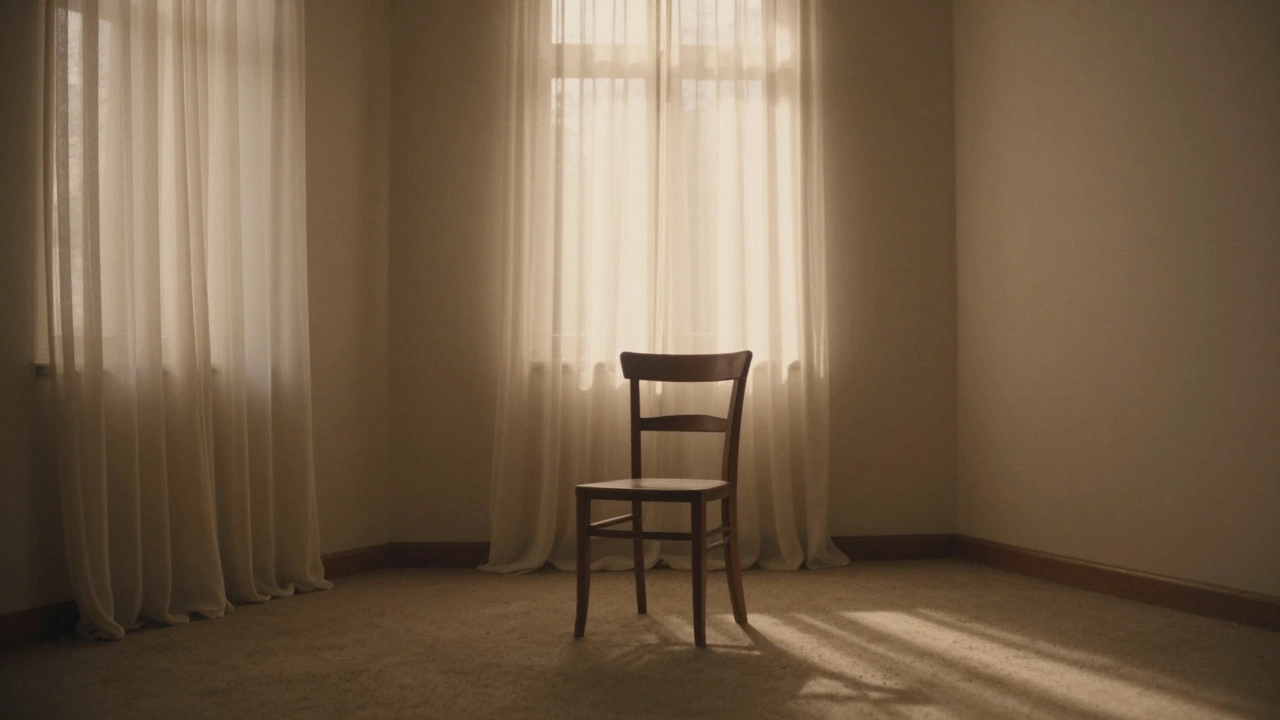
- Minimalist composition-empty space isn’t wasted. It’s part of the message. A single tree in a vast field. A lone chair in an empty room.
- Textural depth-grain, film scratches, blur, or even hand-processing. Imperfections become part of the story.
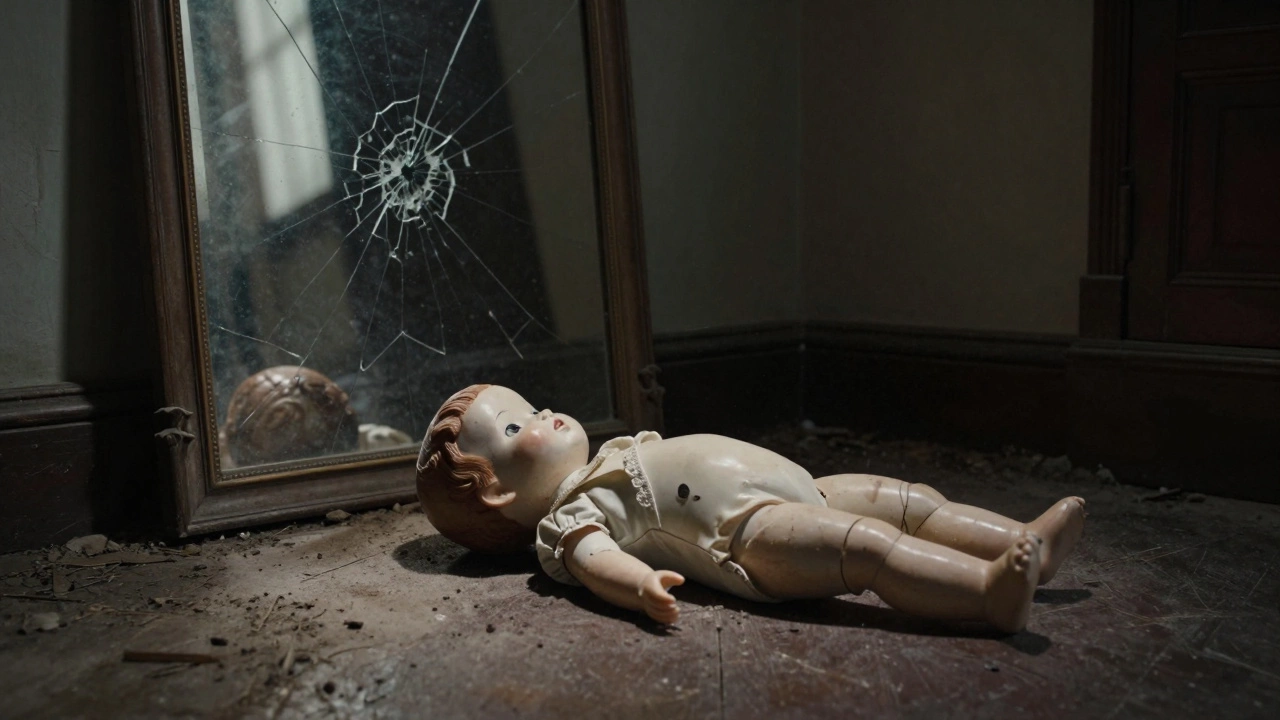
- Symbolic subjects-a broken doll, a closed door, a reflection in a puddle. Objects carry meaning beyond their physical form.
- Monochrome or muted tones-color is used sparingly, if at all. Black and white isn’t a limitation. It’s a tool to strip away distraction.
These aren’t rules. They’re tendencies. Some fine art photographers work in wild color. Others use digital manipulation to create surreal scenes. But they all share one thing: they’re not trying to show you what something looked like. They’re trying to show you how it felt.
It’s Rooted in Art History
Fine art photography didn’t appear out of nowhere. It grew from the same soil as painting and sculpture. Early pioneers like Alfred Stieglitz and Julia Margaret Cameron didn’t see photography as a new medium. They saw it as a new way to make art.Stieglitz’s The Steerage (1907) isn’t just a photo of immigrants on a ship. It’s a study of class, movement, and human dignity. He framed it like a painting. He printed it with care. He exhibited it in galleries alongside paintings by Picasso and Matisse.
Today, that legacy continues. Artists like Cindy Sherman, Gregory Crewdson, and Hiroshi Sugimoto don’t just take photos. They stage scenes, build sets, control every element-just like a painter with a canvas.
What Makes It ‘Fine Art’ and Not Just ‘Art Photography’?
You’ll hear people say ‘art photography’ and ‘fine art photography’ like they’re the same. They’re not. Art photography is any photo that’s artistic. Fine art photography is a specific tradition.Think of it like this: a beautifully lit portrait of a model might be art photography. But if that same portrait was made to explore identity, trauma, or gender norms-with no commercial purpose-it becomes fine art.
The difference is in the context. Fine art photography is shown in museums. It’s sold as limited editions. It’s collected by institutions. It’s reviewed in art journals. It’s judged on emotional impact, not technical perfection.
How to Recognize It in the Wild
If you’re trying to spot fine art photography, ask yourself:- Is there a clear emotional or conceptual hook? (Not just ‘pretty.’)
- Did the artist spend months-or years-on this piece?
- Is it printed on archival paper with hand-done finishing?
- Is it signed and numbered? (Most fine art prints are limited to 10, 20, or 50 copies.)
- Would it make sense hanging in a gallery next to a sculpture or a watercolor?
If the answer is yes to most of these, you’re looking at fine art photography.
It’s Not About Perfection
One of the biggest myths is that fine art photography has to be technically flawless. It doesn’t. In fact, many masterpieces are intentionally imperfect.Photographer David LaChapelle once said, ‘I don’t shoot for sharpness. I shoot for soul.’ A slightly out-of-focus eye. A grainy texture. A shadow that bleeds into the frame. These aren’t mistakes. They’re emotional cues. They make the image feel human.
That’s why you’ll find fine art prints made with alternative processes-platinum palladium, cyanotype, gum bichromate. These methods are slow, unpredictable, and labor-intensive. But they give the image a physical presence you can’t get from a glossy inkjet print.
Where to See It
You won’t find fine art photography in Instagram feeds or stock photo sites. You’ll find it in:- Contemporary art museums (Tate Modern, MoMA, Centre Pompidou)
- Specialized galleries like Pace/MacGill or Fraenkel Gallery
- Photography biennales like the Rencontres d’Arles
- Private collections of collectors who buy for emotional resonance, not resale value
Some artists, like Alec Soth or Sally Mann, have entire books published as art objects-thick paper, hand-sewn bindings, limited runs. These aren’t books you read. They’re objects you experience.
Why It Matters
In a world where photos are taken and deleted in seconds, fine art photography reminds us that images can carry weight. They can be slow. They can be quiet. They can ask questions instead of giving answers.It’s not about capturing the perfect moment. It’s about creating one that never existed before.