
Modern vs. Contemporary Art Explorer
| Feature | Modern Art (Late 19th – Mid 20th Century) | Contemporary Art (Mid 20th Century – Present) |
|---|---|---|
| Time Period | Roughly 1860s to 1970s | 1970s to today |
| Primary Focus | Aesthetic innovation, breaking from tradition | Concept, context, and social relevance |
| Materials | Oil paint, canvas, bronze, stone | Mixed media, found objects, digital files, performance |
| Role of Viewer | Passive observer | Active participant, co-creator of meaning |
| Key Movements | Cubism, Surrealism, Abstract Expressionism | Pop Art, Minimalism, Conceptual Art, Postmodernism |
Test Your Knowledge
Walk into a gallery today and you might see a pile of dirty laundry, a video loop of someone sleeping, or a sculpture made entirely of recycled plastic bottles. You look around, confused, and think, "Is this really art?" The short answer is yes. But the longer answer requires understanding that contemporary art is art produced in the present era, defined by its lack of rigid boundaries and its focus on ideas over traditional aesthetics. It is not just about what something looks like; it is about what it makes you feel, question, or do.
If you are trying to navigate the world of current artistic expression, you need to know that contemporary art has moved far beyond oil paints and marble statues. It is messy, political, digital, and often intentionally difficult. This guide breaks down the core characteristics that define this vibrant and chaotic field, helping you understand why artists are creating the way they are right now.
The Shift from Object to Idea: Conceptualism
The biggest shift in contemporary art is the move away from technical skill as the primary measure of value. In earlier centuries, if you wanted to be considered a great artist, you had to master perspective, anatomy, and color theory. Today, the idea behind the work matters more than the object itself. This approach is known as conceptual art, which prioritizes the intellectual concept or message over the physical execution of the artwork.
Think about Marcel Duchamp’s urinal from 1917. He didn’t carve it; he bought it and signed it. That was the beginning of the end for "skill-only" art. In the contemporary era, this has evolved further. An artist might create an installation that critiques consumer culture by filling a room with empty shopping bags. The beauty isn’t in the bags; it’s in the realization of how much we waste. When you view contemporary art, ask yourself: What is the artist trying to say? If you can articulate the concept, you have understood the work, even if you don’t find it visually pleasing.
Breaking Boundaries: Mixed Media and Installation
Contemporary artists refuse to stay in their lanes. You will rarely find a strict distinction between painting, sculpture, and performance. Instead, you get mixed media, a term describing artworks created using multiple different materials and techniques within a single piece. One artist might combine photography with text, video with sound, and physical objects with digital projections.
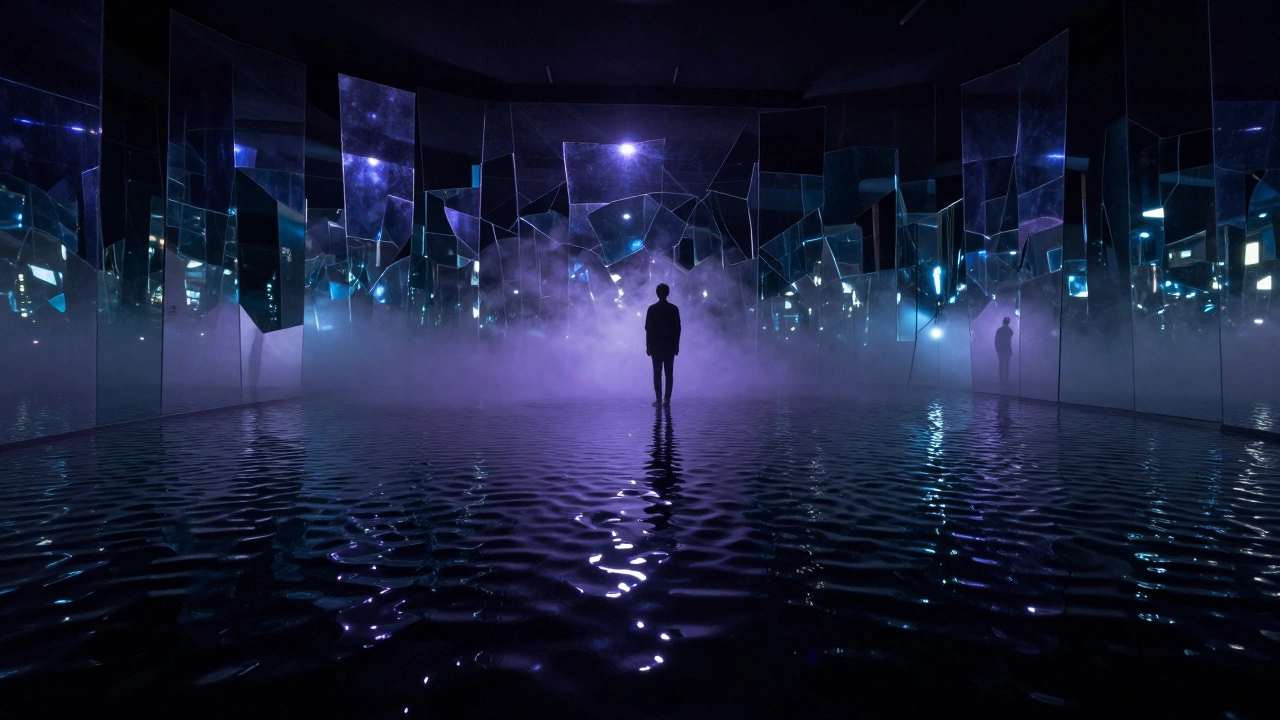
This leads to the rise of installation art, where the entire space becomes the canvas, immersing the viewer in a three-dimensional environment. Imagine walking into a dark room where the walls are covered in mirrors, but the floor is filled with water. You are no longer just looking at art; you are inside it. This immersion forces a physical reaction. It changes your relationship with the space and the creator. Artists use these methods to break the "fourth wall" between the observer and the observed, making the experience personal and immediate rather than distant and academic.
Art as Social Commentary and Activism
Contemporary art is deeply political. Unlike the decorative arts of the past, which were often commissioned by wealthy patrons to beautify their homes, today’s art frequently challenges power structures. Artists act as social commentators, addressing issues like climate change, racial injustice, gender identity, and economic inequality.
Consider the works of Ai Weiwei or Kara Walker. Their pieces are not designed to sit quietly in a living room; they are designed to provoke discomfort. They force viewers to confront uncomfortable truths about society. This characteristic makes contemporary art relevant to daily life. It connects the gallery to the street, the museum to the news cycle. When an artist uses their platform to highlight a marginalized community or criticize a government policy, the art becomes a form of activism. It invites dialogue, debate, and sometimes outrage. This emotional engagement is a key feature of the genre.
The Digital Frontier: New Media and Technology
We cannot talk about contemporary art without mentioning technology. We are living in a digital age, and our art reflects that. digital art encompasses creative works made using digital technology, including computer-generated imagery, video art, and internet-based projects. From AI-generated images to virtual reality experiences, technology has expanded the toolkit available to creators.
NFTs (Non-Fungible Tokens) brought cryptocurrency into the art world, allowing digital files to be owned and traded as unique assets. While controversial, this development highlighted a major characteristic of contemporary art: it exists in new spaces. Art is no longer confined to physical galleries. It lives on screens, in code, and in virtual worlds. This accessibility means that anyone with an internet connection can engage with, create, or critique art. It democratizes the process but also complicates the definition of ownership and authenticity.
Globalization and Cultural Identity
In the past, Western art history was dominated by European and American narratives. Today, the contemporary art scene is truly global. Artists from Africa, Asia, Latin America, and the Middle East are gaining prominence in major international biennials and auctions. This globalization brings diverse perspectives to the forefront.
Many contemporary artists explore themes of migration, diaspora, and cultural hybridity. They blend traditional techniques from their heritage with modern materials and concepts. For example, an artist might use ancient textile weaving patterns to create large-scale installations that comment on modern labor practices. This fusion creates a rich tapestry of voices that reflect our interconnected world. It challenges the viewer to expand their understanding of what art can be and who gets to tell the story.
| Feature | Modern Art (Late 19th - Mid 20th Century) | Contemporary Art (Mid 20th Century - Present) |
|---|---|---|
| Time Period | Roughly 1860s to 1970s | 1970s to today |
| Primary Focus | Aesthetic innovation, breaking from tradition | Concept, context, and social relevance |
| Materials | Oil paint, canvas, bronze, stone | Mixed media, found objects, digital files, performance |
| Role of Viewer | Passive observer | Active participant, co-creator of meaning |
| Key Movements | Cubism, Surrealism, Abstract Expressionism | Pop Art, Minimalism, Conceptual Art, Postmodernism |
Democratization and Accessibility
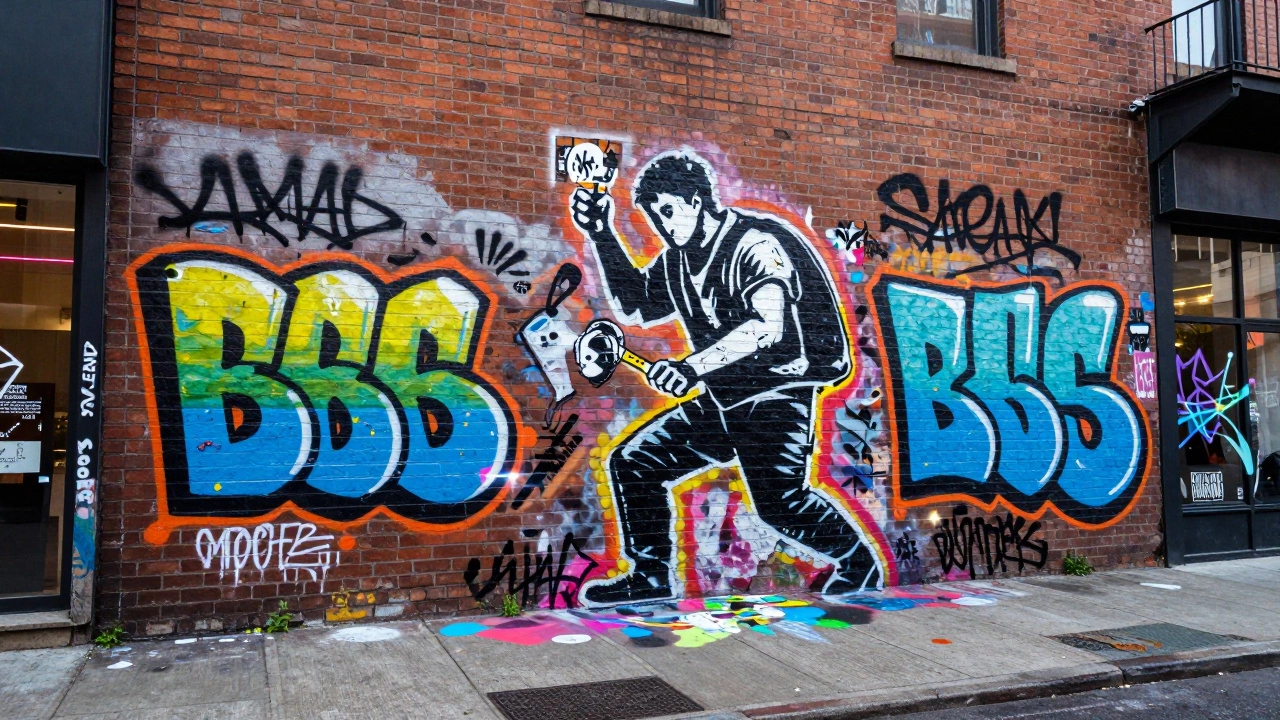
Another defining characteristic is the breakdown of elitism. While the high-end art market remains exclusive, the creation and consumption of art have become more accessible. Street art, zines, and online platforms allow artists to bypass traditional gatekeepers like curators and gallery owners. Banksy is the most famous example of this, turning public walls into canvases and challenging the notion that art must be housed in white-cube galleries to be valuable.
This democratization encourages experimentation. Without the pressure to sell to wealthy collectors, many artists take risks. They create work that is ephemeral, interactive, or community-based. It shifts the value proposition from monetary worth to social impact. This openness invites broader participation from the public, making art a part of everyday conversation rather than a niche interest.
How to Engage with Contemporary Art
So, how do you approach this type of art? First, drop the expectation that it should be "pretty." Second, read the placard. Context is king in contemporary art. Understanding the artist’s background and intent can unlock the meaning of a seemingly simple object. Third, trust your gut. If a piece makes you angry, sad, or confused, that is a successful reaction. The artist wants to provoke a response. Finally, remember that there is no single correct interpretation. Your personal experience shapes how you see the work, and that subjective connection is valid.
What is the difference between modern and contemporary art?
Modern art refers to works created roughly between the 1860s and the 1970s, focusing on aesthetic innovation and breaking from classical traditions. Contemporary art refers to art created from the mid-1970s to the present day. It focuses more on concepts, social issues, and diverse materials rather than just visual beauty.
Why does contemporary art look so strange?
Contemporary art often prioritizes ideas over traditional aesthetics. Artists use unusual materials or formats to challenge viewers' perceptions and provoke thought. The goal is often to spark conversation or emotion rather than to create a decorative object.
Is all art created today considered contemporary art?
Technically, yes, art created in the current era is contemporary. However, the term is often used specifically to describe art that engages with current cultural, political, and social contexts, and utilizes non-traditional methods or media.
Can I buy contemporary art?
Yes, contemporary art is available through galleries, online platforms, and direct from artists. Prices vary widely, from affordable prints to millions of dollars for established names. Many emerging artists offer accessible price points for collectors.
What role does technology play in contemporary art?
Technology is central to contemporary art. Artists use digital tools, virtual reality, artificial intelligence, and the internet to create immersive experiences and comment on our digital lives. It expands the definition of what art can be and how it is distributed.