
Realistic Sculpture Style Identifier
Describe the sculpture you are looking at:
Analysis Result
Naturalism
Description goes here...
Enter a description to identify the sculptural style.
Have you ever stood in front of a statue that looked so much like a real person you felt slightly uneasy? You know the kind-every wrinkle, every pore, every stray hair is there. It’s not just "good"; it’s unsettlingly accurate. If you’ve been trying to pin down the name for this specific style, you aren’t alone. The term "realistic sculpture" is a bit of a catch-all bucket. Depending on when it was made, why it was made, and how extreme the detail gets, artists and historians use very different labels.
The short answer is that realistic sculptures are most commonly called naturalism, verism, or hyperrealism. But those words don’t mean the same thing. Confusing them is like calling a photograph, a painting, and a mirror all "images." They show reality, but they do it in completely different ways. Let’s break down exactly what each term means, who uses them, and how you can tell them apart at a glance.
Naturalism: Capturing Life as It Is
When people talk about realistic art from the 19th century, they are usually talking about Naturalism. This movement emerged as a reaction against the idealized beauty of Neoclassicism. Before Naturalism, statues were supposed to look perfect-smooth skin, heroic poses, and god-like proportions. Naturalists said, "No, let’s show people as they actually are."
In sculpture, Naturalism focuses on accurate anatomy and believable textures. Think of Auguste Rodin. His work didn’t try to make subjects look like Greek gods. Instead, he showed the tension in muscles, the weight of fabric, and the roughness of stone. A Naturalist sculpture looks like a frozen moment in time. It respects the laws of physics and biology.
You’ll often see Naturalism in public monuments and portraits from the late 1800s to early 1900s. The goal isn’t necessarily to trick your eye into thinking it’s flesh (though it tries), but to convey the truth of the subject’s existence. If you see a bronze statue of a worker with dirty hands and tired eyes, that’s Naturalism. It’s grounded, serious, and deeply human.
Verism: The Roman Obsession with Truth
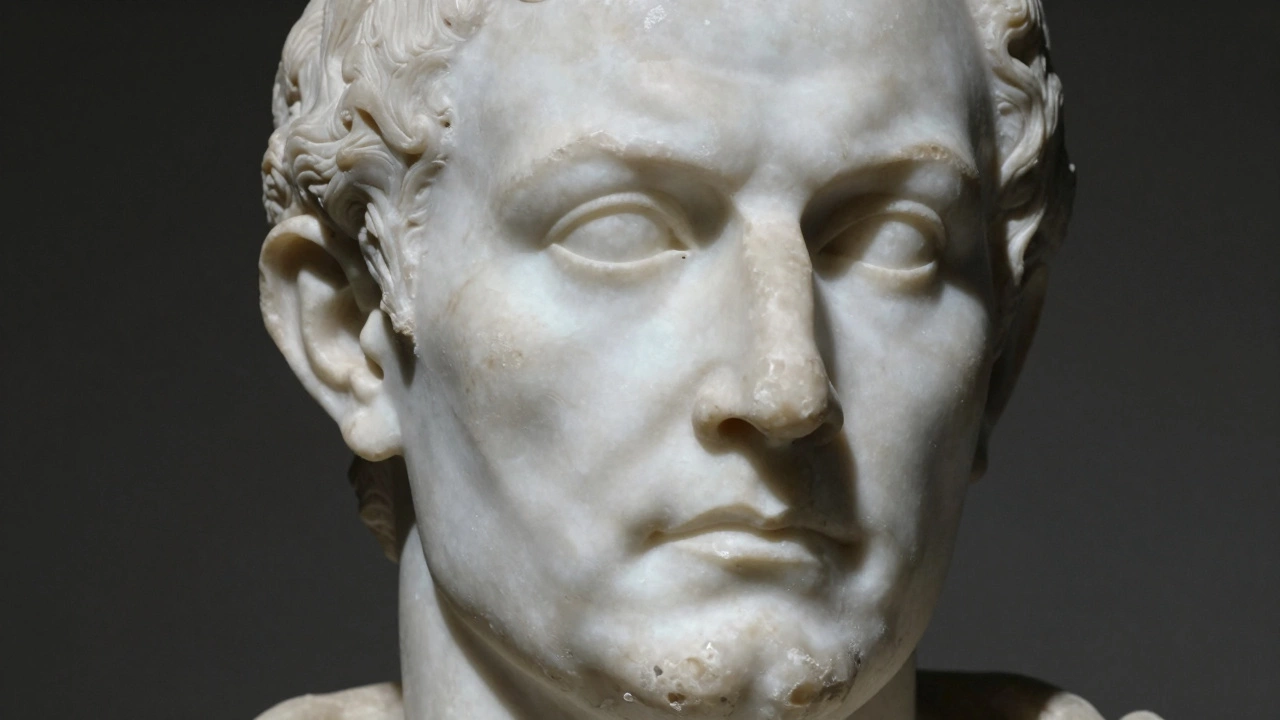
If Naturalism is about showing life accurately, Verism is about showing life brutally. This term comes from the Latin word *verus*, meaning "true." It is almost exclusively associated with Roman portraiture from the Republic period (around 200 BCE to 30 BCE).
Roman Verism is fascinating because it went against the grain of everything else in the ancient world. While Greeks smoothed out faces to show ideal beauty, Romans carved every scar, every sagging eyelid, and every deep furrow in the forehead. Why? Because these portraits were meant to represent wisdom, experience, and civic duty. A smooth face looked young and inexperienced. A wrinkled face looked like someone who had served the state.
So, if you’re looking at a marble head of an old man with intense, staring eyes and deeply etched lines, you are looking at Verism. It’s a specific historical style. Today, we rarely call modern sculptures "verist" unless we are specifically referencing that Roman tradition of unflattering honesty. It’s a niche term, but it’s the precise label for that hyper-detailed, no-holds-barred approach to aging and character.
Hyperrealism: The Modern Illusion
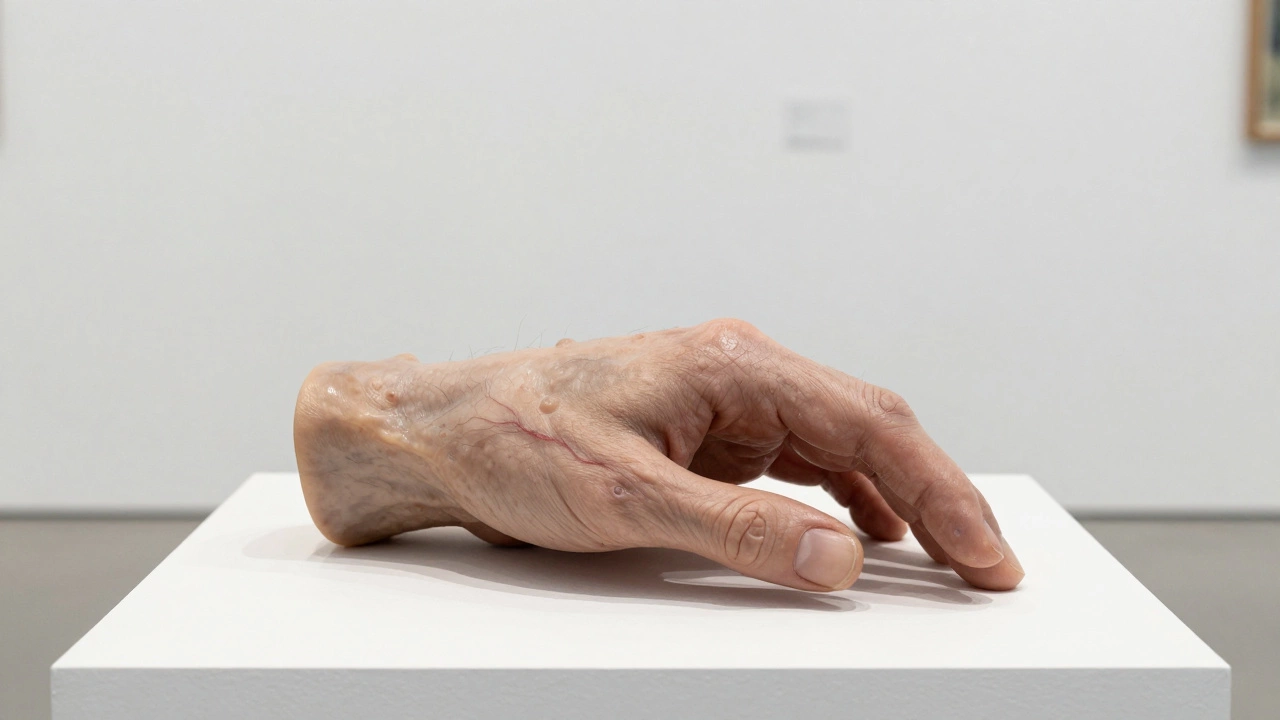
Now, jump forward to today. If you walk into a gallery and see a sculpture of a hand that looks so real you want to check its pulse, you are likely looking at Hyperrealism. This is a contemporary movement that started gaining traction in the late 20th century and has exploded in popularity since the 2010s.
Hyperrealism goes beyond accuracy. It aims for optical deception. Artists in this genre often start with high-resolution photographs or 3D scans and then sculpt materials like silicone, resin, or wax to mimic skin texture, blood vessels, and even body temperature. The goal is to trigger a visceral reaction-often disgust or awe-in the viewer.
Think of artists like Ron Mueck or Duane Hanson. Their works are life-size or larger-than-life figures that look like actual humans caught in mundane moments. Unlike Naturalism, which might stylize a form slightly for artistic effect, Hyperrealism strives for photographic precision. Every strand of hair is placed individually. Every reflection in the eye is calculated. It’s not just about representing reality; it’s about simulating it so perfectly that your brain struggles to process it as an object.
How to Tell Them Apart
It can be tricky to distinguish these styles if you’re new to art history. Here is a quick cheat sheet to help you identify what you’re looking at:
| Style | Time Period | Key Goal | Typical Materials | Visual Cue |
|---|---|---|---|---|
| Naturalism | Late 19th - Early 20th Century | Accurate anatomy and emotion | Bronze, Marble | Looks like a frozen photo; textured but clearly stone/metal |
| Verism | Ancient Rome (Republic) | Unflattering truth/wisdom | Marble, Bronze | Deep wrinkles, scars, intense gaze, aged features |
| Hyperrealism | Contemporary (1970s-Present) | Optical illusion/deception | Silicone, Resin, Wax | Looks like flesh; pores, veins, translucent skin |
Why Does the Name Matter?
You might wonder why we need three different words for "looking real." The names matter because they tell you about the artist’s intent. A Naturalist wants you to feel empathy for the human condition. A Verist wants you to respect the subject’s experience and authority. A Hyperrealist wants to challenge your perception of what is real and what is fake.
Understanding these distinctions also helps when you’re buying or collecting art. "Realistic" is too vague. If you commission a portrait, do you want the dignified, timeless feel of Naturalism? Or do you want the shocking, lifelike presence of Hyperrealism? The material choice changes drastically between the two. Bronze holds up well outdoors and ages gracefully. Silicone requires climate control and careful maintenance because it degrades over time.
The Role of Technology in Modern Realism
Today, the line between these styles is blurring thanks to technology. Digital scanning and 3D printing have allowed artists to achieve levels of precision that were impossible before. However, the core distinction remains: is the artist using technology to enhance a traditional aesthetic (Naturalism), or to create a simulation (Hyperrealism)?
Many contemporary sculptors blend these approaches. They might use the emotional depth of Naturalism with the technical precision of Hyperrealism. This hybrid approach is becoming common in museum installations and public art. As a viewer, you don’t need to memorize dates to appreciate these works. Just ask yourself: does this make me feel connected to the person, or does it make me question my own senses? That’s the key difference between the heart of Naturalism and the mind-game of Hyperrealism.
Is realism the same as naturalism in sculpture?
Not exactly. Realism is a broad term that covers any art depicting subjects truthfully without artificiality. Naturalism is a specific branch of realism that emphasizes accurate representation of nature and everyday life, particularly focusing on light, shadow, and anatomical correctness. All Naturalism is Realism, but not all Realism is Naturalism.
Who is the most famous hyperrealist sculptor?
Ron Mueck is widely considered one of the most influential hyperrealist sculptors. Known for his massive scale distortions and incredible attention to detail, his works like "Boy" and "The Old Man" have drawn millions of visitors worldwide. Other notable names include Duane Hanson and John De Andrea.
What materials are used for hyperrealistic sculptures?
Hyperrealists typically use synthetic materials to mimic human tissue. Common choices include silicone rubber, polyurethane resin, and wax. These materials allow for translucency, flexibility, and the ability to paint fine details like capillaries and skin pores, which are difficult to achieve with traditional stone or bronze.
Why did Roman sculptors use verism?
Roman Verism was used to convey values like wisdom, experience, and stoicism. In Roman culture, a weathered face suggested a life dedicated to public service and hardship. It was a political tool to legitimize leaders by showing their age and authority, contrasting with the idealized youth of Greek art.
Can I buy realistic sculptures for my home?
Yes, but consider the maintenance. Traditional bronze or marble naturalistic sculptures are durable and low-maintenance. Hyperrealistic pieces made of silicone or resin require careful handling, protection from direct sunlight, and stable temperatures to prevent cracking or discoloration. They are often more expensive due to the labor-intensive process.