Funeral Music Selector
Answer three quick questions to find the best musical fit for your service.
Recommended Song
Other Suitable Options:
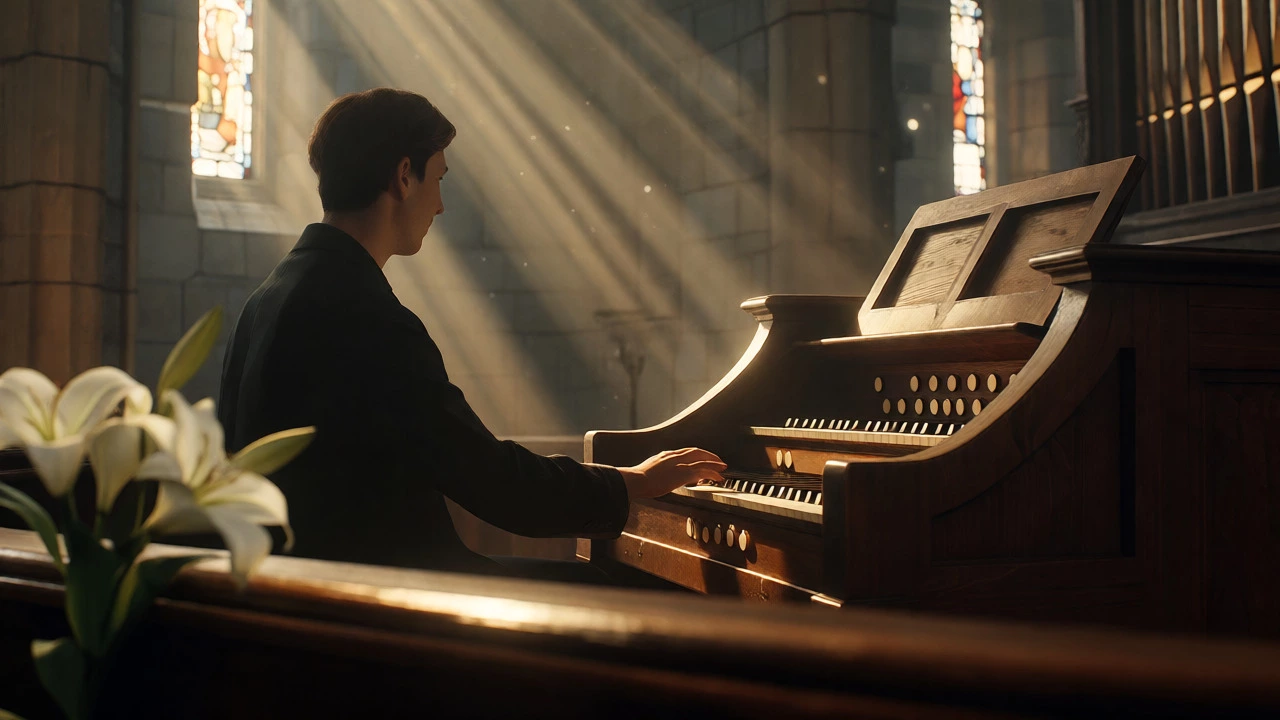
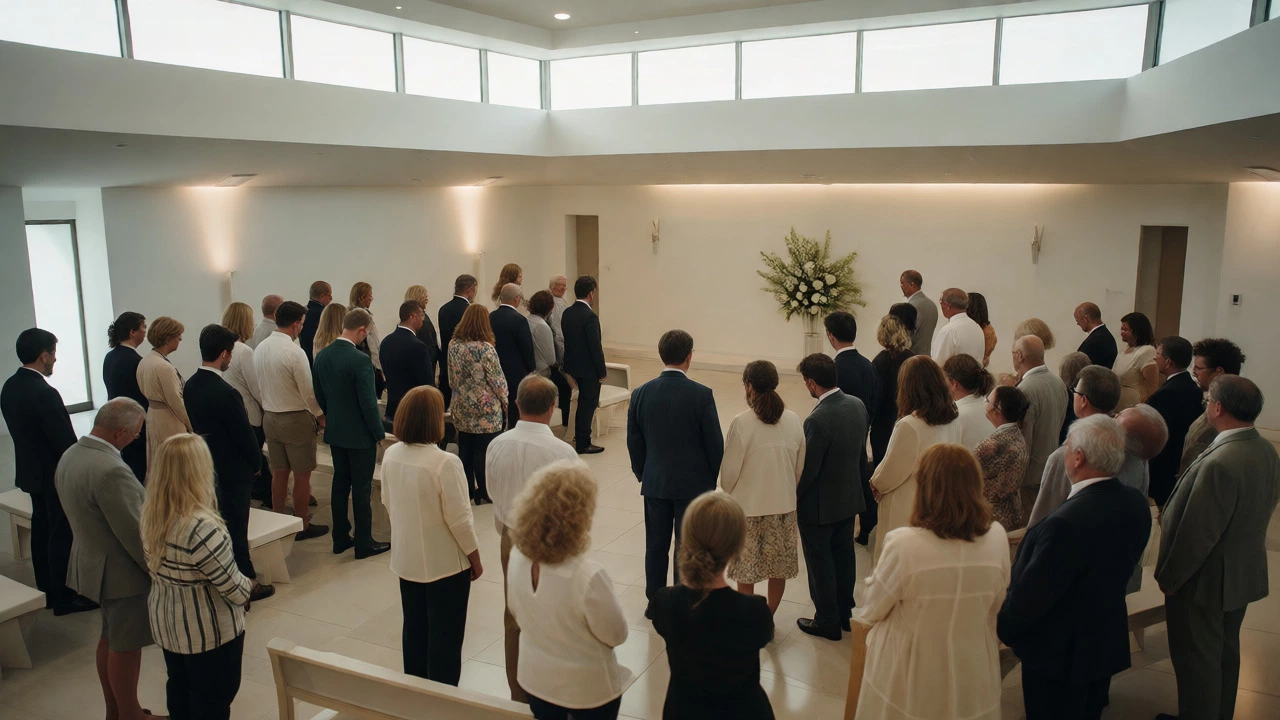
You stand in a church or a crematorium, the air thick with grief and the scent of lilies. The organist waits for your nod. You have to choose the soundtrack for the final goodbye of someone you loved. It is a heavy decision. Do you pick something upbeat? Something religious? Or do you go for the classic?
If you are looking for the safe bet, the song that has echoed through more chapels than any other, there is one clear winner. Ave Maria by Franz Schubert consistently tops the lists of most requested funeral pieces in the UK and across much of Europe. It isn’t just popular; it is ubiquitous. But why this piece? And is it really the best choice for every service?
Why Schubert’s Ave Maria Dominates
The Ave Maria (Ellens dritter Gesang), composed in 1825, wasn’t originally written for funerals. Schubert set it to a poem from Sir Walter Scott’s The Lady of the Lake. It was a prayer to the Virgin Mary, yes, but also a plea for protection. Over two centuries, its association shifted. The melody is simple, repetitive, and deeply calming. It doesn’t demand intellectual engagement from mourners who are often too emotional to focus on complex lyrics.
Funeral directors report that families gravitate toward it because it feels "proper." It signals respect without being overly doctrinal. Even non-religious families often choose it because the Latin text feels timeless rather than specifically Catholic. This ambiguity is its superpower. It bridges the gap between sacred ritual and personal mourning.
The Modern Challenger: Hymns vs. Pop Classics
While Ave Maria holds the crown for classical pieces, the landscape of funeral music has changed dramatically since the 1990s. If you ask a funeral director in Sheffield what they hear today, they will tell you about Abide With Me. This hymn, written by Francis Lyte in 1847, remains the most requested hymn in the United Kingdom. Its theme of staying present during death resonates deeply with British sensibilities. It is less operatic than Schubert, more communal.
But then there is the pop culture shift. Since Princess Diana’s funeral in 1997, where Elton John’s Candle in the Wind 1997 played, people feel empowered to choose secular songs. Today, tracks like My Way by Frank Sinatra or Time to Say Goodbye by Andrea Bocelli are massive hits. They offer a narrative arc-celebration of life rather than just mourning loss.
| Song Title | Composer/Artist | Primary Appeal | Common Context |
|---|---|---|---|
| Ave Maria | Franz Schubert | Classical beauty, universal calm | Religious & Secular Services |
| Abide With Me | William Henry Monk | Comfort, companionship in death | Church Funerals |
| My Way | Paul Anka/Sinatra | Personal achievement, defiance | Secular/Celebrations of Life |
| Jerusalem | Hubert Parry | Patriotic pride, hope | British National Identity |
How to Choose Without Regret
Choosing the right song isn’t about following the crowd. It’s about matching the tone of the service. Ask yourself these three questions:
- Who is the audience? If grandparents are attending, traditional hymns or classical pieces like Ave Maria provide comfort. If it’s a younger crowd, they might find those choices distant or boring.
- What was the deceased’s personality? Did they hate pretension? Then My Way might be ironic or perfect. Were they private? A soft instrumental might be better than a belting vocal track.
- Can people sing along? Songs like Amazing Grace allow participation. Silence can be heavy. Participation helps process grief.
There is no rule saying you must stick to one genre. Many modern services mix them. Start with a classical piece for the entrance, use a hymn for the middle, and end with an upbeat pop song for the exit. This structure guides emotions through the journey of grief.

The Hidden Cost of Popular Choices
Here is a practical tip from experience: check the licensing. If you choose a copyrighted pop song, some venues require you to purchase a license or play it via a specific streaming service that covers public performance rights. Classical pieces like Schubert’s Ave Maria are in the public domain, meaning no fees. This matters if you are planning a budget-conscious service.
Also, consider the acoustics. A cathedral amplifies reverb. A small chapel does not. Ave Maria sounds majestic in large spaces but can feel overwhelming in tiny rooms. In contrast, acoustic guitar versions of pop songs often work better in intimate settings.
Beyond the Top Ten: Unique Alternatives
If you want to avoid the cliché, look at these rising trends in 2026:
- Nature Sounds: Some families opt for recordings of rain, ocean waves, or forest birds. It removes the human element entirely, focusing on peace.
- Jazz Standards: Louis Armstrong’s What a Wonderful World is gaining traction as a hopeful, non-religious alternative.
- Local Folk: In regions like Yorkshire, local folk tunes carry deep community resonance that national anthems lack.
The "most requested" status of Ave Maria comes from its safety. It is the default. But the best funeral song is the one that makes the room breathe together. Whether that is Schubert or Sinatra depends entirely on the person lying in the coffin.
Is Ave Maria only for Catholics?
No. While the lyrics are a Catholic prayer, the melody is widely appreciated for its musical beauty. Many non-religious families choose it for its calming effect and lack of aggressive dogma.
Can I play copyrighted music at a funeral?
Yes, but rules vary by venue. Churches often have blanket licenses. Crematoriums may require you to pay a small fee for playing recorded pop music. Always ask your funeral director beforehand.
What is the most common hymn in the UK?
Abide With Me is consistently ranked as the number one hymn requested for funerals in the United Kingdom, followed closely by Jerusalem and Amazing Grace.
Should I avoid sad songs?
Not necessarily. Sadness is part of grief. However, ending with a uplifting track can leave attendees feeling supported rather than devastated. Balance is key.
Who decides the funeral music?
Usually the immediate family or next of kin. If the deceased left a will specifying their wishes, those requests generally take precedence unless they are logistically impossible.