Contemporary Art Forms Quiz
How well do you know contemporary art?
Take this quick interactive quiz to see if you can distinguish between the 7 major forms of contemporary art discussed in the article.
Walk into any major gallery today, and you might feel a bit lost. Gone are the days when art meant a pretty landscape in a gold frame. Today, artists use trash, code, their own bodies, and even entire rooms to make statements. It can be confusing, but that confusion is often part of the point. Understanding contemporary art isn't about memorizing rules; it's about recognizing the tools artists use to talk to us.
While definitions shift, seven major forms dominate the current scene. These aren't just different styles; they are distinct languages. From the physical weight of sculpture to the ephemeral nature of performance, each form carries its own meaning and history. Let’s break down these seven pillars so you can look at a piece and understand not just what you’re seeing, but why it matters.
What is the difference between modern and contemporary art?
Modern art generally refers to work created from the 1860s to the 1970s, focusing on breaking away from tradition. Contemporary art refers to art made from the late 20th century to the present day, often focusing on current social issues and new technologies.
1. Installation Art: Changing Your Environment
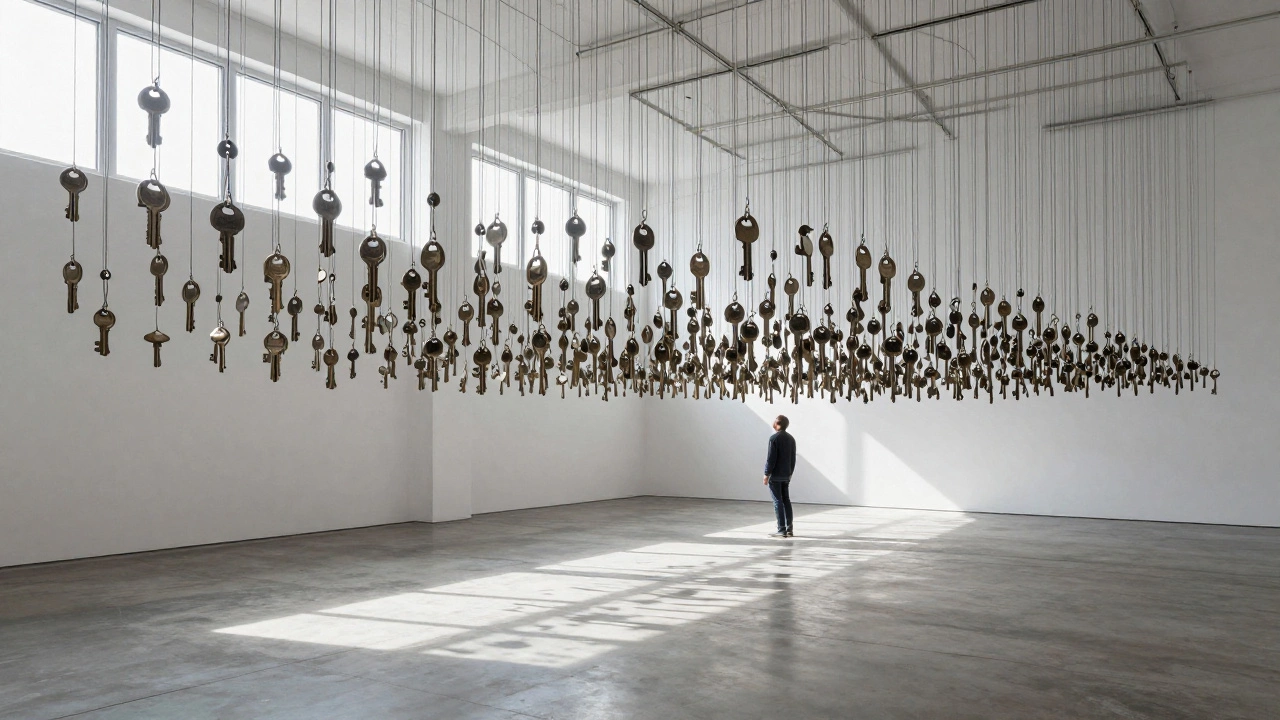
Imagine walking into a room and suddenly feeling like you're underwater, or surrounded by thousands of hanging keys. That’s installation art. Unlike a painting you view from a distance, an installation is an environment you step into. It transforms a space, making the viewer part of the artwork itself.
This form exploded in popularity in the 1960s and 70s as artists wanted to break out of the two-dimensional canvas. Today, it’s everywhere. Artists use light, sound, smell, and objects to create immersive experiences. The meaning here is often about perspective. By changing your surroundings, the artist forces you to see the world differently. For example, Olafur Eliasson’s weather installations don’t just show rain; they make you feel the climate crisis physically. It’s art that demands your presence, not just your attention.
If you ever find yourself in Dubai, you’ll notice how installation art blends with luxury spaces, much like how high-end services curate specific atmospheres for clients, similar to the curated profiles found on this directory.
2. Performance Art: The Body as Medium
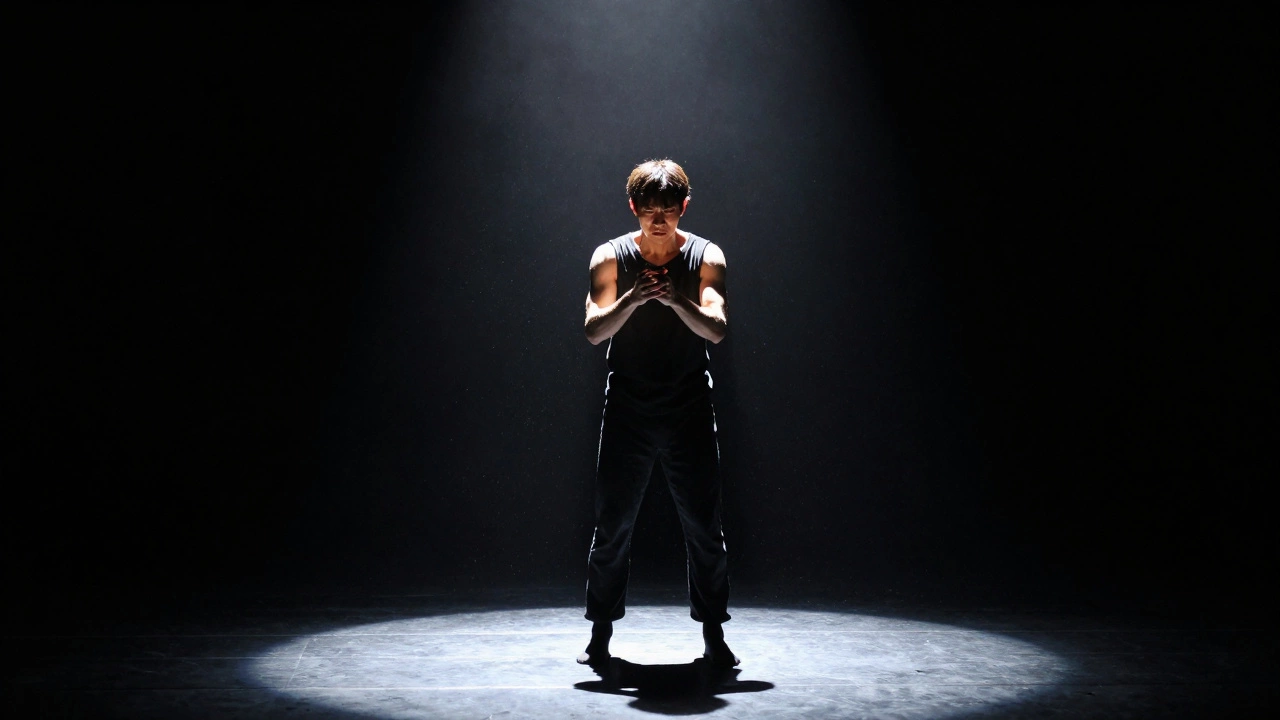
Sometimes, the artist is the art. Performance art uses the body, time, and space as its primary materials. It’s live, often fleeting, and usually happens only once. There’s no object to buy or hang on your wall. You either witness it, or you miss it.
This genre challenges the commodification of art. If there’s nothing to sell, what is the value? The meaning lies in the action and the relationship between the performer and the audience. Marina Abramović is the giant here. Her piece "Rhythm 0," where she let an audience do whatever they wanted to her for six hours, explored human cruelty and passivity. It’s uncomfortable, yes, but it reveals raw truths about society that a static painting never could. Performance art reminds us that art is a verb, not just a noun.
3. Digital Art: Pixels and Possibilities
You can’t talk about contemporary art without talking about screens. Digital art encompasses anything created using digital technology. This includes computer-generated imagery (CGI), digital photography, video art, and now, AI-generated images. With the rise of NFTs (Non-Fungible Tokens) around 2021, digital art entered the mainstream conversation about ownership and value.
The meaning of digital art often revolves around identity, connectivity, and the virtual self. In a world where we spend half our lives online, digital art reflects that reality. Beeple’s sale of a digital collage for $69 million shocked the traditional art world, proving that pixels have power. But beyond the hype, digital art allows for infinite reproduction and modification. It questions what makes something "original." Is the code the art, or the image it produces? This form is evolving faster than any other, keeping pace with our technological addiction.
4. Conceptual Art: Ideas Over Objects
Here’s a controversial one: what if the idea is more important than the skill? Conceptual art prioritizes the concept or idea behind the work over the aesthetic or material concerns. A famous example is Marcel Duchamp’s "Fountain" (though technically Dada, it paved the way), which was just a urinal signed by the artist. In contemporary times, this means a text on a wall can be a masterpiece if the thought behind it is profound.
Critics call it lazy; supporters call it revolutionary. The meaning is in the mental engagement it requires. It forces you to think, question, and interpret. Sol LeWitt’s wall drawings are instructions given to others to execute. The art isn’t the paint on the wall; it’s the instruction set. This form democratizes art production but elitizes art appreciation. You need to understand the context to get it. It’s art for the mind, stripping away beauty to leave only pure philosophy.
5. Mixed Media: Breaking Boundaries
Why stick to oil paint when you can use glue, fabric, wood, and plastic too? Mixed media combines two or more different mediums in a single work. Collage is the most accessible form, but contemporary artists push this further, embedding electronics, natural elements, or found objects into their pieces.
The meaning here is often about complexity and fragmentation. Life isn’t monochromatic; it’s a messy mix of textures and materials. Mixed media reflects that chaos. An artist like El Anatsui creates stunning tapestries from discarded bottle caps. The material tells a story of consumption and waste, while the form resembles traditional African textiles. It bridges the gap between high art and everyday trash, challenging hierarchies of value. It’s tactile, rich, and visually arresting, appealing to those who want depth in both texture and theme.
6. Street Art: Public Voice
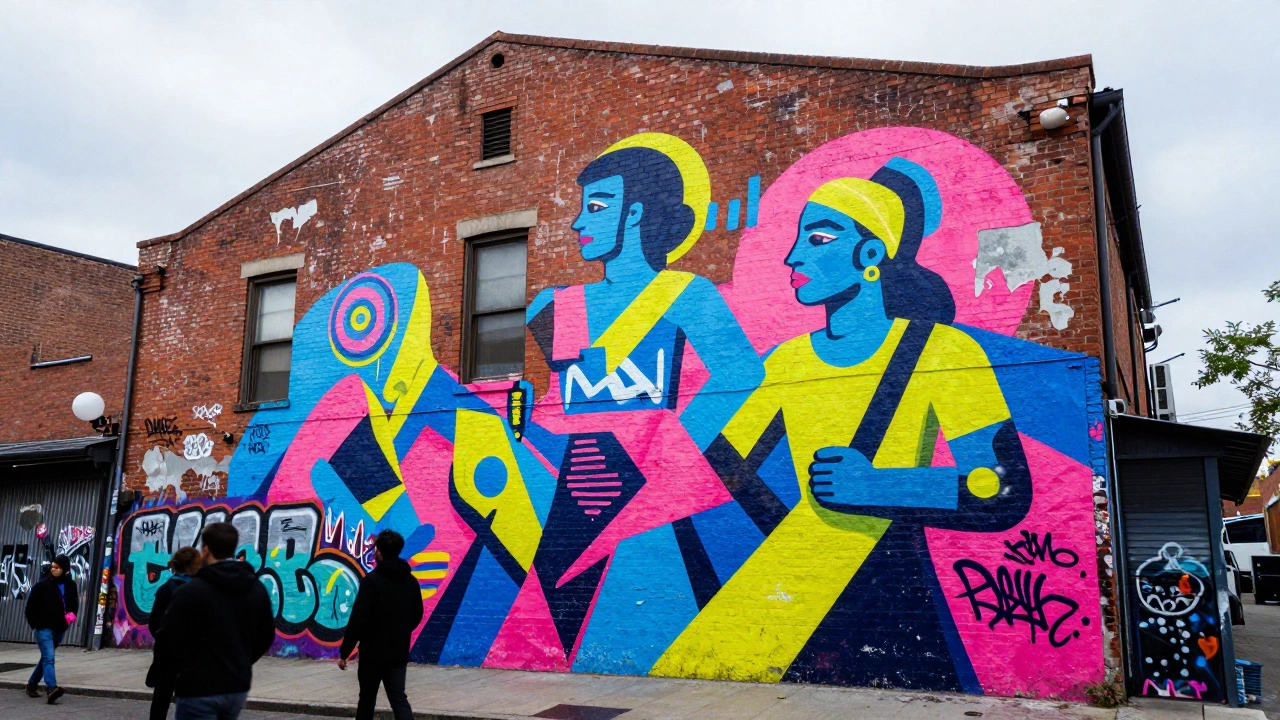
Once considered vandalism, street art is now a respected pillar of contemporary culture. Banksy turned graffiti into global commentary. Street art takes place in public spaces, accessible to everyone, not just those who can afford gallery tickets. It’s raw, immediate, and often political.
The meaning of street art is rebellion and accessibility. It reclaims public space from corporate advertising and government control. Because it’s often illegal or unauthorized, it carries a risk that adds to its potency. However, as cities like London and Berlin embrace murals, some argue it’s losing its edge. Yet, the core remains: art should belong to the people. Street art speaks directly to the community, addressing local issues, gentrification, and social justice in a language anyone can understand.
7. Sculpture: Form and Space
Sculpture is the oldest form of art, but it’s far from dead. Contemporary sculpture has moved beyond marble busts of kings. Today, sculptors use steel, glass, ice, light, and even living organisms. They play with scale, balance, and negative space.
The meaning in modern sculpture often explores the relationship between the object and its environment. Louise Bourgeois’ massive spiders evoke fear and protection simultaneously. Anish Kapoor’s reflective surfaces distort the viewer’s perception of themselves. Sculpture occupies real space, demanding that you navigate around it. It’s physical and imposing. In a digital age, sculpture grounds us in the tangible world, reminding us of weight, texture, and permanence-or lack thereof.
How to Appreciate These Forms
Don’t worry if you don’t "get" a piece immediately. Contemporary art isn’t a test you pass or fail. It’s a conversation. Ask yourself: What emotion does this trigger? What question does it raise? Who is excluded or included in this work? By understanding these seven major forms, you’ve got the vocabulary to start that dialogue. Whether it’s the immersion of installation, the ephemerality of performance, or the intellect of conceptual art, there’s a form that will speak to you. Keep looking, keep questioning, and let the art challenge you.
Is digital art really art?
Yes. Like photography before it, digital art faced skepticism. It requires creativity, technical skill, and conceptual depth. The medium is different, but the artistic intent and execution are valid.
Why is conceptual art so popular among critics?
Critics value the intellectual rigor and philosophical questions conceptual art raises. It shifts focus from technical craftsmanship to the power of ideas, which aligns with academic and theoretical frameworks in art history.
Can street art be sold in galleries?
Yes, many street artists now sell canvases and prints in galleries. However, purists argue that the essence of street art is its public, unauthorized nature, which is lost when commercialized.
What is the role of the viewer in installation art?
The viewer is essential. Without someone entering the space, the installation is incomplete. The viewer’s movement, reaction, and interpretation complete the artwork, making them a co-creator of the experience.
How has NFT changed digital art?
NFTs introduced verifiable ownership and scarcity to digital files, allowing artists to sell originals. This created a new market economy for digital creators, though it also brought speculation and environmental concerns.