Eras Tour Crowd & Economics Estimator
Estimate the scale of a potential Eras Tour stop. Adjust the inputs to see how crowd size and ticket pricing affect total revenue and local economic impact.
Enter details above to calculate the economic footprint of the concert.
Projected Economic Impact
Note: London's Wembley has a higher theoretical capacity (90k+), but concert layouts often reduce usable space. Rio's 70k remains the practical benchmark for this tour's peak engagement.
Reference Data: Major Eras Tour Stops
| Venue/City | Approx Capacity | Notes |
|---|---|---|
| Rio de Janeiro, Brazil | 70,000+ | Highest reported single-night figure |
| Buenos Aires, Argentina | 65,000 - 70,000 | Multiple nights with similar high density |
| Mexico City, Mexico | 60,000 - 65,000 | Sold out multiple consecutive nights |
| Las Vegas, USA | 55,000 - 60,000 | Allegiant Stadium configuration |
| London, UK | 80,000+ (Cap) | Wembley layout reduces usable seats |
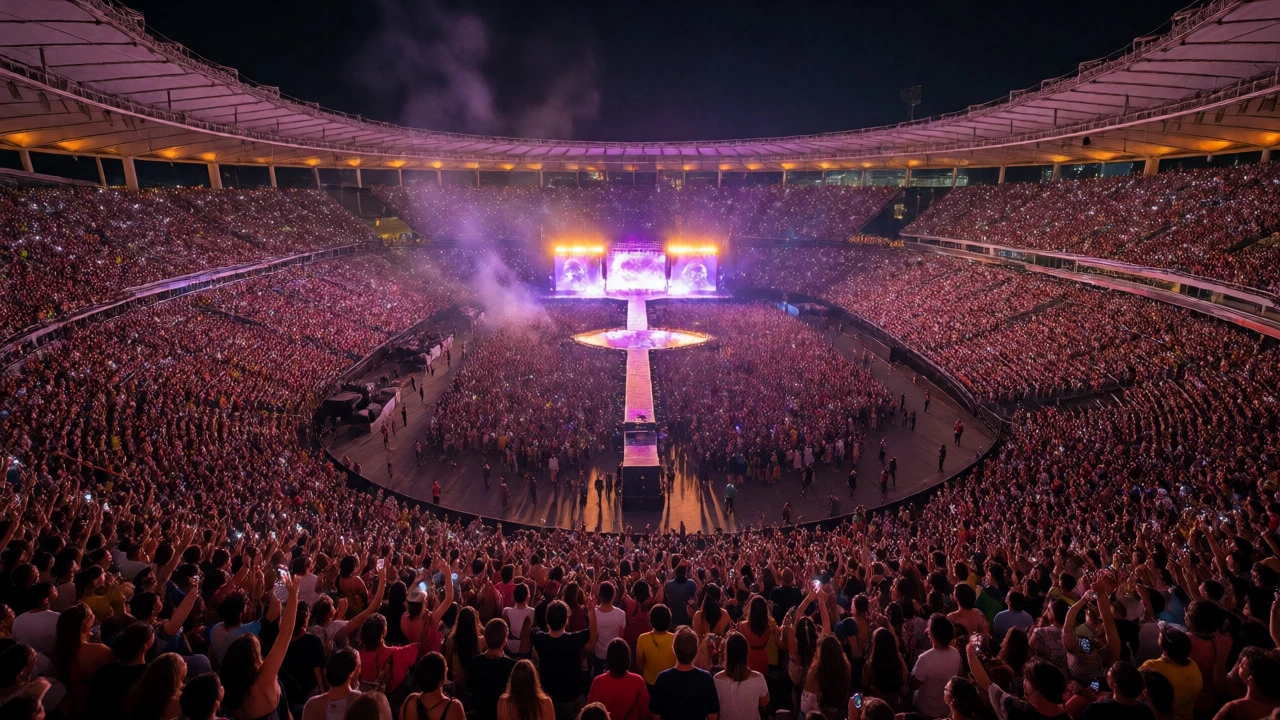
You’re standing in the middle of a sea of people. You can’t see the stage, you can barely hear your own thoughts, and yet, when the first note hits, 60,000 strangers scream in unison. It’s a physical force. For Taylor Swift, this isn't just a vibe; it’s her business model. But if you’ve ever wondered exactly how big her audiences get, you’re asking the right question. We aren't talking about a packed club or a modest arena. We are talking about numbers that defy logic.
So, what is Taylor Swift's biggest crowd? If we look at recent data from the The Eras Tour, the answer fluctuates between 55,000 and 70,000 people per night, depending on the venue and city regulations. But there is one specific event that stands out as the undisputed king of attendance figures.
The Record-Breaking Moment in Rio de Janeiro
Let’s cut straight to the chase. While many cities claim massive numbers, the highest verified single-night attendance for Taylor Swift occurred during her stop in Rio de Janeiro, Brazil, in November 2023. Reports from local authorities and tour promoters placed the crowd at approximately 70,000 fans. This wasn't just a sold-out show; it was a civic event. The traffic jams alone lasted hours, and the noise levels were recorded by seismologists because the bass literally shook the ground.
Why Rio? It comes down to three things: passion, venue size, and timing. The Estádio Nilton Santos (also known as Engenhão) has a capacity that comfortably fits this number, unlike some US stadiums that have stricter safety caps. Plus, Brazilian fans are legendary for their endurance and volume. They don't just watch; they participate. When 70,000 people sing "Anti-Hero" back to you, it changes the energy of the performance entirely.
Comparing Stadium Capacities Across Continents
To understand why 70,000 is significant, you need context. Not all stadiums are created equal. Some European venues cap attendance lower due to historic preservation laws or tighter security protocols. In the United States, NFL stadiums often hold more people than baseball parks, but Swift’s production requires a specific footprint that sometimes reduces seat count to make room for the elaborate stage design and lighting rigs.
Here is a look at how her biggest crowds stack up against other major stops on the tour:
| Venue/City | Approximate Capacity | Notes |
|---|---|---|
| Rio de Janeiro, Brazil | 70,000+ | Highest reported single-night figure |
| Buenos Aires, Argentina | 65,000 - 70,000 | Multiple nights with similar high density |
| Mexico City, Mexico | 60,000 - 65,000 | Sold out multiple consecutive nights |
| Las Vegas, USA | 55,000 - 60,000 | Allegiant Stadium configuration |
| London, UK | 80,000+ (Venue Cap) | Wembley capacity is higher, but actual ticketed attendance varied slightly below max due to layout |
You might notice London’s Wembley Stadium listed with a higher potential capacity. Indeed, Wembley can hold over 90,000 for football matches. However, for concerts, the stage setup, sightlines, and safety barriers reduce the usable ticketed area. While London saw massive crowds, the logistical constraints meant the pure headcount often hovered just under the absolute maximum possible, whereas Rio managed to push the envelope further.
Why Do These Numbers Matter?
It’s not just about bragging rights. These crowd sizes represent a shift in how live music operates. A 70,000-person audience isn't just passive observers; they are active participants in a cultural phenomenon. This scale creates what economists call an "agglomeration effect." When everyone is there, the experience becomes bigger than the sum of its parts. Merchandise sales skyrocket. Local hotels fill up. Flights into the city spike in price.
For artists, this level of demand allows for something rare: leverage. Most performers negotiate hard to get 40,000 seats filled. Swift fills 70,000 while selling out secondary markets instantly. This power dynamic changes how tours are booked. Venues compete for her dates, offering better terms because they know the revenue impact extends far beyond ticket sales. It turns a two-day run into a week-long economic stimulus package for any host city.
The Economics of a Mega-Crowd
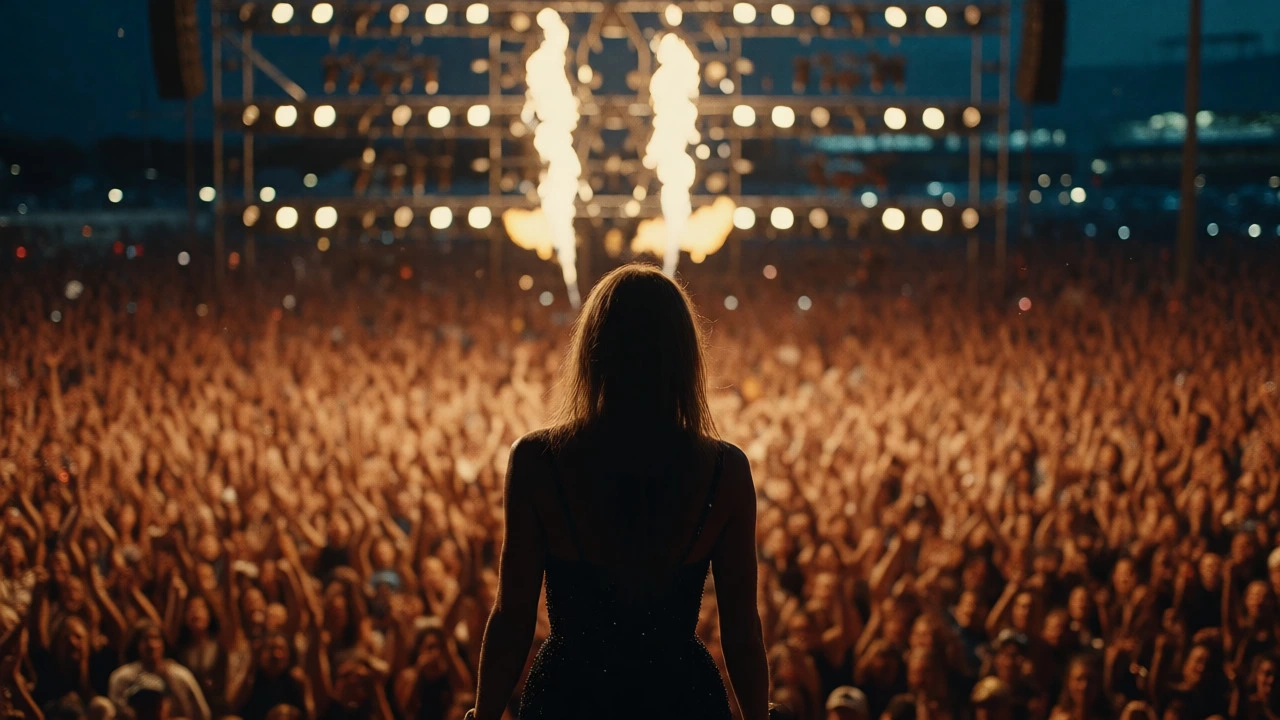
Let’s break down the math. If you average a ticket price of $150 (a conservative estimate given the range from $49 to premium packages exceeding $1,000), a 70,000-person crowd generates roughly $10.5 million in ticket sales alone for a single night. That doesn't include concessions, parking, or merchandise. Multiply that by three nights in a city like Rio or Buenos Aires, and you’re looking at tens of millions of dollars flowing into the local economy.
This is why cities fight tooth and nail to secure these dates. It’s not just about hosting a concert; it’s about global visibility. Social media buzzes with clips from the front row. News outlets cover the seismic activity caused by the bass. The brand exposure is worth more than the ticket revenue itself.
Factors Limiting Even Bigger Crowds
Could she play to 100,000 people? Technically, yes. Festivals like Glastonbury or Coachella draw that many daily. But those are multi-artist events spread across large grounds. A solo artist playing a stadium-style show faces different constraints. Safety is the primary limiter. Emergency exits, fire codes, and police presence dictate how many bodies can safely occupy a space. Overcrowding leads to accidents, and no promoter wants a liability nightmare on their hands.
Another factor is audio quality. Sound engineers struggle to deliver clear audio to 70,000 people without excessive delay or feedback loops. Beyond a certain point, the person in the back row hears the sound seconds after the person in the front. This disconnect ruins the immersive experience Swift is famous for. She prioritizes connection over sheer volume, which means she often chooses configurations that ensure every fan feels part of the moment, even if it means capping the headcount slightly below the theoretical maximum.

How to Get Into These Massive Shows
If you want to be part of the next record-breaking crowd, you need strategy. Presale tickets vanish in minutes. Secondary market prices inflate quickly. Here is a quick checklist for aspiring attendees:
- Join Fan Clubs Early: Many presales are exclusive to official fan club members who register months in advance.
- Check Local Radio Stations: Sometimes stations hold separate ticket pools for contests or early access.
- Be Flexible with Dates: Mid-week shows often have slightly less competition than Friday or Saturday slots.
- Monitor Resale Platforms: Fans occasionally sell tickets last minute if plans change, though prices remain high.
Remember, getting a ticket is only half the battle. Navigating a crowd of 70,000 requires preparation. Arrive early. Download offline maps. Know your exit routes. The post-show crush is real, and having a plan saves you hours of waiting.
Frequently Asked Questions
What is the largest crowd Taylor Swift has ever played to?
The largest verified single-night crowd for Taylor Swift was approximately 70,000 people during her Eras Tour stop in Rio de Janeiro, Brazil, in November 2023. Other South American stops also saw similar numbers, but Rio remains the benchmark for peak attendance.
Does Taylor Swift play to bigger crowds than other pop stars?
Yes, consistently. While many top-tier artists fill 50,000-seat stadiums, Swift regularly pushes venues to their maximum safe capacity, often exceeding 60,000-70,000 attendees per night. Her ability to sustain this demand over multiple consecutive nights sets her apart from peers who may require more rest days or smaller venues.
Why do some stadiums have lower capacities for concerts than sports games?
Concerts require stage setups, lighting rigs, and backstage areas that take up floor space where seats would normally be. Additionally, safety regulations often restrict standing areas or limit the number of tickets sold near the stage to prevent overcrowding, reducing the total available seats compared to a standard sporting event.
Did Taylor Swift play to larger crowds before the Eras Tour?
While previous tours like the Reputation Stadium Tour drew large crowds, the Eras Tour represents the peak of her drawing power. The combination of a longer setlist, broader discography appeal, and heightened global fame resulted in higher average attendance figures and more frequent sell-outs at maximum capacity venues.
Are the crowd numbers accurate?
Promoters often report "sold-out" figures, which reflect tickets issued rather than heads counted. Independent estimates using turnstile counts and aerial photography generally align closely with official reports, confirming that crowds in major markets like Rio, Buenos Aires, and Las Vegas indeed exceeded 60,000 people per night.
