Sublime Landscape: What Makes a Landscape Painting Truly Powerful
A sublime landscape, a type of landscape art that evokes awe, wonder, and sometimes fear through vast, untamed nature isn’t just a pretty view. It’s nature pushed to its emotional edge—mountains that claw at the sky, storms rolling over endless seas, forests so thick they feel alive. This isn’t about postcard perfection. It’s about scale that makes you feel small, light that feels divine, and silence that rings louder than sound. The romantic landscape, an art movement from the late 1700s to mid-1800s that emphasized emotion over realism in nature scenes gave us the blueprint. Artists like Turner and Friedrich didn’t paint what they saw—they painted what they felt: isolation, reverence, the humbling power of the wild.
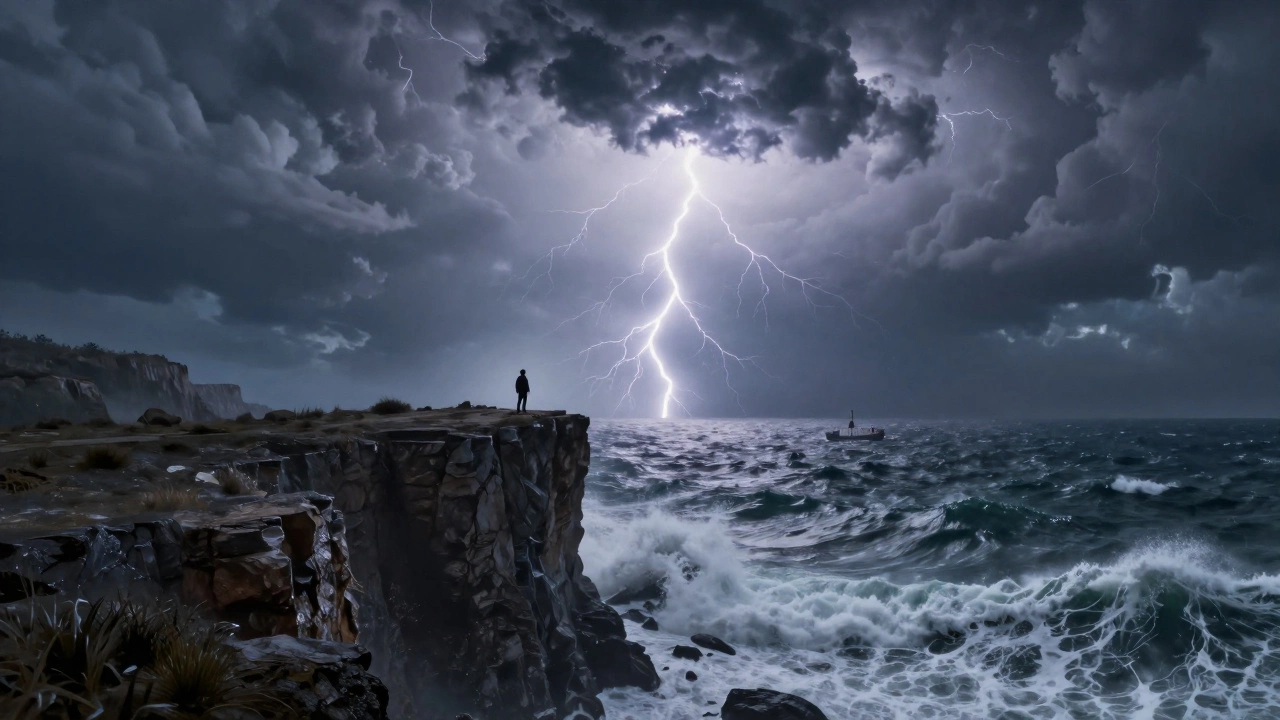
What separates a sublime landscape from a simple countryside scene? It’s the tension. The lone figure dwarfed by a cliff. The lightning splitting a dark sky. The way mist swallows a valley whole. These aren’t just visual tricks—they’re psychological triggers. The artistic landscape, any landscape artwork created with expressive intent, not just documentation becomes sublime when it asks you to confront something bigger than yourself. You don’t just look at it—you feel it in your chest. That’s why modern artists still chase it, even with digital tools or abstract forms. The emotion hasn’t changed. The world still holds places that make us pause, breathe, and wonder.
Some of the posts below dig into how artists build that feeling—whether through brushwork, light, or even turning photos into painterly visions. Others explore how landscape art connects to deeper human needs: our longing for peace, our fear of the unknown, our need to find meaning in nature’s chaos. You’ll find real examples, breakdowns of technique, and stories behind works that still stir people today. No fluff. Just the raw, powerful core of what makes a landscape unforgettable.
1 Dec 2025
Romantic landscape paintings fall into two main types: the sublime, which evokes awe and fear through wild nature, and the picturesque, which offers calm, charming scenes. Learn how artists like Turner and Constable used these styles to express emotion in the 1800s.
Continue reading...