Graffiti vs Street Art: Key Differences Explained
18 Oct 2025Explore the core differences between graffiti and street art, from history and technique to legality and cultural impact, in a clear, engaging guide.
Continue reading...When you step onto a city block and spot a burst of color on a concrete wall, you’re experiencing Street Art, a visual movement that turns public spaces into expressive canvases. Also known as urban art, it blends spontaneity with skill, often challenging the line between art and vandalism. Graffiti, spray‑painted lettering or tags that claim a spot on a wall is the most recognizable form, while large‑scale murals, painted scenes that cover entire building facades turn ordinary storefronts into storytelling walls. Together with public art, any creative work commissioned for shared spaces, street art creates a dynamic dialogue between creators, viewers, and the city itself. This dialogue is the backbone of the collection below, where each post sheds light on a facet of this vibrant culture.
Street art didn’t appear out of nowhere; it grew from the graffiti crews of the 1970s, the hip‑hop beats of the Bronx, and the political posters of 1960s Europe. Those early tags were simple signatures, but they soon evolved into complex pieces that addressed social issues, celebrated local heroes, and even mocked authority. Stencil art, wheat‑pasting, and sticker bombing expanded the toolbox, allowing artists to reproduce intricate designs quickly, which helped messages travel across neighborhoods and even continents. The movement’s rebellious spirit also sparked legal debates, pushing cities to define what counts as vandalism versus cultural enrichment. By understanding this history, you’ll see why today’s murals often carry layers of meaning—honoring heritage, promoting community projects, or inviting tourists to pause for a photo.
From a practical standpoint, street art demands a specific set of tools and techniques. Aerosol paint is the staple, prized for its fast drying time and ability to blend colors on the fly. Artists also rely on caps of varying sizes to create different line widths, and many keep a portable ladder or scaffold for those towering wall pieces. In recent years, markers, polymer‑based paints, and even projector outlines have joined the arsenal, giving creators more precision and less mess. Collaboration is another core element: crews share walls, swap styles, and host “paint‑offs” that turn blank walls into live contests. This sense of community extends beyond the street; workshops, festivals, and city‑sponsored programs now invite residents to try their hand at a can, blurring the line between creator and audience.
Today, street art is no longer confined to alleyways. Brands commission muralists to boost visibility, while municipalities fund large projects to revitalize neglected districts. Digital platforms amplify the reach: a single piece can go viral, spawning memes, NFTs, or even virtual tours. Artists experiment with augmented reality, overlaying animations onto physical works that only appear through a smartphone app. Meanwhile, sustainability concerns push creators toward eco‑friendly paints and recycled materials. All these trends show that street art continues to evolve, staying relevant in a fast‑changing cultural landscape. Below you’ll find a curated set of articles that dive deeper into techniques, legal considerations, and the business side of turning a city wall into a canvas, giving you practical insights you can apply whether you’re a seasoned muralist or just starting with a can.
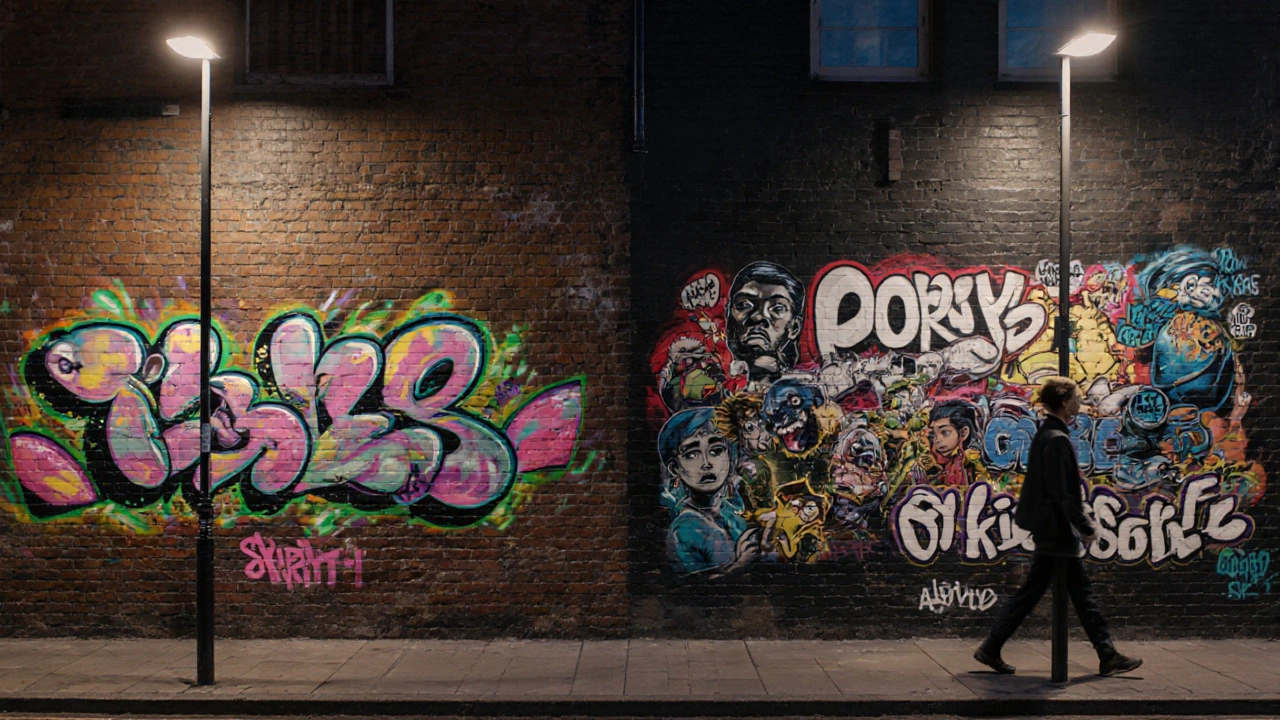
Explore the core differences between graffiti and street art, from history and technique to legality and cultural impact, in a clear, engaging guide.
Continue reading...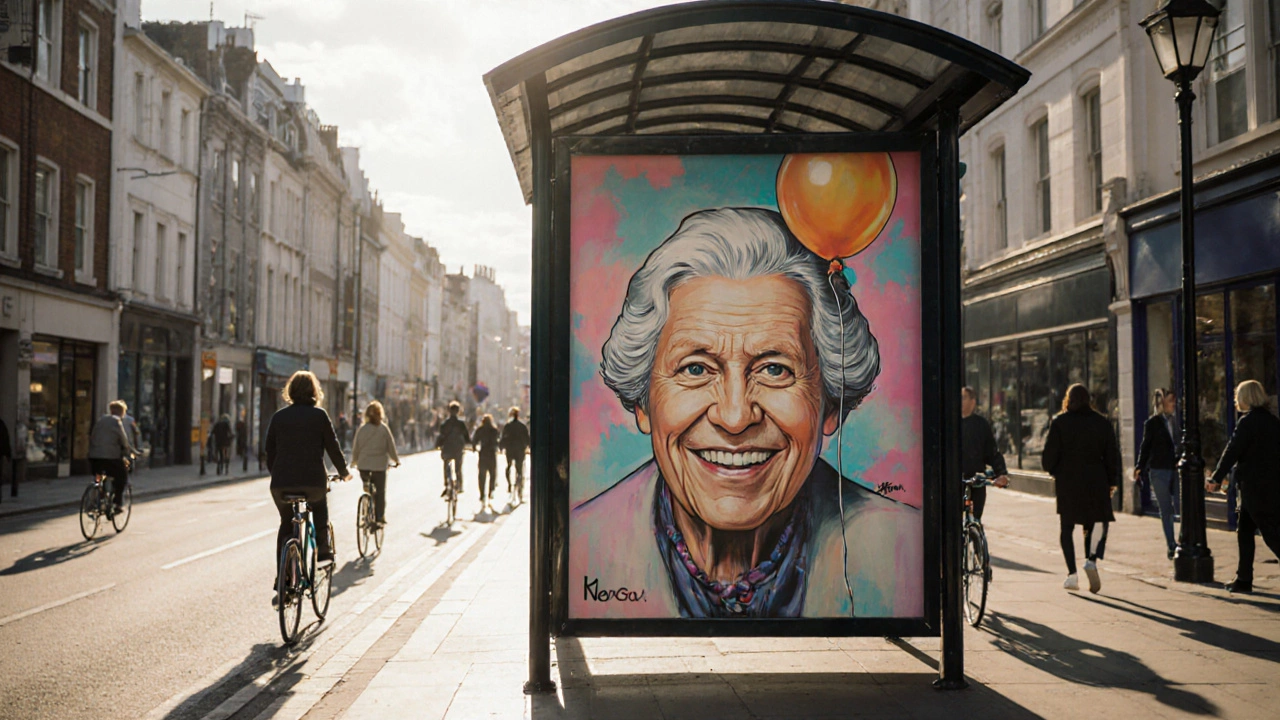
Explore the multiple purposes behind street art-from sparking public dialogue and activism to boosting tourism, community pride, and urban regeneration-in a clear, engaging guide.
Continue reading...