Romanticism in Painting: Emotion, Nature, and the Power of Feeling in Art
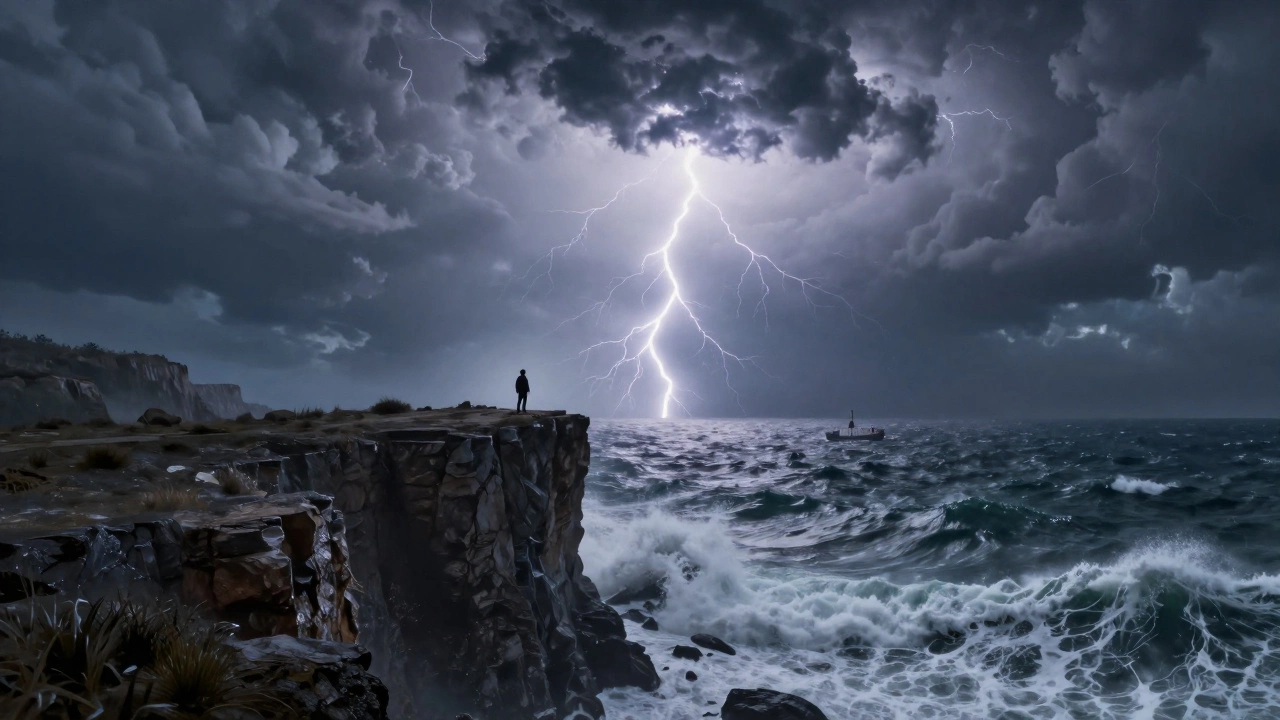
When you think of romanticism in painting, a 19th-century art movement that prioritized emotion, individualism, and the sublime power of nature over reason and order. Also known as Romantic art, it wasn’t about love stories—it was about awe, fear, and the raw truth of being human. Artists didn’t just paint what they saw. They painted what they felt. A lone figure standing on a cliff, lightning splitting the sky, a battlefield soaked in twilight—these weren’t scenes. They were soul-deep reactions to a world changing too fast.
That’s why landscape painting, a core focus of romanticism where nature became a character, not just a backdrop exploded in popularity. Think of Caspar David Friedrich’s solitary monks or J.M.W. Turner’s swirling oceans. These weren’t postcards. They were warnings. Nature wasn’t peaceful—it was alive, untamed, and indifferent to human plans. And that scared people. It also freed them. Suddenly, art didn’t need to be perfect. It didn’t need to be polite. It just needed to feel real.
And that’s where emotional expression in art, the driving force behind romanticism, where inner turmoil, longing, and wonder took priority over technical precision changed everything. Before romanticism, art was about rules: balance, symmetry, clarity. Romantic artists broke them. They used thick brushstrokes, dark shadows, and wild colors—not to show skill, but to show pain, passion, or wonder. You didn’t need to understand the story to feel it. That’s why so many of these paintings still hit hard today.
It wasn’t just about nature or emotion. Romanticism in painting also dug into history, myth, and the exotic. Painters brought forgotten battles back to life with dramatic lighting. They painted distant lands as mysterious, dangerous, and beautiful. They gave voice to the individual—the rebel, the dreamer, the outsider. And in doing so, they made art personal again.
Today, you can still see its shadow everywhere. From the moody lighting in film to the way we romanticize solitude and wild places, romanticism never really left. It just changed clothes. The posts below dig into exactly that—how this movement shaped techniques, why certain artists became icons, and how its spirit lives on in modern art that still values feeling over perfection. You’ll find real examples, clear breakdowns, and the truth behind why these paintings still move us—not because they’re beautiful, but because they’re honest.
1 Dec 2025
Romantic landscape paintings fall into two main types: the sublime, which evokes awe and fear through wild nature, and the picturesque, which offers calm, charming scenes. Learn how artists like Turner and Constable used these styles to express emotion in the 1800s.
Continue reading...