Early Human Songs: Origins, Tools, and How They Shaped Music Today
When we think of music, we imagine instruments, playlists, and concerts—but it all started with something far simpler: early human songs, the first intentional use of rhythm and vocalization by our ancestors to express emotion, coordinate groups, or connect with the spiritual world. Also known as prehistoric music, these sounds weren’t just noise—they were the foundation of every melody, drumbeat, and chant that came after. No sheet music, no microphones, no studios. Just humans, their voices, and whatever they could tap, scrape, or blow to make a sound that meant something.
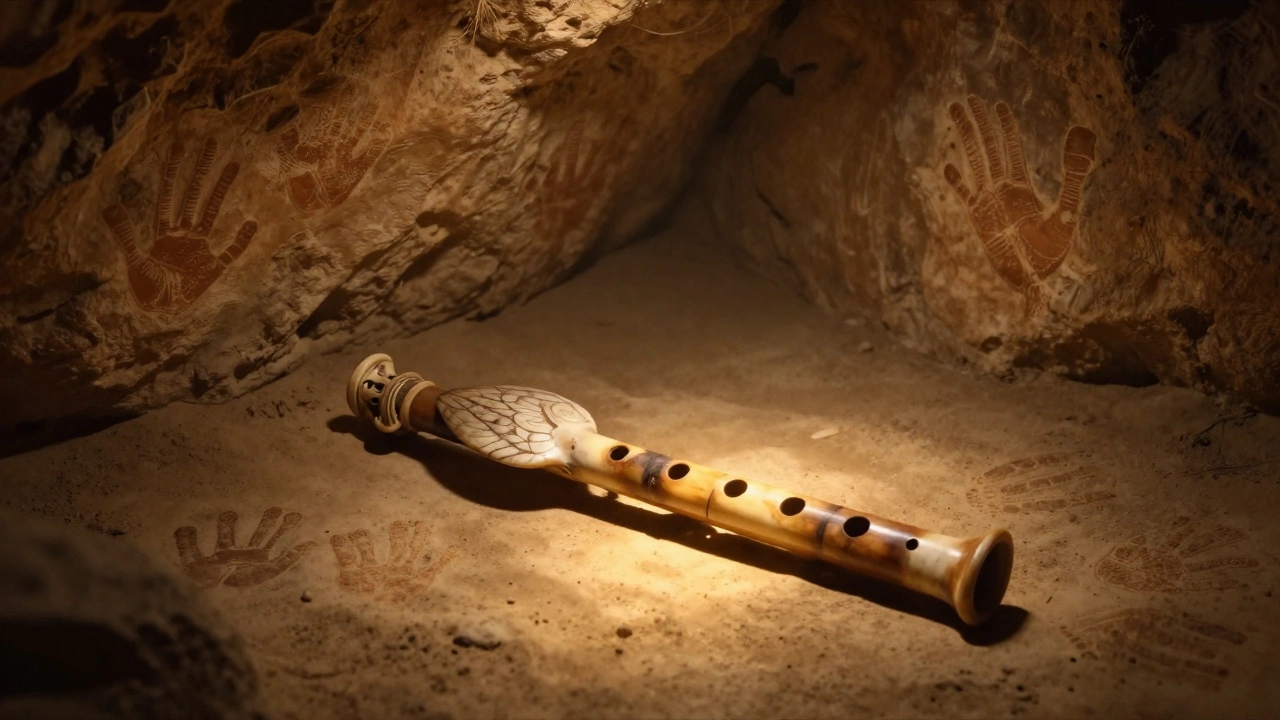
These early songs weren’t performed for entertainment. They were part of survival. Archaeologists have found bone flutes over 40,000 years old in Europe, carved from bird bones and mammoth ivory. These aren’t toys—they’re carefully crafted tools designed to produce specific tones. In Africa, percussion was made from hollowed logs and stretched animal skins. In Asia, rattles made from seeds and shells were used in rituals. Each culture developed its own sonic language. And while we’ll never hear the exact tune of a Neolithic chant, we know the purpose: to mark time, honor the dead, call animals, or bond a group before a hunt. primitive instruments, the first physical tools created specifically to produce musical sound weren’t just artifacts—they were extensions of the human voice, turning emotion into vibration.
What’s surprising is how similar these ancient practices are to what we do now. A drum circle today? That’s a direct line to a 30,000-year-old ritual. A choir singing in harmony? That’s the same instinct that made early humans match pitch to strengthen group unity. Even modern music production—layering beats, tuning pitches, building emotional arcs—mirrors the same needs: connection, expression, and meaning. musical origins, the deep-rooted human drive to create structured sound as a form of communication and identity didn’t disappear. They evolved. And they’re still alive in every song you hum while walking down the street.
You won’t find a recording of an early human song, but you’ll find traces of them everywhere—in the pulse of a tribal dance, the call-and-response of gospel music, the drone of a didgeridoo, even the beat of a hip-hop track. The posts below dig into how these ancient roots connect to modern art forms: from how rhythm shaped sculpture and painting, to how early sound tools influenced today’s digital music creation. You’ll see how artists today still borrow from the same instincts that drove our ancestors to make noise—and turn it into something beautiful.
1 Dec 2025
The oldest song genre isn't a named style like blues or jazz-it's folk music, born from human rhythm and voice tens of thousands of years ago. Rooted in survival, community, and emotion, it's the foundation of every genre that followed.
Continue reading...