When you think of the oldest song genre, you might picture a tribal drum circle or a lone flute echoing across a desert. But the truth is, we don’t have a single, clear-cut answer-because music didn’t start as a genre. It started as a heartbeat.
Music Came Before Words
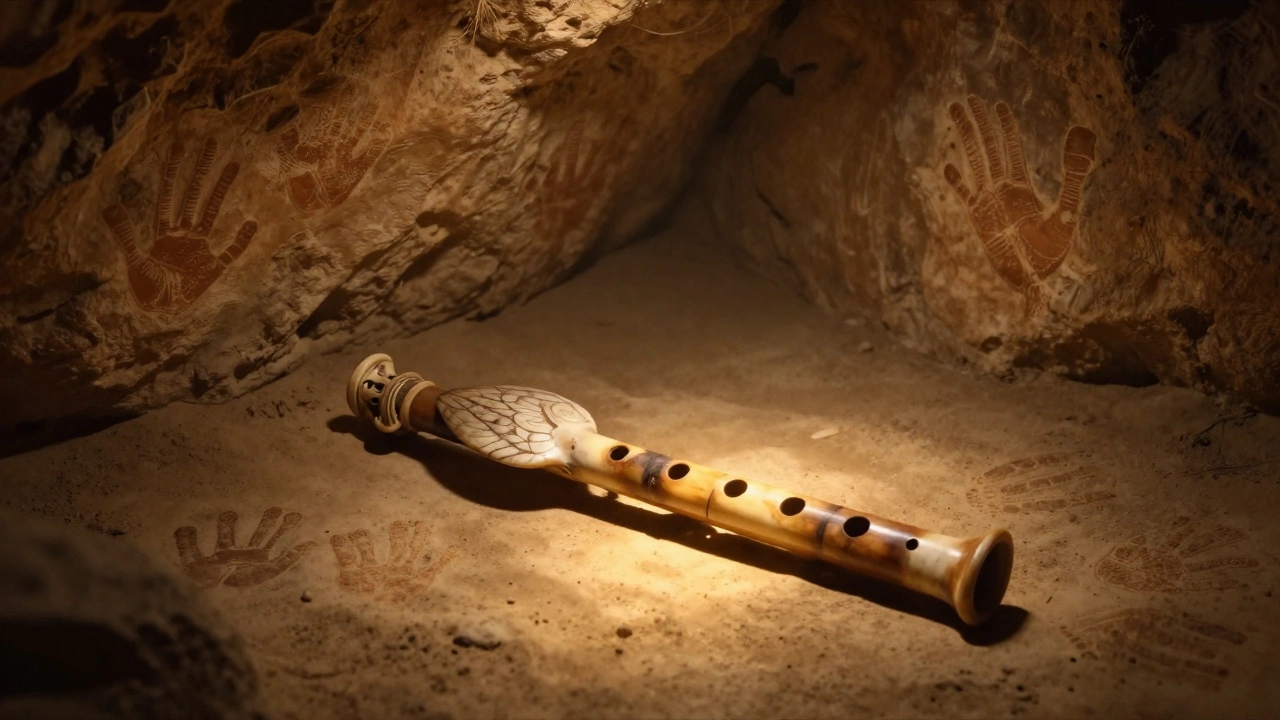
Anthropologists agree: humans were making rhythmic sounds long before they could form full sentences. Archaeologists found a 40,000-year-old bone flute in Germany, carved from a vulture’s wing bone. It had five holes spaced precisely to play a pentatonic scale-the same scale used in folk music across Asia, Africa, and the Americas today. That’s not just an instrument. It’s proof that structured melody existed tens of thousands of years before writing, cities, or even agriculture.So what was the first genre? It wasn’t called anything. It wasn’t labeled blues, jazz, or rock. It was simply folk music-the kind passed down by mouth, not sheet music. Songs were made to coordinate labor, calm babies, honor the dead, or call animals during hunts. These weren’t performances. They were survival tools.
Folk Music: The Original Genre
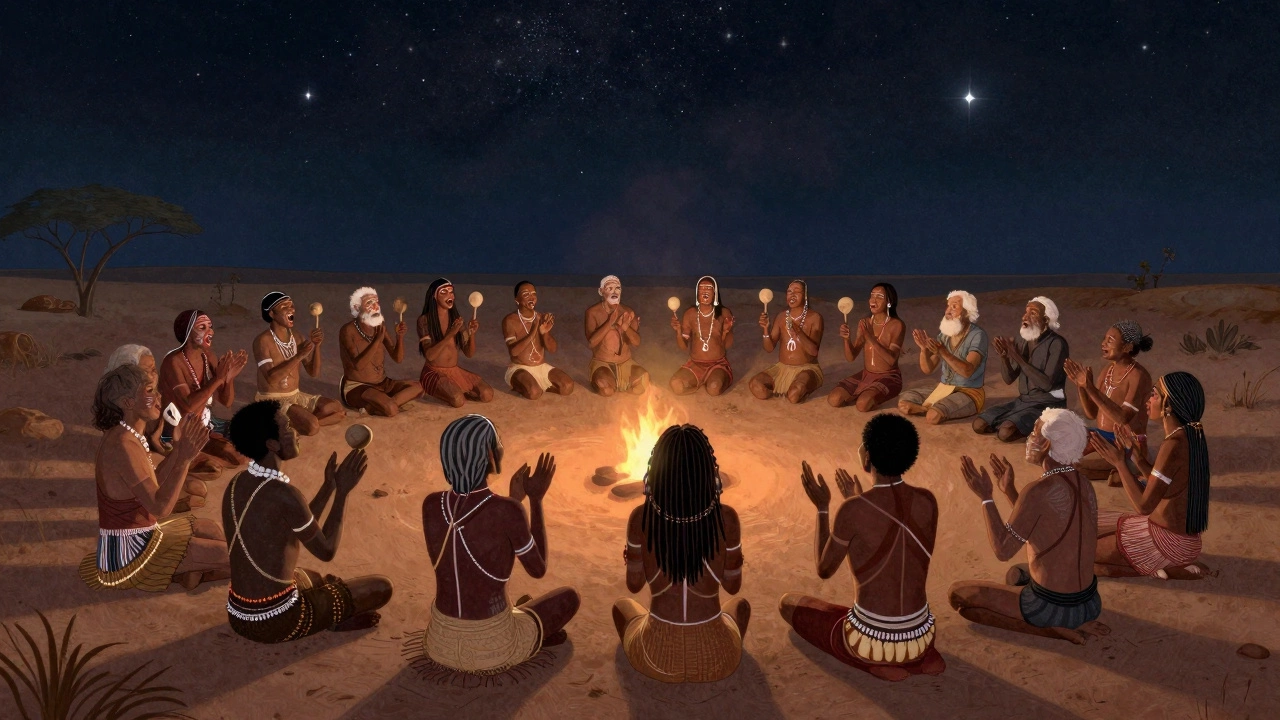
Folk music isn’t just old-it’s the root of every other genre that came after. Think about it: blues grew from work songs sung by enslaved Africans in the American South. Country music borrowed its storytelling from British and Irish ballads. Even hip-hop traces back to oral traditions where rhythm carried history.There’s no written record of the very first folk song, but we can reconstruct what it sounded like. Researchers studying isolated indigenous groups-like the Aboriginal Australians, the San people of the Kalahari, or the Inuit of the Arctic-found that their traditional songs share startling similarities. Simple melodies. Repetitive structures. Call-and-response patterns. Drums, rattles, and voice-only harmonies. These aren’t relics. They’re living echoes of the earliest human music.
Unlike modern genres, folk music didn’t evolve to be listened to. It evolved to be participated in. Everyone sang. Everyone clapped. Everyone moved. There was no stage. No audience. No separation between performer and listener. That’s why it lasted: it wasn’t about fame or profit. It was about connection.
Why Other Genres Don’t Count as the Oldest
You might hear claims that Gregorian chant is the oldest genre. Or Sumerian hymns. Or Indian ragas. But these aren’t the origin-they’re later developments.Gregorian chant, for example, dates back to around the 9th century AD. That’s 39,000 years after the bone flute. It was written down, standardized, and used in churches. That’s not primitive music. That’s institutionalized music.
Sumerian hymns from 2000 BC are the oldest notated music we have. But notation doesn’t mean it was the first. It just means it was the first we could record. The Sumerians already had complex societies, temples, and trained musicians. Their music was part of a system. Folk music came before systems.
Indian classical music, with its intricate ragas, is ancient-but it’s built on a theoretical framework that took centuries to develop. The same goes for Chinese guqin music or Persian dastgah. These are sophisticated traditions. They’re not the root. They’re branches.
The Science Behind Ancient Melodies
Neuroscientists have studied how the human brain responds to rhythm and pitch. They found that infants as young as five months old can detect a beat. We’re wired for music. It’s not a cultural add-on. It’s biological.Studies of isolated tribes show that even without exposure to modern instruments, people naturally create pentatonic scales. Why? Because those five-note patterns are the easiest for the human ear to process. The brain prefers simple intervals-like octaves, fifths, and fourths. That’s why every ancient culture, from the Amazon to the Arctic, ended up with similar scales.
When researchers played reconstructed ancient melodies to modern listeners, they didn’t hear ‘strange’ or ‘primitive.’ They heard familiar. Emotional. Human. One participant in a 2023 study said, ‘It felt like my grandmother was singing to me-even though I’ve never heard anything like it before.’
Folk Music Today: Still Alive
You might think folk music died with the invention of the radio. But it didn’t. It just changed shape.Modern folk songs still use the same structures: repetitive choruses, storytelling verses, simple chord progressions. Artists like Bob Dylan, Joan Baez, or more recently, Phoebe Bridgers, are direct descendants of those first singers. Even Taylor Swift’s narrative lyrics in songs like ‘All Too Well’ follow the same pattern as a 5,000-year-old ballad.
And in places like rural Romania, West Africa, or the Appalachian Mountains, people still sing songs passed down for generations-without ever writing them down. These aren’t museum pieces. They’re living traditions. The same melodies, the same rhythms, the same purpose: to bind people together.
What Makes a Genre ‘Oldest’?
The question ‘What is the oldest song genre?’ isn’t really about labels. It’s about origins. And the answer isn’t a name on a chart. It’s a pattern.Every genre that came after-blues, jazz, rock, electronic, trap-built on the same foundation: voice, rhythm, repetition, and emotional expression. Folk music wasn’t the first genre because it was popular. It was the first because it was necessary.
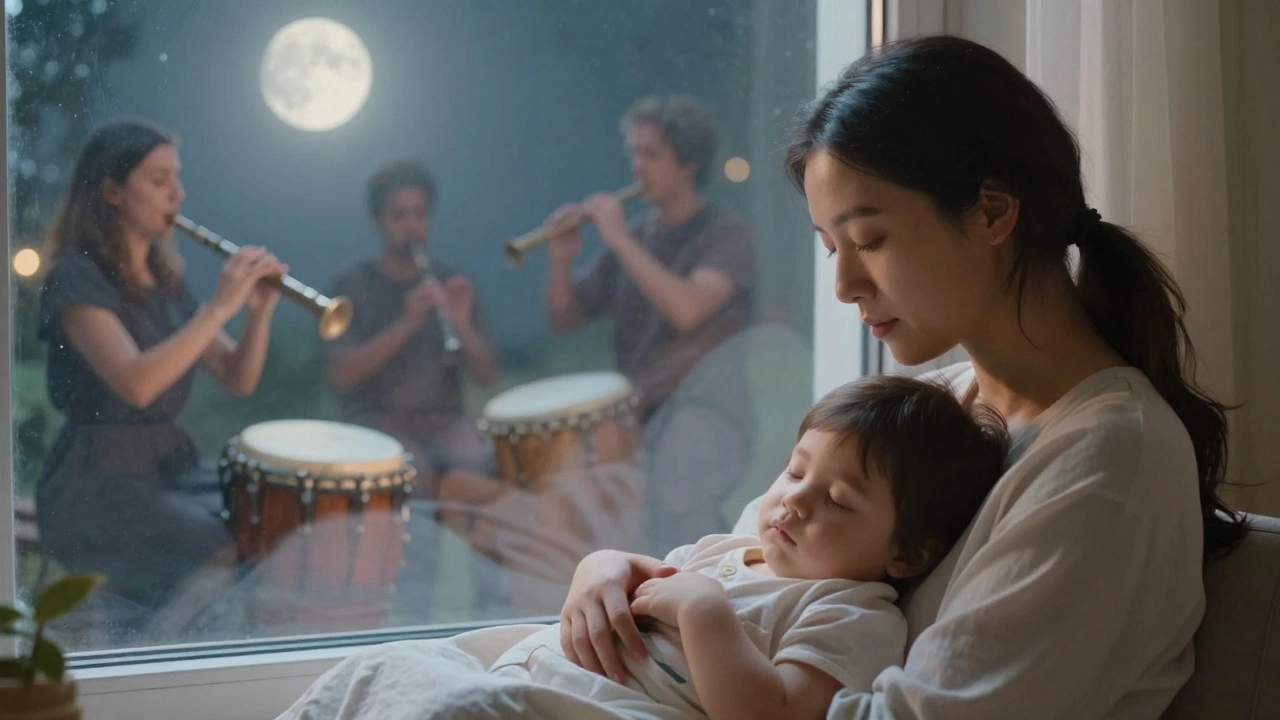
There’s no official ‘oldest genre’ title in a history book. But if you want to hear the sound that started it all, listen to a mother humming to her child. Or a group of people clapping in a circle. Or a single voice singing into the wind. That’s the origin. That’s the genre.
Why This Matters Today
In a world of algorithms and auto-tune, remembering where music began helps us reconnect with what it’s for. Music isn’t just entertainment. It’s memory. It’s identity. It’s how we survived when we had nothing else.When you listen to a folk song today, you’re not just hearing a tune. You’re hearing a thread that stretches back 40,000 years. And that thread? It’s still alive.
Is folk music the same as traditional music?
Yes, in most cases. The terms are often used interchangeably. Folk music refers to songs created and passed down by ordinary people within a community, usually without formal training. Traditional music is a broader term that includes folk, but can also cover ceremonial, religious, or regional styles that may have been formalized over time. But the core-oral transmission, simple structure, cultural function-is the same.
Can we hear what the oldest songs actually sounded like?
We can’t hear the exact original recordings, but we can reconstruct them. Archaeologists and musicologists have recreated ancient instruments like the bone flute from Hohle Fels Cave and played melodies based on the hole spacing. Researchers have also analyzed the rhythmic patterns in surviving indigenous songs and used them to build approximations. In 2020, a team at the University of Cambridge released a digital reconstruction of a possible Neolithic lullaby based on bone flute acoustics. It sounds hauntingly familiar.
Did ancient cultures have different genres like we do today?
No. The idea of separate genres-like jazz, metal, or EDM-is a modern invention. Ancient cultures didn’t categorize music by style. They categorized it by function: songs for hunting, songs for healing, songs for mourning, songs for dancing. A single community might have dozens of song types, but they weren’t labeled as ‘genres.’ They were just part of daily life.
Why do all ancient cultures use similar scales?
Because the human ear and brain are wired the same way. The pentatonic scale-five notes per octave-is the easiest to produce and recognize. It’s mathematically simple: intervals like octaves and fifths resonate naturally with our auditory system. That’s why you’ll find the same five-note pattern in songs from Mongolia, West Africa, and the Andes. It’s not copying. It’s biology.
Is there any evidence of singing before instruments?
Absolutely. Singing requires nothing but the body. Instruments came later. Anthropologists believe vocal music predates tools. The human larynx evolved specifically for complex vocalization, not just speech. Even today, cultures without instruments-like the !Kung San of the Kalahari-use intricate vocal techniques: clicking, humming, layered harmonies. These are not ‘primitive.’ They’re highly developed. Singing was the first instrument.
