Art Monetization & Investment Estimator
Artist's Scalability Calculator
Compare selling one original vs. limited edition prints.
Collector's Investment Risk Profile
Estimate the risk/reward based on the art category.
If you've ever wondered why a canvas with a single red dot can sell for millions while a breathtakingly detailed portrait sits in a garage for fifty bucks, you're not alone. The art world isn't just about aesthetics; it's a high-stakes financial ecosystem. Whether you're an artist trying to decide what to paint or a collector looking for a hedge against inflation, understanding where the money actually flows is the only way to make smart moves.
Quick Takeaways: Where the Profits Lie
- Blue-Chip Art: Established names with historical significance provide the safest, highest returns.
- Contemporary Art: The most volatile but offers the highest potential for "explosive" growth.
- Digital Art: High liquidity and accessibility, though more prone to market crashes.
- Limited Editions: A scalable way for artists to make money without selling a single original.
The Heavy Hitters: Blue-Chip and Old Masters
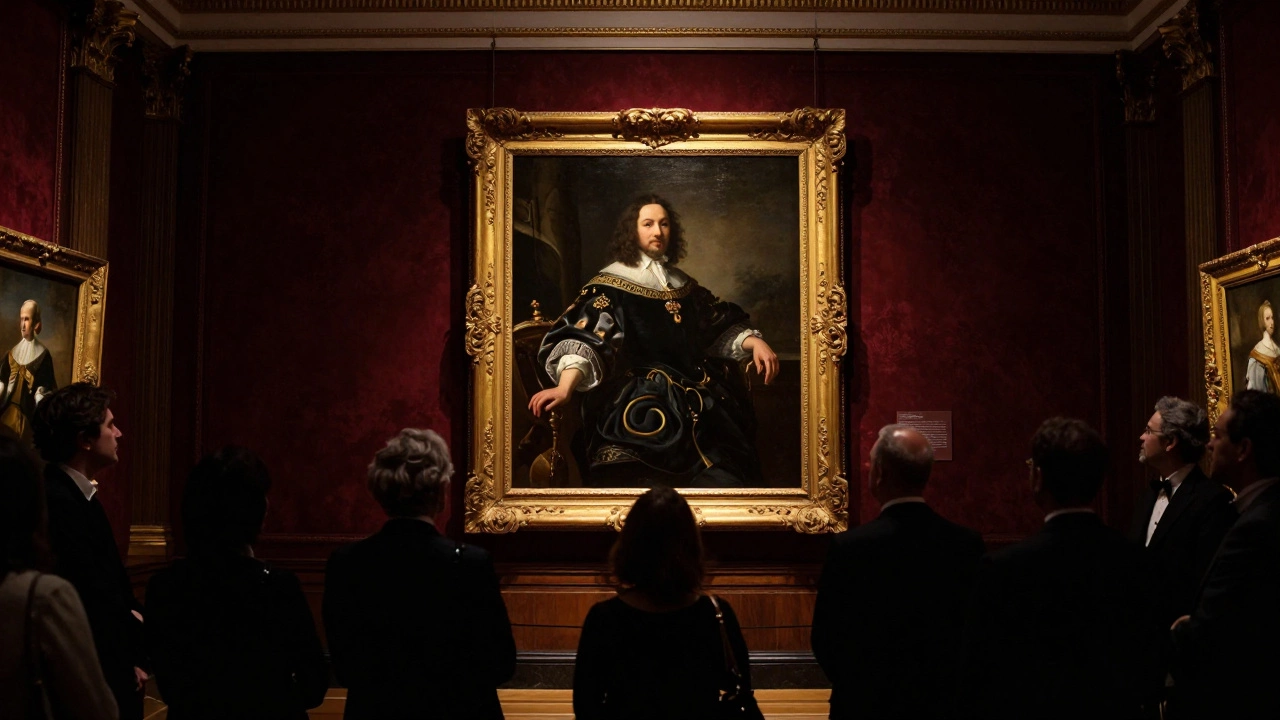
When people talk about the most lucrative art, they usually start with Blue-Chip Art is art created by artists with a long-term track record of value stability and high demand at major auction houses. These are the "safe bets" of the art world. Think of it like buying a government bond-it's less about guessing and more about preserving wealth.
For example, Old Masters, such as works by Rembrandt or Leonardo da Vinci, don't just hold value; they act as a global currency. Because the supply is fixed (they aren't making any more Da Vincis), the price only goes up as global wealth increases. If you're looking at a 2026 market, these pieces are often traded in private sales to avoid the public volatility of auctions, keeping the prices astronomical.
Why is this so lucrative? It's about provenance. A painting that once hung in a royal palace has a "story" that adds a premium. In the high-end market, you aren't just buying paint on canvas; you're buying a piece of human history and social status.
The High-Risk, High-Reward World of Contemporary Art
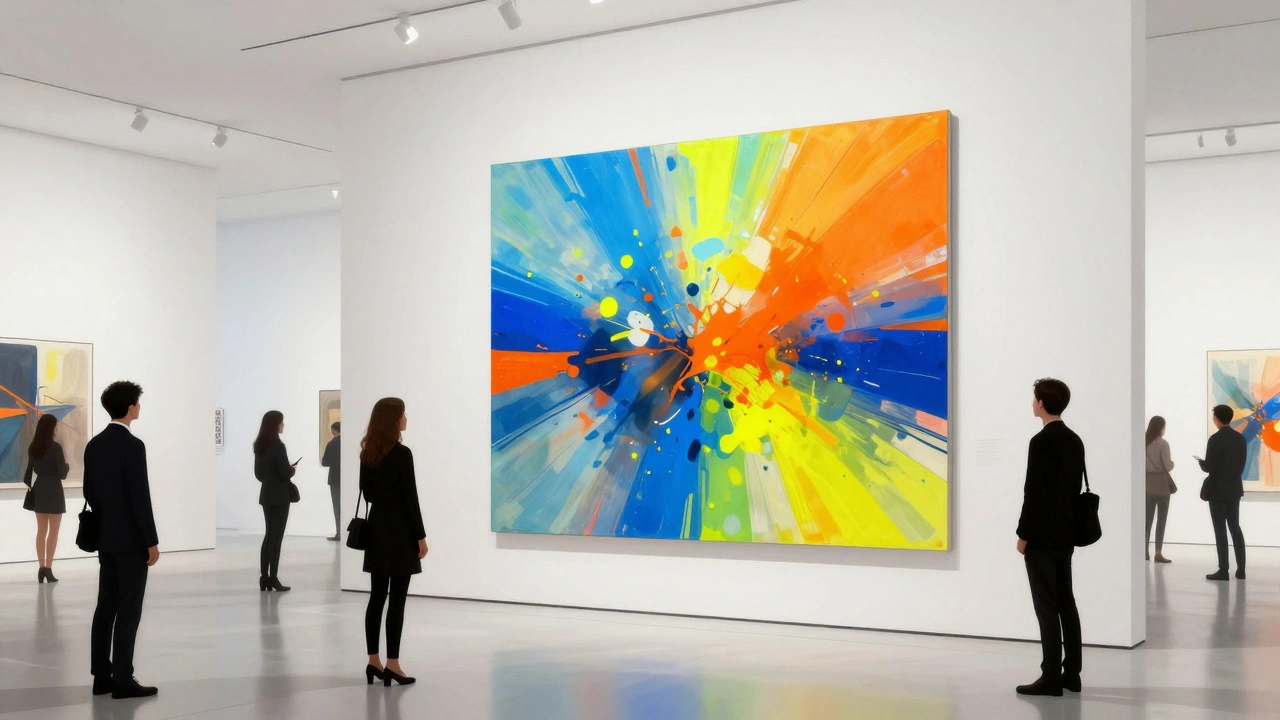
If Blue-Chip art is the bond, Contemporary Art is the venture capital. This refers to art produced from the late 20th century to today. It's the most lucrative sector for those who can spot a trend before it hits the mainstream.
The money here is driven by Art Galleries and a handful of powerful curators. When a gallery in New York or London decides an artist is "the next big thing," the price of their work can jump from $5,000 to $500,000 in a matter of months. This is often seen in Abstract Art, where the value is tied more to the artist's conceptual branding and the gallery's prestige than to the technical skill of the brushwork.
But beware: the contemporary market is fickle. An artist who is the toast of the town in 2025 might be completely forgotten by 2028. To make money here, you have to understand the social network of the art world-who is exhibiting where and who is buying.
| Art Type | Risk Level | Liquidity | Primary Value Driver |
|---|---|---|---|
| Blue-Chip/Old Masters | Very Low | Medium | Historical Significance |
| Contemporary | High | Medium | Market Trend/Hype |
| Digital/NFTs | Very High | High | Community/Utility |
| Commercial/Illustrative | Low | High | Client Demand |
The Digital Shift: From Canvas to Code
We can't talk about lucrative art without mentioning Digital Art is art created using digital technology, often distributed via blockchain to ensure scarcity and ownership. While the initial NFT craze of the early 2020s saw a massive bubble, the underlying technology has changed how artists make money.
The real profit in digital art today isn't in the "flip"-selling a JPEG for a profit-but in the royalty structures. Smart contracts allow digital artists to earn a percentage of every secondary sale automatically. Imagine painting a picture, selling it for $1,000, and then getting $100 every time that painting is resold for the rest of eternity. That's a level of passive income traditional painters can only dream of.
Moreover, the rise of Generative Art, which uses algorithms to create complex patterns, has opened a new door. Collectors now buy "iterations" of a code, making the artist a sort of software architect. This shift has attracted a whole new class of buyers: tech entrepreneurs who prefer pixels over oil paint.
The Secret Money Maker: Art Prints and Multiples
Most people think the big money is in the "one-of-a-kind' original. But for the artist, Art Prints are often where the actual lifestyle funding comes from. Selling one painting for $10,000 is great, but selling 100 limited edition prints for $200 each is $20,000 with much less emotional labor.
The key here is artificial scarcity. By numbering the prints (e.g., 1/50), the artist creates a sense of urgency and value. In the world of high-end collecting, a print by a famous artist like Andy Warhol can actually be more valuable than an original work by a lesser-known artist. This is because the brand name of the artist acts as a seal of quality and investment grade.

Commercial Art: The Steady Paycheck
Not all lucrative art happens in a gallery. Commercial Art-including graphic design, concept art for gaming, and high-end illustration-is the most reliable way to make a living. While it may not lead to a $50 million auction result, it provides a consistent cash flow that allows artists to pursue their "passion projects" without starving.
Concept artists for major movie studios or AAA game developers often command high day rates. This is a B2B (business-to-business) model. The value isn't based on the "soul" of the work, but on the utility it provides to the production. If your art helps a studio visualize a world that eventually makes a billion dollars, your value increases accordingly.
How to Spot a Lucrative Investment
If you're looking to buy art as an investment, stop looking at what you "like" and start looking at the ecosystem. Ask yourself: Is the artist being shown in reputable galleries? Is there a growing secondary market? Is the work being archived in museums?
A good rule of thumb is the "Three Pillar Rule":
- Institutional Support: Museum acquisitions are the gold standard.
- Critical Acclaim: Reviews in respected art journals.
- Market Demand: A waiting list for new works.
If an artist has all three, the work is likely to appreciate. If they only have market demand (social media hype), you're gambling, not investing. The most lucrative moves are usually made by those who buy the artist just before the institutional support kicks in.
Is digital art still a good investment in 2026?
Yes, but the strategy has shifted. The days of buying any random project and hoping for a 10x return are over. Now, the value is in "blue-chip digital art"-works by artists who have a distinct style, a long-term presence in the digital space, and a community that views the work as a cultural milestone rather than a quick trade.
Which art style is easiest for a beginner to monetize?
Commercial illustration and digital portraiture are the fastest paths to income. These have a direct "product-market fit" because people always need logos, character designs, and personalized gifts. Once a steady income is established, artists often pivot to creating a personal brand in the contemporary art market to chase higher valuations.
Do I need a gallery to sell art for high prices?
Not necessarily, but it helps. Galleries provide "validation." When a prestigious gallery represents you, they are essentially vouching for your value. While social media allows for direct sales, the highest price points are usually achieved when a third-party expert (the gallerist) sets the price and manages the scarcity.
What is the difference between "investment art" and "decorative art"?
Decorative art is bought because it looks good in a room; its value usually drops the moment it leaves the store. Investment art is bought because of the artist's name, the piece's rarity, and its place in art history. One is a consumer purchase, the other is an asset acquisition.
How do auction houses affect the price of art?
Auction houses like Christie's or Sotheby's create a public record of value. When a piece sells for a record price at auction, it resets the "market price" for every other piece by that artist. This can create a surge in value for collectors who already own works by that person.
Next Steps for Artists and Collectors
If you're an artist, don't just focus on your style-focus on your positioning. Decide if you want the stability of commercial work, the scalability of prints, or the prestige of the contemporary gallery world. Trying to do all three at once usually leads to burnout.
For collectors, start small. Diversify your portfolio by mixing a few "safe" pieces (like limited prints from established artists) with a couple of "speculative' bets on emerging contemporary talent. Always keep the receipt and the provenance documents; in the art world, the paperwork is often as valuable as the paint.
