2026 Art Investment Pulse
Based on current market trends—from blue-chip classics to viral digital noise—calculate the perceived market strength and risk profile of a potential acquisition.
Curate Your Piece
Analyze an artwork's profile
Select options to get a report.
The Elephant in the Gallery
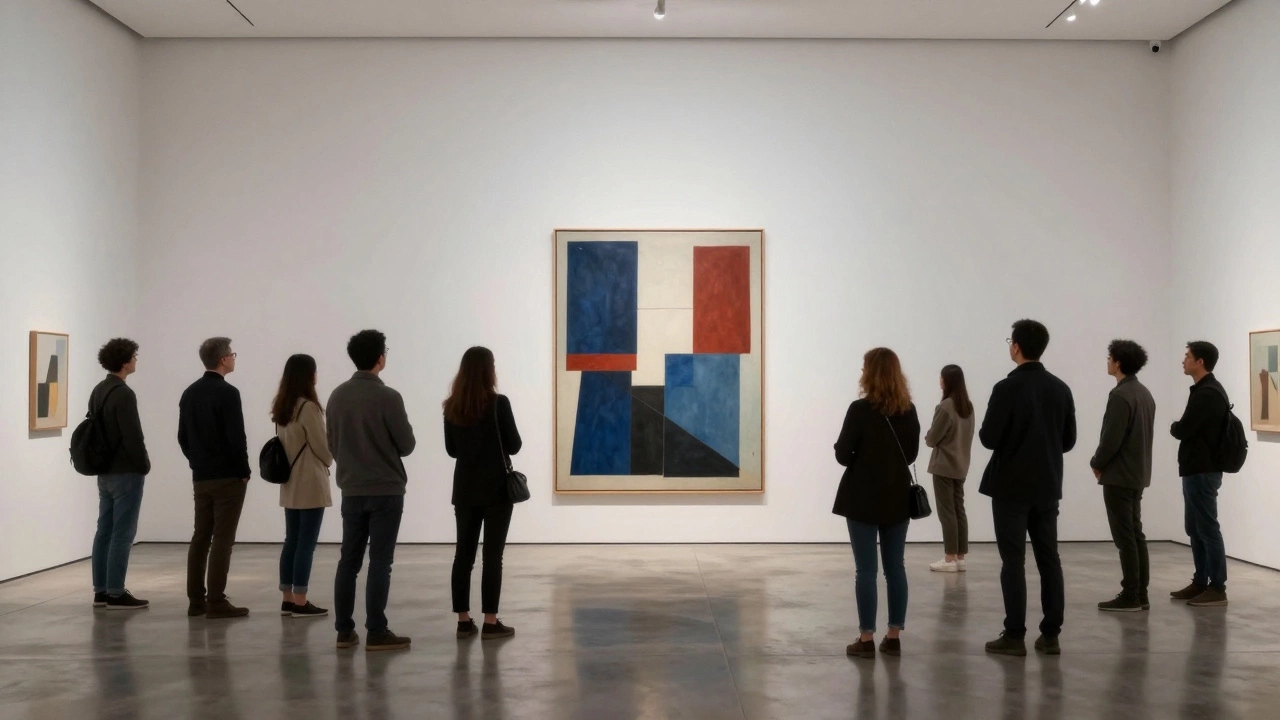
You might walk past a blank canvas in a gallery, see a digital file sold for millions, and wonder if we've lost our minds. Or worse, you might think the whole concept of art has become obsolete. That's a common feeling. With so much content flooding our screens every day, does Modern Art deserve the same attention it did a century ago? The short answer is yes, but the way we interact with it has completely shifted. We aren't just talking about oil paintings in dusty frames anymore.
As we move through 2026, the conversation isn't about whether art matters, but how we define "modern" versus what was happening decades ago. The hunger for creativity hasn't vanished. It just looks different now. Instead of whispering about masterpieces in hushed rooms, we're arguing about them in comment sections.
Clarifying the Timeline: Modern vs. Contemporary
Before we judge its popularity, we need to get the terminology right. Most people use "modern art" to describe anything new and strange they don't understand. Historically, though, there is a difference. If you go to a museum today, you'll notice a distinct split in the collection.
Modern Art typically covers the period from roughly 1870 to 1970. This includes movements like Impressionism, Cubism, and Surrealism. Artists like Picasso or Van Gogh fall here. These pieces are already classics. On the other hand, what many call "modern" today is actually Contemporary Art. This refers to work created from the 1970s right up to the present day. When asking if art is popular, we usually mean the latter. Are new creations getting love?
Feature
Modern Art
Contemporary Art
Time Period
1870 - 1970
1970 - Present
Focus
Form, color, abstraction
Ideas, identity, technology
Materials
Oil, canvas, bronze
Videos, code, found objects
Key Goal
Aesthetic beauty or emotion
Critique or question reality
This distinction matters because it changes how we measure success. You don't sell a 2026 digital installation the same way you auctioned a 1920s painting.
The Money Game: What the Auction Houses Say
If money talks, then the art market is shouting. Look at the reports from major auction houses like Sotheby's or Christie's. In late 2025 alone, global art sales hovered near record levels despite economic fluctuations. Wealthy collectors aren't pulling out. In fact, they seem more aggressive.
Why buy art when the economy feels shaky? It acts as an alternative asset. Unlike stocks, art doesn't crash overnight because of a quarterly report. High-profile sales continue to make headlines. For example, a retrospective exhibition of a living artist recently generated over £20 million in a single auction session in London. That number signals confidence. But it's not just about the rich. Entry-level art is booming too.
We see a massive surge in "blue-chip" artists-names that everyone knows. Their works hold value like gold. However, the real energy is in the mid-range market. Small galleries in cities like Sheffield or Bristol report higher foot traffic than five years ago. People want tangible things in a digital world.
Social Media: The New Museum Wall
You can ignore traditional galleries, but you can't ignore the screen. Platforms like Instagram and TikTok have become the primary discovery engine for artists. A young painter in Leeds might not win a Tate award yet, but if their process video goes viral, they have a fanbase.
This creates a weird dynamic. Popularity doesn't always equal quality, but it equals visibility. Hashtags like #ArtTok have billions of views. This means exposure is broader than ever before. In the past, an art critic decided what was good. Now, a community decides. If 10,000 people share an image, the artist becomes "popular" regardless of what the critics say.
This shift forces museums to adapt. The Museum of Modern Art (MoMA) and similar institutions now design exhibitions specifically for the camera. They create immersive spaces that look amazing on a phone screen. They know that a visitor taking a photo is also marketing the space to their followers. The physical visit triggers a digital broadcast loop.
Accessibility and Public Engagement
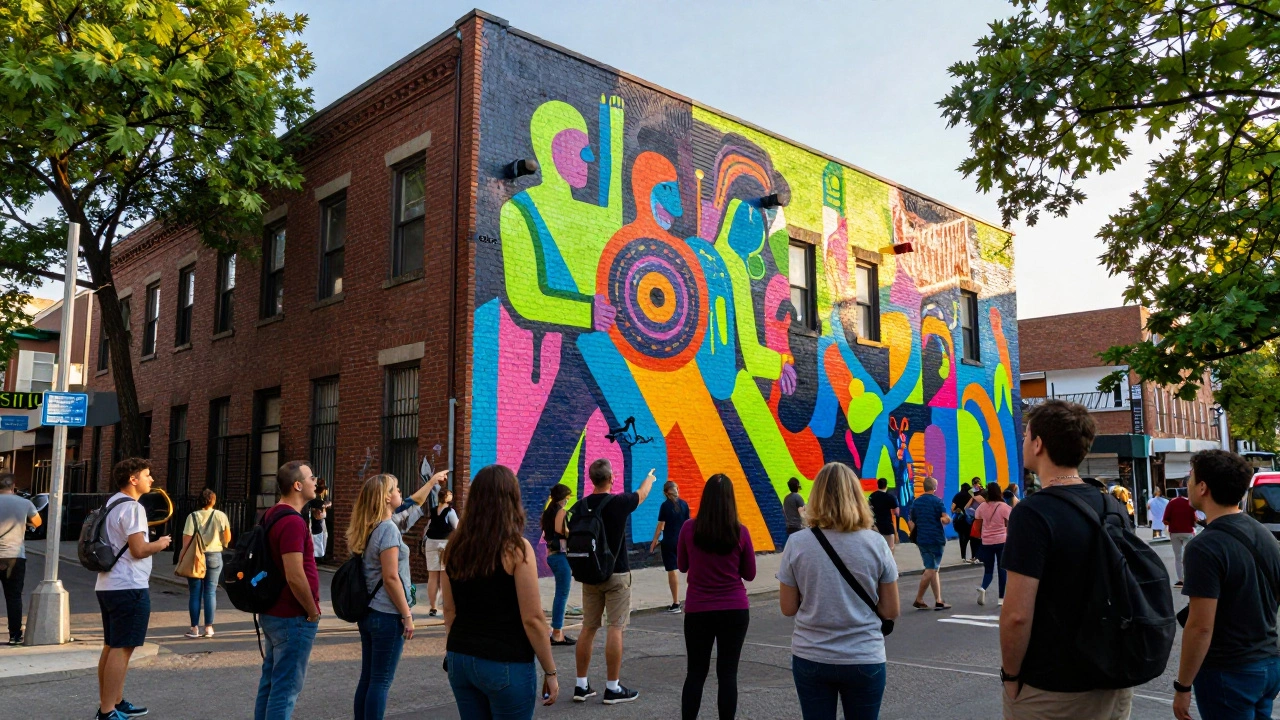
Popularity also comes down to access. Is art locked away in private vaults? Not really. Public art installations are everywhere. Think of the colorful murals in urban centers or the temporary sculptures in city squares.
In 2026, accessibility laws and digital initiatives mean almost anyone with a smartphone can tour a museum remotely. Virtual Reality experiences let you stand in the Sistine Chapel from your sofa. While that doesn't replace standing in front of the brushwork, it brings the subject matter to people who would never travel to Italy.
We also see a rise in community art projects. Local councils fund neighborhood painting days or street festivals. This grounds "art" in daily life rather than keeping it sacred. When a local high school student paints a mural on the side of a community center, that is art being consumed instantly and directly. It's grassroots popularity.
The Skeptics: Why Some People Turn Away
It isn't all positive news. There is genuine fatigue. Many people feel alienated by the jargon surrounding art discussions. Phrases like "post-modern deconstruction" or "curatorial intent" can feel like gatekeeping. If you can't understand why a banana taped to a wall costs thousands, it makes you doubt the entire system.
Economic disparity plays a role too. When a piece of art sells for £100 million, it feels ridiculous to a regular person struggling with inflation. This creates resentment. Art feels exclusive. The popularity of the object itself clashes with the anger toward the market mechanics.
Then there is the saturation of digital noise. With AI generating images in seconds, the human touch feels less unique. Critics ask: if a machine can paint a sunset in two seconds, does a human spending ten hours doing it still hold value? The answer remains subjective, but the friction exists. The market tests this constantly, with original human-made pieces often commanding higher prestige than AI-generated ones.
Future Outlook: What Comes Next
Heading further into the rest of 2026 and beyond, the trend is hybridization. We are seeing a blend of physical craftsmanship with digital storytelling. An artwork might exist as a sculpture in London and a blockchain token globally.
The core human need to create expression isn't going anywhere. As long as people have feelings and societies have histories, art will find a form. Its popularity isn't fading; it's mutating. It is moving from the pedestal to the street, from the auction hammer to the mobile feed.
Does owning art still make financial sense in 2026?
Art is a high-risk asset class. Unlike bonds or savings accounts, it offers no guaranteed return. However, blue-chip artists from recognized periods often appreciate in value over decades. If you buy because you love it, you might profit later. If you buy purely to get rich, the volatility of taste is dangerous.
How do I know if a piece of art is "good"?
Good art is subjective. Look for works that evoke a reaction, whether it is joy, anger, or curiosity. Research the artist's history, the materials used, and their presence in reputable galleries. Don't rely solely on price tags to judge quality.
Are NFTs replacing traditional modern art?
Not exactly. Non-fungible tokens represent ownership of digital files, but physical galleries still dominate the high-end market. They coexist now. Many collectors own both physical canvases and digital certificates. NFTs offer a new medium rather than a total replacement.
Which cities are best for experiencing modern art today?
London and New York remain hubs due to their massive auction infrastructure and museum density. However, emerging markets like Seoul, Berlin, and Dubai are gaining significant ground. Regional galleries are curating exciting shows that rival the big capitals.
Can I learn to appreciate art if I am a beginner?
Absolutely. Most museums offer free tours or guided audio apps. Start with a specific era, like Abstract Expressionism. Understanding the history helps decode the visual language. The key is to ask what the artist is trying to communicate rather than looking for technical perfection.