Gallery Matchmaker & Strategy Planner
Not sure where to start? This tool analyzes your current career stage and artistic profile to recommend the best gallery tier for you and provides specific action steps based on industry standards.
Recommended Tier:
Why this fit?
Immediate Action Plan
Fill in your details and click "Find My Gallery Match" to see your personalized strategy.
You’ve spent years perfecting your craft. You have a studio full of work you’re proud of, but the doors to reputable art galleries remain stubbornly closed. It’s a common frustration. Many talented painters and sculptors believe that if their work is good enough, curators will magically find them. That rarely happens. Getting into a gallery is less about luck and more about strategy, networking, and understanding how the commercial art ecosystem actually functions.
Think of it this way: a gallery isn’t just a showroom; it’s a business partner. They invest time, money, and reputation in representing you. So, before you even print a single CV or email a curator, you need to understand what they are looking for. This guide breaks down the practical steps from Bristol to London, helping you navigate the path from unknown artist to represented professional.
Build a Portfolio That Speaks Their Language
Your portfolio is your handshake. If it’s weak, the conversation ends before it begins. Curators don’t want to see twenty random sketches of trees and one half-finished portrait. They want coherence. They want to know who you are as an artist right now, not who you were five years ago.
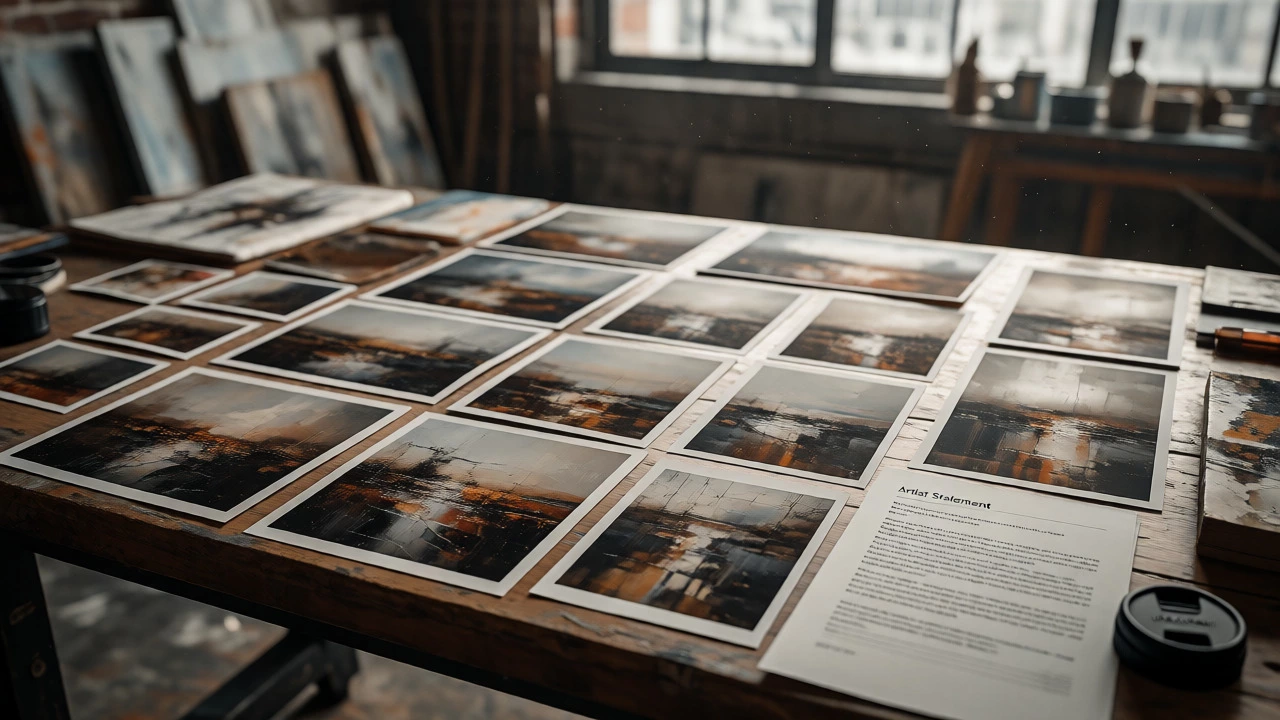
Focus on consistency. Pick a specific theme, medium, or style that defines your current body of work. If you paint abstract landscapes, stick to that. Show progression within that niche. A strong portfolio usually contains 10-15 high-quality images. Ensure these images are professionally photographed. No shadows, no tilted angles, and accurate color reproduction. If you can’t afford a professional photographer, learn to use natural light and a tripod. Sloppy documentation signals a lack of professionalism.
Include a concise Artist Statement. Keep it under 300 words. Explain why you make this work, not just what it is. Avoid jargon like "juxtaposition of dichotomies" unless you can back it up. Be clear, honest, and direct. Curators read hundreds of these. Make yours easy to digest.
Research Before You Reach Out
Sending a mass email to every gallery in the country is the fastest way to get ignored. Galleries have distinct identities. The White Cube doesn’t buy the same work as a local community arts center in Bristol. You need to match your aesthetic and price point to the gallery’s profile.
Visit the galleries you want to join. Don’t just look at the website. Walk through the space. Who else is represented there? What is the vibe? Is it academic, commercial, avant-garde, or traditional? If your work clashes with the existing roster, you’re wasting your time. For example, if a gallery specializes in minimalist sculpture, don’t pitch them maximalist oil paintings.
Create a target list. Start with ten galleries. Rank them by fit. Look for mid-tier galleries first. These places are often hungry for fresh talent but aren’t overwhelmed by thousands of submissions like the top-tier institutions. They offer a realistic entry point where you can build a sales history.

The Submission Process: Do’s and Don’ts
Check each gallery’s website for their open call policy. Some accept unsolicited submissions year-round; others only during specific windows. Respect their format. If they ask for a PDF link, don’t send heavy attachments. If they want a physical portfolio, don’t drop off a USB drive.
When you do reach out, keep the email short. Subject line: "Artist Inquiry: [Your Name] - [Medium]". Body: Two paragraphs max. Introduce yourself, state why you admire their gallery specifically (mention a recent show), and attach your portfolio link. End with a polite request for feedback or consideration. Do not follow up after three days. Wait two weeks. If you hear nothing, move on. Persistence is good; pestering is bad.
| Feature | Commercial Galleries | Non-Profit Spaces | Co-op Galleries |
|---|---|---|---|
| Primary Goal | Sales and Profit | Educational/Cultural Mission | Community and Shared Costs |
| Commission Rate | 40-50% | 0% (Grants/Stipends) | Low fees or flat rent |
| Prestige Factor | High market value signal | Critical credibility | Networking opportunity |
| Best For | Selling established work | Building CV and reviews | First-time exhibitors |
Leverage Open Calls and Group Shows
If cold emails feel too risky, apply for open calls. Many regional galleries host annual juried exhibitions. Winning or being selected for a group show gets your name on a wall and your work seen by collectors. It’s a low-risk way to test the waters.
Look for grants and residencies too. Organizations like Arts Council England fund projects that lead to exhibitions. A funded residency often comes with a final show. This bypasses the gatekeepers entirely because the funding body has already vetted your merit.
Group shows are also great for networking. You’ll meet other artists, curators, and collectors in the room. Talk to people. Ask questions. Don’t just stand in the corner holding your wine glass. The art world is surprisingly small. Who you know matters as much as what you know.

Network Without Being Desperate
Networking sounds intimidating, but it’s just building relationships. Attend opening nights. Go to talks. Volunteer at art fairs. In the UK, events like The Other Art Fair allow independent artists to sell directly to buyers. Even if you don’t sell, you learn what people respond to.
Be genuine. Don’t approach a curator just to hand them your card. Ask about their favorite piece in the show. Listen to their answers. Follow up later via email if you had a good conversation. Social media helps here. Tag galleries in your posts when you visit. Share their content. Stay visible without being spammy.
Consider collaborating with other artists. Joint exhibitions split costs and double the audience. Find someone whose work complements yours but doesn’t compete. If you paint, team up with a ceramicist. Create a dialogue between mediums. Curators love conceptual cohesion.
Pricing and Professionalism
Galleries care about sustainability. Can you produce work consistently? Are your prices stable? New artists often undervalue their work or fluctuate wildly. Set a pricing formula based on size and hours worked, then stick to it. Raise prices slowly, perhaps annually, rather than doubling overnight.
Professionalism extends beyond the canvas. Meet deadlines. Communicate clearly. Handle shipping logistics properly. If a gallery sells your work, ensure you provide proper receipts and certificates of authenticity. Small details build trust. One missed deadline can ruin a relationship.
Remember that rejection is normal. Most successful artists faced dozens of rejections before landing representation. Don’t take it personally. Use it as data. Did they give feedback? Was your portfolio mismatched? Adjust and try again. The goal isn’t to get into every gallery, but to find the right gallery that believes in your vision.
Do I need an agent to get into a gallery?
No, most emerging artists represent themselves initially. Agents typically come into play once you have an established career and multiple gallery deals. Focus on building relationships with gallerists directly first.
How long does it take to get gallery representation?
It varies widely. Some artists land a deal within six months of serious outreach, while others spend years building a track record through group shows and self-initiated projects. Consistency is key.
What commission rate should I expect?
The standard industry rate is 50/50, meaning the gallery takes half the sale price. Some non-profits or co-ops may charge less, such as 30%, but they might require you to handle more marketing tasks.
Can I approach international galleries?
Yes, but start locally. Shipping art internationally is expensive and complex. Build a local base first. Once you have sales history and press coverage, approaching international galleries becomes more viable.
Is social media important for gallery representation?
Increasingly, yes. Galleries look at Instagram followers and engagement as a proxy for marketability. An active, well-curated online presence can help you stand out among hundreds of submissions.
