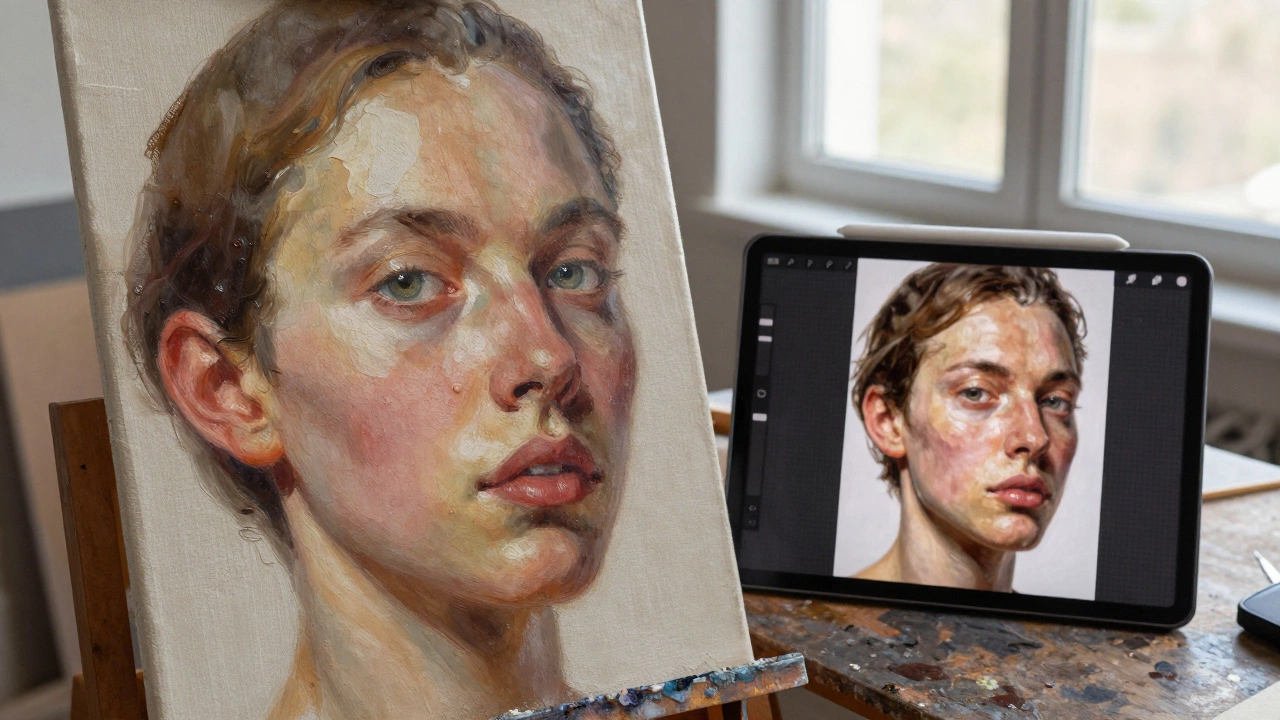
Portrait Commission Cost Estimator
Estimated Commission Cost:
This is a market-based estimate for 2026. Final quotes may vary based on specific artist requirements.
Key Takeaways
- Beginner artists usually charge $100-$500 for small works.
- Professional mid-career artists typically range from $800 to $3,000 per piece.
- Master-level artists often exceed $5,000, sometimes reaching tens of thousands.
- Mediums like oil are generally more expensive than acrylics or digital art.
- Canvas size and the number of subjects in the frame are the biggest price multipliers.
What Actually Determines the Price?
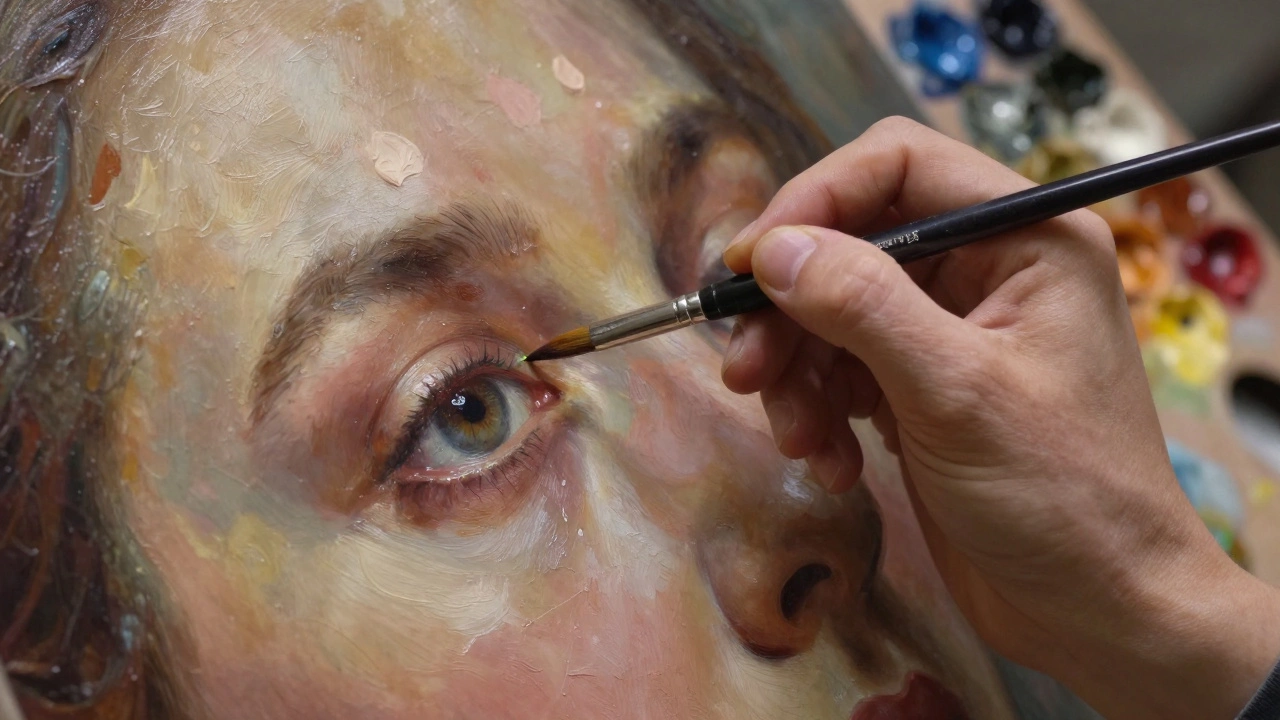
When an artist quotes you a price, they aren't just guessing. They are calculating a complex mix of time, materials, and market value. First, let's talk about the "skill ceiling." A beginner might get the colors right, but a pro understands Anatomy-the way a cheekbone interacts with light or how the skin folds around an eye. This level of precision takes years to master, and that expertise is baked into the cost. Then there's the matter of Mediums. Different paints have different costs and drying times. For example, Oil Paint is traditionally the gold standard for realism because it blends smoothly and allows for a depth of color that is hard to replicate. However, it's more expensive than Acrylic Paint and takes much longer to dry, meaning the artist's studio space is occupied for longer. Digital portraits are often the most affordable because there are no physical material costs and the "undo" button speeds up the workflow significantly. Lastly, consider the complexity. A single-person headshot is a straightforward job. A full-body family portrait with four people, including a dog and a detailed background, is a massive undertaking. Every extra face requires a new set of references and a new set of anatomical calculations.Pricing by Artist Experience Level
Knowing where an artist sits in their career helps you set realistic expectations. If you find a deal that seems too good to be true, it usually is. Here is how the market generally breaks down in 2026.| Artist Level | Typical Price Range | Expected Quality | Best For... |
|---|---|---|---|
| Student/Beginner | $100 - $500 | Good likeness, some technical flaws | Budget gifts, experimental styles |
| Emerging Professional | $600 - $1,500 | Strong realism, consistent technique | High-quality home decor, meaningful gifts |
| Established Artist | $2,000 - $7,000 | Photorealistic, museum-grade detail | Heirlooms, corporate portraits |
| World-Renowned / Master | $10,000+ | Perfect execution, high investment value | Collectors, high-net-worth individuals |
The Impact of Size and Scale
Size isn't just about buying a bigger piece of fabric. A larger canvas means more surface area to cover, which translates directly to more hours of labor. If a 12x12 inch portrait takes 20 hours, a 24x36 inch portrait doesn't just take twice as long-it often takes three or four times as long because the artist must manage larger-scale proportions and more expansive blending areas. If you're looking to save money, consider the crop. A bust-length portrait (shoulders up) is significantly cheaper than a waist-up or full-body piece. Why? Because the artist doesn't have to worry about the complex folds of clothing in the legs or the perspective of the feet, which are notoriously difficult to get right in realistic art.Digital vs. Traditional Portraits
In recent years, the gap between digital and traditional art has narrowed in terms of look, but the pricing remains very different. Digital Painting is a process where the artist uses software like Adobe Photoshop or Procreate. Because there are no canvases to prime or expensive pigments to buy, digital artists often charge less. You're paying almost exclusively for their time. The big advantage here is flexibility; if you want the background changed from a park to a beach, a digital artist can do that in minutes. In a traditional oil painting, that would involve scraping off paint or painting over a dried layer, which is a tedious and risky process. However, if you want a physical object that holds value over decades, traditional is the way to go. A physical oil painting is a tangible asset. A digital file, while beautiful, requires a high-quality print to be enjoyed in a room, and the cost of that print (and the frame) needs to be added to your budget.How to Avoid Common Pricing Pitfalls
One of the biggest mistakes people make is asking for "a quick sketch" and then expecting the artist to turn it into a finished masterpiece for the same price. A sketch is a study; a realistic portrait is a finished product. Always clarify the "stage of completion" before signing a contract. Another pitfall is ignoring the cost of shipping and framing. A high-end realistic portrait on a heavy wooden stretcher bar is bulky. Shipping a 30-inch canvas across the country can easily add $100-$300 to your total. Furthermore, a realistic piece needs a professional frame to protect it and make it look integrated into your home. A cheap frame can make a $2,000 painting look like a $200 one. When negotiating, don't ask for a discount on the hourly rate. Instead, ask if you can simplify the requirements. For example, instead of a detailed background with a landscape, ask for a neutral, solid-colored background. This removes hours of work from the artist's plate and gives them a legitimate reason to lower the price without feeling like their skill is being undervalued.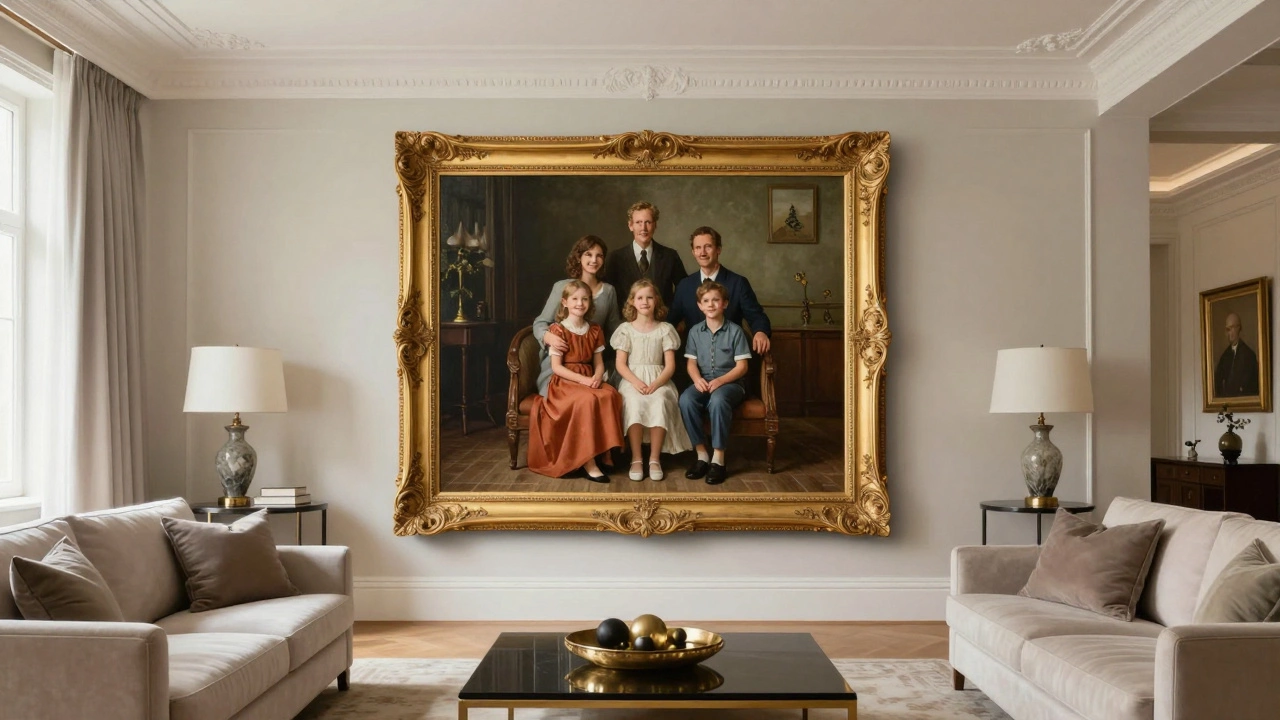
Understanding the Commission Process
If you've never commissioned a piece, the workflow usually follows a specific pattern. First is the consultation, where you discuss the vision and the budget. Next is the reference phase-you provide high-resolution photos. Pro tip: the better the photos, the lower the risk of the artist making a mistake, which can save you money on revisions. Most professionals will require a non-refundable deposit (usually 30% to 50%) before they touch the canvas. This covers the initial cost of materials and secures your spot in their queue. You'll then typically receive "progress shots." This is where you can catch any likeness issues early. Once the piece is finished, the final balance is paid, and the work is shipped.Comparing the Options at a Glance
If you're still undecided on which route to take, look at this breakdown of trade-offs.| Option | Cost | Durability | Turnaround Time |
|---|---|---|---|
| Digital Painting | $ | Infinite (File) / Medium (Print) | Fast (1-3 weeks) |
| Acrylic Painting | $$ | High | Medium (2-6 weeks) |
| Oil Painting | $$$ | Very High (Centuries) | Slow (1-4 months) |
Why is a realistic portrait so much more expensive than a stylized one?
Realism requires a deep knowledge of light physics and anatomy. In a stylized or abstract piece, the artist can take liberties with proportions. In a realistic piece, if a nose is two millimeters too long, the entire likeness is ruined. The mental effort and the time spent on tiny details-like the reflection in a pupil or the texture of a pore-increase the labor hours significantly.
How do I know if an artist is actually "professional"?
Look at their portfolio for consistency. If they have one great painting but ten mediocre ones, they aren't consistent. Check for "dead eyes"-a common sign of an amateur is eyes that look flat or misplaced. A pro's portfolio will show a range of skin tones and lighting conditions, all handled with the same level of precision.
Can I get a realistic portrait for under $100?
It's very unlikely for a high-quality, custom-painted piece. You might find a student or a hobbyist on a freelance platform, but be careful. At that price point, you're often getting a filtered photo with some digital paint over it, or a very basic sketch that lacks the depth and realism of a professional work.
Do I need to provide a photo or can the person sit for the artist?
Both are possible. Sitting for a portrait (life painting) is often more expensive because the artist has to pay for the subject's time or manage the scheduling of multiple sessions. Working from a photo is more common today and generally cheaper, provided the photo has clear lighting and high resolution.
What is the average turnaround time for an oil portrait?
Expect anywhere from one to four months. Oil paint takes a long time to dry between layers (glazing). If an artist tells you they can finish a high-detail oil portrait in three days, they are likely using a medium that dries faster or are rushing the process, which can lead to cracking in the paint years down the line.