Abstract Art Pricing Calculator
Painting Specifications
Valuation Estimate
Best Sales Channels:
Walk into any modern living room in Auckland or London, and you’ll likely spot a splash of color on the wall. It’s not a landscape of the Alps or a portrait of a grandmother. It’s a swirl of crimson, a block of charcoal gray, or a chaotic burst of yellow. Abstract art has moved from the avant-garde edges of galleries to the center of interior design. But for the artist staring at a blank canvas, the question isn’t whether it looks good-it’s whether it sells.
The short answer is yes, abstract paintings sell well, but they don’t sell like other genres. The market for abstract art is a non-representational style that focuses on shapes, colors, forms, and gestural marks rather than accurate depictions of visual reality. This genre dominates the high-end auction houses and the mid-tier online marketplaces simultaneously. However, selling abstract work requires understanding a specific psychological trigger: personal connection over literal recognition.
The Psychology Behind Buying Abstract Art
When someone buys a realistic painting of a dog, they are buying an image of a dog. When they buy an abstract piece, they are buying a feeling. This distinction is critical for artists trying to move inventory. Research in consumer behavior suggests that buyers of non-representational art are often motivated by emotional resonance and interior design cohesion rather than narrative content.
Consider the "blank canvas" effect. A viewer projects their own memories and emotions onto an abstract piece. If a painting makes them feel calm, energetic, or nostalgic, that subjective experience becomes the value proposition. As an artist, you aren’t selling paint on canvas; you’re selling a mood. This is why abstract art performs exceptionally well in commercial spaces-hotels, offices, and restaurants-where the goal is to set an atmosphere without dictating a specific story.
- Emotional Projection: Buyers see themselves in the ambiguity.
- Decor Flexibility: Abstract pieces fit more color schemes than representational art.
- Perceived Sophistication: There is a lingering cultural bias that views abstraction as intellectually demanding, which adds perceived value.
Market Channels: Where Abstract Art Actually Sells
The channel you choose dictates your pricing strategy and audience. In 2026, the ecosystem for selling art is fragmented between digital platforms, physical galleries, and direct-to-consumer methods. Each has different conversion rates for abstract work.
| Channel Type | Typical Price Point (USD) | Volume Potential | Artist Control |
|---|---|---|---|
| Online Marketplaces (e.g., Saatchi Art, Etsy) | $150 - $800 | High | Medium |
| Commercial Galleries | $1,500 - $10,000+ | Low | Low (50% commission) |
| Direct Social Media (Instagram/TikTok) | $200 - $2,000 | Medium | High |
| Art Prints / Reproductions | $30 - $150 | Very High | High |
Online marketplaces like Saatchi Art is an online platform connecting artists with collectors globally, specializing in contemporary and abstract works have become the primary engine for mid-tier abstract sales. These platforms handle logistics and payment processing, allowing artists to focus on creation. For beginners, this is often the best entry point because the audience is already primed to buy non-representational work.
However, high-value abstract pieces-those exceeding $5,000-still rely heavily on relationships built through galleries or private networks. The trust factor matters here. A buyer spending thousands needs assurance of provenance and quality, which a gallery provides. For most emerging artists, the sweet spot lies in selling originals directly via social media while using prints to build brand awareness.
Pricing Your Abstract Work: Avoiding Common Pitfalls
One of the biggest hurdles for abstract painters is pricing. Unlike a portrait, where you might charge per hour or per subject, abstract art lacks an obvious metric for value. This leads to two common mistakes: underpricing due to imposter syndrome or overpricing based on ego.
A practical approach is the Size-Based Formula is a pricing method that calculates cost based on square inches multiplied by a base rate, plus material costs. Here’s how it works:
- Determine your base rate per square inch (e.g., $4).
- Multiply the width by the height of the canvas (e.g., 24x36 = 864 sq inches).
- Add the cost of materials (canvas, paint, frame).
- Add labor if you want to account for time spent.
For example, a 24x36 inch abstract painting would calculate as: (864 * $4) + $50 materials = $3,506. While this seems high for a beginner, it anchors your value. You can adjust the base rate downward initially ($1-$2 per sq inch) to enter the market, but avoid going below $0.50 unless you are producing volume prints. Low prices signal low quality in the art world, particularly for abstract work where skill is less visually obvious to laypeople.
Visual Presentation: Selling What Can't Be Seen Clearly
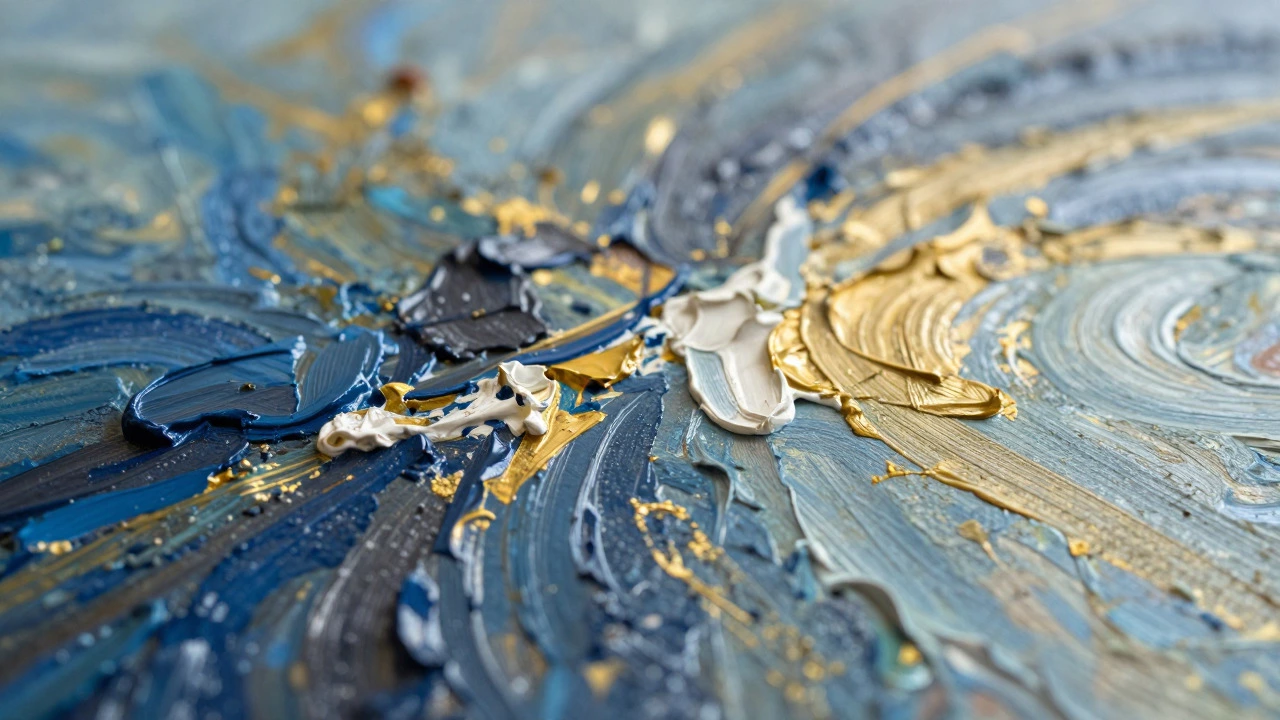
Since abstract art doesn’t depict a recognizable object, its presentation must be impeccable. Poor photography kills sales faster than bad technique. Buyers need to see texture, brushwork, and color accuracy.
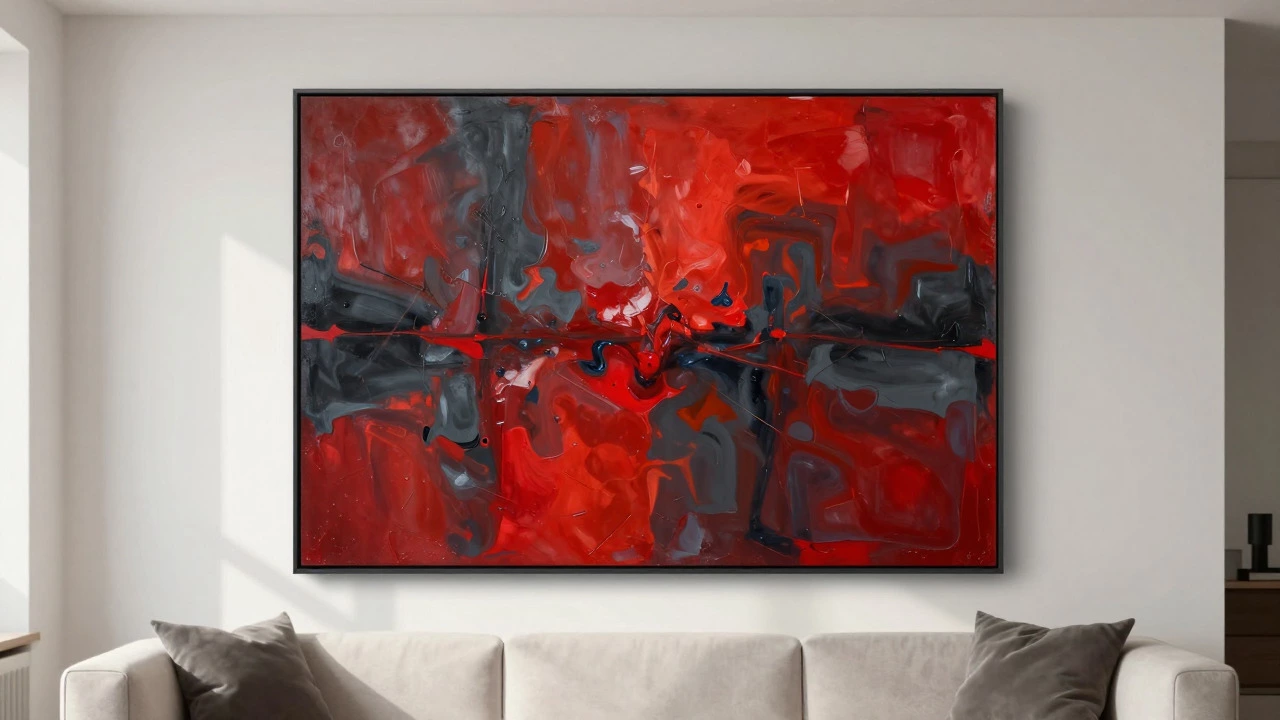
Use natural light for photography. Avoid flash, which creates glare on glossy surfaces and flattens texture. Show the artwork in context-mockups of the painting hanging in a modern living room help buyers visualize scale and impact. This is especially important for online sales where the customer cannot walk around the piece. Provide multiple angles: a straight-on shot, a close-up of the texture, and a wide shot showing the entire composition.
Trends Influencing Abstract Sales in 2026
The art market is not static. Current trends significantly influence what sells. In 2026, we are seeing a shift toward "organic abstraction" and textured impasto styles. Clean lines and geometric minimalism remain strong, but there is a growing appetite for tactile surfaces that look handmade and raw.
Sustainability is also a factor. Buyers are increasingly interested in the materials used. Using eco-friendly paints, recycled canvases, or local sourcing can be a unique selling proposition. Mentioning these details in your description adds depth and appeals to conscious consumers.
Additionally, the rise of AI-generated art has created a counter-movement. Collectors are placing higher value on the human hand-the visible brushstroke, the imperfection, the physical presence of the artist. Emphasize the process. Share videos of you painting. Show the mess, the layering, the decision-making. This proves authenticity and justifies the price tag against digital alternatives.
Building a Collector Base, Not Just One-Time Buyers
Selling one painting is great; building a career is better. Abstract art buyers are often repeat customers because they develop a taste for a specific palette or style. Treat every sale as a relationship-building opportunity.
Include a handwritten note with every purchase. Ask for feedback. Invite buyers to follow your journey on social media. Create an email list to notify them when new drops happen. Limited edition series create urgency. If you release ten pieces of a similar abstract theme and number them, collectors feel compelled to act before they miss out.
Collaborate with interior designers. They are the gatekeepers to high-volume residential and commercial sales. Offering a trade discount (e.g., 15-20%) to designers who specify your work for clients can open doors to lucrative contracts. One hotel project could mean fifty sales of smaller abstract pieces.
Conclusion: The Verdict on Abstract Art Sales
Do abstract paintings sell well? Yes, provided you treat them as products of emotion and design rather than just artistic expression. The market is robust, spanning from affordable prints to six-figure originals. Success depends on clear pricing, stunning presentation, and strategic distribution across the right channels. By understanding the psychology of the buyer and leveraging current trends, abstract artists can turn their passion into a sustainable income stream.
What is the average price of an abstract painting?
The average price varies widely by platform and artist reputation. On online marketplaces like Etsy, abstract prints range from $30 to $150. Originals on platforms like Saatchi Art typically sell between $500 and $2,000 for emerging artists. Established gallery artists may command prices from $5,000 to $50,000+.
Is abstract art harder to sell than realistic art?
Not necessarily, but it requires different marketing. Realistic art appeals to those seeking representation or nostalgia. Abstract art appeals to those seeking decor flexibility and emotional resonance. Abstract art often has a broader commercial appeal in corporate and hospitality settings.
How do I photograph abstract art for online sales?
Use natural, indirect daylight. Avoid flash to prevent glare. Capture the full piece, close-ups of texture, and the piece in a room setting. Ensure the colors are true to life by calibrating your camera white balance. High-resolution images allow buyers to inspect the brushwork details.
Should I sell prints or originals first?
Starting with prints can help build an audience and cash flow with lower risk. However, selling originals establishes higher value perception. Many successful artists do both: selling limited-edition prints to attract new fans while reserving original works for serious collectors.
What are the best platforms to sell abstract art online?
Top platforms include Saatchi Art, Artsy, Etsy (for prints), and Shopify (for direct sales). Instagram and TikTok are crucial for driving traffic to these stores. Each platform has different fees and audiences, so diversifying across two or three is recommended.