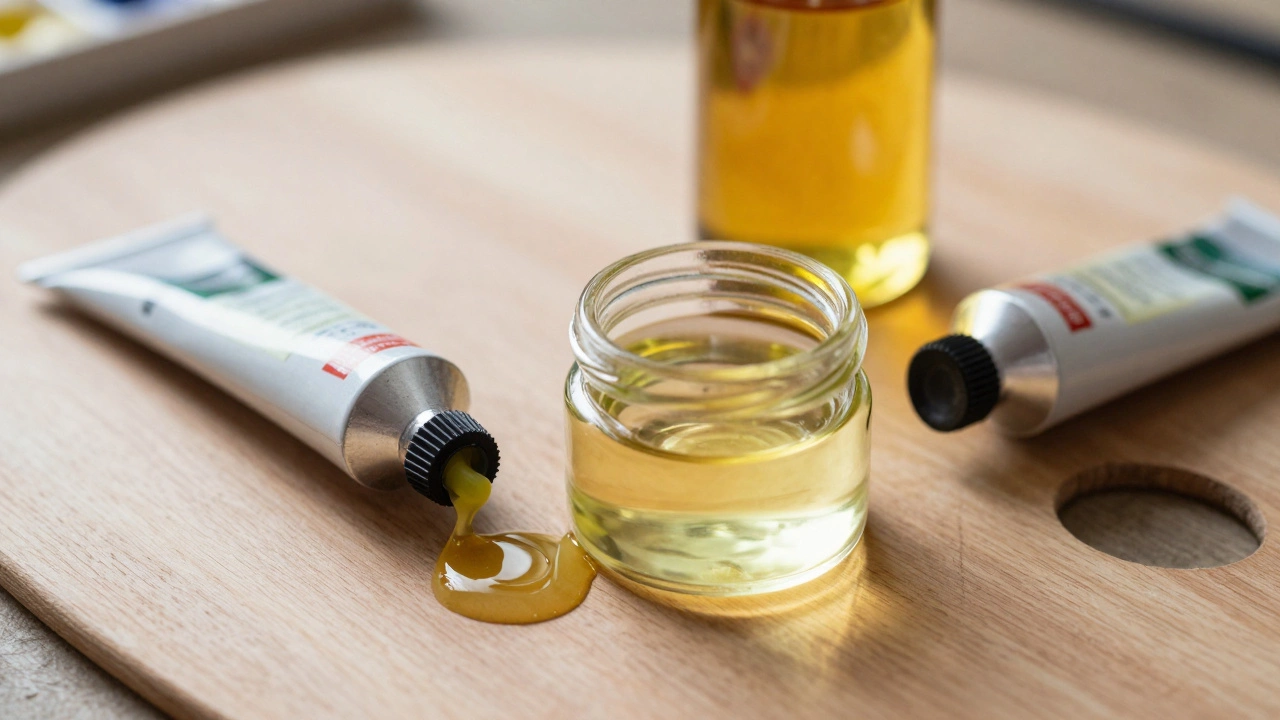
Find Your Perfect Linseed Oil Substitute
Select the option that best describes your current situation or goal:
I hate yellowing
My whites turn brown over time, and I want a neutral tint.
I need speed
Linseed takes too long to dry. I want to paint wet-on-wet.
I want better texture
I want thick impasto that doesn't sink into the canvas.
Mixing pure whites
I am mixing titanium white and cannot risk any discoloration.
General replacement
I just ran out of linseed oil and need a direct swap.
Too smelly/toxic
I dislike the smell of traditional oils and solvents.
Medium Name
Type BadgeWhy this works for you:
Explanation goes here.
You squeeze the tube, mix your colors, and reach for the bottle of linseed oil. It’s empty. Or worse, it’s turned into a thick, gummy mess that smells like old gym socks. This is a common frustration for painters who rely on linseed oil, which is the traditional medium used to bind pigments and adjust viscosity in oil painting. But you don’t need to stop painting just because you’re out of stock or allergic to its strong odor. There are several effective substitutes that can keep your workflow moving without compromising the quality of your artwork.
Finding the right alternative depends on what you value most in your medium. Do you need something that dries fast? Something with a neutral color that won’t yellow your whites? Or perhaps a solvent-free option that is safer to breathe in? Each substitute has distinct properties regarding drying time, gloss level, and archival stability. Let’s look at the best options available to you right now.
The Gold Standard Alternative: Walnut Oil
If you want a drop-in replacement that behaves almost exactly like linseed oil but with fewer downsides, Walnut oil is a high-quality, slow-drying drying oil extracted from black walnuts, prized for its pale color and resistance to yellowing. It is chemically very similar to linseed oil, meaning it oxidizes and hardens in much the same way. However, it starts out significantly lighter in color. While raw linseed oil has a slight amber tint that can darken over decades, walnut oil remains nearly transparent. This makes it an excellent choice if you work with light palettes, such as pastels, skin tones, or bright whites.
The trade-off is speed and availability. Walnut oil dries slightly slower than linseed oil. If you are working in layers, this might mean waiting an extra day before applying the next coat. You also need to ensure you are buying food-grade or artist-grade walnut oil, not the toasted variety found in salad aisles, which will never dry properly on canvas. In terms of performance, it provides a smooth, buttery consistency that blends beautifully, making it a favorite among portrait artists who need extended open time for soft transitions.
For Faster Drying: Stand Oil and Poppy Seed Oil
Sometimes the problem isn’t the smell or the yellowing; it’s the wait. Linseed oil can take days or even weeks to fully cure depending on humidity and temperature. If you need to move faster, Stand oil is a polymerized form of linseed oil created by heating it under pressure, resulting in a thicker, faster-drying medium with less yellowing. Because the long-chain molecules have been linked together during manufacturing, stand oil flows differently. It is more viscous and creates a harder, more flexible film. It doesn’t sink into the canvas as much as raw linseed oil, which helps maintain the integrity of your brushstrokes.
Another option for speed is Poppy seed oil, which is a pale, slow-drying oil derived from poppy seeds, known for its minimal yellowing but weaker film formation. While poppy seed oil is often cited for its lack of yellowing, it actually dries slower than linseed oil and forms a softer film. Use it sparingly, primarily for mixing white paints where yellowing is unacceptable, but avoid using it as a primary binder for large areas because it lacks the tensile strength of linseed or walnut oil. For a balanced approach, many artists mix stand oil with a small amount of solvent to get a fast-drying, non-yellowing glaze medium.
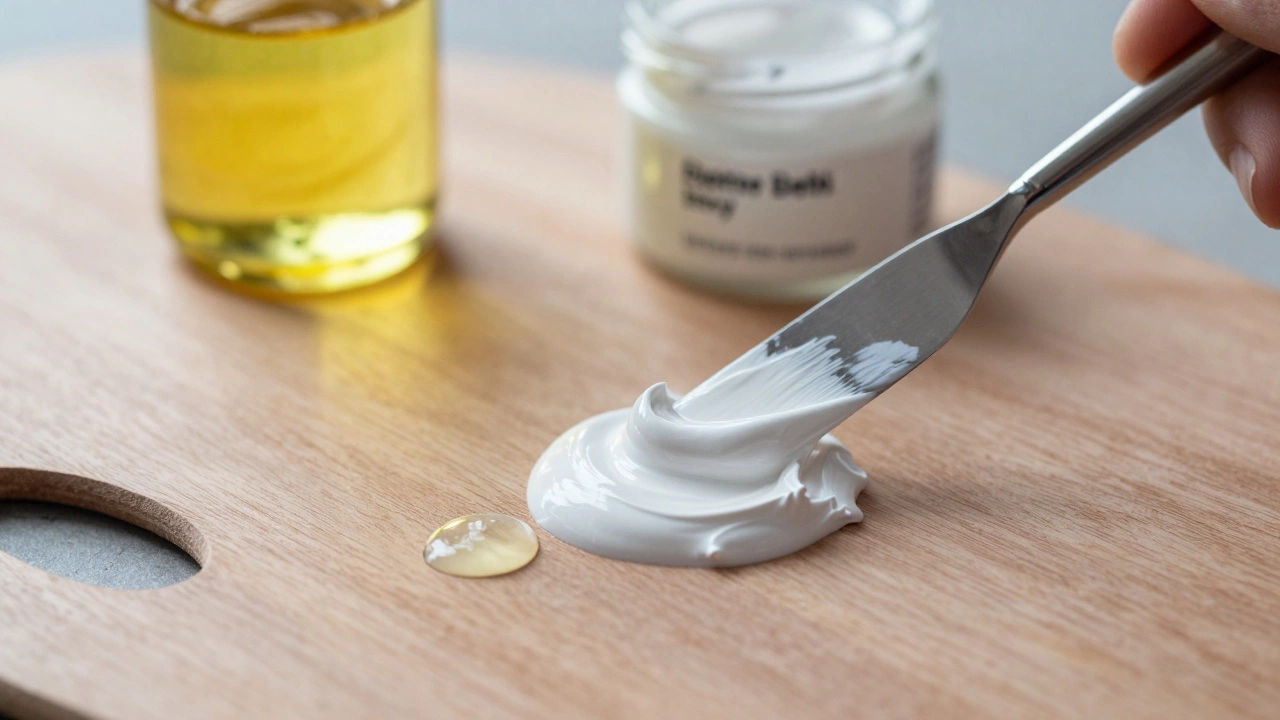
Solvent-Free Blending: Odorless Mineral Spirits Alternatives
Many artists use linseed oil not just as a binder, but to thin their paints for easier application. If your goal is simply to reduce the toothpaste-like consistency of fresh paint from the tube, you might not need another oil at all. Odorless mineral spirits (OMS) are refined petroleum distillates used as solvents to thin oil paints and clean brushes, offering low toxicity compared to traditional turpentine. While technically a solvent rather than an oil, OMS is the standard companion to linseed oil. If you are looking for a non-toxic alternative to thinning paints without adding any drying oil, consider Gum turpentine, which is a natural solvent distilled from pine trees, providing a strong cleaning power and faster evaporation rate than mineral spirits.
However, if you strictly need an oil-based thinner that doesn’t involve petroleum products, look into Safflower oil, which is an extremely pale, slow-drying vegetable oil used primarily for mixing white pigments to prevent discoloration. Like poppy seed oil, safflower oil is very weak. It should only be used in small quantities to extend white paint. Using it as a primary medium for entire paintings can lead to cracking later because the film is too soft. Think of these oils as specialized tools rather than general-purpose replacements.
Modern Synthetic Mediums: The Convenience Factor
If you are tired of dealing with rags, smelly jars, and unpredictable drying times, modern synthetic mediums offer a reliable solution. Brands like Liquin or Galkyd provide Alkyd resins, which are synthetic polymers modified with drying oils, designed to accelerate drying time and improve gloss without the drawbacks of pure vegetable oils. These mediums combine the benefits of oil with the speed of resin. They allow you to paint wet-on-wet with less risk of cracking because they dry through oxidation much faster than pure linseed oil.
The advantage here is consistency. You know exactly how it will behave every time you open the jar. They do not yellow, they do not go rancid, and they clean up easily. The downside is cost and permanence concerns for some purists. While alkyds are widely accepted in contemporary art conservation, some traditionalists prefer natural materials. For daily studio use, however, alkyd mediums are arguably the most practical substitute for linseed oil, especially if you work quickly and layer frequently.
| Medium | Drying Time | Yellowing Risk | Best Use Case |
|---|---|---|---|
| Walnut Oil | Slow (3-7 days) | Very Low | General purpose, light palettes |
| Stand Oil | Medium (1-3 days) | Low | Glazing, impasto, flexibility |
| Poppy Seed Oil | Very Slow (5+ days) | Negligible | Mixing whites only |
| Safflower Oil | Very Slow (5+ days) | Negligible | Tinting whites, delicate washes |
| Alkyd Mediums | Fast (24 hours) | None | Wet-on-wet, rapid layering |
What to Avoid: Non-Drying Oils
A critical mistake beginners make is substituting linseed oil with household cooking oils like olive oil, sunflower oil, or baby oil. These are non-drying oils. They contain different fatty acid profiles that do not oxidize effectively when exposed to air. If you mix your pigment with olive oil, your painting will remain tacky forever. It will attract dust, eventually crack, and may develop mold. Never use these in professional oil painting. Stick to drying oils-those specifically processed to harden upon exposure to oxygen.
Practical Tips for Switching Mediums
When switching from linseed oil to a substitute, start with small tests. Mix a small amount of your chosen oil with a dark pigment and let it dry on a scrap piece of canvas. Observe how the color shifts as it cures. Walnut oil might stay true, while stand oil could add a subtle gloss. Pay attention to the texture. Does it flow smoothly, or does it leave streaks? Adjust your ratio based on the viscosity of the new medium. You may need to add a few drops of solvent to achieve the same handling qualities you were used to with linseed oil.
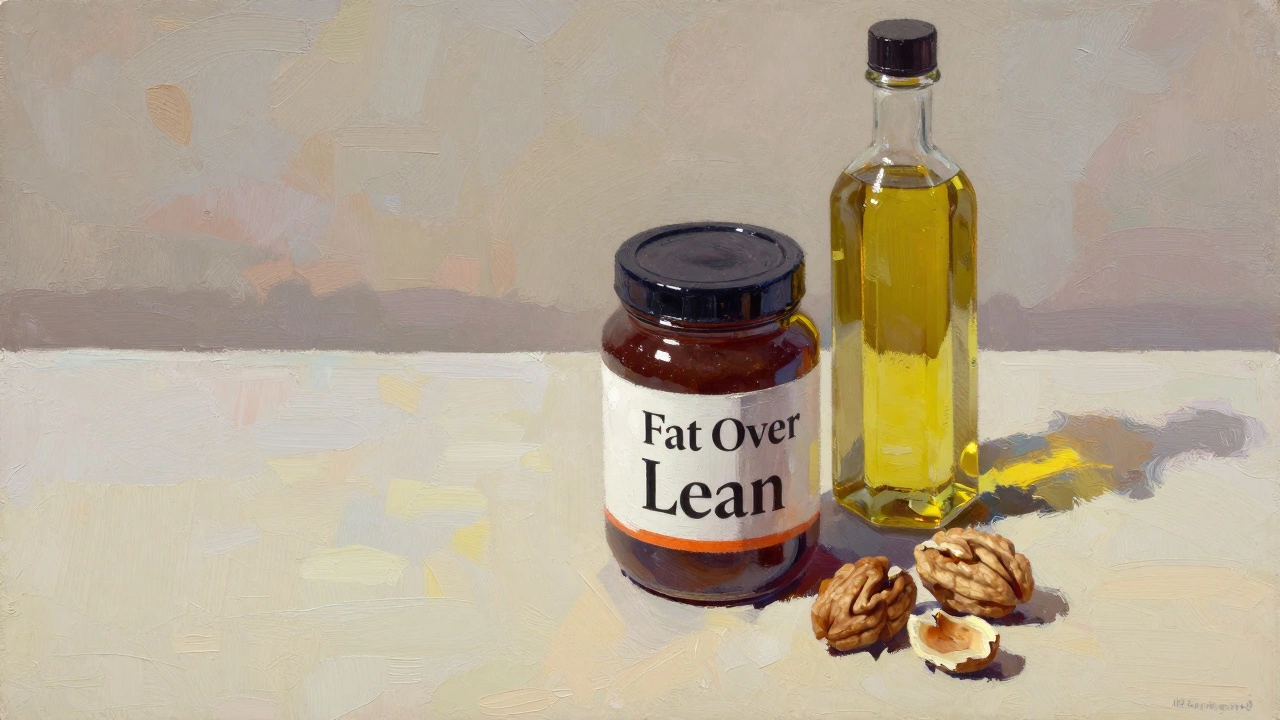
Also, consider the "Fat Over Lean" rule. Regardless of which oil you choose, always apply leaner layers (more solvent, less oil) first and fatter layers (more oil) last. This prevents cracking as the paint films shrink at different rates during curing. Even if you switch to walnut oil, maintaining this discipline ensures the longevity of your artwork.
Can I use olive oil instead of linseed oil?
No, you should never use olive oil as a substitute for linseed oil in painting. Olive oil is a non-drying oil, meaning it will not harden or cure. Your painting will remain sticky, attract dirt, and likely degrade over time due to mold growth or cracking.
Does walnut oil yellow like linseed oil?
Walnut oil yellows significantly less than linseed oil. It starts with a very pale, almost clear color and maintains that neutrality as it ages. This makes it ideal for mixing with white pigments or creating light-colored glazes where transparency is key.
Which oil dries the fastest?
Among natural oils, stand oil tends to dry faster than raw linseed or walnut oil due to its polymerized structure. However, synthetic alkyd mediums dry the fastest, often becoming touch-dry within 24 hours, allowing for quicker layering.
Is poppy seed oil good for all colors?
Poppy seed oil is best reserved for mixing with white paints because it forms a relatively weak film. It is not recommended for large areas or structural layers of a painting because it lacks the durability and tensile strength of linseed or walnut oil.
Can I mix different oils together?
Yes, you can mix compatible drying oils. Many artists blend walnut oil with a small amount of stand oil to balance drying time and flexibility. Just ensure all components are drying oils and follow the fat-over-lean principle to maintain paint film integrity.