Color Emotion Explorer
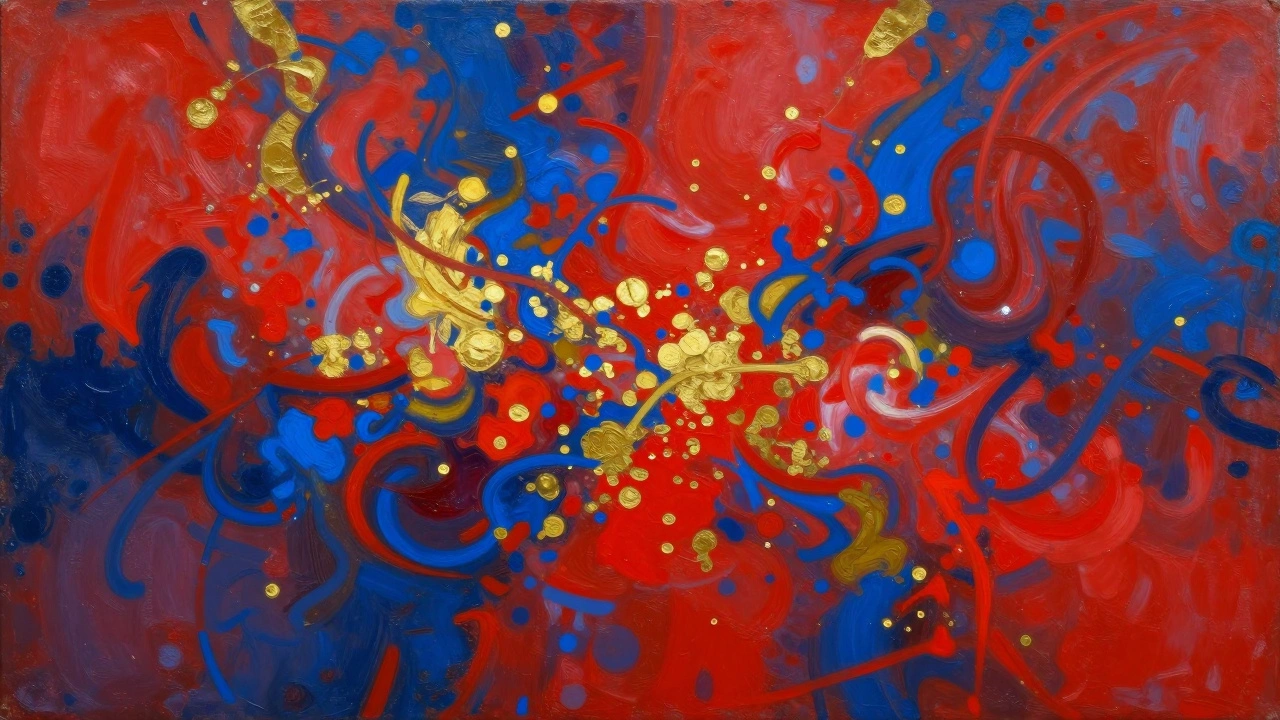
Abstract art uses color to communicate feelings directly. Like the article says: "A jagged red line might feel angry. A soft blue swirl might feel calm." This tool shows how different color combinations trigger emotional responses.
Click two colors to see how they work together
Your color combination creates an emotional experience of:
"You don’t need to know what it’s of to feel what it’s about."
— From the article
Ever looked at a splash of color on a canvas and thought, My kid could paint that? You’re not alone. Abstract art confuses a lot of people. But here’s the truth: it’s not about how well someone can draw a tree or a face. It’s about feeling, energy, and ideas-without showing you exactly what they’re trying to say.
Abstract art doesn’t show things as they are
Most art you’ve seen before-like portraits, landscapes, or still lifes-tries to copy the real world. Abstract art does the opposite. It doesn’t try to look like a person, a building, or a flower. Instead, it uses shapes, lines, colors, and textures to express something deeper: emotion, movement, chaos, peace, or even a memory.
Think of it like music. You don’t need lyrics to feel joy in a symphony. A fast violin part can make you anxious. A slow cello note can make you sad. Abstract art works the same way. A jagged red line might feel angry. A soft blue swirl might feel calm. You don’t need to know what it’s of to feel what it’s about.
It started as a rebellion
Before the 1900s, most art was about showing the world accurately. Artists trained for years to paint lifelike faces and perfect perspective. Then, around 1910, a few painters-like Wassily Kandinsky in Germany and Hilma af Klint in Sweden-started asking: Why do we have to paint what we see?
They began experimenting with color and form not to copy reality, but to express inner experiences. Kandinsky said he heard music when he painted. He saw colors as sounds. His paintings looked like explosions of light and motion. People called it crazy. Today, he’s called the father of abstract art.
It wasn’t just about breaking rules. It was about making room for feelings that words and realistic images couldn’t capture-especially after wars, rapid technology, and big social changes.
It’s not random
One of the biggest myths about abstract art is that it’s just splattered paint with no skill. That’s not true. Abstract artists make deliberate choices. Every brushstroke, every color, every shape is intentional.
Take Jackson Pollock. He dripped paint onto huge canvases laid on the floor. It looked messy. But he controlled the flow, the speed, the thickness of the paint. He didn’t just fling it. He moved his whole body, like a dancer. He called it action painting. The chaos you see? It was carefully built.
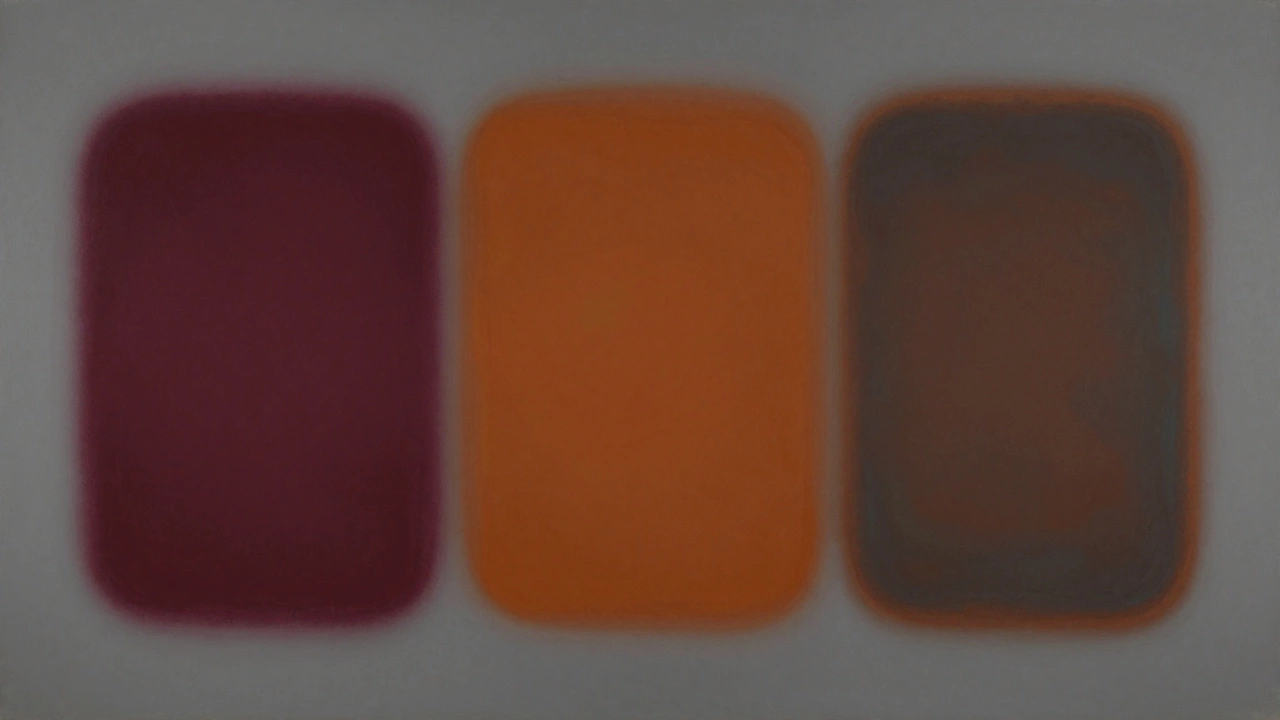
Or look at Mark Rothko. His paintings look like floating rectangles of color. Simple, right? But he spent weeks mixing just the right shade of maroon or deep orange. He wanted viewers to feel a sense of awe, even sorrow, standing in front of them. He painted for people to stand close, to feel swallowed by the color.
These aren’t accidents. They’re carefully crafted emotional experiences.
You don’t need to ‘get it’
Here’s the best part: you don’t have to understand abstract art to enjoy it. You don’t need to know the artist’s backstory or the art theory behind it. You just need to let yourself feel something.
Go to a gallery. Stand in front of an abstract painting. Don’t ask, What is this? Ask instead: How does this make me feel? Does it feel calm? Tense? Exciting? Empty? Joyful?
There’s no right or wrong answer. One person might see a storm. Another might see a heartbeat. Both are valid. That’s the power of abstract art-it speaks directly to your emotions, not your logic.
It’s everywhere
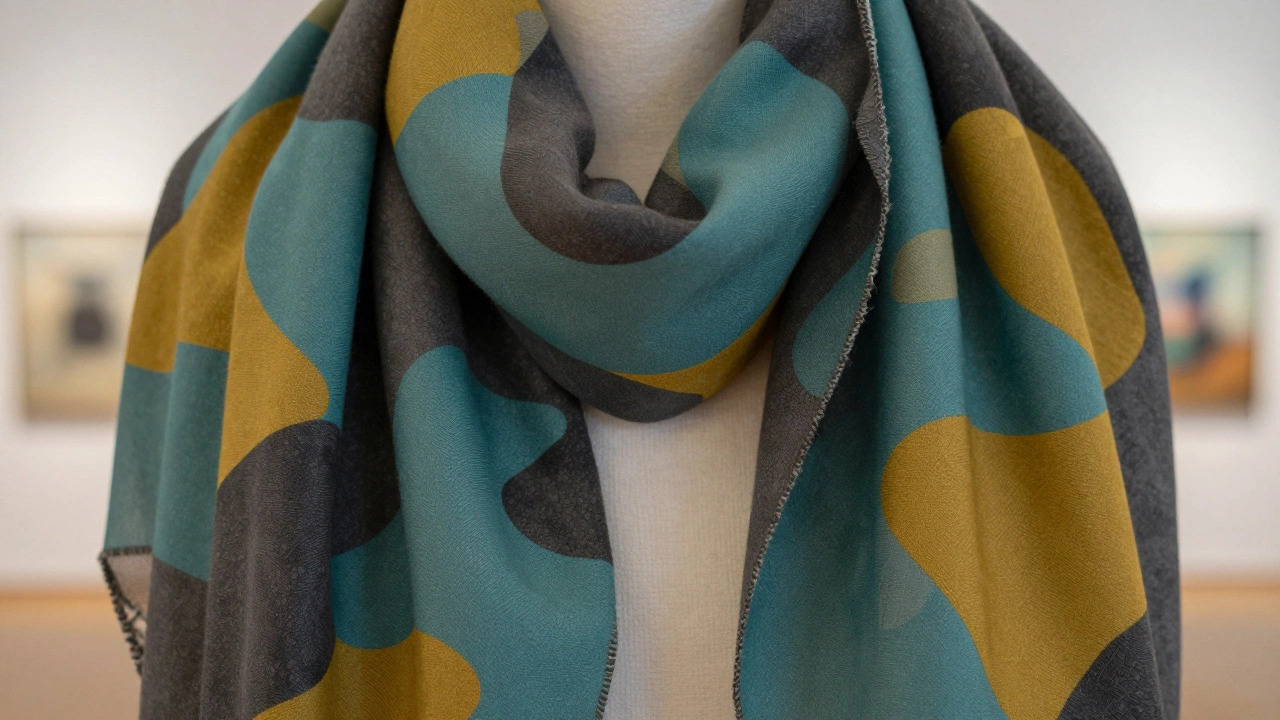
Abstract art isn’t stuck in museums. You see it every day. The patterns on your scarf. The design of a smartphone app. The way a logo uses swirls and blocks to feel modern. Even the layout of a website can be abstract-it’s not showing you a person, but it’s guiding your eye, creating rhythm, telling you where to look.
Modern architecture? Think of the Guggenheim Museum in Bilbao. Its curves and metallic surfaces don’t look like a traditional building. They feel alive, dynamic, almost musical. That’s abstract thinking in 3D.
Even fashion designers like Yves Saint Laurent and Alexander McQueen used abstract patterns-blots of color, torn shapes, asymmetry-to challenge how we see clothing. It’s not decoration. It’s expression.
Why does it matter?
Abstract art reminds us that not everything has to be explained. In a world full of facts, data, and quick answers, abstract art gives space for mystery. It asks you to slow down. To sit with something that doesn’t make sense right away. To trust your gut.
It’s also deeply human. We don’t always know why we feel the way we do. Abstract art doesn’t try to fix that. It says: It’s okay not to have words for this.
Some of the most powerful moments in life aren’t explained-they’re felt. A hug after a loss. The silence before sunrise. The rush of music at the end of a long day. Abstract art tries to capture those moments-not by showing them, but by making you feel them.
How to look at abstract art (a simple guide)
If you’re not sure where to start, try this:
- Stand back. Let the whole piece wash over you. Don’t zoom in yet.
- Notice your first reaction. Does it pull you in? Push you away? Make you uncomfortable? That’s data.
- Look at the colors. Are they bright? Muted? Cold? Warm? How do they make your body feel?
- Follow the lines. Are they sharp? Curved? Chaotic? Calm? Do they lead your eye in a pattern?
- Ask yourself: What’s the mood? Not what it is-what it feels like.
That’s it. No history lesson needed. No art degree required.
It’s not magic-it’s just different
Abstract art isn’t harder than other kinds of art. It’s just asking you to use a different part of your brain. Instead of matching what you see to something real, you’re letting it speak to your senses and emotions.
Think of it like tasting wine. You don’t need to know the grape variety or the vineyard to know if it tastes good-or if it makes you shiver. Abstract art is the same. You don’t need to decode it. You just need to let it be.
