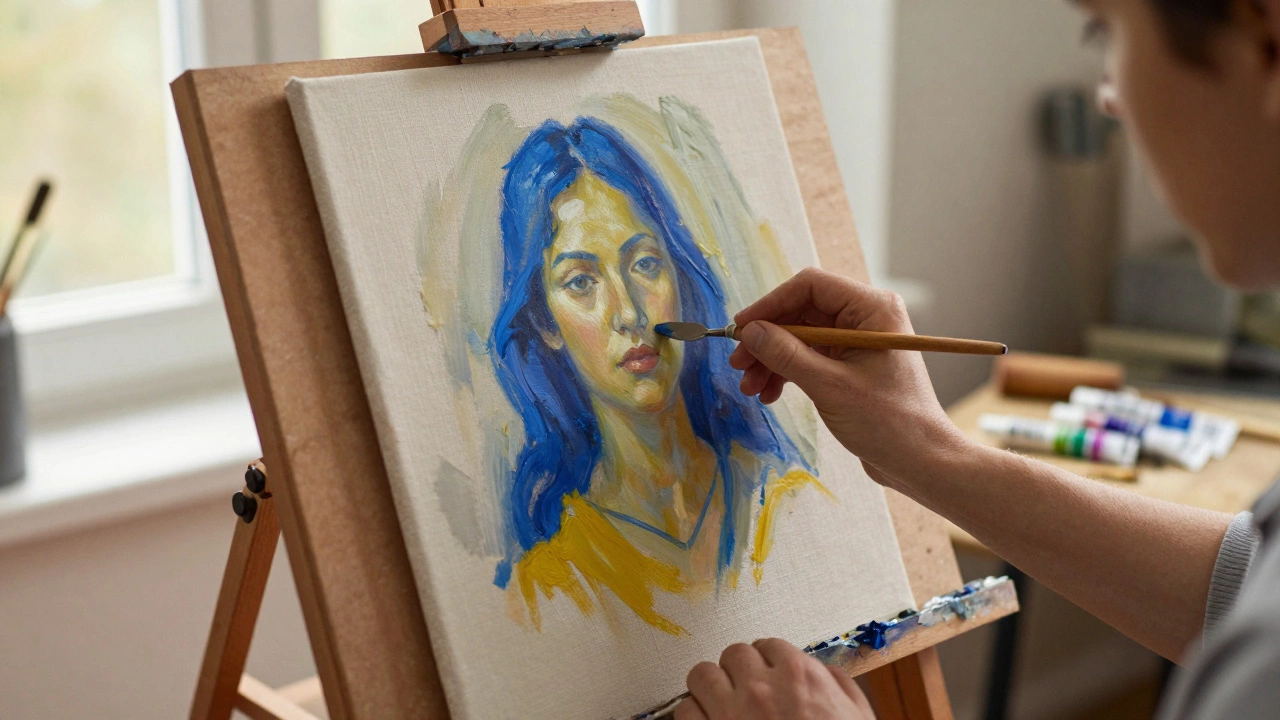
When you see a lifelike painting of someone’s face-eyes full of character, skin with subtle shadows, a hint of a smile-you might wonder: what do you call the person who made that? It’s not just a painter. It’s not just an artist. There’s a specific word for it, and it carries centuries of tradition behind it.
The Simple Answer: Portrait Painter
The most direct and widely accepted term is portrait painter. That’s what you say when you’re talking to someone who doesn’t know art jargon. It’s clear, accurate, and used by museums, galleries, and art schools. A portrait painter creates images of people, usually focusing on the face and upper body, capturing not just likeness but personality.
But if you dig a little deeper, you’ll find that many artists who specialize in portraits also call themselves portrait artists. That’s not wrong. In fact, it’s just as common. The difference? Portrait painter emphasizes the medium-oil, acrylic, pastel, watercolor. Portrait artist is broader-it could include digital renderings, charcoal sketches, or even sculptures. If someone uses paint, calling them a portrait painter is more precise.
Historical Terms: The Old-School Titles
Back in the 17th and 18th centuries, when portrait painting was a high-status trade, artists didn’t just call themselves painters. They were often referred to by titles that reflected their role in society.
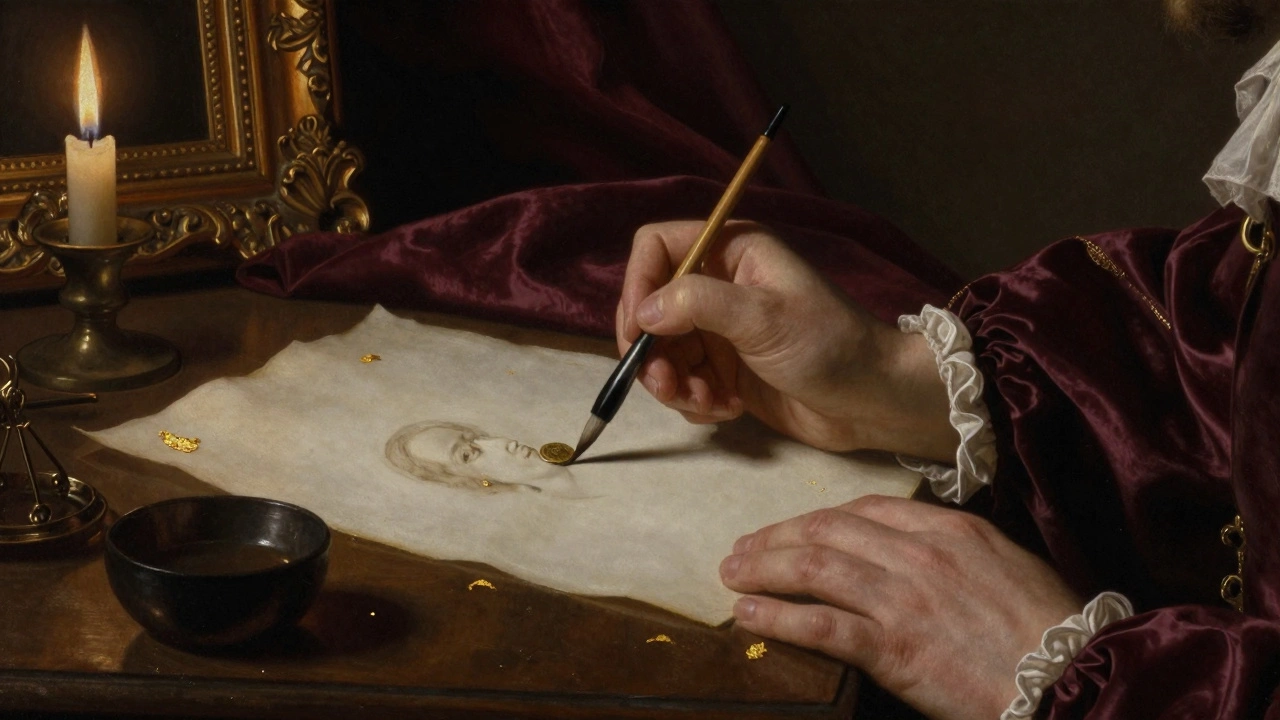
One term you’ll see in old records is limner. That’s an old English word, dating back to the Middle Ages, for someone who painted small, detailed portraits-often miniatures on ivory or vellum. It wasn’t just about skill; it was about precision. A limner had to capture a noble’s expression in a space no bigger than a postage stamp. The term faded after the 1800s, but you’ll still find it in museum labels for 16th-century English portraits.
Another term is painter of likenesses. It sounds clunky today, but in Renaissance Italy, artists were often hired with contracts that said: “To paint the likeness of Signor Rossi.” They weren’t just decorating a wall-they were making a record. Portraits were proof of existence, status, and lineage. In those days, being called a painter of likenesses was a mark of trust.
And then there’s court painter. That wasn’t just a job title-it was a position. Artists like Anthony van Dyck or Diego Velázquez weren’t freelance. They were employed by kings and queens. Their job? To make the royal family look powerful, elegant, and timeless. Court painters had studios, assistants, and steady pay. They didn’t just paint faces-they shaped public image.
Modern Usage: What Do Artists Call Themselves?
Today, most portrait painters don’t use fancy titles. But if you look at their websites or Instagram bios, you’ll see patterns.
Many use “portrait artist” because it sounds more modern and flexible. It lets them mix media-oil for commissions, digital for quick sketches, ink for editorial work. But if you ask a traditionalist-someone who only works with oil on linen-they’ll insist they’re a portrait painter. There’s pride in the craft. They’ll tell you about grinding their own pigments, using linseed oil aged for years, or layering glazes over weeks.
Some artists in the UK, especially those trained in the Royal Academy tradition, still use the term portraitist. It’s rare, but it’s real. You’ll find it in auction catalogues and academic papers. It’s the most elegant word for it-short, precise, and loaded with history. If you want to sound like you know your stuff, “portraitist” is the word to drop at an art dinner.
Portrait Painter vs. Other Types of Artists
Not every artist who paints people is a portrait painter. Here’s how to tell the difference:
- A figure painter focuses on the human form-nudes, dancers, athletes-but not necessarily recognizable individuals. Their goal is movement, anatomy, or emotion-not identity.
- A genre painter shows scenes of everyday life: markets, family meals, street vendors. People might be in the painting, but they’re part of the story, not the subject.
- A landscape painter might include a tiny figure in the distance, but the person isn’t the focus. The sky, the hills, the light-that’s what matters.
- A photographer captures likeness too, but they don’t mix paint or build layers. A portrait painter interprets. A photographer records.
So if someone paints a detailed image of your grandmother’s face-the way her glasses catch the light, the wrinkles around her eyes that tell stories-you’re not looking at a figure painter. You’re looking at a portrait painter.
Why the Title Matters
Calling someone a portrait painter isn’t just semantics. It’s about respect for the skill involved. Portraits take longer than most people think. A single face can take 20 to 60 hours. The artist has to read expressions, match skin tones under different lights, and remember how the subject smiled when they were talking about their dog.
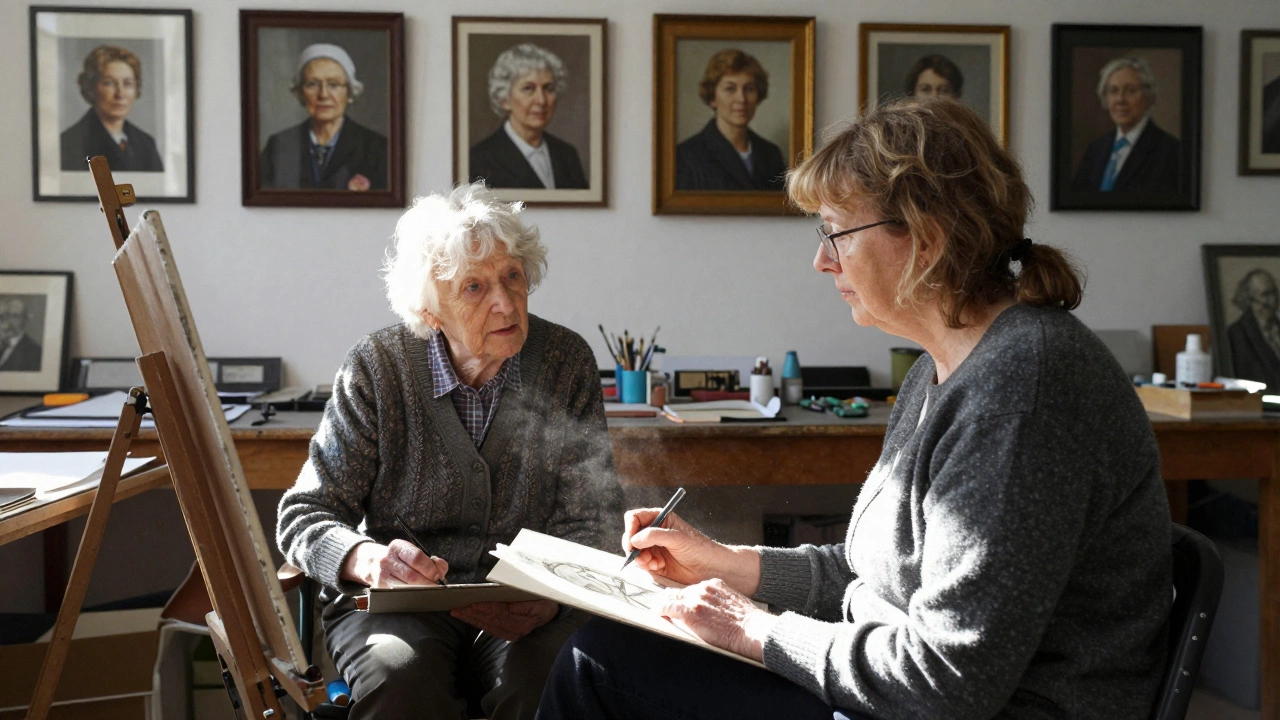
That’s why commissioning a portrait isn’t like buying a print. You’re paying for time, observation, and emotional intelligence. A good portrait painter doesn’t just copy a photo. They build a relationship with the sitter. They notice the way someone holds their chin when they’re nervous. They capture the quiet moment before a laugh.
In Sheffield, where I live, there’s a portrait painter named Eleanor Whitmore. She’s been doing commissions for 30 years. Her clients aren’t celebrities-they’re teachers, nurses, retired engineers. She once painted a man who’d just lost his wife. He didn’t want a happy photo. He wanted the way she looked when she was reading the paper in the armchair. That’s the kind of work that turns a portrait painter into a keeper of memory.
How to Find a Portrait Painter
If you’re looking to commission one, don’t just search “portrait artist.” Look for these signs:
- They show progress photos-not just the final piece. Real portrait painters document their process.
- They talk about sittings. Most require at least two or three in-person sessions.
- They don’t promise a painting in three days. If they do, they’re probably tracing photos.
- They mention materials: oil, linen, gamboge, cobalt blue. These aren’t buzzwords-they’re proof they know their craft.
Check local art societies. The Royal Society of Portrait Painters in London holds annual exhibitions. Smaller cities like Sheffield, Leeds, or Bath have local groups too. Attend an open studio day. Talk to the artist. Ask how they started. The best ones will tell you about their first commission-usually a nervous, awkward, beautiful moment.
Final Thought: It’s Not Just a Job
A portrait painter doesn’t just make art. They preserve identity. In a world where we’re reduced to profile pictures and filters, a painted portrait is a quiet rebellion. It says: I was here. I had depth. I mattered.
So when you ask, “What is a portrait painter called?”-the answer isn’t just a word. It’s a legacy. And if you ever sit for one, you’re not just posing. You’re becoming part of history.
Is a portrait painter the same as a portrait artist?
They’re very similar, but there’s a subtle difference. A portrait painter specifically uses paint-oil, acrylic, watercolor, etc.-to create the image. A portrait artist is a broader term that can include digital artists, charcoal sketchers, or even sculptors who make portrait busts. If someone works with traditional paint, "portrait painter" is more accurate.
Can a photographer be called a portrait painter?
No. A photographer captures an image with a camera, while a portrait painter creates an image by hand using pigments and brushes. Even if a photographer specializes in portraits, they don’t paint. Calling them a portrait painter would be incorrect, though you can call them a portrait photographer.
What’s the difference between a portraitist and a portrait painter?
"Portraitist" is a more formal, less common term that means the same as portrait painter-it’s someone who specializes in painting portraits. It’s used more in academic or historical contexts, like in museum labels or auction catalogues. In everyday language, "portrait painter" is clearer and more widely understood.
Do portrait painters only paint people?
Primarily, yes. The core of portrait painting is capturing a person’s likeness and character. But sometimes, they include pets-especially if the pet is part of the family’s identity. Rarely, they’ll paint a group portrait, like a family or a wedding party. But the focus always stays on recognizable individuals, not abstract forms or landscapes.
How long does it take to paint a portrait?
It varies, but most professional portrait painters spend between 20 and 60 hours on a single piece. That’s usually spread over several sittings, sometimes weeks apart. A simple head-and-shoulders portrait might take 25 hours. A full-length, detailed oil painting with a background can take over 80 hours. Speed often means sacrifice-quality portraits need time to build layers and refine expressions.
Are portrait painters still relevant today?
Absolutely. While photography is faster and cheaper, painted portraits offer something no photo can: interpretation. A portrait painter chooses what to emphasize-the strength in someone’s jaw, the softness in their gaze, the quiet sadness behind their eyes. In an age of filters and AI-generated images, hand-painted portraits feel personal, real, and timeless. Many families now commission them for milestones like retirements, anniversaries, or memorials.