Sculpting Methods: Additive, Subtractive, and Casting Explained
When you think of sculpting methods, the ways artists shape materials into three-dimensional forms. Also known as sculpture techniques, it's not just about chiseling stone—it’s about building, removing, or molding form with purpose. Whether you’re working with clay, wood, bronze, or even recycled metal, the core approach falls into just three categories: additive, subtractive, and casting. Each one changes how you think about space, material, and time.
Additive sculpting, building up material to form a shape. Also known as modeling, it’s what you do when you roll clay between your hands or weld steel pieces together. It’s forgiving—you can always add more. This method is popular with beginners because mistakes aren’t permanent. Think of it like cooking: you keep stirring until the flavor’s right. Then there’s subtractive sculpting, removing material to reveal the form hidden inside. Also known as carving, this is how Michelangelo worked with marble. You start with a block and chip away until the figure emerges. It’s nerve-wracking—once you cut, you can’t undo it. But the reward? A solid, unified piece that feels alive. And then there’s casting, pouring liquid material into a mold to create a copy. Also known as lost-wax casting, this is how bronze statues survive centuries. You make a mold from an original model, then pour hot metal into it. It’s not creating from scratch—it’s multiplying what already exists. Artists use it to make editions, share work, or work with materials too heavy to carve by hand.
These three methods aren’t just historical techniques—they’re active choices today. Digital sculptors use additive principles in ZBrush. Stone carvers still rely on subtractive methods in studios from Cornwall to Kyoto. Foundries across the UK cast bronze for public art installations every week. The method you pick shapes not just the final piece, but your entire creative process. Do you want control? Go subtractive. Flexibility? Try additive. Replication? Cast it.
Below, you’ll find real examples of each method in action—from simple beginner projects to professional workflows. Whether you’re curious about how to start, or you’re trying to understand why a sculpture looks the way it does, these posts break it down without the fluff. No theory overload. Just what works, what doesn’t, and why it matters.
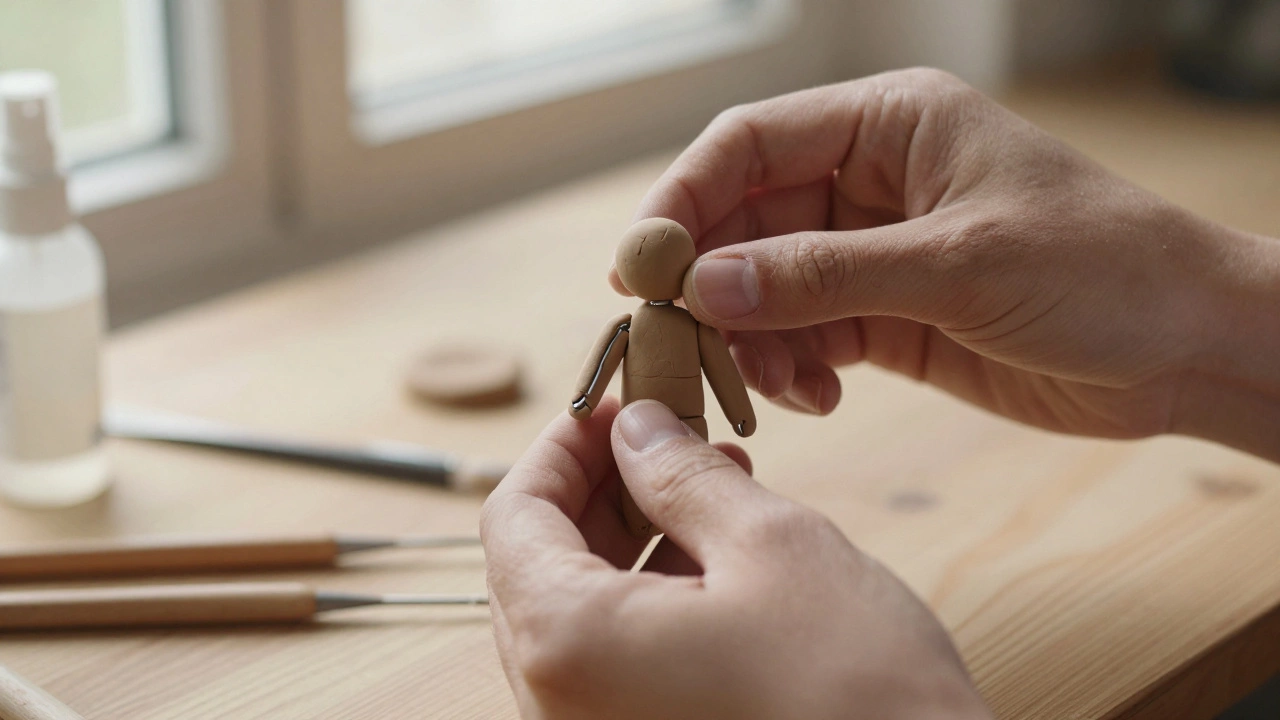
1 Dec 2025
Learn the four basic sculpting methods - additive, subtractive, modeling, and assemblage - used by artists to create three-dimensional art. Discover which one suits your style and how to start today.
Continue reading...
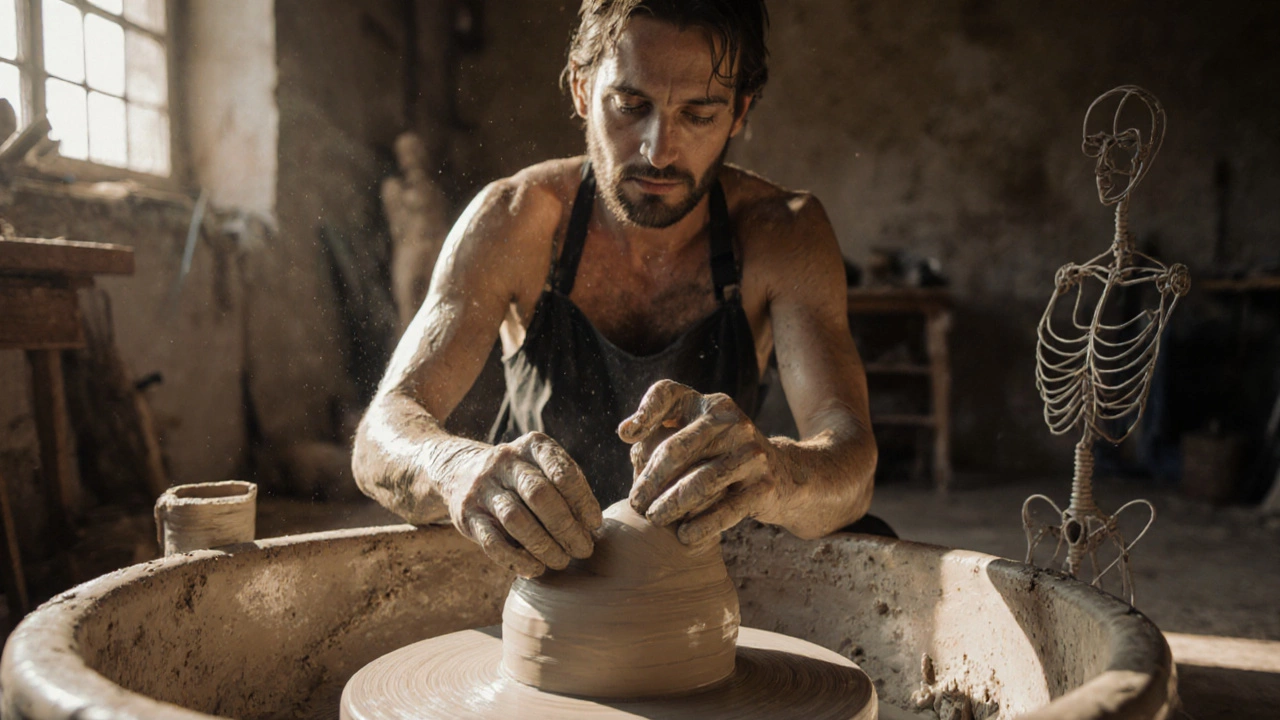
5 Nov 2025
Learn the four fundamental sculpting methods-additive, subtractive, modeling, and casting-that artists use to create three-dimensional art. Understand how each works, which materials they use, and why they still matter today.
Continue reading...