Public Art: Shaping Spaces and Communities
When thinking about public art, art created for shared spaces that anyone can experience, often outside traditional galleries. Also known as site‑specific art, it brings visual interest, cultural dialogue, and a sense of place to streets, parks, and buildings.
A key branch of it is street art, creative work painted, stenciled, or installed directly on public surfaces, which mixes color and message in everyday routes. Sculpture, three‑dimensional pieces placed in plazas, courtyards or transit hubs adds tactile depth and invites people to move around the work. Graffiti, often spontaneous lettering or imagery applied in public spaces pushes the line between art and vandalism, challenging legal and cultural norms. Finally, contemporary art, current artistic practice that reflects today’s ideas and technology frequently appears as large‑scale installations that respond to current events. In short, public art encompasses these forms, requires community engagement, and influences urban identity.
Bringing a project to life means balancing creativity with practical concerns. Artists work with agencies like Renaissance Harmony Hub to secure funding, navigate permitting, and ensure long‑term maintenance. The process usually starts with a clear brief – what story should the piece tell, which audience will see it, and how will it interact with existing architecture? Materials matter too: durable paints for murals, weather‑proof bronze for sculptures, or LED elements for contemporary installations. Successful public art also respects its context, whether that’s a historic square, a bustling transit hub, or a newly built park. By involving local residents early on, creators can adapt designs to reflect community values, turning a simple visual enhancement into a shared cultural landmark.
Below you’ll find a curated set of articles that dive deeper into each of these topics. From a side‑by‑side look at graffiti vs. street art, to practical guides on oil‑painting techniques useful for large‑scale murals, and clear explanations of contemporary art principles, the collection covers both theory and hands‑on advice. Browse through to see how each form fits into the larger picture of public art and discover actionable tips you can apply to your own projects or appreciation of the works around you.
17 Oct 2025
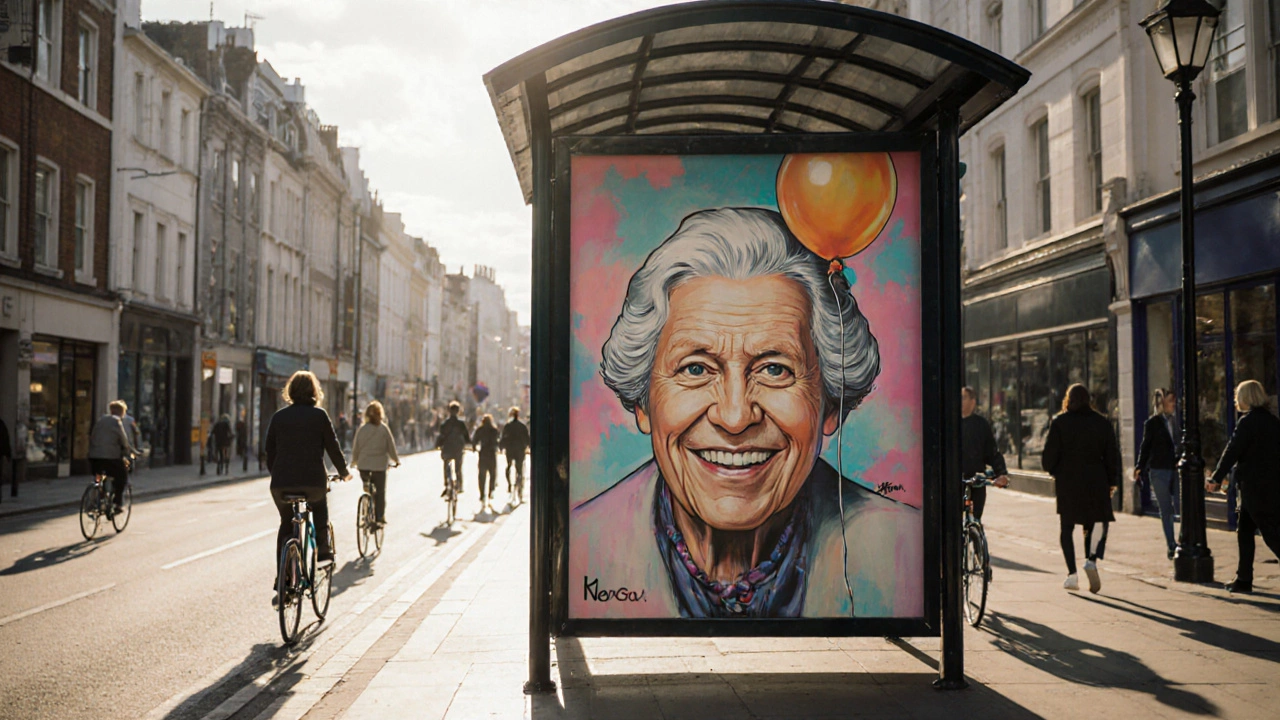
Explore the multiple purposes behind street art-from sparking public dialogue and activism to boosting tourism, community pride, and urban regeneration-in a clear, engaging guide.
Continue reading...