Modeling Clay: What It Is, How It's Used, and Why Artists Love It
When you think of modeling clay, a pliable, non-drying material used to shape three-dimensional forms. Also known as potter's clay or sculpting clay, it's the go-to medium for artists who want to build without waiting for materials to harden. Unlike stone or wood, modeling clay doesn’t require chisels or saws—it responds to your fingers, tools, and imagination. It’s the reason so many beginners start sculpting: you can pinch, roll, and press it into shape without special equipment.
Modeling clay is part of additive sculpting, a technique where material is built up rather than carved away. This method lets you layer forms slowly, correct mistakes easily, and experiment freely. Many artists use it to create maquettes—small preliminary models—before casting in bronze or resin. It’s also common in animation studios, where clay figures are moved frame by frame to create stop-motion films. The same material that helps a child make a dinosaur also helps a professional designer test the shape of a new product.
There are different kinds of modeling clay, each with its own feel and purpose. Oil-based clays like Plastilina never dry out, making them ideal for long-term projects. Water-based clays, like earthenware, can be fired in a kiln to become permanent ceramic pieces. Polymer clays, such as Sculpey, harden in a home oven and are popular for jewelry and small figurines. Each type has its own texture, strength, and finish, so choosing the right one depends on what you’re making and how you plan to finish it.
What makes modeling clay so powerful isn’t just how easy it is to use—it’s how it connects to bigger ideas in art. It’s the bridge between sketching and sculpture, between thought and physical form. Artists use it to explore volume, balance, and movement in ways a drawing can’t capture. It’s also the tool behind many of the most recognizable sculptures you’ve seen in museums, even if the final piece is made of marble or metal. The clay version was the first step.
Below, you’ll find real guides from artists who’ve used modeling clay to start, refine, and complete their work. Whether you’re trying to make your first simple figure or learning how to preserve a clay model for casting, these posts give you the practical steps, common mistakes to avoid, and honest advice from people who’ve been there.
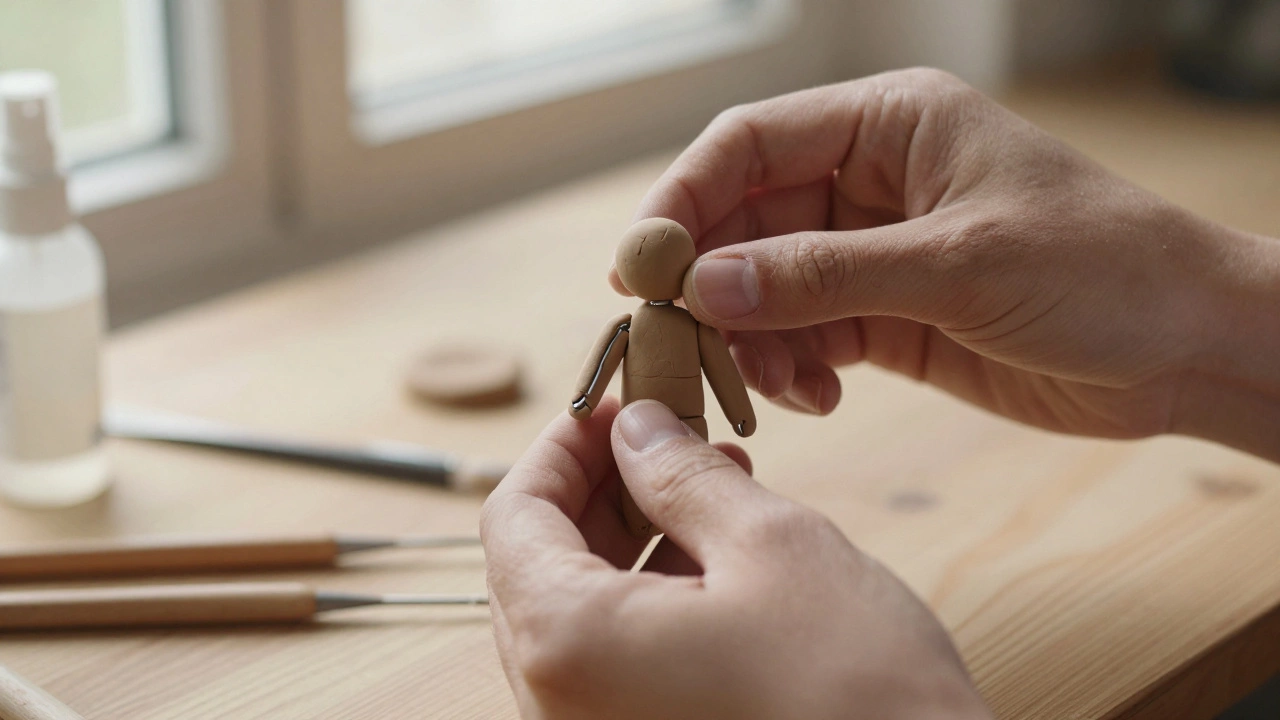
1 Dec 2025
Learn the four basic sculpting methods - additive, subtractive, modeling, and assemblage - used by artists to create three-dimensional art. Discover which one suits your style and how to start today.
Continue reading...
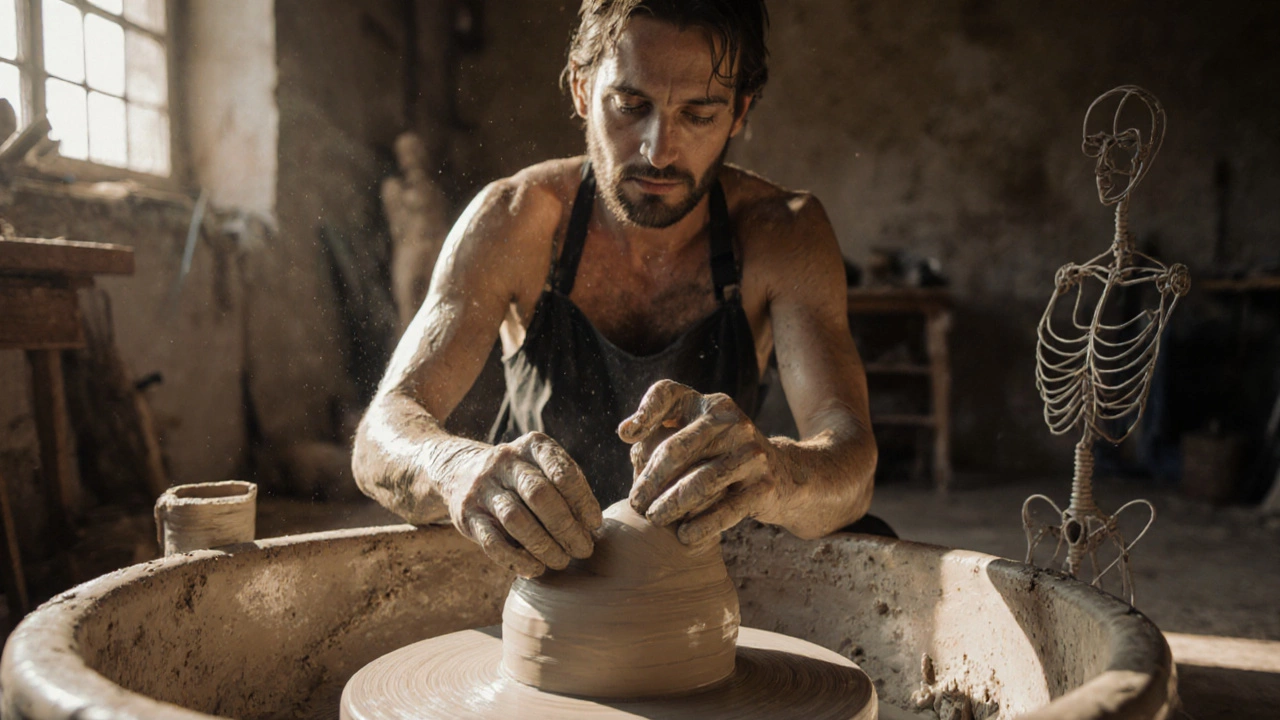
5 Nov 2025
Learn the four fundamental sculpting methods-additive, subtractive, modeling, and casting-that artists use to create three-dimensional art. Understand how each works, which materials they use, and why they still matter today.
Continue reading...