Contemporary Art Trends: What’s Shaping Art in 2025
When we talk about contemporary art, art made by living artists reflecting today’s world, not just past styles or traditions. It’s not a look—it’s a question. And right now, that question is being answered with pixels, plastic, and raw emotion. Unlike modern art, which had clear movements like cubism or surrealism, contemporary art doesn’t follow one rule. It’s a mix of digital hybrids, emotional realism, and material experiments that refuse to sit still.
Take digital art, art created or presented using digital technology, often sold as NFTs or prints. It’s not just filters on photos—it’s artists using code, AI, and touchscreens to build new visual languages. Some sell for thousands. Others are shared for free on social media, sparking debates about ownership and value. Then there’s abstract art, art that doesn’t show real objects but expresses feelings through color, shape, and texture. It’s not random splatters. It’s intentional. People connect with it not because they "get" it, but because it mirrors their mood. And fine art photography, photographs made as expressive pieces, not just snapshots—those aren’t wedding pics or product shots. They’re quiet, powerful statements printed on canvas and hung like paintings.
What’s driving all this? The world is changing fast. Climate anxiety shows up in sculptures made from ocean plastic. Digital loneliness shows up in glitchy portraits. Artists aren’t waiting for galleries to call—they’re posting work online, selling prints, and collaborating across continents. You don’t need a degree to make it. You just need something to say.
What you’ll find below isn’t a list of trends you should follow. It’s a collection of real questions artists are asking—and answering—with their hands, their screens, and their hearts. Whether it’s how to turn a photo into a painting, why Van Gogh’s Starry Night isn’t abstract, or how to price your first digital piece, these posts cut through the noise. No fluff. Just what’s actually happening in studios, online marketplaces, and exhibition spaces right now.
4 Dec 2025
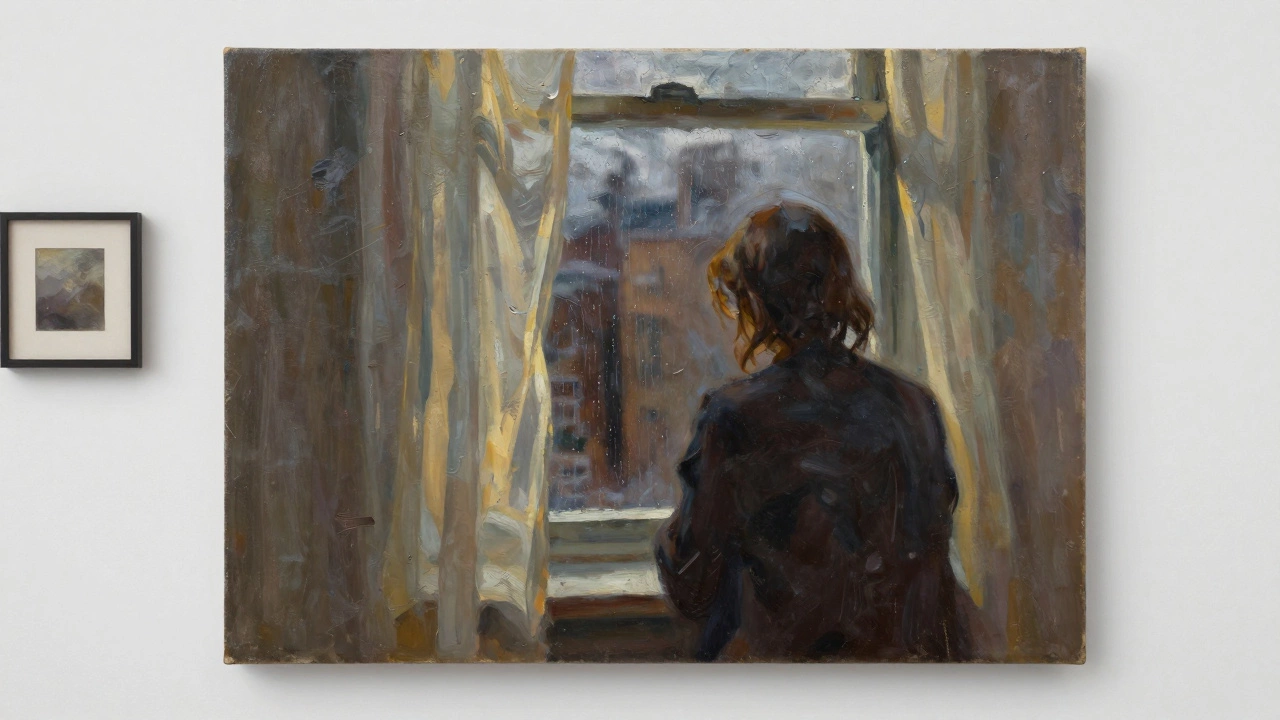
In 2024, art that sells isn't about size or fame-it's about emotion. Small works, climate-conscious pieces, and art from underrepresented regions are leading the market. Buyers want stories, not just decoration.
Continue reading...