Portrait Timeline Estimator
Estimated Timeline
*These are estimates based on typical industry standards discussed in the article.
Quick Summary: What to Expect
- Quick Sketches/Studies: 30 minutes to 5 hours.
- Standard Oil Portraits: 20 to 60 hours of active work, spread over weeks.
- Old Master Style: Hundreds of hours due to complex glazing.
- Digital Portraits: 4 to 15 hours depending on detail.
The Clock Depends on the Medium
The material an artist chooses dictates the speed of the work. You can't rush chemistry. For instance, Oil Paint is a slow-drying medium made of pigment mixed with a drying oil, typically linseed oil. Because it stays wet for days, artists can blend colors directly on the canvas, but they must wait for layers to dry before adding more. This "drying time" is the biggest variable in the total duration of a project.
Contrast that with Acrylic Paint, which is a fast-drying synthetic paint that dries in minutes. An artist using acrylics can build layers rapidly. While an oil painting might take a month to truly finish because of the waiting periods, a similarly detailed acrylic piece could be completed in a week. Then you have Watercolor, which is nearly instantaneous but unforgiving. Since you can't paint over a mistake easily, the time is spent more on the planning and the initial execution than on layering.
| Medium | Drying Speed | Active Work Hours | Total Calendar Time |
|---|---|---|---|
| Oil | Slow (Days/Weeks) | 20 - 100+ | 1 - 6 Months |
| Acrylic | Fast (Minutes) | 10 - 50 | 1 - 3 Weeks |
| Watercolor | Immediate | 2 - 15 | 1 - 5 Days |
| Digital | Instant | 4 - 20 | Hours to Days |
Breaking Down the Portrait Process
To understand why a portrait painting time varies, we have to look at the specific jobs an artist must complete. It isn't just about "painting"; it's a series of distinct phases.
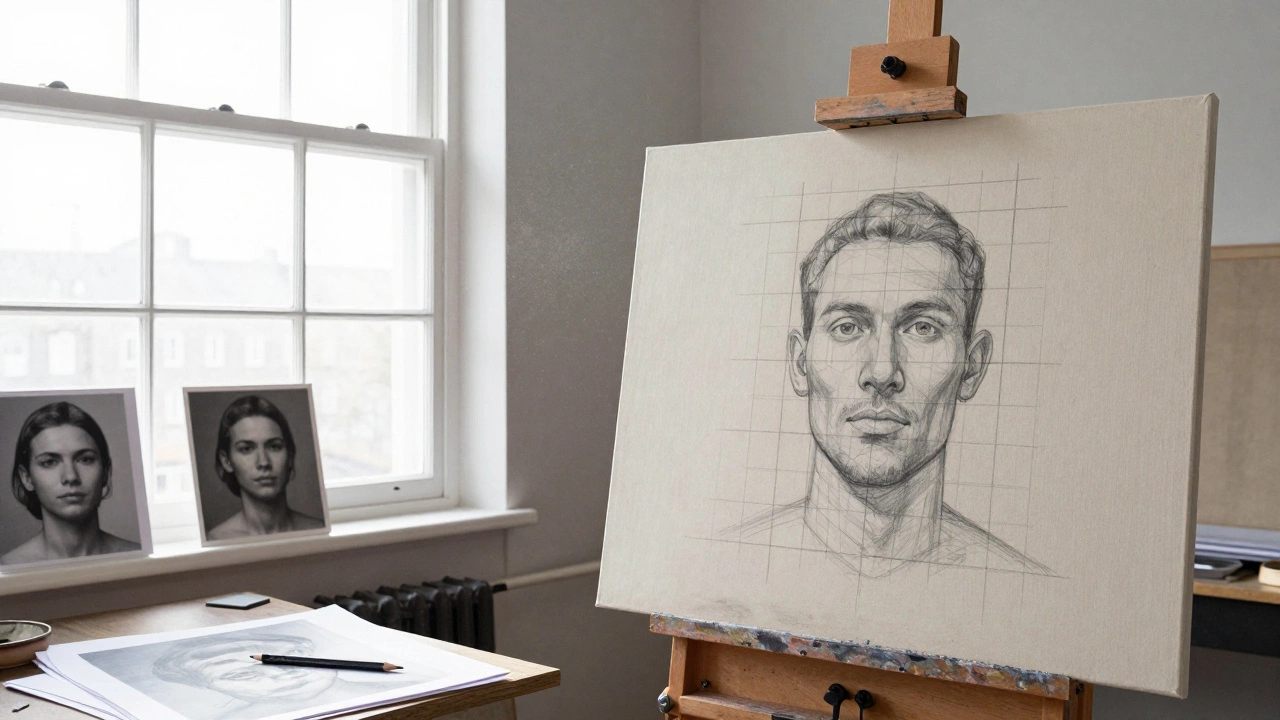
First is the Reference and Sketch phase. This takes anywhere from 30 minutes to a full day. The artist needs to nail the proportions. If the eyes are a quarter-inch too high, the rest of the painting will feel "off" no matter how beautiful the colors are. Many professionals use a Grid Method, which is a technique of drawing a grid over a reference photo and the canvas to ensure precise scaling. This adds time to the setup but saves hours of correcting mistakes later.
Next comes the Underpainting. This is often a thin, monochromatic layer (like burnt sienna) that establishes the light and dark areas. This might take 2 to 6 hours. The goal here isn't detail; it's the "map" of the face. If the artist is using the Alla Prima technique-which means "all at once"-they skip this and paint the final colors immediately. This is common in live sessions and can cut the total time down to a single 4-hour sitting.
Then we hit the Layering and Blocking. This is the meat of the process. The artist fills in the skin tones, the shadows of the neck, and the texture of the hair. This usually takes 10 to 30 hours of active painting. They aren't just applying color; they are observing how light hits the cheekbone and where the cool tones of the jawline meet the warm tones of the forehead.
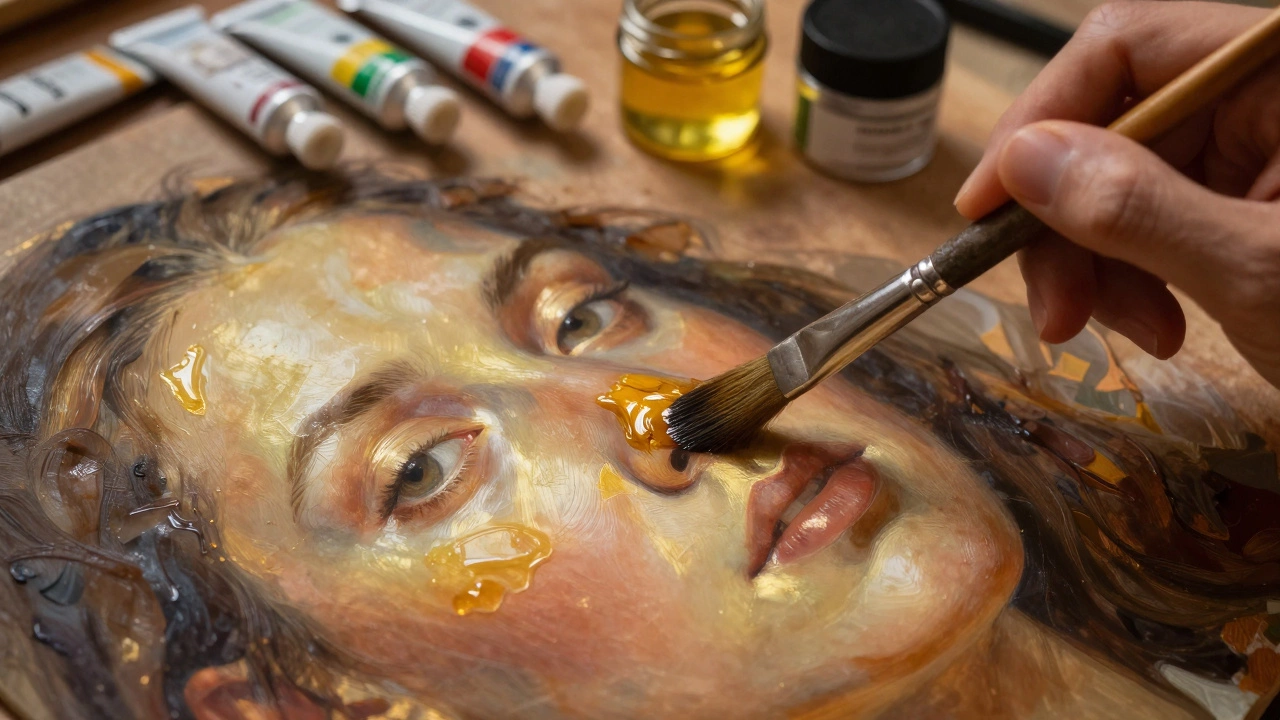
Finally, there is Glazing and Detailing. This is where the "magic" happens. Glazing is the process of applying thin, transparent layers of paint over a dry layer to shift the color or add depth. This is how the Old Masters achieved that glowing skin effect. Each glaze must dry completely, meaning this phase can stretch the timeline by weeks.
The Variable of the Subject
Not all portraits are created equal. A simple head-and-shoulders study is a different beast than a full-body regal portrait. The amount of visual information directly impacts the time.
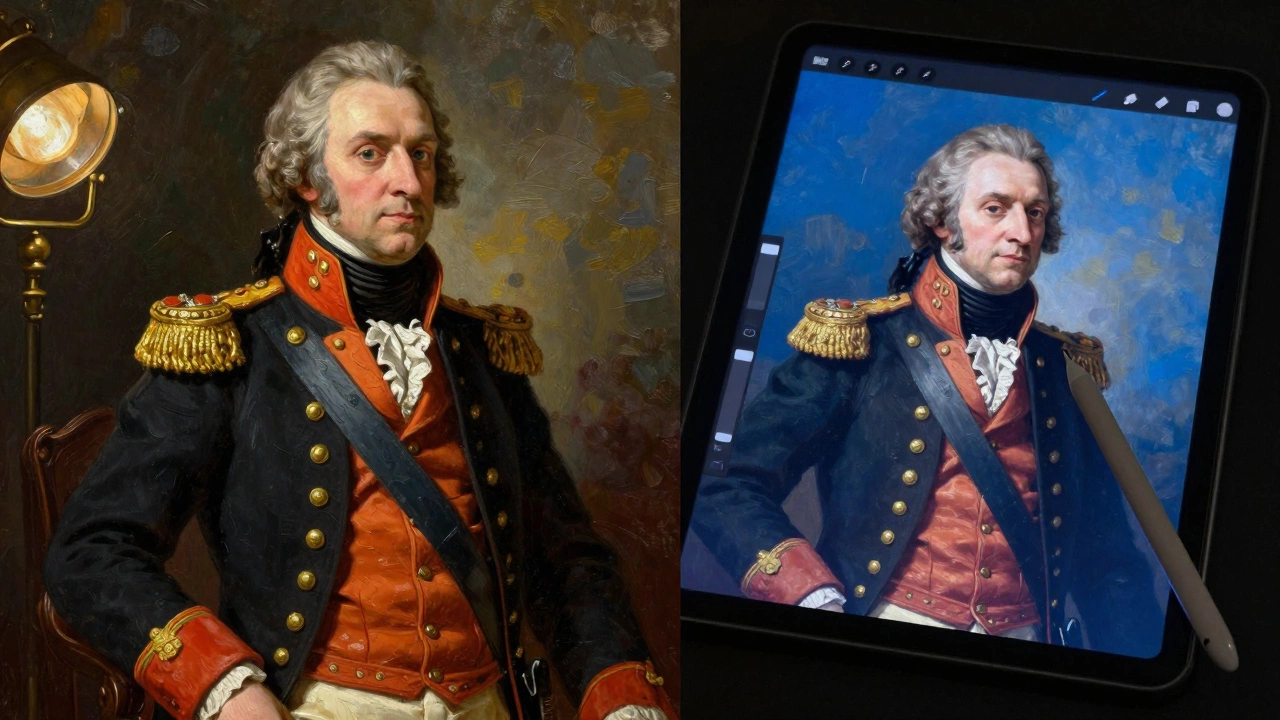
Consider a portrait of a person in a plain t-shirt against a flat background. The artist can focus entirely on the face. Now, imagine a portrait of a general in a 19th-century military uniform. The artist now has to spend hours painting gold braiding, medals, lace, and the specific texture of heavy wool. The background also matters; a detailed landscape takes far longer than a moody, dark void.
The complexity of the skin also plays a role. A smooth, youthful face is faster to render than a face with deep wrinkles, freckles, or weathered skin. Each line of a wrinkle is a tiny architectural feature that requires its own highlight and shadow to look three-dimensional.
Commission vs. Personal Study
There is a massive difference between a painting done for a client and one done for a portfolio. When an artist takes a commission, the time spent painting is only a fraction of the total project time. They have to account for client communication, revisions, and the pressure of perfection.
A commissioned artist might spend 40 hours on the canvas, but the project spans three months. This includes the initial consultation, the sending of progress photos, and the "waiting period" where the artist steps away from the painting for a few days to regain a fresh perspective. This "eye rest" is crucial; after staring at a nose for six hours, your brain starts to see it as "correct" even if it's crooked. Stepping away allows the artist to spot errors that would be invisible during the heat of the session.
Common Pitfalls That Extend the Timeline
Why do some portraits take twice as long as expected? Usually, it's due to a few common mistakes. The most frequent is overworking the paint. When an artist keeps brushing into wet paint to "fix" a detail, they destroy the brushstrokes and create a muddy, flat look. Fixing this requires waiting for the whole area to dry and then restarting the layer, which can add days to the calendar.
Another time-sink is poor lighting. If the light source in the studio changes-say, the sun moves across the room-the artist might find that the shadows they painted two hours ago no longer match the light they see now. This is why professional studios use consistent artificial lighting to keep the "value map" of the face stable throughout the process.
Can a professional portrait be finished in one day?
Yes, but usually only if the artist is using the Alla Prima technique or working with acrylics/digital media. These are often called "studies" or "sittings." While they capture the likeness and mood perfectly, they lack the depth and luminosity that come from the multi-layer glazing process used in traditional museum-grade oil portraits.
Why do oil portraits take so much longer than digital ones?
The primary reason is drying time. Digital art allows for instant layering, undoing mistakes, and changing colors without waiting. In oil painting, you must respect the "fat over lean" rule, meaning subsequent layers must have more oil than the previous ones to prevent cracking. This requires waiting days or weeks between specific stages of the painting.
Does the size of the canvas affect the time?
Absolutely. A larger canvas means more surface area to cover. Even if the level of detail remains the same, the physical act of moving the brush across a 60-inch canvas takes longer than a 10-inch one. Furthermore, larger portraits often include more of the body and background, which adds significant work.
What is the fastest way to get a high-quality portrait?
Digital painting is the fastest route. A skilled digital artist can simulate the look of oils or acrylics using software like Corel Painter or Photoshop, completing a high-fidelity piece in a fraction of the time because there is no physical drying process involved.
Is it possible for a portrait to take years?
It happens, especially with perfectionists or extremely complex works. Some artists work on a piece incrementally over years, adding a few glazes every few months. In these cases, the painting becomes a living document of the artist's evolving style rather than a project with a hard deadline.
Next Steps for Aspiring Artists
If you're trying to speed up your own workflow, start by limiting your palette. Using too many colors leads to decision paralysis and muddy mixes. Try the Zorn Palette (Yellow Ochre, Cadmium Red, Black, and White) to simplify your skin tone process. Also, focus on blocking in large shapes first. Don't start painting the eyelashes until the entire head is the correct color and value. If you rush into the details, you'll spend more time fixing the structure later, which is the biggest time-waste in portraiture.
